7 Ways to Extend the Life of Pool Equipment That Save Thousands
Discover 7 proven ways to extend your pool equipment’s lifespan and save money. Learn essential maintenance tips for pumps, filters, and heaters to avoid costly repairs.
Why it matters: Pool equipment represents a significant investment that can cost thousands to replace when it fails prematurely.
The big picture: Regular maintenance and smart usage habits can double or even triple the lifespan of your pumps, filters, heaters, and other essential pool components — saving you serious money over time.
What’s next: Simple preventive measures like proper chemical balancing, regular cleaning schedules, and seasonal protection can keep your pool running smoothly for years while avoiding costly emergency repairs.
Disclosure: As an Amazon Associate, this site earns from qualifying purchases. Thank you!
Maintain Proper Water Chemistry Balance
You’ll protect your expensive pool equipment by keeping your water chemistry within the proper ranges. Unbalanced water creates corrosive conditions that eat away at metal components and damage plastic parts faster than normal wear and tear.
Test pH and Chlorine Levels Weekly
Keep your pool water clean and clear with Clorox Pool&Spa XTRABLUE 3" Chlorinating Tablets. These tablets kill bacteria, prevent algae, and contain conditioners for silky smooth water.


Test your pool water twice weekly during swimming season using reliable test strips or a digital tester. Keep pH between 7.2-7.6 and chlorine at 1-3 ppm to prevent equipment corrosion and ensure sanitizer effectiveness. Consistent testing catches problems before they damage your pump seals, heater elements, or filter housings.
Adjust Alkalinity and Calcium Hardness
Maintain total alkalinity between 80-120 ppm to stabilize your pH levels and prevent rapid fluctuations. Keep calcium hardness at 150-300 ppm to protect metal components from corrosion while avoiding scale buildup on heating elements. These levels create a protective buffer that extends equipment life significantly.
Use Quality Chemical Products
Invest in reputable chemical brands that dissolve completely and won’t leave residue in your system. Cheap chemicals often contain fillers that clog filters and damage pump impellers over time. Quality products cost more upfront but prevent costly equipment repairs and replacements down the road.
Clean and Service Your Pool Filter Regularly
Keep your pool water crystal clear with this 4-pack of universal Type A/C filter cartridges. These durable, easy-to-replace filters provide superior cleaning for pumps ranging from 530 to 2,000 GPH.
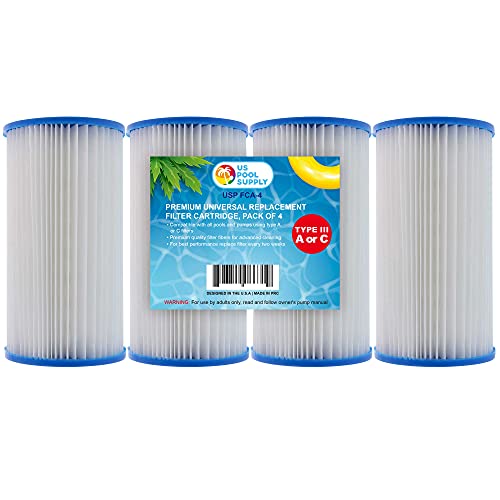
Your pool filter works harder than any other component in your system, trapping debris and contaminants 24/7 during pool season. Proper filter maintenance directly impacts your equipment’s lifespan and prevents costly pump damage from overworking.
Rinse Cartridge Filters Every Two Weeks
Keep your pool sparkling clean with the SWIMLINE Hydrotools filter. Its 50 sq ft cartridge efficiently filters particles down to 50 microns and its durable, weather-resistant construction ensures long-lasting performance with minimal maintenance.

Remove cartridge filters every two weeks during peak swimming season and rinse them thoroughly with your garden hose. Spray from top to bottom, working between each pleat to dislodge trapped debris and oils. This simple rinse removes 80% of accumulated contaminants and maintains proper water flow through your system.
Backwash Sand and DE Filters Monthly
Keep your pool sparkling with Robelle Premium D.E. filter powder. This 24-pound box contains four pre-measured charges for easy use in standard diatomaceous earth pool filters.
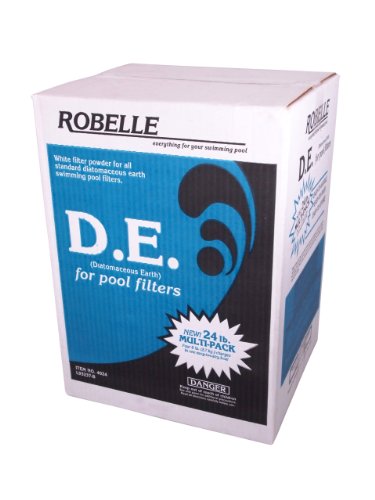
Backwash sand and diatomaceous earth filters monthly or when your pressure gauge reads 8-10 PSI above the clean starting pressure. Run the backwash cycle for 2-3 minutes until water runs clear from the waste line. This process reverses water flow and flushes out trapped particles that reduce filtration efficiency.
Replace Filter Media When Necessary
Replace cartridge filters every 12-18 months depending on your pool’s usage and environmental conditions. Sand filter media typically lasts 3-5 years, while DE powder should be replaced after each backwash cycle. Watch for shortened cleaning cycles or persistent cloudiness as signs your filter media has reached its replacement time.
Protect Your Pool Pump From Overwork
Keep your pool crystal clear with the KimFilter Pro Series 1000 GPH filter pump. It uses hydroaeration technology and an efficient Type A/C cartridge to powerfully circulate and filter your pool water, removing debris and maintaining a healthy pH balance.

Your pool pump‘s the heart of your circulation system, and overworking it leads to premature failure and costly replacements. Smart pump management keeps water flowing efficiently while extending equipment life significantly.
Run Pump for Optimal Hours Daily
Run your pump 8-12 hours daily during swimming season to maintain proper circulation without overworking the motor. Most residential pools need one complete water turnover per day, which you’ll achieve by calculating your pool volume and matching it to your pump’s flow rate.
Keep Pump Basket Clean and Debris-Free
Clean your pump basket weekly during swimming season and after storms to prevent motor strain from restricted water flow. A clogged basket forces your pump to work harder, generating excess heat and reducing efficiency by up to 30%.
Maintain Proper Water Level
Keep water level at the center of your skimmer opening to ensure steady flow and prevent pump damage from running dry. Low water levels cause air to enter the system, creating cavitation that destroys impellers and seals within months.
Perform Regular Pool Equipment Inspections
Regular equipment inspections catch small problems before they become expensive disasters. You’ll save hundreds of dollars by spending just 15 minutes monthly checking your pool’s vital components.
Check for Leaks and Corrosion
Examine pump housings, filter tanks, and plumbing connections for water stains or mineral deposits that signal leaks. Look for rust on metal components and white chalky buildup around fittings, which indicates corrosion that can lead to equipment failure. Address minor leaks immediately, as they’ll worsen quickly and cause water damage to surrounding equipment.
Inspect Electrical Connections
Check all electrical connections for loose wires, corrosion, or burn marks that could cause equipment malfunction or safety hazards. Ensure GFCI outlets work properly by testing the reset button monthly. Look for frayed cords on pool lights and equipment, replacing damaged electrical components immediately to prevent costly repairs and potential electrocution risks.
Monitor Equipment Performance
Track your pump’s operating sounds and vibration levels, as unusual noises often indicate bearing problems or motor issues developing. Monitor filter pressure gauges and note when cleaning frequencies increase, which signals declining filter efficiency. Record equipment run times and energy usage patterns to identify performance drops that suggest components need attention before complete failure occurs.
Winterize Your Pool Equipment Properly
Proper winterization prevents thousands of dollars in freeze damage to your pool equipment. You’ll save money and avoid spring headaches by following these essential steps.
Drain Water From All Equipment
Drain all water completely from pumps, filters, heaters, and plumbing lines before freezing temperatures arrive. Water expands 9% when it freezes, cracking pump housings and filter tanks instantly.
Use a shop vacuum to remove every drop from equipment chambers and connections. Even small amounts of trapped water can cause expensive damage during cold snaps.
Remove and Store Removable Components
Remove cartridge filters, pump baskets, and drain plugs from all equipment before winter storage. Store these components in a dry, temperature-controlled area like your garage or basement.
Clean all removable parts thoroughly before storage to prevent algae growth and corrosion. Label drain plugs by equipment type so you’ll know exactly where each one belongs come spring.
Cover Equipment to Prevent Weather Damage
Cover exposed equipment with waterproof tarps or custom-fitted covers to shield them from snow, ice, and UV rays. Secure covers tightly to prevent wind damage and moisture infiltration.
Choose breathable covers that allow condensation to escape while blocking precipitation. Pooled water on equipment covers can freeze and cause structural damage to sensitive components below.
Keep Your Pool Area Clean and Organized
A clean, organized pool area isn’t just about aesthetics—it’s essential for protecting your valuable equipment from damage and ensuring safe access for maintenance.
Remove Debris From Pool Deck
Clear leaves, dirt, and debris from your pool deck weekly to prevent them from clogging equipment and creating slip hazards. Wind-blown debris can quickly find its way into skimmer baskets and pump housings, reducing efficiency by up to 25%. Use a leaf blower or deck brush to maintain clean surfaces around your pool equipment area.
Trim Vegetation Around Equipment
Maintain at least 3 feet of clearance around all pool equipment by trimming bushes, trees, and grass regularly. Overgrown vegetation restricts airflow to your pump and heater, causing them to overheat and fail prematurely. Roots can also damage underground plumbing lines, leading to costly leak repairs that could’ve been prevented with simple landscaping maintenance.
Maintain Clear Access to Equipment
Keep pathways to your pool equipment free from storage items, toys, and garden tools to ensure quick access during emergencies or routine maintenance. You’ll need immediate access to shut off equipment during malfunctions, and technicians require clear workspace for repairs. Store pool chemicals, cleaning supplies, and maintenance tools in designated areas away from electrical components but within easy reach.
Schedule Professional Pool Equipment Maintenance
Professional maintenance catches issues your routine inspections might miss and keeps warranties valid. Most equipment manufacturers require annual professional service to honor warranty claims.
Annual Equipment Tune-Ups
Annual tune-ups identify problems before they become expensive failures. Professional technicians calibrate equipment settings, replace worn seals, and test electrical connections with specialized tools. They’ll also verify proper water flow rates and chemical feeder operation that home inspections can’t accurately measure.
Professional Deep Cleaning Services
Deep cleaning removes buildup that regular maintenance can’t eliminate. Professionals use specialized acids to dissolve scale in heat exchangers and descaling equipment for filter tanks. They’ll also disassemble pump motors to clean internal components and lubricate bearings properly.
Expert Troubleshooting and Repairs
Professional troubleshooting prevents minor issues from destroying expensive equipment. Technicians use diagnostic tools to identify failing capacitors, worn impellers, and electrical problems before complete failure occurs. They’ll also catch intermittent problems that only appear under specific operating conditions you might miss.
Conclusion
Taking care of your pool equipment doesn’t have to be overwhelming or time-consuming. By implementing these seven strategies you’ll protect your investment and enjoy crystal-clear water all season long.
Remember that consistency is key – a few minutes of weekly maintenance beats hours of repairs and replacements. Your wallet will thank you when your equipment runs smoothly for years beyond its expected lifespan.
Start with one or two of these practices today and gradually build them into your routine. Before you know it maintaining your pool equipment will become second nature and you’ll wonder why you ever waited to begin proper care.
Frequently Asked Questions
What is the ideal pH range for pool water to protect equipment?
The ideal pH range for pool water is 7.2-7.6. Maintaining this range prevents corrosive conditions that can damage pool equipment like pumps, filters, and heaters. Regular testing and adjustment of pH levels is essential for equipment longevity and preventing costly repairs.
How often should I clean my pool filter cartridges?
Pool filter cartridges should be rinsed every two weeks during peak swimming season to remove debris and maintain proper water flow. Replace cartridge filters every 12-18 months to ensure optimal filtration efficiency and prevent persistent water cloudiness.
How many hours should I run my pool pump daily?
Run your pool pump 8-12 hours daily during swimming season to maintain proper circulation without overworking the motor. This duration ensures adequate water turnover while preventing premature pump failure and reducing energy costs.
What chlorine level should I maintain in my pool?
Maintain chlorine levels between 1-3 ppm (parts per million) to ensure proper sanitization without damaging pool equipment. Regular testing and adjustment of chlorine levels helps protect metal components from corrosion and maintains water quality.
How often should I backwash my sand filter?
Backwash sand filters monthly or when pressure increases significantly above normal operating levels. This process removes trapped debris and maintains efficient filtration. Sand filter media typically needs replacement every 3-5 years for optimal performance.
What water level should I maintain in my pool?
Keep water level at the center of the skimmer opening to ensure steady flow and prevent pump damage. Water levels that are too low can cause the pump to run dry, leading to cavitation and internal component damage.
How can I prevent freeze damage to pool equipment?
Drain all water from pumps, filters, heaters, and plumbing lines before freezing temperatures. Use a shop vacuum to ensure complete water removal, and store removable components in a dry, temperature-controlled area to prevent freeze damage.
What should I check during monthly equipment inspections?
Check for leaks, corrosion, loose electrical connections, and unusual sounds or vibrations from equipment. Monitor filter pressure gauges and examine pump housings and plumbing connections for water stains or mineral deposits to catch problems early.
Why should I hire professional pool maintenance services?
Professional maintenance catches issues that routine inspections might miss, keeps equipment warranties valid, and provides expert calibration of equipment settings. Annual professional tune-ups can prevent minor problems from becoming expensive equipment failures.
What total alkalinity range should I maintain?
Maintain total alkalinity between 80-120 ppm to stabilize pH levels and protect equipment from corrosion. Proper alkalinity acts as a buffer, preventing rapid pH fluctuations that can damage pool components and affect water chemistry balance.