
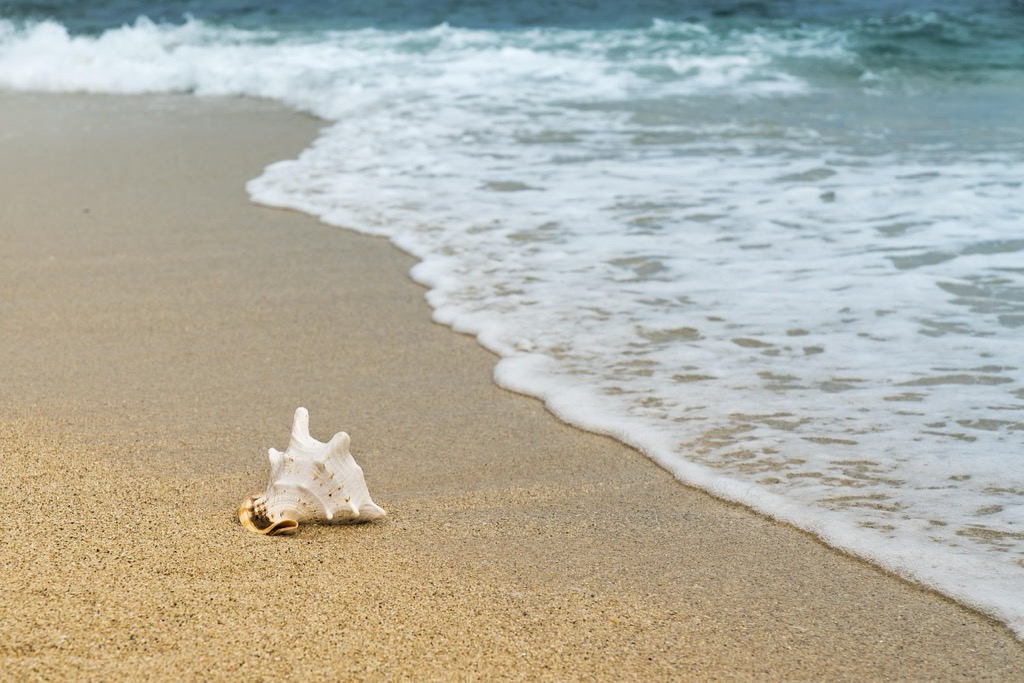
7 Secret Coastal Travel Tips Locals Use for Beach Trips
Discover how tide awareness transforms coastal vacations! Learn 7 expert tips for timing beach activities, exploring tide pools, water sports, and staying safe while maximizing your seaside adventures.
The big picture: Tidal movements can make or break your coastal vacation experience – from accessing hidden beaches to timing water activities perfectly.
Why it matters: Understanding tides helps you maximize beach time while avoiding dangerous conditions that catch thousands of unprepared travelers off guard each year.
What’s next: These seven strategic tips will transform you from a tide-clueless tourist into a savvy coastal explorer who knows exactly when and where to make the most of every shoreline moment.
Disclosure: As an Amazon Associate, this site earns from qualifying purchases. Thank you!
Check Tide Charts Before Planning Beach Activities
Smart coastal explorers know that checking tide predictions transforms a good beach day into an exceptional one. You’ll maximize your time and avoid frustrating surprises when you plan activities around tidal movements.
Download Reliable Tide Prediction Apps
NOAA Tides & Currents provides the most accurate government data for US coastlines. Popular alternatives like Tide Charts and My Tide Times offer user-friendly interfaces with hourly predictions.
Download apps before you travel since cellular service can be spotty at remote beaches. Most quality apps work offline once you’ve loaded your location’s data.
Understand Local Tide Patterns and Timing
Tides shift roughly every 6 hours with two highs and two lows daily. However, timing varies significantly between coastal regions – Maine’s tides differ drastically from California’s patterns.
Study your destination’s unique cycle since some areas experience extreme 12-foot swings while others see gentle 2-foot changes. This knowledge prevents you from arriving at low tide expecting swimming conditions.
Plan Activities Around Optimal Tide Conditions
Low tide reveals tide pools perfect for exploration and creates expansive beach areas for sports and walking. High tide offers deeper water for swimming and reduces the walk to reach waves.
Schedule shell hunting and beach combing 2-3 hours before low tide when retreating water exposes fresh treasures. Plan surfing or bodyboarding during incoming tides when wave energy peaks near shore.
Time Your Beach Walks for Low Tide Exploration
Low tide opens up a completely different world at the beach that most visitors never get to experience. You’ll find yourself walking on areas that were underwater just hours before.
Discover Tide Pools and Marine Life
Tide pools become accessible windows into marine ecosystems during low tide periods. You’ll spot sea anemones, hermit crabs, starfish, and small fish trapped in these natural aquariums. Early morning low tides offer the best viewing opportunities since marine life is most active before the sun heats the shallow water.
Access Hidden Beaches and Rock Formations
Low tide reveals hidden pathways around rocky headlands and secluded coves. You can walk around cliff bases and explore sea caves that remain completely submerged during high tide. These formations often lead to private beaches where you’ll have dramatic coastal scenery all to yourself.
Avoid Getting Stranded by Rising Waters
Rising tides can cut off your return route faster than you’d expect. Always check how much time you have before the tide turns and plan your exploration accordingly. Give yourself at least 30 minutes of buffer time to return safely before the water level rises significantly.
Schedule Water Sports During High Tide Windows
High tide transforms your water sports experience by providing the deep, navigable conditions that make activities safer and more enjoyable. You’ll find that most water sports perform best when there’s sufficient depth and calmer surface conditions that high tide typically delivers.
Ensure Adequate Water Depth for Swimming
Swimming during high tide gives you the deep water you need for safe entry and comfortable movement. You’ll avoid scraping against shallow rocks or sand bars that become hazardous at low tide. Most beaches require at least 3-4 feet of depth for safe swimming, which high tide reliably provides in designated swimming areas.
Optimize Conditions for Kayaking and Paddleboarding
Kayaking and paddleboarding work best during high tide when you can navigate freely without dragging through shallow areas. You’ll cover more distance with less effort since deeper water reduces friction and obstacles. High tide also opens up channels and coves that become inaccessible during low water, expanding your exploration options significantly.
Plan Surfing Sessions with Tide Considerations
Surfing conditions vary dramatically with tide changes, and each break has its sweet spot. You’ll typically find that most beach breaks work better at mid to high tide when waves have enough water to form properly. Check local surf reports for tide-specific recommendations, as some reef breaks actually prefer lower tides while others need high water to avoid dangerous shallow sections.
Plan Photography Sessions Around Golden Hour Tides
Golden hour photography becomes extraordinary when you align it with tidal conditions. The interplay between soft lighting and changing water levels creates unique opportunities you won’t find at any other time.
Capture Dramatic Coastal Landscapes
Low tide golden hour reveals the most dramatic coastal compositions. Exposed sea stacks, rocky platforms, and distant headlands create powerful foreground elements that disappear at high tide. The receding water leaves behind reflective sand patches and tidal channels that mirror the warm sky colors, adding depth and leading lines to your shots.
Photograph Exposed Rocks and Tide Pool Reflections
Tide pools become natural mirrors during golden hour low tide. The still water in rocky crevices reflects the amber sky while marine life remains active in the warm light. Sea anemones and hermit crabs photograph beautifully against the golden backdrop, and wet rocks develop rich textures and colors that harsh midday sun can’t reveal.
Time Sunrise and Sunset Shots with Tide Levels
High tide golden hour creates minimalist seascapes with clean horizons. The elevated water level eliminates distracting foreground clutter while providing smooth wave patterns that complement the soft light. Plan your shoot 30 minutes before peak golden hour to capture the transition as waves interact with the changing light, creating dynamic reflections and foam patterns.
Research Tide-Dependent Attractions and Tours
Many coastal destinations offer unique experiences that depend entirely on tidal timing. You’ll miss these incredible opportunities if you don’t plan around the water’s natural rhythm.
Book Tidal Island Visits During Low Tide
Tidal islands become accessible only when low tide reveals connecting sand bridges or rocky causeways. Mont-Saint-Michel in France and Tomales Point in California showcase this phenomenon perfectly. You’ll need to time your visit carefully since these pathways disappear completely at high tide, potentially stranding visitors for hours.
Join Guided Tide Pool Exploration Tours
Professional naturalist guides schedule tide pool tours exclusively during optimal low tide windows. These experts know exactly when marine life like sea stars and anemones are most active and visible. You’ll discover creatures and formations that remain hidden during high tide, plus learn identification skills that enhance future beach explorations.
Visit Coastal Caves Accessible Only at Low Tide
Sea caves carved into cliffsides often flood completely during high tide, making exploration impossible and dangerous. Oregon’s coast features dozens of these tide-dependent caverns that reveal stunning geological formations when water levels drop. You’ll want to check both tide timing and wave conditions since even low tide can be hazardous during storm swells.
Pack Tide-Appropriate Gear and Safety Equipment
Your coastal gear selection becomes critical when tides can shift your beach environment dramatically within hours. The right equipment protects both your belongings and your safety as water levels change throughout your visit.
Bring Waterproof Bags for Changing Tide Levels
Waterproof bags protect your essentials when unexpected waves reach higher than anticipated. I’ve watched countless phones and cameras get soaked when visitors underestimate how far high tide reaches up the beach.
Pack your electronics, documents, and dry clothes in sealed waterproof bags rather than basic beach totes. Rolling-top dry bags work best since they create an airtight seal that won’t fail if dropped in water.
Pack Quick-Dry Clothing for Unexpected Waves
Quick-dry fabrics become essential when tides bring surprise soakings during beach exploration. Cotton clothes stay wet for hours, leaving you uncomfortable and potentially cold when ocean breezes pick up.
Synthetic materials like polyester and nylon dry within 30 minutes of getting splashed. Pack an extra quick-dry shirt and shorts in your waterproof bag so you’re prepared when that “dry” rock walk turns into an ankle-deep wade.
Carry Emergency Signaling Devices for Safety
Emergency signaling devices provide crucial backup communication when tide conditions isolate you from help. Cell service often fails near remote tide pools and coastal caves where accidents are most likely to occur.
Carry a waterproof whistle and consider a personal locator beacon for extended tide pool exploration. These devices work when your phone doesn’t, giving you reliable ways to signal for help if rising tides trap you or someone gets injured on slippery rocks.
Stay Alert to Changing Tide Conditions Throughout Your Visit
Tidal conditions shift continuously throughout your stay, and what seems safe in the morning can become hazardous by afternoon. Maintaining awareness of these changes protects you and enhances your coastal vacation experience.
Monitor Weather Warnings and Tide Alerts
Weather apps and marine forecasts provide real-time updates about dangerous tide combinations with storms. King tides during full moons create exceptionally high water levels that can flood normally safe areas.
NOAA Weather Radio broadcasts emergency tide warnings for your specific coastal region. These alerts often include details about rip current risks and unusual tidal surges that standard apps miss.
Establish Safe Retreat Routes from the Water
Scout multiple escape paths from beaches before tide changes trap you against cliffs or rocks. Rising water can cut off your primary route within 15-20 minutes during rapid tidal shifts.
Identify elevated ground at least 20 feet above current water levels as your emergency destination. Mark landmarks like distinctive rocks or buildings to help navigate during stressful situations.
Educate Travel Companions About Tide Safety
Brief everyone in your group about tide timing and potential hazards before each beach outing. Children especially need clear instructions about recognizing rising water and designated meeting points.
Assign tide-watching responsibilities to different adults throughout the day to maintain constant awareness. This shared vigilance prevents dangerous situations when one person becomes distracted or separated from the group.
Conclusion
Your coastal vacation becomes infinitely more rewarding when you’re tide-savvy. These seven strategies transform you from a casual beachgoer into a confident coastal explorer who maximizes every moment by the water.
Remember that tides don’t wait for anyone – they’ll continue their ancient rhythm whether you’re prepared or not. The difference lies in your preparation and awareness. When you understand these natural cycles you’ll discover hidden treasures that most visitors never see.
Download those tide apps before you travel. Pack the right gear. Stay alert to changing conditions. Most importantly trust your instincts when something doesn’t feel right.
Your next coastal adventure awaits and now you have the knowledge to make it extraordinary. The ocean’s secrets are ready to reveal themselves to those who take the time to understand its rhythms.
Frequently Asked Questions
What are the best apps for checking tide charts before beach activities?
NOAA Tides & Currents is the most reliable app for accurate tide predictions. Download these apps before traveling to remote beaches where cellular service may be limited. Having tide data readily available transforms a good beach day into an exceptional one by helping you time activities perfectly and avoid unpleasant surprises.
How often do tides change during the day?
Tides shift roughly every six hours, but timing can vary significantly between regions. Most coastal areas experience two high tides and two low tides daily. It’s essential to study the unique tidal cycles of your specific destination to plan activities effectively and avoid arriving when conditions aren’t ideal for your planned activities.
When is the best time to explore tide pools?
Low tide offers the best opportunities for tide pool exploration, especially during early morning hours when marine life is most active. Low tide exposes areas previously underwater, revealing sea anemones, starfish, and other fascinating creatures. Always check the tide schedule and allow a 30-minute buffer to return safely before the tide turns.
Which tide conditions are safest for swimming and water sports?
High tide provides the safest conditions for swimming and water sports. Deep water during high tide ensures adequate depth, avoiding hazards like shallow rocks or sandbars. For kayaking and paddleboarding, high tide allows easier navigation and access to channels that may be blocked during low tide periods.
How do tides affect beach photography opportunities?
Low tide during golden hour reveals dramatic coastal landscapes with exposed sea stacks and reflective sand patches. Tide pools act as natural mirrors, capturing warm sky colors beautifully. High tide creates minimalist seascapes with smooth wave patterns and dynamic reflections, perfect for stunning sunrise and sunset photography sessions.
What safety equipment should I pack for tide-dependent beach activities?
Pack waterproof bags to protect essentials from unexpected waves, quick-dry clothing for comfort, and emergency signaling devices like waterproof whistles or personal locator beacons. These items are crucial for remote areas where cell service may fail and tide conditions can change rapidly throughout the day.
How can I stay informed about dangerous tide conditions?
Monitor weather warnings and tide alerts through weather apps and NOAA Weather Radio for real-time updates about dangerous tide combinations and rip current risks. Scout multiple escape routes to elevated ground, educate travel companions about tide safety, and assign tide-watching responsibilities to maintain constant awareness of changing conditions.

