
7 Advantages of Pool Heat Pumps That Maximize Performance
Discover 7 key benefits of pool heat pumps: 50-80% energy savings, year-round swimming, eco-friendly operation, low maintenance, precise temperature control & quiet performance.
Why it matters: Pool heat pumps are revolutionizing how homeowners heat their pools by offering energy-efficient alternatives to traditional gas heaters. You’ll discover these systems can slash your energy costs while extending your swimming season year-round. Understanding the key advantages helps you make an informed decision that could save thousands in heating expenses.
The bottom line: Heat pumps extract warmth from ambient air and transfer it to your pool water using minimal electricity. This technology delivers consistent heating performance while reducing your carbon footprint significantly compared to fossil fuel alternatives.
Disclosure: As an Amazon Associate, this site earns from qualifying purchases. Thank you!
Exceptional Energy Efficiency That Saves Money Long-Term
Pool heat pumps deliver remarkable efficiency gains that translate directly into substantial savings on your monthly energy bills. Their advanced technology captures ambient heat and amplifies it, requiring far less electricity than traditional heating methods.
Lower Operating Costs Compared to Gas Heaters
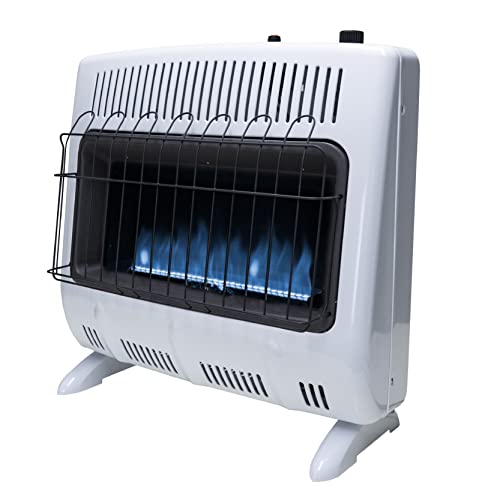
Heat rooms up to 1,000 sq. ft. with this 30,000 BTU natural gas heater. It features a thermostat for precise temperature control and a low oxygen shut-off system for safe operation.
You’ll typically save 50-80% on heating costs when switching from gas to heat pump systems. Gas heaters burn fuel continuously while operating, creating ongoing expenses that fluctuate with fuel prices. Heat pumps use minimal electricity to move existing heat, resulting in predictable monthly costs that remain stable regardless of natural gas market volatility.
High Coefficient of Performance (COP) Ratings
Quality heat pumps achieve COP ratings between 4.0-6.0, meaning they produce 4-6 units of heat for every unit of electricity consumed. This efficiency dramatically outperforms gas heaters, which typically operate at 80-85% efficiency ratings. Higher COP ratings translate to lower operating costs and faster return on your initial investment in the heat pump system.
Heat Pumps efficiently heat and cool your home. Enjoy year-round comfort with energy-saving performance.

Reduced Carbon Footprint for Eco-Conscious Pool Owners
You’ll cut your pool’s carbon emissions by up to 75% compared to gas heating systems. Heat pumps don’t burn fossil fuels directly, instead using electricity that increasingly comes from renewable sources. This environmental advantage grows stronger each year as power grids incorporate more solar and wind energy, making your pool heating increasingly sustainable.
Stay comfortable year-round with this 12000 BTU mini-split air conditioner and heater. It efficiently cools or heats rooms up to 750 sq ft and features multiple modes, a self-cleaning function, and quiet operation.

Extended Swimming Season Throughout the Year
Pool heat pumps transform your backyard pool from a seasonal luxury into a year-round recreation destination. You’ll enjoy comfortable swimming temperatures even when ambient air drops to 45-50°F.
Heat your pool efficiently with the FibroPool FH135 heat pump. This all-electric unit saves money by transferring heat from the air, and its durable, coated steel chassis withstands outdoor elements.

Consistent Water Temperature in Cooler Months
Heat pumps maintain your pool’s temperature within 2-3 degrees of your desired setting throughout fall and winter months. You’ll swim comfortably in 78-82°F water while outdoor temperatures hover around 50-60°F, extending your season by 3-4 months compared to unheated pools.
Ability to Maintain Ideal Swimming Conditions
Your heat pump automatically adjusts output to match changing weather conditions and pool usage patterns. You’ll experience steady water temperatures during cool mornings, evening swims, and sudden temperature drops, ensuring every swimming session feels perfectly comfortable regardless of external conditions.
Maximum Return on Pool Investment
Year-round pool usage dramatically increases your return on investment by tripling or quadrupling your swimming days annually. You’ll recover heat pump costs through extended enjoyment and increased property value, with many homeowners using their pools 200+ days per year instead of the typical 60-90 days.
Environmentally Friendly Heating Solution
Pool heat pumps represent a major shift toward sustainable pool heating that doesn’t compromise on comfort. You’re making an environmental choice that reduces your carbon footprint while maintaining perfect water temperatures.
Uses Ambient Air Temperature Instead of Fossil Fuels
Heat pumps extract warmth from surrounding air rather than burning natural gas or propane. You’ll eliminate direct fossil fuel consumption at your property while tapping into renewable ambient energy. This process operates efficiently even when outdoor temperatures drop to 45°F, using electricity to move existing heat rather than creating it.
Minimal Environmental Impact During Operation
Operating heat pumps produce zero direct emissions at your pool site. You’ll contribute to cleaner air quality in your neighborhood while reducing greenhouse gas output by up to 75% compared to gas heating systems. The electrical consumption remains minimal due to the heat multiplication process that delivers 4-6 units of heat per unit of electricity.
Supports Sustainable Pool Maintenance Practices
Heat pumps complement eco-friendly pool management by maintaining consistent temperatures without chemical fluctuations caused by gas heating. You’ll find that stable water temperatures reduce chemical consumption and create better conditions for natural enzyme cleaners. The steady operation also supports solar cover effectiveness and reduces water evaporation rates.
Low Maintenance Requirements for Hassle-Free Operation
Pool heat pumps deliver reliable warmth with minimal upkeep demands. Unlike traditional heating systems that require frequent attention, these units operate smoothly for years with basic care.
Fewer Moving Parts Than Traditional Pool Heaters
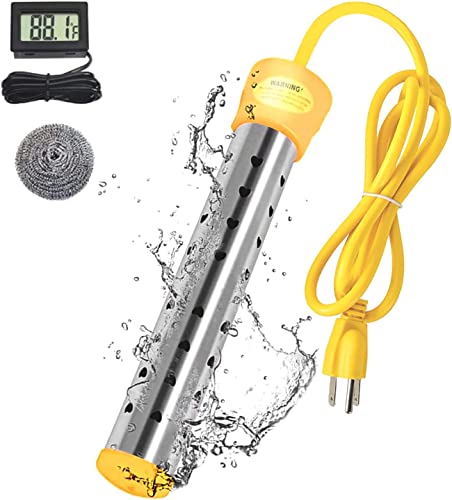
Heat 5 gallons of water in minutes with this 1500W immersion heater. It features a stainless steel cover for safety and intelligent temperature control with automatic shut-off at 165°F.
Heat pumps feature simpler mechanical designs compared to gas heaters with their complex combustion systems. You’ll find just a compressor, fan, and basic controls instead of multiple valves, ignitors, and gas components that frequently malfunction. This streamlined construction translates to fewer breakdowns and lower repair costs over your heat pump’s 10-15 year lifespan.
Self-Diagnostic Systems for Easy Troubleshooting
Modern heat pumps include built-in diagnostic capabilities that identify issues before they become major problems. Digital displays show error codes that pinpoint specific malfunctions like low refrigerant or dirty filters. You can often resolve minor issues yourself using the manufacturer’s troubleshooting guide, eliminating service calls for simple fixes.
Minimal Professional Service Intervals
Annual professional maintenance typically covers your heat pump’s service requirements completely. Technicians check refrigerant levels, clean coils, and inspect electrical connections during these visits. Between services, you’ll only need to rinse the outdoor unit monthly and replace filters seasonally – tasks that take minutes rather than hours.
Consistent and Reliable Water Temperature Control
Pool heat pumps excel at maintaining your desired water temperature with remarkable precision. Unlike gas heaters that create temperature swings, heat pumps deliver steady warmth that transforms your swimming experience.
Precise Thermostat Settings for Optimal Comfort
Advanced digital thermostats allow you to set your pool temperature within 1-2 degrees of your target. Modern heat pump systems maintain temperatures between 78-84°F with exceptional accuracy. You’ll experience consistent comfort whether you’re swimming laps at dawn or enjoying an evening dip with family.
Steady Heat Output Regardless of Weather Fluctuations
Heat pumps deliver consistent performance even when ambient temperatures drop to 45°F. Your pool stays warm during cool mornings and chilly evenings when traditional heaters struggle. This reliability means you won’t face unexpected cold water surprises during shoulder seasons.
Automated Temperature Maintenance Systems
Smart controls automatically adjust heat output based on your pool’s thermal needs throughout the day. These systems monitor water temperature continuously and increase heating during cooler periods. You’ll enjoy perfectly heated water without manual adjustments or constant monitoring of your pool’s warmth.
Long-Lasting Durability With Extended Lifespan
Pool heat pumps deliver exceptional longevity that outperforms traditional heating systems by years. You’ll enjoy reliable performance decade after decade with proper care.
Weather-Resistant Construction Materials
Weather-resistant materials ensure your heat pump withstands harsh outdoor conditions year-round. Premium units feature titanium heat exchangers, powder-coated steel cabinets, and corrosion-resistant components that resist salt air, UV rays, and temperature extremes. These durable materials maintain structural integrity through countless freeze-thaw cycles and seasonal weather changes.
Expected Lifespan of 10-15 Years
Quality pool heat pumps typically last 10-15 years with regular maintenance, significantly outpacing gas heaters. You’ll experience consistent performance throughout this extended lifespan, with many units operating effectively beyond 15 years. Professional installation and annual tune-ups maximize longevity, ensuring your investment pays dividends for over a decade of comfortable swimming.
Lower Replacement Frequency Compared to Gas Heaters
Heat pumps require replacement every 10-15 years while gas heaters need replacement every 5-8 years. You’ll reduce long-term costs by avoiding frequent equipment purchases and installation fees. Gas heaters’ combustion components wear faster due to extreme heat cycles, while heat pumps operate at moderate temperatures that preserve critical components longer.
Quiet Operation That Won’t Disturb Your Peace
Unlike noisy gas heaters that sound like jet engines firing up, modern pool heat pumps operate with whisper-quiet efficiency that won’t wake your neighbors or disrupt your backyard tranquility.
Advanced Sound-Dampening Technology
Modern heat pumps incorporate advanced sound-dampening technology that reduces operational noise to just 45-55 decibels. Insulated compressor compartments and variable-speed fans automatically adjust their operation based on heating demands. You’ll barely notice the unit running, even when standing directly beside it during peak heating cycles.
Minimal Noise Pollution for Neighbors
Pool heat pumps generate significantly less noise pollution than traditional heating systems, operating at sound levels comparable to a quiet conversation. Most units produce noise levels below 50 decibels at 10 feet away, well within residential noise ordinances. Your neighbors won’t even know you’re heating your pool, maintaining peaceful relationships in your community.
Peaceful Pool Environment for Relaxation
Quiet heat pump operation preserves the serene atmosphere you want around your pool area. You can enjoy peaceful morning swims, evening relaxation sessions, and late-night pool parties without mechanical noise disrupting the ambiance. The gentle hum of a heat pump blends seamlessly with natural outdoor sounds, creating the perfect backdrop for poolside meditation or intimate gatherings.
Conclusion
Pool heat pumps represent a smart investment that delivers both immediate and long-term benefits for your swimming experience. You’ll enjoy substantial cost savings while contributing to environmental sustainability through reduced emissions and energy consumption.
The combination of reliable performance quiet operation and minimal maintenance requirements makes heat pumps an ideal solution for modern pool owners. You can count on consistent water temperatures throughout extended swimming seasons without the hassle of frequent repairs or high operational costs.
When you choose a pool heat pump you’re investing in technology that pays for itself through energy savings extended pool usage and increased property value. Your pool becomes a year-round asset that enhances your lifestyle while supporting your commitment to eco-friendly practices.
Frequently Asked Questions
What is a pool heat pump and how does it work?
A pool heat pump is an energy-efficient heating system that extracts warmth from surrounding air and transfers it to pool water. Unlike gas heaters that burn fuel, heat pumps use minimal electricity to capture and amplify ambient heat, making them significantly more efficient and environmentally friendly for pool heating.
How much money can I save with a pool heat pump?
Pool heat pumps can save you 50-80% on heating costs compared to gas heaters. With high Coefficient of Performance (COP) ratings between 4.0-6.0, they produce 4-6 units of heat for every unit of electricity consumed, dramatically reducing monthly energy bills while avoiding fluctuating fuel prices.
Can pool heat pumps work in cold weather?
Yes, pool heat pumps can effectively heat pools even when ambient air temperatures drop to 45-50°F. They maintain water temperatures within 2-3 degrees of your desired setting, allowing comfortable swimming in 78-82°F water during cooler months and extending your swimming season by 3-4 months.
Are pool heat pumps environmentally friendly?
Pool heat pumps are highly eco-friendly, reducing pool emissions by up to 75% compared to gas heating systems. They produce zero direct emissions during operation, eliminate fossil fuel consumption, and contribute to cleaner air quality while supporting sustainable pool maintenance practices through stable water temperatures.
How much maintenance do pool heat pumps require?
Pool heat pumps require minimal maintenance with simple mechanical designs and fewer moving parts than gas heaters. Annual professional service typically covers all requirements, while basic homeowner tasks include rinsing the outdoor unit and replacing filters. Modern units feature self-diagnostic systems for easy troubleshooting.
How long do pool heat pumps last?
Pool heat pumps typically last 10-15 years with proper maintenance, significantly outlasting gas heaters that need replacement every 5-8 years. Weather-resistant construction materials like titanium heat exchangers and corrosion-resistant components ensure durability against harsh outdoor conditions, reducing long-term replacement costs.
Are pool heat pumps noisy?
Modern pool heat pumps operate very quietly at 45-55 decibels, comparable to a quiet conversation. Advanced sound-dampening technology minimizes noise pollution, preserving a peaceful pool environment for relaxation without disturbing neighbors, making them ideal for residential installations.
How precise is temperature control with pool heat pumps?
Pool heat pumps offer exceptional temperature control, maintaining water temperatures within 1-2 degrees of your target setting using advanced digital thermostats. Smart controls automatically adjust heating based on thermal needs, providing steady heat output and consistent comfort without manual adjustments or temperature swings.