
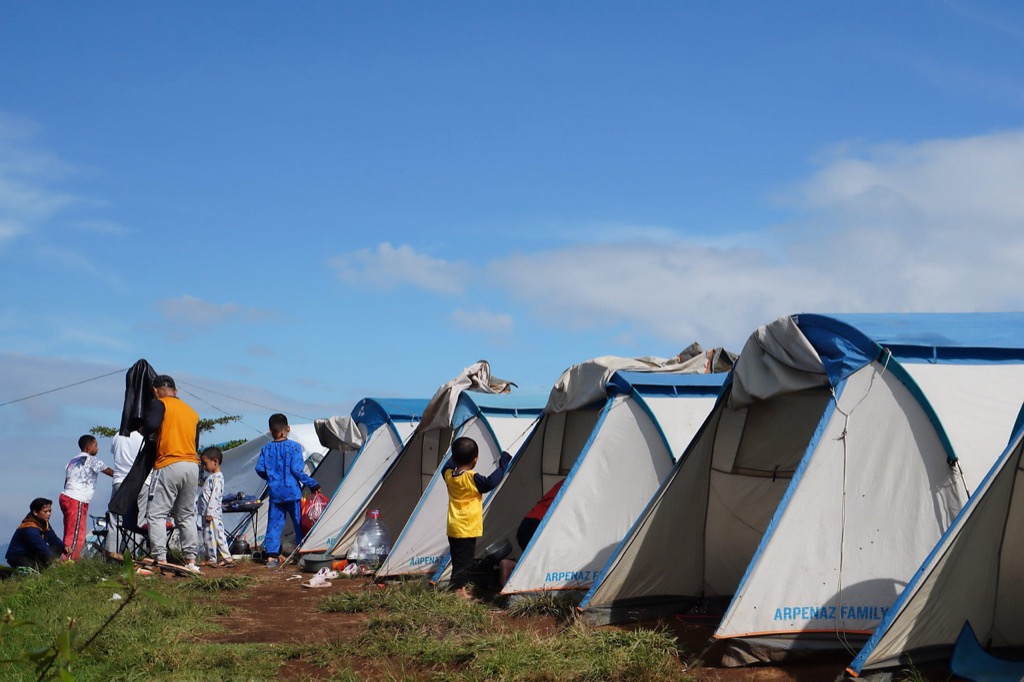
Secret Local Tips for Choosing the Best Beach Camping Spot
Discover 7 essential tips for choosing the perfect beach camping spot. Learn about permits, safety, amenities, terrain, and crowd levels for an unforgettable coastal adventure.
Beach camping offers one of the most rewarding outdoor experiences you can have — but picking the wrong spot can turn your dream getaway into a nightmare of crowded shores, strict regulations, and sleepless nights.
The bottom line: Not all beaches allow camping, and those that do come with vastly different rules, amenities, and conditions that can make or break your trip.
Why it matters: Choosing the right beach camping destination requires research beyond just pretty photos — you’ll need to consider everything from permit requirements and weather patterns to wildlife activity and nearby facilities before you pack your tent.
Disclosure: As an Amazon Associate, this site earns from qualifying purchases. Thank you!
Research Beach Camping Regulations and Permits
Beach camping laws vary dramatically between jurisdictions, and what’s legal at one location might land you with hefty fines just miles down the coast. You’ll need to dig into specific regulations before you pack your gear.
Check Local and State Camping Laws
State parks often have different rules than county beaches, and municipal areas add another layer of complexity. Some beaches allow overnight camping only in designated zones, while others prohibit it entirely. Contact park services directly rather than relying on outdated websites – regulations change frequently based on environmental concerns and seasonal wildlife patterns.
Obtain Required Permits in Advance
Popular beach camping spots require reservations months ahead, especially during peak seasons. Reserve your permits as soon as booking windows open – typically 6 months in advance for state parks. Many locations use online reservation systems that crash during high-demand periods, so have backup dates ready and be prepared to book immediately when systems go live.
Understand Fire Restrictions and Wildlife Protections
Fire bans extend beyond obvious dry seasons – coastal areas often restrict fires during bird nesting periods or when endangered species are active. Sea turtle nesting seasons typically run May through October, creating strict lighting and noise restrictions. Check current wildlife activity reports, as temporary closures can happen with little notice when protected species are spotted in camping areas.
Evaluate Beach Accessibility and Parking Options
Getting your gear to the perfect camping spot requires careful planning of your approach route. Many beautiful beaches hide accessibility challenges that can turn your relaxing getaway into a logistical nightmare.
Consider Vehicle Access to Camping Areas
Beach camping accessibility varies dramatically from paved access roads to 4WD-only sand tracks. Some coastal campgrounds like Assateague Island require high-clearance vehicles for backcountry sites, while others offer standard vehicle access to designated areas.
Check ground conditions and seasonal restrictions before departure. Sand-based access roads become impassable during wet weather, and many beaches close vehicle access during nesting seasons.
Assess Distance from Parking to Campsite
The trek from your car to camp can make or break your trip comfort. Popular spots like Cape Henlopen often require 200-yard walks across soft sand, while remote beaches may demand mile-long hikes with full gear.
Factor in multiple trips for water, food, and camping equipment. Consider wheeled coolers or beach wagons for longer distances, and remember that sand walking doubles your energy expenditure compared to solid ground.
Review Public Transportation Alternatives
Coastal areas with reliable public transit open camping possibilities for car-free adventurers. Ferry services to islands like Martha’s Vineyard or Catalina provide gear-friendly transport to unique camping destinations.
Research seasonal schedule changes and baggage restrictions early. Many coastal shuttles and water taxis reduce service during off-peak months, potentially stranding you with limited departure options.
Assess Beach Safety and Water Conditions
Water conditions can make or break your beach camping experience. Understanding local patterns and hazards helps you prepare for safe, enjoyable nights by the shore.
Research Local Weather Patterns and Seasonal Hazards
Coastal weather changes fast and dramatically impacts camping comfort. Check historical weather data for your target dates, focusing on wind patterns, precipitation, and temperature swings that can turn pleasant evenings into miserable nights.
Storm seasons bring unique challenges depending on your location. Hurricane season along the Atlantic and Gulf coasts runs June through November, while Pacific storms typically peak in winter months.
Check Tide Schedules and Water Temperature
Tide timing affects everything from setup location to nighttime safety. High tides can flood low-lying campsites, while extreme low tides may expose sharp rocks or create treacherous walking conditions after dark.
Water temperature influences both safety and comfort for swimming or emergency situations. Cold water below 60°F significantly increases hypothermia risk, while warmer waters above 80°F often indicate increased marine life activity.
Identify Potential Risks Like Riptides and Marine Life
Riptides pose the biggest drowning threat at most beaches, often invisible from shore. Look for channels of churning water, lines of foam moving seaward, or areas where waves don’t break normally – these indicate dangerous currents.
Marine life risks vary by region and season. Jellyfish blooms peak in summer months, while shark activity increases near fishing areas and seal colonies. Research recent wildlife reports and local ranger warnings before finalizing your campsite choice.
Consider Available Amenities and Facilities
The amenities at your chosen beach camping spot will determine how comfortable and convenient your trip becomes. Modern facilities can transform a challenging wilderness experience into a relaxing getaway.
Evaluate Restroom and Shower Availability
Restroom access varies dramatically between beach camping locations. Developed campgrounds typically offer flush toilets and hot showers, while primitive sites may only provide vault toilets or require you to bring portable options.
Check operating hours and seasonal closures before your trip. Some facilities shut down during off-peak months or limit access to certain times.
Check for Potable Water Sources
Fresh water availability determines how much you’ll need to carry and store. Established campgrounds usually provide spigots or water stations, but remote beaches often require you to bring all drinking water.
Call ahead to confirm water quality and pressure. Some beach locations experience low water pressure or temporary shutoffs during peak usage periods.
Look for Nearby Grocery Stores and Emergency Services
Proximity to supplies and medical help affects both convenience and safety planning. Research the nearest grocery stores, pharmacies, and urgent care facilities before setting up camp.
Coastal communities often have limited services during off-season months. Summer resort areas may offer full amenities, while the same locations become service deserts in winter.
Analyze Beach Terrain and Campsite Setup Options
Your campsite’s foundation determines whether you’ll sleep soundly or spend the night fighting your tent setup.
Choose Between Sandy Beaches and Rocky Coastlines
Sandy beaches offer easier tent staking but require specialized sand stakes and guy-line adjustments for shifting ground. Rocky coastlines provide wind protection and stable surfaces but limit tent placement options and require rock-compatible stakes. You’ll find sandy areas heat up faster during summer days while rocky zones offer natural cooling and tide pool exploration opportunities.
Assess Wind Exposure and Natural Windbreaks
Coastal winds intensify overnight and can destroy improperly positioned tents within hours. Look for natural windbreaks like dunes, vegetation, or rock formations that block prevailing winds without creating dangerous downdrafts. You’ll want to position your tent’s narrow end toward the wind source and avoid camping in wind tunnels between rocks or structures.
Consider Elevation and Drainage for Tent Placement
Higher ground keeps you dry during unexpected rain and provides better airflow for tent ventilation. Avoid camping in depressions where rainwater collects or areas below the high-tide line that flood during storm surges. You’ll need at least 20 feet of elevation above high-tide marks and should test ground firmness by walking the area before setup.
Review Crowd Levels and Privacy Preferences
Understanding beach crowds can make or break your camping experience. Your preference for solitude versus social interaction should guide your beach selection process.
Research Peak Season Visitor Patterns
Summer weekends bring the heaviest crowds to most beach camping areas. Check local tourism boards for visitor statistics and seasonal patterns. Memorial Day through Labor Day typically sees 3-4 times more campers than shoulder seasons. Plan your trip during weekdays or off-peak months for fewer crowds.
Identify Secluded Areas for Quiet Camping
Remote beach camping spots often require longer hikes or 4WD access. Look for campgrounds with dispersed camping options rather than designated sites clustered together. State parks frequently offer backcountry beach camping with 100+ yard spacing between sites. Research lesser-known beaches through local ranger stations.
Balance Social Atmosphere with Personal Space
Group campgrounds offer community vibes while primitive sites provide isolation. Consider your camping style – families often prefer developed areas with nearby campers for safety and socializing. Solo campers typically choose remote spots with natural barriers like dunes or vegetation between sites for privacy.
Plan for Weather Protection and Emergency Preparedness
Beach weather shifts faster than most campers expect. Coastal environments demand proactive preparation for rapidly changing conditions and potential emergencies.
Prepare for Sudden Weather Changes and Storms
Monitor weather forecasts continuously during your beach camping trip, checking updates every 6-8 hours. Coastal weather systems move quickly, and conditions can deteriorate within hours of seemingly clear skies.
Pack a weather radio with NOAA alerts to receive storm warnings when cell service fails. Keep emergency shelter materials like tarps and extra rope accessible for rapid deployment during unexpected squalls.
Pack Appropriate Gear for Coastal Conditions
Select corrosion-resistant equipment specifically rated for saltwater environments, including tent stakes, zippers, and cooking gear. Standard camping equipment degrades rapidly in coastal conditions.
Bring extra waterproof storage bags to protect electronics and dry clothing from salt spray and humidity. Pack backup lighting systems since coastal winds frequently extinguish traditional camping lanterns and candles.
Establish Emergency Communication and Evacuation Plans
Identify multiple evacuation routes before setting up camp, including primary roads and alternative paths in case flooding blocks main access points. Share your location and timeline with trusted contacts who can alert authorities if needed.
Test cell phone coverage at your campsite and locate the nearest areas with reliable signal. Keep a satellite communicator or emergency beacon for remote locations where cellular service is unreliable.
Conclusion
Your perfect beach camping adventure starts with smart location selection. By following these seven essential tips you’ll transform what could be a stressful experience into an unforgettable getaway.
Remember that successful beach camping isn’t just about finding sand and surf—it’s about matching your camping style with the right environment. Whether you prioritize solitude privacy amenities or accessibility each beach offers unique advantages.
Take time to research thoroughly before you pack your bags. The extra effort you put into planning will pay dividends when you’re watching the sunset from your perfectly positioned campsite. Your ideal beach camping spot is out there waiting for you to discover it.
Frequently Asked Questions
Do all beaches allow camping?
No, not all beaches permit camping. Beach camping regulations vary significantly between locations, with some beaches prohibiting overnight camping entirely. Always research local and state camping laws before planning your trip, as rules can differ dramatically between jurisdictions. Many beaches that do allow camping require advance permits and have specific designated areas for overnight stays.
What permits do I need for beach camping?
Permit requirements vary by location and can include state park passes, camping permits, or special beach access permits. Popular destinations often require reservations well in advance, especially during peak seasons. Contact local park services or beach authorities to understand specific requirements and obtain necessary permits before your trip to avoid disappointment.
How do I assess beach safety before camping?
Research local weather patterns, tide schedules, and seasonal hazards like storm seasons. Check for marine life activity such as jellyfish blooms or shark presence. Understand water conditions including riptides and temperature changes. Monitor weather forecasts frequently and identify potential evacuation routes. Always inform someone of your camping plans and expected return date.
What should I consider for beach campsite setup?
Choose higher ground to avoid flooding during high tides and storms. Sandy beaches are easier for tent staking but require special sand stakes. Look for natural windbreaks to protect from coastal winds. Avoid low-lying areas that may collect water and position your tent to minimize wind exposure while ensuring proper ventilation.
What amenities are typically available at beach campgrounds?
Developed beach campgrounds often offer flush toilets, hot showers, and potable water sources. Primitive sites may have limited facilities or composting toilets only. Check operating hours and seasonal closures of facilities. Research nearby grocery stores and emergency services, as proximity to supplies and medical help affects convenience and safety during your stay.
How do I transport gear to beach campsites?
Beach accessibility varies from paved roads to 4WD-only tracks. Some locations require high-clearance vehicles or long walks across soft sand. Consider wheeled coolers or beach wagons for easier gear transport. Check ground conditions and seasonal restrictions, as wet weather can make access roads impassable. Plan your packing strategy based on distance from parking.
When is the best time for beach camping to avoid crowds?
Summer weekends typically see the heaviest crowds. Plan trips during weekdays or off-peak months for fewer visitors. Spring and fall often offer pleasant weather with reduced crowds. Research peak season patterns for your specific destination and consider visiting during shoulder seasons for a balance of good weather and privacy.
How do I prepare for weather changes while beach camping?
Pack corrosion-resistant gear and waterproof storage for electronics and clothing. Keep emergency shelter materials easily accessible. Monitor weather forecasts frequently and have multiple evacuation routes planned. Test cell phone coverage and consider backup communication devices. Prepare for rapid weather changes common in coastal environments.

