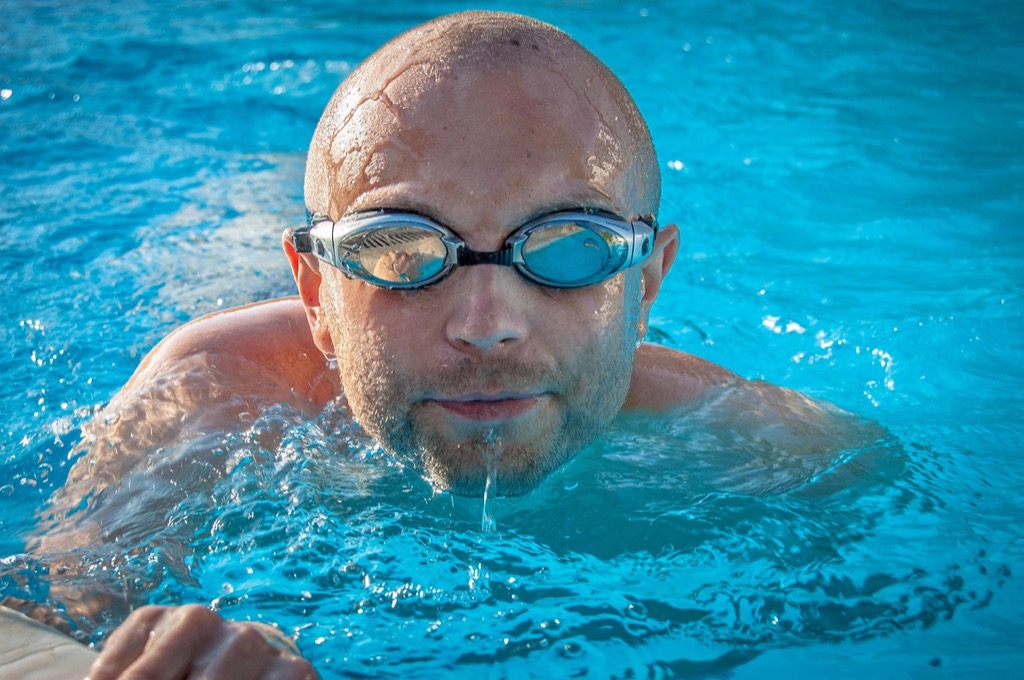
7 How to Enjoy a Swim Despite Forgotten Equipment Tips That Save Any Day
Don’t let forgotten swim gear ruin your pool day! Discover 7 clever tips to enjoy swimming without goggles, towels, or equipment. Smart solutions & DIY hacks included.
Why it matters: You’ve arrived at the pool or beach ready for a refreshing swim only to realize you’ve forgotten your goggles, towel, or other essential gear.
The big picture: Missing equipment doesn’t have to ruin your aquatic adventure when you know the right workarounds and creative solutions.
What’s next: These seven practical tips will help you make the most of your swim time even when you’re unprepared and ensure you still get that satisfying workout or relaxation you were craving.
Disclosure: As an Amazon Associate, this site earns from qualifying purchases. Thank you!
Assess What Swimming Essentials You Actually Have Available
Before you panic about missing gear, take inventory of what you’ve got with you. Most swimmers underestimate how much they can work with when they get creative.
Check Your Clothing for Makeshift Swimwear Options
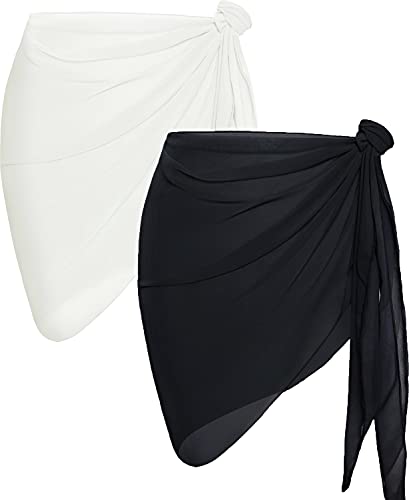
This two-piece sarong set offers versatile beach style. Use the lightweight, quick-drying chiffon wraps as swimsuit cover-ups, skirts, or scarves to create your perfect summer look.
Your regular clothes might work better than you think for an impromptu swim. Cotton t-shirts and shorts provide decent coverage and mobility in water, though they’ll feel heavy when wet.
Athletic wear like yoga pants or running shorts often performs surprisingly well as swimwear. Avoid jeans or heavy fabrics that restrict movement and take forever to dry.
Evaluate Natural Swimming Conditions and Safety
Natural water bodies offer unique advantages when you’re swimming without proper gear. Lakes and calm ocean areas provide buoyancy support that makes swimming easier without goggles or flotation devices.
Check water clarity, current strength, and entry/exit points before getting in. Clear, shallow areas with sandy bottoms are ideal when you can’t see underwater clearly without goggles.
Borrow or Rent Equipment From Nearby Sources
Fellow swimmers often carry extra gear and happily share when asked politely. Local shops and vendors typically offer quick rental solutions near popular swimming spots.
Ask Fellow Swimmers or Beachgoers for Temporary Loans
Approach friendly families or regular swimmers who’ve set up nearby with extra equipment visible. Most experienced swimmers pack backup goggles, spare towels, or additional flotation devices they’ll gladly lend for a swim session. Offer your contact information or a small gesture of appreciation like buying them a drink afterward.
Locate Rental Shops or Beach Equipment Vendors
Check boardwalks, beach entrances, and pool complexes for equipment rental stands that stock goggles, towels, and basic swim gear. Many beach towns and resort areas offer hourly or daily rental options for $5-15 per item. Ask lifeguards or facility staff about nearby vendors if you don’t spot rental operations immediately.
Adapt Your Swimming Style to Work Without Goggles
Swimming without goggles doesn’t mean you’re stuck doing basic doggy paddle. You can maintain an effective workout by adjusting your technique and approach.
Practice Breathing Techniques for Clear Vision
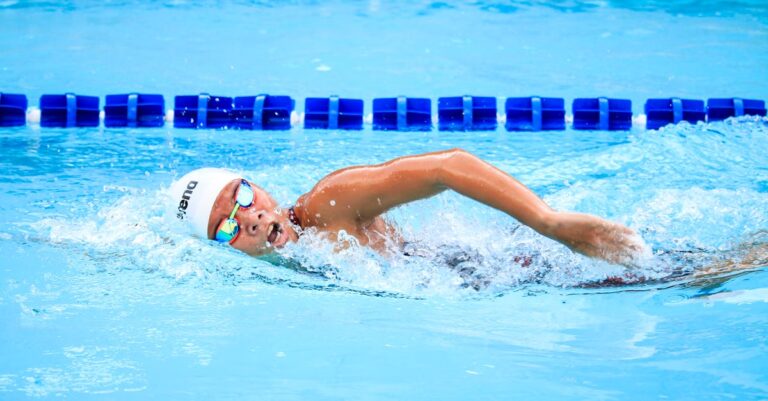
Bilateral breathing becomes your best friend when swimming goggle-free. Turn your head completely to the side during freestyle strokes to keep water out of your eyes while inhaling.
Practice rhythmic breathing patterns like breathing every third stroke. This technique reduces the time your face spends underwater and gives your eyes regular breaks from chlorine or salt water irritation.
Use Underwater Swimming Methods That Don’t Require Sight
Backstroke works perfectly without goggles since your face stays above water throughout the stroke. You’ll maintain speed and form while keeping your eyes completely dry.
Elementary backstroke offers another excellent option for longer distances. This stroke keeps you comfortable on your back while providing a solid workout through arm and leg coordination movements.
Create DIY Solutions From Items You Do Have
Your everyday items can become surprisingly effective swimming aids with a little creativity. Most swimmers carry potential solutions without realizing their gear’s alternate uses.
Fashion Temporary Eye Protection From Available Materials
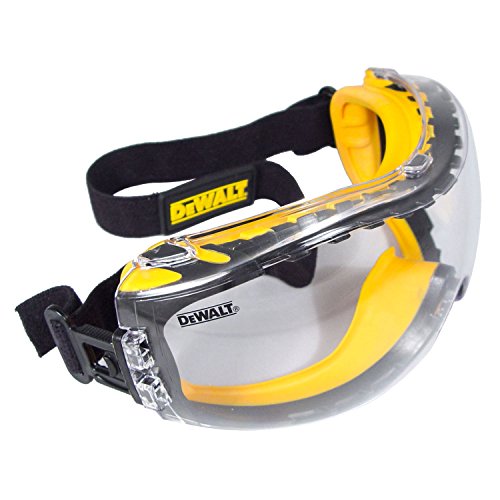
Get reliable eye protection with the DEWALT Concealer Safety Goggle. Its anti-fog, scratch-resistant lens and comfortable dual-mold design shield against dust and debris.
Sunglasses work better underwater than you’d expect, especially polarized ones that reduce glare from pool lights. Wrap a hair tie or shoelace around the temples to keep them secure during gentle swimming.
Clear plastic water bottles make excellent makeshift goggles when cut carefully. Create eye holes and use elastic bands or strips of fabric to secure them around your head.
Use Clothing Items as Makeshift Swimming Aids
Help your child learn to swim with this adjustable swim float belt. It provides buoyancy and balance with removable layers and a secure double-buckle design for ages 2-8 (20-50 lbs).

Your t-shirt becomes an instant flotation aid when tied at the bottom and filled with air. This technique works particularly well for treading water or providing extra buoyancy during rest breaks.
Empty water bottles tucked into your waistband or tied to your shorts create improvised flotation devices. Use your belt or drawstrings to secure bottles at your sides for added stability during longer swims.
Focus on Water Activities That Don’t Require Special Gear
Water offers countless opportunities for enjoyment without fancy equipment. You’ll discover that some of the most relaxing and effective water activities require nothing more than your body and the water itself.
Enjoy Floating and Relaxation Techniques
Floating transforms your swim into a meditation session without needing any gear. You can practice the starfish float on your back, letting the water support your entire body while you breathe deeply and relax. The dead man’s float face-down works perfectly for brief relaxation periods, and gentle sculling motions with your hands help you maintain position in the water.
Try Water Walking and Low-Impact Exercises
Water walking provides an excellent full-body workout while keeping your head completely dry. You can march in place, do high knees, or walk sideways across the shallow end for cardio benefits. Arm circles, leg swings, and gentle stretching exercises work wonderfully in chest-deep water, giving you resistance training without impact on your joints.
Embrace the Minimalist Swimming Experience
Swimming without your usual gear strips away distractions and connects you directly with the water. This simplified approach often reveals aspects of swimming you’ve overlooked when focused on equipment.
Appreciate the Natural Feel of Unencumbered Swimming
You’ll notice water temperature changes more acutely without goggles or caps blocking your senses. Your body develops better spatial awareness as you rely on touch and balance rather than clear vision.
The water’s natural buoyancy becomes more apparent when you’re not weighed down by gear. This heightened sensitivity helps you understand how your body naturally moves through water.
Use This Opportunity to Improve Your Basic Swimming Skills
Focus on perfecting your breathing rhythm since you can’t rely on goggles for timing. This forces you to develop more consistent stroke patterns and breath control.
Work on your body positioning and balance without visual cues from the pool bottom. These fundamental skills often improve faster when you’re swimming by feel rather than sight.
Learn From This Experience to Prevent Future Equipment Mishaps
Transform today’s forgotten equipment scenario into tomorrow’s perfectly prepared swim sessions. Smart swimmers develop systems that prevent these situations from happening again.
Create a Pre-Swim Checklist for Future Trips
Develop a visual checklist that you’ll actually use before leaving home. Stick it on your bathroom mirror or phone case – somewhere you can’t miss it.
Your checklist should include goggles, towel, sunscreen, and water bottle as non-negotiables. Add specific items based on your swimming location, like flip-flops for pool decks or rash guards for beach sessions.
Keep Backup Swimming Essentials in Your Car or Bag
Store emergency swim gear in places you frequently visit. Your car’s trunk should house backup goggles, a quick-dry towel, and basic sunscreen year-round.
Keep a second set in your work bag or gym locker if you swim regularly. Include disposable items like cheap goggles and travel-size toiletries that won’t break your budget if lost.
Conclusion
Swimming without your usual gear doesn’t have to derail your aquatic plans. You’ve now got seven solid strategies to turn a potentially frustrating situation into an opportunity for creative problem-solving and maybe even a more mindful swimming experience.
Remember that your best swim might be the one where you had to think outside the box. Whether you’re borrowing equipment from friendly fellow swimmers or discovering the meditative qualities of a simple float you’ll often find these unplanned moments become memorable highlights.
The key is staying flexible and keeping safety as your top priority. With these tips in your back pocket you’re prepared to make the most of any swimming opportunity that comes your wayâgear or no gear.
Frequently Asked Questions
What should I do if I forget my swimming goggles?
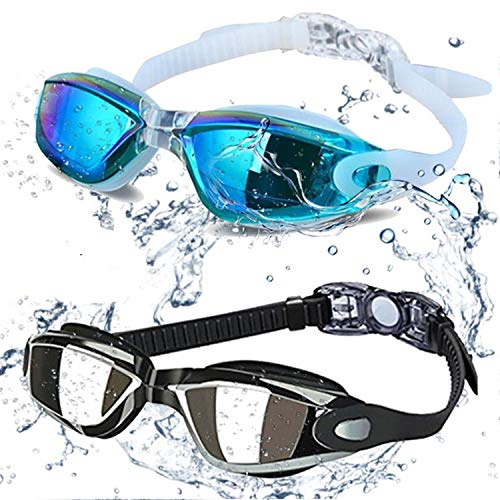
You can still swim effectively without goggles by adapting your technique. Try bilateral breathing to keep water out of your eyes, focus on backstroke which keeps your face above water, or use sunglasses as temporary eye protection. Clear, shallow water areas are ideal for swimming without proper eyewear.
Can I swim in regular clothes if I forget my swimsuit?
This one-piece swimsuit features a flattering cutout design and adjustable tie back for a perfect fit. Tummy control and a high-cut leg create a slimming silhouette, ideal for beach vacations and poolside lounging.

Yes, regular clothes can work as makeshift swimwear. Cotton t-shirts and shorts are suitable for casual swimming, while athletic wear often performs surprisingly well in water. Just ensure the clothing allows for comfortable movement and won’t become too heavy when wet.
How can I find replacement swimming gear quickly?
Enjoy comfortable and secure swimming with these soft silicone earplugs. Their anti-slip design ensures they stay in place, while the reusable material and included cases provide convenience for various water activities.

Check for nearby rental shops at beach entrances, boardwalks, or pool complexes that offer affordable hourly rentals. You can also ask fellow swimmers for temporary equipment loans – many carry extra gear and are willing to help. Consider offering a small gesture of appreciation in return.
What swimming techniques work best without goggles?
Focus on strokes that keep your face above water, such as backstroke and elementary backstroke. Use rhythmic breathing patterns to minimize eye irritation, and practice bilateral breathing techniques. These methods allow you to maintain an effective workout while protecting your eyes from chlorine or salt water.
Can I make DIY swimming aids from everyday items?
Yes, you can create makeshift equipment using common items. Turn empty plastic water bottles into flotation devices, use a t-shirt as a flotation aid, or repurpose clear plastic bottles as temporary goggles. Polarized sunglasses can also serve as basic eye protection while swimming.
What water activities don’t require special equipment?
Try floating exercises like starfish float or dead man’s float for relaxation. Water walking provides excellent low-impact exercise while keeping your head dry. You can also do marching in place, high knees, and gentle stretching in chest-deep water for a full-body workout.
How can I prevent forgetting swimming gear in the future?
Create a visual pre-swim checklist including essentials like goggles, towel, sunscreen, and water bottle. Keep it in a visible location and store backup swimming gear in frequently accessed places like your car trunk or work bag for spontaneous swim sessions.