7 Ways to Incorporate Safety Into Swim Lessons That Every Parent Should Know
Discover 7 essential strategies to make swim lessons safer! Learn proper supervision, emergency protocols, safety equipment use, and confidence-building techniques for lifelong water safety.
The big picture: Teaching children to swim isn’t just about strokes and kicks — it’s about building lifelong water safety habits that could save their lives.
Why it matters: Drowning remains a leading cause of accidental death for children ages 1-4, making proper safety integration during swim lessons absolutely critical for instructors and parents alike.
What’s ahead: We’ll explore seven proven strategies that transform ordinary swim lessons into comprehensive safety experiences, ensuring your students develop both swimming skills and crucial water awareness simultaneously.
Disclosure: As an Amazon Associate, this site earns from qualifying purchases. Thank you!
Establish Clear Pool Rules and Boundaries From Day One
Setting firm expectations from the first lesson creates a foundation of respect for water environments. You’ll prevent confusion and establish safety habits that stick with swimmers throughout their lives.
Define Safe Swimming Areas
Mark designated swimming zones clearly with visual boundaries like lane ropes or floating markers. You should establish shallow-end limits for beginners and deep-end restrictions based on skill levels.
Create a safer pool environment with the FibroPool safety rope. This 50-foot adjustable rope features integrated floats and stainless steel hooks to easily divide pool areas.


Point out specific areas where different activities occur – kickboard practice zones, diving areas, and emergency exit points. Your students need clear mental maps of where they’re allowed to swim independently.
Improve your kicking technique with the Sunlite Sports Kickboard. Its ergonomic design and non-slip grip offer comfortable support for effective swim training, whether you're a beginner or seasoned swimmer.

Set Equipment Usage Guidelines
Create specific rules for flotation devices and training equipment before students enter the water. You’ll need protocols for when kickboards stay with swimmers and when they return to designated storage areas.
Establish sharing procedures for pool noodles and other aids to prevent conflicts during lessons. Your equipment rules should include proper handling methods that prevent both damage and safety hazards.
Enjoy effortless floating with the WOW First Class Pool Noodle. Its soft, ribbed foam provides a comfortable, non-slip grip, while the durable, UV-resistant design ensures long-lasting use.

Create Emergency Protocol Awareness
Teach the “freeze and listen” command that stops all activity instantly when you need attention. You should practice this response until it becomes automatic for every student in your program.
Identify emergency exit routes and establish buddy system protocols for older swimmers. Your students must understand whistle signals and know exactly where to gather during safety situations.
Implement Proper Adult Supervision Ratios
Proper supervision ratios form the backbone of safe swim instruction. You’ll need sufficient eyes on every swimmer to prevent accidents and respond quickly to emergencies.
Maintain Industry-Standard Instructor-to-Student Ratios
Follow the 1:6 ratio for beginner swimmers and 1:8 for intermediate students. You should never exceed these limits regardless of pool size or lesson duration.
Younger children require closer supervision with a 1:4 ratio for ages 3-5. Advanced swimmers can handle 1:10 ratios but only with demonstrated water competency.
Position Supervisors for Maximum Pool Coverage
Keep your rectangular Intex pool clean and protected with this durable cover. Designed for 103" x 69" or 120" x 72" pools, it helps prevent debris from entering the water.

Station supervisors at opposite pool corners to eliminate blind spots and overlapping coverage areas. You’ll want one instructor in shallow water and another monitoring the deep end transition zone.
Position additional supervisors on pool deck at midpoint locations. This creates 360-degree visual coverage without leaving any swimmer unobserved for more than 10 seconds.
Establish Clear Communication Signals
Develop standardized hand signals for emergency stops, assistance requests, and lesson transitions. You should practice these signals until they become automatic responses for both instructors and students.
Implement whistle codes with specific meanings: one blast for attention, two for emergency stop, three for evacuation. Verbal commands like “STOP” and “FREEZE” must be universally understood and immediately obeyed.
Teach Water Safety Skills Before Swimming Techniques
Building water safety awareness comes before stroke mechanics. You’ll create confident swimmers who understand water behavior and their own limitations.
Practice Safe Pool Entry and Exit Methods
Teach feet-first entries from pool edges before allowing jumping or diving. Students should master controlled entries using ladders, steps, and shallow-end sits. Practice “reach, turn, kick” exits where swimmers reach for the wall, turn their body, and kick to the edge. These fundamentals prevent panic situations and build muscle memory for emergency exits.
Develop Floating and Treading Water Abilities
Master back floating as your primary survival skill foundation. Students need 30-60 seconds of unsupported back floating before learning formal strokes. Treading water comes next, starting with basic arm and leg movements in chest-deep water. These skills buy crucial time during emergencies and build confidence for deeper water activities.
Master Basic Water Survival Skills
Focus on “survival swimming” techniques that prioritize energy conservation over speed. Teach elementary backstroke and survival float sequences that swimmers can maintain for extended periods. Practice fully-clothed floating exercises and teach students to remove shoes underwater. These real-world skills prepare swimmers for unexpected water situations beyond controlled pool environments.
Use Age-Appropriate Safety Equipment Throughout Lessons
Safety equipment transforms swim lessons from basic skill-building into comprehensive water safety training. The right flotation devices and safety aids build confidence while teaching proper water behavior at every skill level.
Select Proper Flotation Devices for Each Skill Level
Stay safe on the water with this U.S. Coast Guard-approved throwable flotation cushion. Its durable nylon shell and bright red color ensure visibility and reliable performance in emergencies.

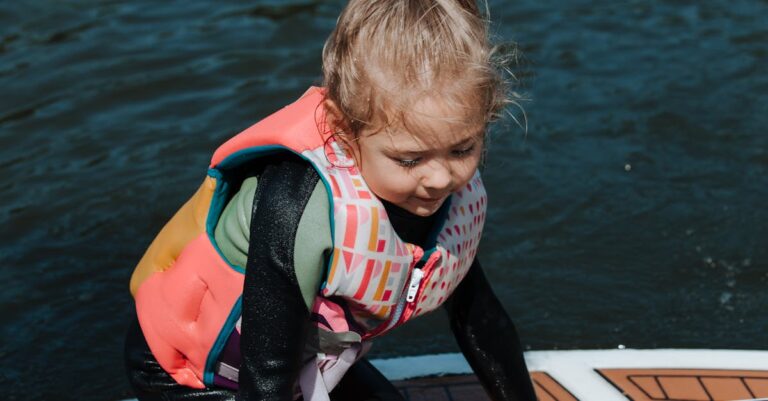
Choose flotation devices that match your students’ current abilities and lesson objectives. Coast Guard-approved life jackets work best for absolute beginners who need maximum buoyancy and security in deep water.
Arm floaties and swim belts suit intermediate swimmers practicing stroke mechanics. These devices provide partial support while allowing natural body positioning. Avoid inflatable toys or pool noodles as primary safety equipment since they’re not designed for reliable flotation.
Build swimming confidence with these inflatable arm floaties! Designed for kids and adults (30-150lbs), they're easy to use and made with durable, non-toxic PVC for safe, comfortable fun.

Introduce Safety Equipment Gradually
Start lessons with full flotation support and reduce assistance as skills develop. Begin with life jackets for water entry and basic movements, then progress to kickboards for stroke practice.
Remove one piece of equipment at a time so students adjust gradually to decreased buoyancy. This method prevents overwhelming young swimmers while building their confidence in the water. Never remove all safety aids simultaneously without ensuring students can maintain proper positioning independently.
Teach Students When and How to Use Safety Aids
Demonstrate proper equipment fitting and explain when each device should be used. Show students how to put on life jackets correctly and check that straps are secure before entering water.
Explain that flotation devices are tools for learning, not permanent solutions for water safety. Teach students to recognize when they need additional support and how to ask for appropriate equipment. This knowledge helps them make smart decisions about water safety throughout their lives.
Create Emergency Response Plans and Practice Drills
Emergency preparation transforms swim lessons from basic skill building into comprehensive safety training. You’ll create muscle memory for crisis situations while building confidence in both students and instructors.
Develop Clear Emergency Action Procedures
Establish specific response protocols for each emergency type you might encounter. Create written procedures for drowning incidents, medical emergencies, and severe weather conditions. Assign clear roles to each instructor and support staff, ensuring everyone knows their exact responsibilities during critical moments. Post emergency contact numbers and maintain updated first aid supplies in designated locations.
Practice Rescue Scenarios Regularly
Schedule monthly emergency drills that simulate real water rescue situations. Practice instructor-to-student rescues, peer assistance techniques, and pool evacuation procedures with your entire team. Time each drill to identify improvement areas and ensure response times meet safety standards. Rotate scenarios between shallow water assists, deep water emergencies, and equipment-based rescues.
Train Students in Basic Water Rescue Awareness
Teach age-appropriate rescue recognition and response skills during every lesson series. Show younger students how to call for help and throw flotation devices to struggling swimmers. Train older students in reach-and-throw rescue techniques while emphasizing they should never enter water to attempt rescues. Practice identifying drowning signs versus normal swimming distress to develop critical observation skills.
Focus on Building Water Confidence Gradually
Building genuine water confidence takes time and patience. You’ll see the best results when you honor each swimmer’s natural progression rather than rushing toward advanced skills.
Start Lessons in Shallow Water Areas
Shallow water creates the foundation for confident swimmers. Begin every lesson in water that reaches your student’s chest or waist level. This depth allows them to stand up easily while still experiencing buoyancy and water movement.
You’ll notice students relax faster when they know they can touch bottom. Start with simple activities like walking across the pool and blowing bubbles at the surface.
Progress at Each Student’s Individual Pace
Every swimmer develops confidence differently. Some students master floating in two lessons while others need six sessions to feel comfortable. Watch for signs of readiness like relaxed breathing and willingness to put their face in water.
Don’t push students into deeper water until they’ve demonstrated comfort at their current level. Moving too quickly often creates setbacks that take weeks to overcome.
Address Water Fears and Anxiety Proactively
Water anxiety is completely normal and manageable with the right approach. Acknowledge fears openly and never dismiss them as silly or unreasonable. Use gradual exposure techniques like starting with wet hands on face before progressing to full submersion.
Create positive associations through games and gentle encouragement. If a student shows significant distress, step back to the previous comfort level and rebuild slowly.
Educate Students About Water Hazards and Risk Assessment
Teaching water hazard recognition transforms swimmers from passive participants into active safety advocates. This knowledge creates the foundation for making smart decisions in any aquatic environment.
Identify Common Swimming Pool Dangers
Pool environments present unique hazards that swimmers must recognize immediately. Slippery deck surfaces cause more injuries than actual water incidents, especially around diving boards and ladder areas.
Teach students to spot dangerous behaviors like running on wet surfaces, diving in shallow areas, and overcrowded swimming spaces. Point out equipment hazards such as loose lane ropes, damaged pool edges, and improperly secured diving boards that create collision risks.
Teach Natural Water Body Safety Awareness
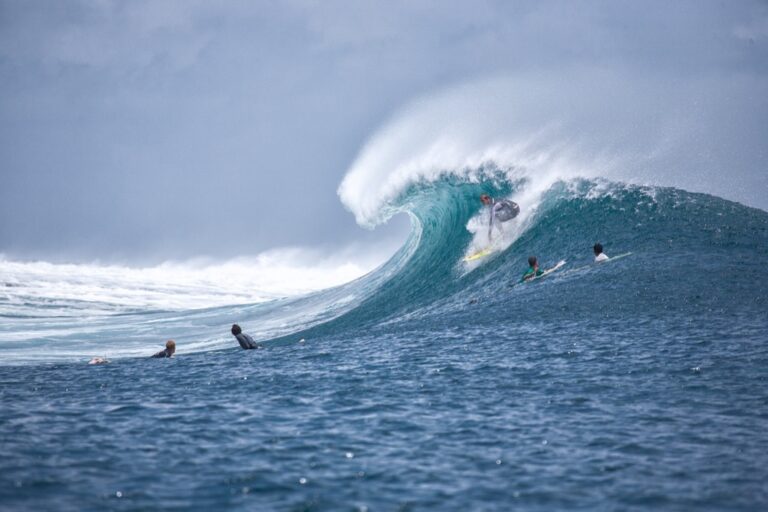
Natural water bodies hide dangers that pools don’t have. Underwater obstacles like rocks, logs, and debris create serious injury risks, while changing currents and drop-offs catch even experienced swimmers off-guard.
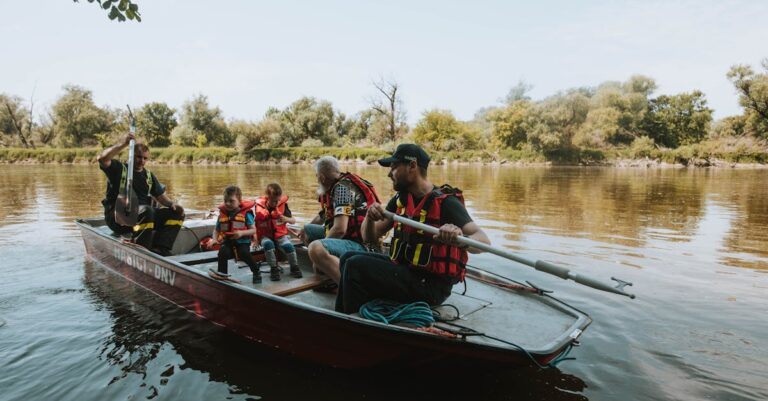
Help students identify warning signs of dangerous conditions: murky water that hides hazards, fast-moving currents near inlets, and areas with no lifeguard supervision. Teach them to recognize hypothermia risks in cold water and understand how natural elements affect their swimming abilities.
Develop Critical Thinking About Water Situations
Smart swimmers constantly evaluate their environment and abilities before entering water. Teach students to ask themselves: “Can I handle this depth and distance?” and “What’s my exit strategy if conditions change?”
Create scenarios where students must assess risks and make decisions about whether to swim. Practice identifying when conditions exceed their skill level, when to seek help, and how environmental factors like weather and fatigue affect their safety margins.
Conclusion
By implementing these seven safety strategies you’ll transform your swim lessons into comprehensive water safety training experiences. Your students won’t just learn to swim—they’ll develop the awareness and skills needed to stay safe in any aquatic environment.
Remember that safety isn’t a one-time lesson but an ongoing process that should be woven into every aspect of your instruction. When you prioritize safety from day one you’re giving your students tools that will protect them for life.
The investment you make in thorough safety training today will pay dividends in creating confident responsible swimmers who can enjoy water activities while making smart decisions about their safety.
Frequently Asked Questions
Why is water safety training important for children learning to swim?
Water safety training is crucial because drowning is a leading cause of accidental death in young children. Teaching safety habits alongside swimming skills creates lifelong protection, helping children understand water behavior, recognize risks, and develop emergency response skills that can prevent accidents in any aquatic environment.
What instructor-to-student ratios are recommended for safe swim lessons?
Industry standards recommend maintaining a 1:6 ratio for beginner swimmers, 1:8 for intermediate students, and 1:4 for younger children. These ratios ensure adequate supervision for accident prevention and emergency response while allowing instructors to provide personalized attention to each student’s safety needs.
Should safety skills be taught before swimming techniques?
Yes, water safety skills should be taught before swimming techniques. This approach helps students understand water behavior, develop respect for aquatic environments, and build confidence in their limitations. Teaching safety first creates a foundation that prevents panic and promotes responsible swimming habits throughout their lives.
What are the most important water survival skills for beginners?
The most critical survival skills include back floating for energy conservation, treading water for staying afloat, and safe pool entry/exit methods. These skills prioritize staying calm and conserving energy, preparing swimmers for unexpected situations and building confidence in various water environments.
How should safety equipment be used in swim lessons?
Safety equipment should be introduced gradually, starting with Coast Guard-approved life jackets for beginners and transitioning to arm floaties or swim belts as skills develop. Students should learn when and how to use these tools properly, understanding they’re learning aids rather than permanent safety solutions.
Why are emergency drills important in swim instruction?
Emergency drills build muscle memory and confidence for both instructors and students. Regular practice of rescue scenarios, emergency procedures, and communication signals ensures quick, effective responses during real emergencies. Students also learn age-appropriate rescue recognition and how to call for help safely.
How can instructors help students overcome water fear and anxiety?
Instructors should acknowledge fears openly, start lessons in shallow water where students can stand comfortably, and use gradual exposure techniques. Progressing at each student’s individual pace while creating positive water associations helps build genuine confidence and reduces anxiety over time.
What water hazards should students learn to identify?
Students should recognize pool dangers like slippery surfaces, shallow diving areas, and unsafe behaviors. For natural water bodies, they need awareness of underwater obstacles, changing currents, and varying depths. Developing critical thinking skills for risk assessment helps them make informed safety decisions in any aquatic environment.