7 How to Understand Chemical Balance in Swimming Pools That Save Money
Master pool chemistry with our complete guide to pH, alkalinity, chlorine & calcium balance. Keep water clear, equipment safe & swimmers comfortable year-round.
Why it matters: Your pool’s chemical balance directly affects swimmer safety and your wallet — imbalanced water can cause skin irritation and costly equipment damage.
The big picture: Understanding pH levels chlorine content and alkalinity isn’t rocket science but it’s essential for crystal-clear water that won’t turn green overnight.
Keep your pool water clean and clear with Clorox Pool&Spa XTRABLUE 3" Chlorinating Tablets. These tablets kill bacteria, prevent algae, and contain conditioners for silky smooth water.

What’s ahead: We’ll break down the key chemical measurements you need to monitor and give you practical steps to maintain perfect water chemistry year-round.
Disclosure: As an Amazon Associate, this site earns from qualifying purchases. Thank you!
Understanding the Basics of Pool Water Chemistry
Pool chemistry isn’t rocket science, but it operates on three fundamental principles that work together like a three-legged stool. Master these core concepts and you’ll prevent most water problems before they start.
The Three Pillars of Chemical Balance
pH levels control how acidic or basic your water is. Target 7.2-7.6 for optimal swimmer comfort and chemical effectiveness. Total alkalinity acts as pH’s stabilizer, preventing wild swings that create cloudy water and equipment damage. Sanitizer levels (usually chlorine at 1-3 ppm) kill bacteria and algae while maintaining crystal-clear water.
Why Chemical Balance Matters for Safety and Comfort
Unbalanced water burns eyes and irritates skin – that’s actually chemical imbalance, not “too much chlorine” like most people think. Improper chemistry also corrodes expensive equipment like heaters, pumps, and pool surfaces. Balanced water feels silky smooth and lets chlorine work efficiently, reducing your chemical costs significantly.
Testing Your Pool Water Regularly
Regular testing forms the foundation of effective pool chemical management. You’ll prevent costly problems and maintain swimmer safety by establishing a consistent testing routine.
Essential Testing Tools and Equipment
Test strips provide quick results for multiple parameters simultaneously, making them ideal for daily monitoring. Digital test kits offer superior accuracy for precise chemical adjustments, especially when dealing with stubborn water balance issues.
Get accurate blood glucose readings quickly with Contour Next test strips. These strips require no coding and feature second-chance sampling, saving you time and money. Compatible with all Contour Next meters.

Liquid drop test kits remain the gold standard for reliable pH and chlorine readings. Professional-grade electronic testers eliminate guesswork but require regular calibration to maintain accuracy.
When and How Often to Test Your Pool
Test your pool water 2-3 times weekly during swimming season, with daily checks during heavy usage periods. Morning testing provides the most accurate baseline readings before sunlight affects chlorine levels.
Weather events demand immediate testing – rainstorms dilute chemicals while hot sunny days accelerate chlorine consumption. You’ll save money by testing before adding chemicals rather than guessing dosages.
Reading and Interpreting Test Results
pH readings between 7.2-7.6 indicate optimal water balance, while readings outside this range require immediate adjustment. Chlorine levels should maintain 1.0-3.0 ppm for effective sanitization without irritation.
Total alkalinity results between 80-120 ppm stabilize pH fluctuations and prevent equipment corrosion. High alkalinity creates cloudy water, while low levels cause pH to swing unpredictably throughout the day.
Maintaining Proper pH Levels
pH directly controls how comfortable your pool feels and how effectively your sanitizer works. Getting this balance right prevents the stinging eyes and skin irritation that many swimmers mistakenly blame on too much chlorine.
Understanding the pH Scale for Swimming Pools
Pool pH operates on a 0-14 scale where 7.0 represents neutral water. Your ideal swimming range sits between 7.2-7.6, which closely matches your body’s natural pH and allows chlorine to sanitize effectively. Water below 7.2 becomes acidic and irritates skin, while water above 7.8 turns basic and causes cloudy conditions that reduce chlorine efficiency.
How to Raise pH When It’s Too Low
Add sodium carbonate (soda ash) to raise low pH levels quickly and effectively. Start with 6 ounces per 10,000 gallons of water, then test after 4-6 hours of circulation. You can also use sodium bicarbonate (baking soda), though it raises alkalinity significantly and works more slowly than soda ash for pH correction.
Arm & Hammer Super Washing Soda cleans and boosts laundry detergent performance for brighter, fresher results. This fragrance-free and phosphate-free formula also tackles tough cleaning jobs on various household surfaces.

How to Lower pH When It’s Too High
Use muriatic acid or sodium bisulfate to bring down high pH readings safely. Add muriatic acid at 1 quart per 10,000 gallons for every 0.2 pH point reduction needed, always pouring into the deep end with your pump running. Sodium bisulfate offers a gentler alternative that’s easier to handle but costs more per treatment.
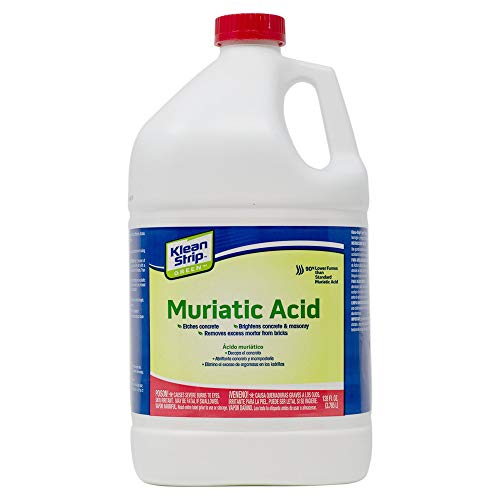
Etch and brighten concrete or masonry with Klean-Strip Green Muriatic Acid. This formula removes excess mortar and produces 90% less fumes than standard muriatic acid.
Managing Total Alkalinity Effectively
Total alkalinity acts as your pool’s pH buffer system, preventing dramatic swings that can turn crystal-clear water into a maintenance nightmare. You’ll want to keep alkalinity levels between 80-120 ppm to maintain stable water chemistry throughout the swimming season.
The Role of Alkalinity in pH Stability
Alkalinity works like a shock absorber for your pool’s pH levels, preventing rapid fluctuations when you add chemicals or swimmers enter the water. When alkalinity drops below 80 ppm, your pH becomes unstable and bounces unpredictably. High alkalinity above 120 ppm locks your pH in place, making adjustments nearly impossible.
Testing and Adjusting Total Alkalinity Levels
Test your pool’s alkalinity weekly using liquid drop test kits for the most accurate readings. Raise low alkalinity by adding sodium bicarbonate (baking soda) at 1.5 pounds per 10,000 gallons to increase levels by 10 ppm. Lower high alkalinity with muriatic acid, but add it slowly in small doses to avoid overshooting your target range.
Common Alkalinity Problems and Solutions
Cloudy water often signals alkalinity issues rather than chlorine problems, especially when pH keeps drifting despite repeated adjustments. Scale buildup on pool surfaces indicates high alkalinity combined with elevated pH levels. Combat these issues by balancing alkalinity first, then fine-tuning pH levels for optimal water clarity and equipment protection.
Controlling Chlorine and Sanitizer Levels
Your pool’s sanitizer system is the backbone of water safety, and understanding how chlorine works will save you from countless headaches and expensive fixes.
Free Chlorine vs. Total Chlorine Explained
Free chlorine actively fights bacteria and algae in your pool water. Total chlorine includes both free chlorine and combined chlorine (chloramines). You need 1.0-3.0 ppm of free chlorine for effective sanitization. When total chlorine exceeds free chlorine by more than 0.5 ppm, you’ll need to shock your pool.
Achieving the Right Sanitizer Balance
Test your free chlorine levels 2-3 times weekly using liquid drop test kits for accuracy. Add chlorine when levels drop below 1.0 ppm, but never exceed 3.0 ppm during regular swimming. Maintain consistent chlorine levels by adding smaller amounts more frequently rather than large doses weekly.
Troubleshooting Chlorine Issues
Cloudy water with proper chlorine readings indicates pH imbalance or filtration problems. Strong chlorine smell means chloramines are present – shock your pool immediately. If chlorine levels drop rapidly, check for algae growth, heavy bather loads, or cyanuric acid levels above 50 ppm that reduce chlorine effectiveness.
Understanding Calcium Hardness
Calcium hardness represents the fourth pillar of pool chemistry that many pool owners overlook until problems arise. You’ll need to maintain calcium levels between 150-300 ppm to protect your equipment and prevent water quality issues.
Why Calcium Hardness Matters
Calcium hardness directly affects your pool’s structural integrity and equipment lifespan. Low calcium levels cause aggressive water that etches plaster and corrodes metal components like heaters and pumps. High calcium creates scale buildup on surfaces and clogs filtration systems, reducing efficiency and requiring expensive repairs or replacements.
Testing and Adjusting Calcium Levels
Test calcium hardness monthly using liquid drop test kits for accurate readings. Add calcium chloride to raise low levels gradually, dissolving it completely before adding more. Lower high calcium through partial water replacement, as no chemical effectively reduces calcium concentration in existing pool water.
Preventing Scale and Corrosion
Balanced calcium levels work with proper pH and alkalinity to prevent costly damage. Monitor your pool’s saturation index, which combines calcium hardness with pH and alkalinity readings. Keep calcium between 200-250 ppm in plaster pools and 150-200 ppm in vinyl or fiberglass pools to maintain optimal water balance.
Recognizing Signs of Chemical Imbalance
Your pool water tells a story through visible signs and physical reactions that reveal chemical imbalances before test results confirm them. Catching these early warning signs saves you from costly repairs and uncomfortable swimming experiences.
Visual Indicators of Poor Water Chemistry
Cloudy water signals pH or alkalinity problems that prevent proper filtration. Green tints indicate algae growth from insufficient sanitizer levels, while brown or yellow discoloration suggests metal contamination from low pH corroding equipment.
Scale buildup on pool surfaces and waterline reveals high pH or calcium hardness. Foamy water that won’t dissipate points to high total dissolved solids or soap residue from unbalanced chemistry.
Physical Symptoms from Unbalanced Pool Water
Burning eyes and skin irritation often result from pH levels outside the 7.2-7.6 range rather than excess chlorine. Strong chlorine odors actually indicate chloramines from insufficient free chlorine to handle contaminants.
Dry, itchy skin after swimming suggests high pH or alkalinity levels. Red, irritated eyes combined with no chlorine smell typically means your sanitizer levels have dropped dangerously low.
Equipment Damage from Chemical Issues
Corrosion on metal fixtures, ladders, and pump components indicates aggressive water from low pH or alkalinity. Pitted concrete surfaces and rough pool walls develop when calcium hardness drops below 150 ppm.
Clogged filters and reduced water flow often stem from scale formation caused by high pH or calcium levels. Premature equipment failure typically traces back to consistent chemical imbalances that create corrosive or scaling conditions.
Using Pool Chemicals Safely and Effectively
Maintain balanced pool water effortlessly with ARM & HAMMER Clear Balance tablets. These convenient tablets, formulated with baking soda, optimize chlorine performance and protect pool surfaces.

Safe chemical handling protects both your pool and your family. Proper techniques prevent accidents while maximizing chemical effectiveness.
Essential Pool Chemicals and Their Functions
Chlorine sanitizes water by killing bacteria and algae, while muriatic acid lowers pH and alkalinity levels effectively. Sodium bicarbonate raises alkalinity, soda ash increases pH, and calcium chloride prevents equipment corrosion by maintaining proper hardness levels.
Proper Chemical Storage and Handling
Store chemicals in cool, dry areas away from direct sunlight and children’s reach. Never mix different chemicals together, as dangerous reactions can occur. Wear protective gear including gloves and goggles when handling any pool chemicals.
Adding Chemicals in the Correct Order
Add chemicals to water, never water to chemicals, to prevent dangerous splashing and reactions. Wait 15-30 minutes between different chemical additions to allow proper mixing and circulation. Always adjust alkalinity first, then pH, followed by sanitizer levels for optimal results.
Troubleshooting Common Chemical Balance Problems
Even with careful monitoring, you’ll occasionally face chemical balance issues that require immediate attention. These problems often develop quickly and can turn your crystal-clear pool into a maintenance headache if not addressed promptly.
Cloudy Water Solutions
Cloudy water typically signals poor filtration or chemical imbalance, often stemming from low chlorine levels or high pH readings. Test your water immediately and shock the pool if free chlorine drops below 1.0 ppm. Run your filter continuously for 24-48 hours while gradually lowering pH to 7.2-7.4 range using muriatic acid, then backwash or clean your filter thoroughly once water clears.
Algae Prevention and Treatment
Green or yellow tints indicate algae growth, which thrives when chlorine levels fall below 1.0 ppm or pH exceeds 7.6. Brush pool walls vigorously, then shock with triple the normal chlorine dose to achieve 10-15 ppm levels. Maintain continuous filtration and brush daily until water clears, typically 3-5 days, while keeping pH between 7.2-7.4 for maximum sanitizer effectiveness.
Strong Chemical Odors and Irritation
That overwhelming “chlorine smell” actually indicates chloramines from insufficient free chlorine, not excess chemicals. Test immediately – if total chlorine exceeds free chlorine by 0.5 ppm or more, shock your pool to break down chloramines. Burning eyes and skin irritation usually stem from pH levels outside the 7.2-7.6 range rather than high chlorine, so adjust pH first before adding more sanitizer.
Maintaining Long-Term Chemical Balance
You’ll save yourself significant time and money by establishing consistent chemical maintenance routines rather than constantly reacting to water problems. Long-term balance requires understanding seasonal patterns and maintaining steady testing schedules throughout your pool’s operating season.
Creating a Regular Maintenance Schedule
Establish weekly testing routines that become second nature rather than sporadic checks when problems arise. Test pH and chlorine levels every Tuesday and Friday during swimming season, with alkalinity and calcium hardness monthly on the first weekend.
Add chemicals in small, frequent doses instead of large weekly treatments that create chemical swings. You’ll maintain steadier water chemistry and use fewer chemicals overall when you stay ahead of imbalances.
Seasonal Adjustments and Considerations
Winter preparations require reducing chemical levels to 50% of summer targets while maintaining basic sanitization to prevent algae growth during dormant periods. Your pool’s chemical demand drops significantly when temperatures fall below 60°F.
Spring startups need aggressive initial treatments followed by daily testing for two weeks as your pool transitions from winter dormancy to active use. Expect to shock twice and adjust alkalinity before achieving stable summer chemistry levels.
Professional Testing vs. DIY Methods
Digital test kits provide sufficient accuracy for routine maintenance when you calibrate them monthly and replace sensors annually according to manufacturer specifications. Professional lab testing becomes valuable for troubleshooting persistent problems or annual comprehensive analysis.
Liquid drop test kits remain the gold standard for alkalinity and calcium hardness measurements that digital meters often struggle with. You’ll get more reliable readings for these critical long-term balance factors using traditional titration methods.
Conclusion
Mastering pool chemistry isn’t just about keeping your water crystal clear – it’s about protecting your investment and ensuring every swim is safe and enjoyable. When you maintain proper chemical balance you’ll spend less on repairs fewer chemicals and more time actually using your pool.
Remember that consistency beats perfection every time. Regular testing and small adjustments will always outperform sporadic major corrections. Your pool chemistry knowledge will develop naturally as you establish these simple routines.
The key is starting with the basics and building confidence through practice. Once you understand how pH alkalinity chlorine and calcium hardness work together you’ll troubleshoot problems quickly and keep your pool water balanced year-round.
Frequently Asked Questions
What are the three pillars of pool chemical balance?
The three pillars of pool chemical balance are pH levels (7.2-7.6), total alkalinity (80-120 ppm), and sanitizer levels (1.0-3.0 ppm free chlorine). These fundamental factors work together to maintain clear, safe water while protecting pool equipment from damage and ensuring swimmer comfort.
How often should I test my pool water chemistry?
Test your pool water 2-3 times weekly during swimming season, with daily checks during heavy usage periods. Always test after weather events like storms or heavy rain, as these can significantly affect your pool’s chemical balance and water quality.
What’s the ideal pH range for swimming pools?
The ideal pH range for swimming pools is between 7.2-7.6. This range ensures swimmer comfort, allows chlorine to work effectively, and prevents equipment damage. pH levels outside this range can cause eye irritation, skin problems, and reduce sanitizer effectiveness.
How do I raise low pH in my pool?
To raise low pH, add sodium carbonate (soda ash) to your pool water. Follow manufacturer instructions for dosage based on your pool size, add the chemical slowly while the pump is running, and retest after 4-6 hours to ensure proper adjustment.
What causes cloudy pool water?
Cloudy pool water typically results from improper chemical balance, particularly low chlorine levels, high pH, or imbalanced alkalinity. Poor filtration, algae growth, or excessive organic matter can also contribute. Test and adjust chemical levels, then run your filter system continuously until water clears.
What’s the difference between free chlorine and total chlorine?
Free chlorine is the active sanitizer that kills bacteria and algae in your pool. Total chlorine includes both free chlorine and combined chlorine (chloramines). If total chlorine exceeds free chlorine by more than 0.5 ppm, your pool needs shocking to eliminate chloramines.
Why is total alkalinity important for pool water?
Total alkalinity acts as a pH buffer system, preventing dramatic swings in water chemistry. Proper alkalinity levels (80-120 ppm) stabilize pH, prevent equipment corrosion, and maintain water clarity. Always balance alkalinity before adjusting pH for optimal results.
What is calcium hardness and why does it matter?
Calcium hardness measures dissolved calcium in pool water and should be maintained between 150-300 ppm. Low calcium creates aggressive water that damages surfaces and equipment, while high calcium causes scale buildup and filtration problems. Test monthly and adjust as needed.
How do I safely store pool chemicals?
Store pool chemicals in a cool, dry place away from direct sunlight and children. Keep different chemicals separated to prevent dangerous reactions, use original containers with clear labels, and ensure adequate ventilation in storage areas.
When should I shock my pool?
Shock your pool when total chlorine exceeds free chlorine by more than 0.5 ppm, after heavy usage, following storms, or when water appears cloudy or has a strong chlorine smell. These conditions indicate the presence of chloramines that need elimination.