
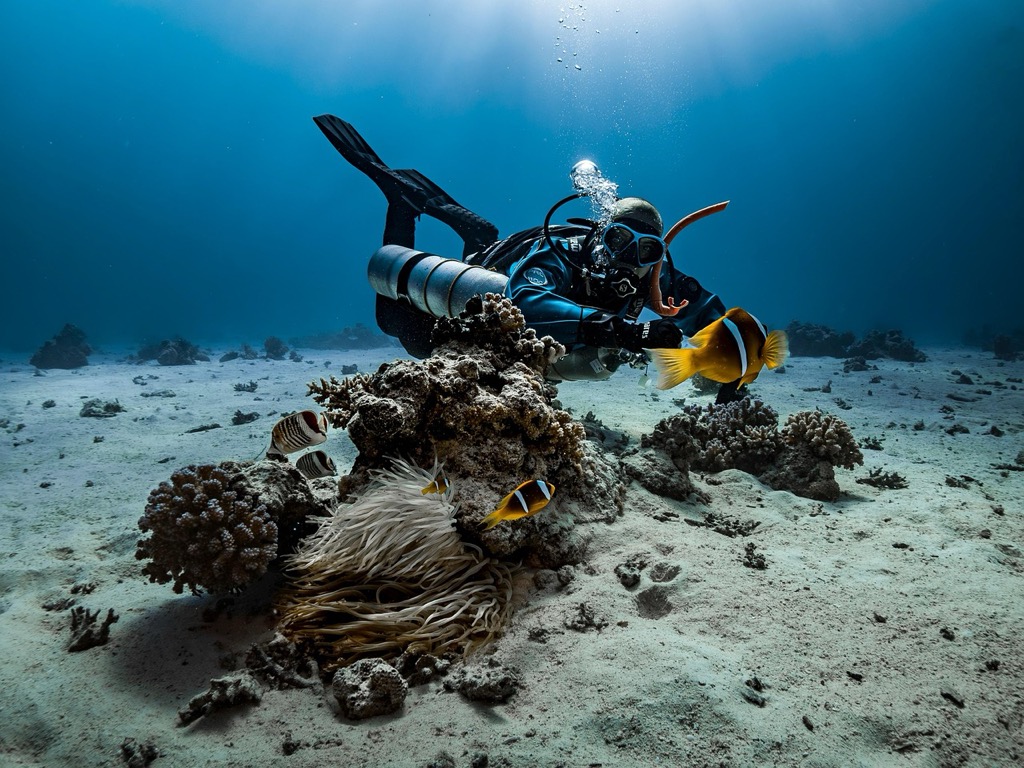
7 Cleaning Hacks for Snorkel Gear That Maximize Performance
Keep your snorkel gear spotless with 7 simple cleaning hacks using household items like toothpaste, vinegar, and baking soda. No expensive cleaners needed!
Your snorkel gear takes a beating from saltwater sand and sunscreen – but proper cleaning doesn’t have to be complicated or expensive. Most divers waste money on specialized cleaners when common household items work just as well for maintaining masks fins and snorkels. These seven proven hacks will keep your gear crystal clear and odor-free using ingredients you already have at home.
Disclosure: As an Amazon Associate, this site earns from qualifying purchases. Thank you!
Hack 1: Use Toothpaste to Remove Stubborn Residue From Masks
Your snorkel mask lens collects more than just water spots during ocean adventures. Sunscreen smears, salt deposits, and organic buildup create a cloudy film that ordinary rinsing won’t touch.
Choose Non-Gel Toothpaste for Best Results
Regular white toothpaste works better than gel varieties for mask cleaning. The mild abrasives in traditional toothpaste break down residue without damaging silicone seals. Avoid whitening formulas since they contain stronger chemicals that can degrade your mask’s materials over time.
Apply Gentle Circular Motions to Avoid Scratching
Squeeze a pea-sized amount of toothpaste onto your fingertip and work it across the lens surface. Use light pressure and small circular movements to lift stubborn deposits. Focus on areas where sunscreen typically accumulates around the nose bridge and temple sections.
Rinse Thoroughly to Remove All Toothpaste Residue
Flush your mask with fresh water for at least 30 seconds after scrubbing. Any remaining toothpaste residue will fog your lens underwater and irritate your skin. Hold the mask up to light to check for lingering streaks before your next snorkeling session.
Hack 2: Soak Snorkels in White Vinegar Solution for Deep Cleaning
White vinegar‘s acidity cuts through mineral deposits and bacteria that accumulate inside your snorkel tube. This deep-cleaning method reaches areas that regular rinsing can’t touch.
Mix Equal Parts Water and White Vinegar
Combine one cup of white vinegar with one cup of warm water in a container tall enough to submerge your snorkel. The 50/50 ratio provides optimal cleaning power without being too harsh on rubber seals. Use distilled white vinegar for best results, as it contains no additives that could leave residue.
Let Equipment Soak for 30 Minutes Minimum
Submerge your snorkel completely in the vinegar solution and let it sit for at least 30 minutes. For heavily used gear with stubborn buildup, extend the soaking time to one hour. The acid needs time to dissolve mineral deposits and break down organic matter that’s accumulated inside the breathing tube.
Use a Bottle Brush to Remove Internal Buildup
After soaking, use a long-handled bottle brush to scrub the inside of the snorkel tube. Work the brush up and down several times to dislodge loosened debris. Pay special attention to the curved sections where buildup tends to collect, then rinse thoroughly with fresh water until the vinegar smell disappears completely.
Hack 3: Create a Baking Soda Paste for Tough Stains and Odors
Baking soda paste tackles the toughest cleaning challenges that regular soap can’t handle. This alkaline powerhouse neutralizes acidic odors while its gentle abrasive properties lift stubborn stains from your snorkel gear.
Combine Baking Soda With Small Amount of Water
Mix three tablespoons of baking soda with just enough water to form a thick paste. You’ll want the consistency of toothpaste – thick enough to stick to surfaces but spreadable. Too much water dilutes the cleaning power and makes the paste run off your gear.
Target Problem Areas With Concentrated Application
Apply the paste directly to stained areas on mask straps, fin foot pockets, and mouthpiece surfaces. Focus on yellowed silicone areas and spots where sunscreen has left stubborn residue. Use your fingers to work the paste into textured surfaces where grime tends to hide.
Allow Paste to Sit Before Scrubbing and Rinsing
Let the baking soda paste sit for 15-20 minutes to break down stains and neutralize odors. Scrub gently with a soft brush or cloth, paying attention to grooves and crevices. Rinse thoroughly with fresh water to remove all paste residue before your next snorkeling adventure.
Hack 4: Utilize Baby Shampoo for Gentle Yet Effective Cleaning
Baby shampoo‘s gentle formula makes it perfect for cleaning delicate snorkel gear without causing damage. You’ll get thorough cleaning power while protecting the silicone and rubber components that keep your gear functioning properly.
Choose Tear-Free Formula to Protect Delicate Materials
Tear-free baby shampoo protects your gear’s silicone seals and rubber components better than harsh detergents. The pH-balanced formula won’t degrade mask skirts or snorkel mouthpieces like dish soap can. Johnson’s Baby Shampoo and similar brands contain mild surfactants that lift dirt without causing cracking or discoloration over time.
Focus on Mask Skirts and Snorkel Mouthpieces
Apply baby shampoo directly to mask skirts and mouthpieces where saliva and skin oils accumulate most. Work the shampoo gently with your fingers to create a light lather around the seal areas. These spots harbor bacteria and develop unpleasant odors if you don’t clean them regularly with something gentle yet effective.
Rinse Multiple Times to Ensure Complete Removal
Rinse your gear at least three times with fresh water after using baby shampoo. Any soap residue left behind will create fogging issues during your next dive and can irritate your skin. Hold each piece under running water for 30 seconds minimum, checking that no slippery film remains on the surfaces.
Hack 5: Employ Denture Cleaning Tablets for Sanitizing Mouthpieces
Denture cleaning tablets offer a powerful sanitizing solution that’s gentle enough for your mouth yet effective against bacteria and buildup. These effervescent tablets eliminate the germs and saliva residue that accumulate on snorkel mouthpieces during extended use.
Dissolve Tablets in Warm Water According to Package Directions
Drop one denture tablet into a cup of warm water and let it fizz completely. The bubbling action activates the cleaning agents that break down bacteria and organic matter. Most tablets require 3-5 minutes to fully dissolve before they’re ready for cleaning.
Submerge Only the Mouthpiece Portion
Dip just the rubber mouthpiece into the solution while keeping the rest of your snorkel dry. The cleaning agents can damage plastic components and seals if exposed for too long. Hold the snorkel at an angle so only the bite area contacts the effervescent solution.
Follow Up With Fresh Water Rinse
Rinse the mouthpiece thoroughly under running fresh water for at least 30 seconds. Any remaining cleaning solution can taste bitter and irritate your mouth during your next snorkeling session. Shake out excess water and allow the mouthpiece to air dry completely before storage.
Hack 6: Apply Anti-Fog Solutions Using Dish Soap Method
Clear dish soap creates an invisible barrier that prevents fog from forming on your mask lens. This simple technique works better than expensive commercial anti-fog products.
Use Clear, Unscented Dish Soap for Best Results
Dawn or similar clear dish soaps work best because they’re formulated to cut through oils without leaving residue. Avoid antibacterial or scented varieties that contain additives which can irritate your eyes underwater. The key is using genuine dish soap, not hand soap or body wash.
Apply Thin Layer and Buff With Soft Cloth
Squeeze a small drop onto the inside of your dry mask lens and spread it evenly with your finger. Use a microfiber cloth to buff the soap into the glass until you can barely see it. Too much soap creates streaks that actually worsen visibility.
Test Effectiveness Before Next Snorkeling Session
Rinse your mask briefly with fresh water before putting it on – don’t scrub away the invisible soap film. Spit in the mask and swish it around, then rinse again lightly. Your lens should stay completely clear even when you breathe through your nose.
Hack 7: Implement UV Sanitization for Chemical-Free Disinfection
UV rays naturally eliminate bacteria and viruses without introducing chemicals to your gear. This eco-friendly method works exceptionally well as a final sanitization step after cleaning your snorkel equipment.
Place Clean Gear in Direct Sunlight for Natural Sanitizing
Position your freshly cleaned snorkel gear on a clean towel or drying rack in direct sunlight for 2-3 hours. The sun’s UV-C rays penetrate plastic and silicone surfaces to destroy harmful microorganisms that soap and water can’t reach. Choose midday hours between 10 AM and 2 PM when UV intensity peaks for maximum sanitizing power.
Ensure All Surfaces Receive Adequate Exposure
Turn your mask, fins, and snorkel every 30-45 minutes to expose all surfaces to direct UV light. Focus particularly on curved areas like fin foot pockets and mask skirts where bacteria typically hide. Prop snorkels upright or lay them flat to ensure the entire tube receives even exposure throughout the sanitizing process.
Combine With Other Cleaning Methods for Maximum Effectiveness
Use UV sanitization after completing your regular cleaning routine with toothpaste, vinegar, or baking soda solutions. The chemical cleaning removes visible debris and buildup while UV exposure eliminates remaining pathogens for complete disinfection. This combination approach ensures your gear stays hygienically clean without relying solely on harsh chemical sanitizers that can degrade equipment over time.
Conclusion
Your snorkeling adventures deserve gear that’s as fresh as the ocean itself. These seven household hacks prove you don’t need expensive specialty cleaners to maintain your equipment properly.
Regular maintenance using these simple techniques will extend your gear’s lifespan and ensure every underwater experience is comfortable and safe. From toothpaste treatments to UV sanitization you now have a complete toolkit for tackling any cleaning challenge.
Remember that consistency is key – clean your gear after each use and your snorkel mask fins and snorkel will serve you well for countless diving sessions ahead.
Frequently Asked Questions
What household items can I use to clean my snorkel gear?
You can use several common household items including non-gel white toothpaste for mask residue, white vinegar for deep cleaning snorkels, baking soda paste for stains and odors, baby shampoo for gentle cleaning, denture cleaning tablets for sanitizing mouthpieces, and clear dish soap as an anti-fog solution.
How do I clean my snorkel mask with toothpaste?
Use regular white, non-gel toothpaste to remove stubborn residue from your snorkel mask. Apply a small amount to the mask surface, gently scrub, and rinse thoroughly. This method is effective and won’t damage the silicone seals on your mask.
Can white vinegar clean my snorkel equipment?
Yes, white vinegar is excellent for deep cleaning snorkels. Create a vinegar solution to cut through mineral deposits and eliminate bacteria. This natural cleaner is particularly effective for removing buildup that accumulates from saltwater and regular use.
What’s the best way to remove stains and odors from snorkel gear?
Create a baking soda paste and apply it to stained areas of your snorkel gear. Let it sit, then scrub gently and rinse thoroughly. Baking soda is particularly effective at tackling tough stains and eliminating persistent odors from your equipment.
How can I prevent my snorkel mask from fogging up?
Apply a thin layer of clear dish soap to the inside of your mask lens and rinse lightly. This creates an anti-fog coating that prevents condensation from building up during your snorkeling activities, ensuring clear vision underwater.
Do I need expensive cleaners for my snorkel gear?
No, expensive specialized cleaners aren’t necessary. Common household items like toothpaste, vinegar, baking soda, baby shampoo, and dish soap are just as effective at cleaning and maintaining your snorkel gear while being more budget-friendly.
How does UV sanitization work for snorkel equipment?
Place your cleaned snorkel gear in direct sunlight for 2-3 hours to utilize UV-C rays that naturally eliminate bacteria and viruses. Turn the equipment every 30-45 minutes to ensure all surfaces receive adequate exposure for effective chemical-free disinfection.
Can baby shampoo clean delicate snorkel gear?
Yes, baby shampoo is ideal for cleaning delicate snorkel gear because of its gentle formula. It effectively cleans without using harsh chemicals that could potentially damage or degrade your equipment’s materials over time.
How do denture tablets help clean snorkel gear?
Denture cleaning tablets are excellent for sanitizing snorkel mouthpieces. These tablets are designed to kill bacteria and freshen, making them perfect for cleaning the parts of your gear that come into direct contact with your mouth.


