7 Creative Backyard Water Feature Ideas That Transform Any Space
Transform your backyard into a tranquil oasis with 7 creative water features. From DIY ponds to solar fountains, discover budget-friendly ideas that boost property value.
Your backyard holds untapped potential for creating a stunning outdoor sanctuary that rivals any luxury resort. Water features transform ordinary spaces into captivating retreats where you’ll find yourself spending countless hours relaxing and entertaining guests. Whether you’re working with a sprawling lawn or a compact patio, the right water element can elevate your outdoor living experience while boosting your property’s value.
Adding water to your landscape doesn’t require a massive renovation or professional installation team. Creative solutions range from simple DIY projects you can complete in a weekend to more elaborate designs that serve as stunning focal points for your entire yard.
Disclosure: As an Amazon Associate, this site earns from qualifying purchases. Thank you!
Create a Tranquil Oasis With a DIY Pond Water Feature
Building your own pond transforms any backyard corner into a peaceful retreat that attracts wildlife and creates lasting memories. You’ll discover that pond construction requires careful planning but rewards you with years of natural beauty.
Choose the Perfect Location for Your Backyard Pond
Select a spot that receives 4-6 hours of morning sunlight daily for optimal plant growth. Avoid low-lying areas where rainwater collects or beneath large trees that drop excessive leaves. Position your pond where you’ll view it from indoor spaces like kitchen windows or patio seating areas for maximum enjoyment throughout the seasons.
Select the Right Size and Depth for Your Space
Plan for a minimum depth of 18-24 inches to prevent complete freezing during winter months. Start with dimensions between 6×8 feet for adequate water circulation and easier maintenance. Deeper zones of 3-4 feet support fish year-round while shallow ledges accommodate marginal plants and provide wildlife drinking access.
Add Aquatic Plants and Fish for Natural Beauty
Install submerged oxygenating plants like hornwort first to establish healthy water chemistry before adding fish. Float water lilies and lotus for surface coverage while planting cattails and water iris along pond edges. Introduce hardy goldfish or koi after your pond cycles for 2-3 weeks to create a balanced ecosystem.
Transform Your Patio With a Modern Water Wall Installation
A modern water wall creates an instant focal point that bridges the gap between your indoor and outdoor living spaces. You’ll find this vertical water feature particularly effective for patios where horizontal space is limited but visual impact matters most.
Design a Sleek Contemporary Water Wall
Contemporary water walls work best with clean lines and minimal materials like stainless steel, natural stone, or glass panels. Choose a wall height between 6-8 feet for optimal visual impact without overwhelming your patio space. Position your water wall against an existing fence or create a freestanding structure that doubles as a privacy screen between seating areas.
Install Proper Drainage and Circulation Systems
Water wall circulation requires a submersible pump rated for your wall’s height and water volume, typically 100-300 gallons per hour for residential installations. Install a catch basin at the base that’s at least 6 inches deep to prevent splashing and ensure proper water recirculation. Connect your drainage system to existing landscape irrigation or add a dedicated drain line to prevent overflow during heavy operation.
Incorporate LED Lighting for Evening Ambiance
LED strip lighting behind translucent panels or along the water’s path creates dramatic evening effects that extend your patio’s usable hours. Install waterproof LED fixtures with color-changing capabilities to match different moods and seasons throughout the year. Position uplighting at the base and backlighting behind the water flow for maximum visual depth and movement enhancement.
Build a Relaxing Multi-Tiered Fountain Centerpiece
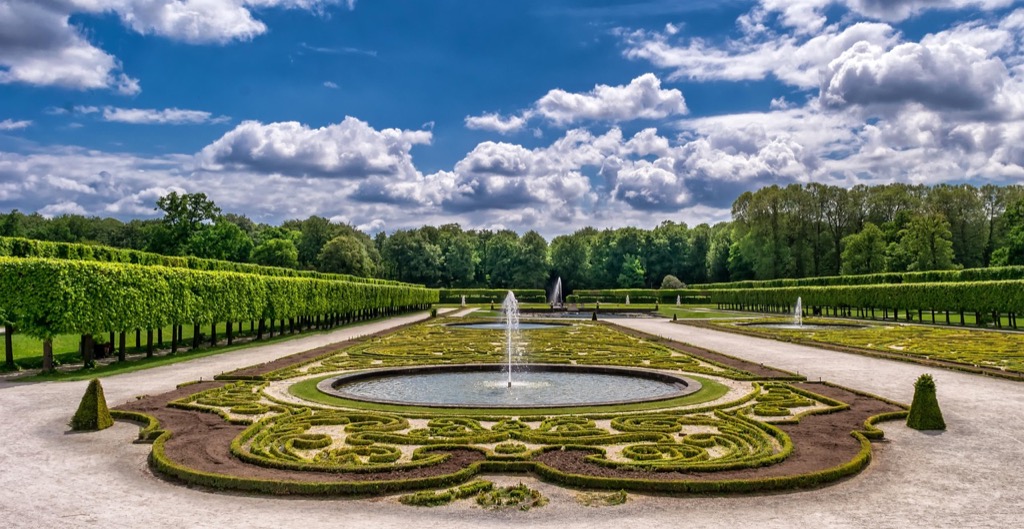
Multi-tiered fountains create the perfect focal point for your backyard water feature collection. They combine the soothing sounds of cascading water with elegant vertical design elements that draw the eye upward.
Plan Your Fountain’s Height and Flow Pattern
Height determines your fountain’s visual presence and sound intensity throughout your outdoor space. Plan for 3-4 tiers with 12-18 inch spacing between levels to create optimal water flow patterns.
Consider your yard’s scale when selecting fountain dimensions. Smaller spaces benefit from 4-6 foot tall fountains while larger areas can accommodate dramatic 8-10 foot centerpieces that command attention.
Select Durable Materials for Long-Lasting Beauty
Natural stone materials like granite and slate withstand weather extremes while maintaining their elegant appearance for decades. Concrete and composite materials offer budget-friendly alternatives with excellent durability ratings.
Avoid lightweight materials that crack during freeze-thaw cycles. Choose fountain components with proper drainage systems and reinforced construction to prevent structural damage from seasonal temperature changes.
Position Your Fountain for Maximum Visual Impact
Central placement creates symmetrical viewing angles from multiple outdoor living areas including patios and garden pathways. Position your fountain where it’s visible from indoor windows to enjoy year-round beauty.
Ensure adequate electrical access for pump systems and lighting installations. Place fountains away from large trees to minimize leaf debris while maintaining some natural shade during peak summer months.
Design a Natural Stream That Flows Through Your Garden
Transform your outdoor space with a meandering stream that mimics nature’s flowing waterways. You’ll create a dynamic focal point that brings movement and sound while connecting different areas of your landscape.
Map Out Your Stream’s Path and Elevation Changes
Plan your stream’s route using spray paint or garden hoses to visualize the flow. Create a gentle slope of 2-3 inches per 10 feet to ensure proper water circulation. You’ll need at least 18 inches of elevation change to achieve natural-looking cascades and prevent stagnant areas.
Create Natural-Looking Curves and Bends
Design S-shaped curves that follow your yard’s natural contours rather than straight lines. Make each bend wider on the outside and narrower on the inside to replicate how water naturally carves riverbeds. You’ll achieve authentic flow patterns that look like they’ve existed for years.
Add Rocks and Boulders for Authentic Appeal
Position larger boulders at curve points to create natural-looking obstructions and mini waterfalls. Layer smaller river rocks along the stream bed with pea gravel for texture variation. You’ll want to bury rocks partially to appear naturally settled while creating interesting water sounds and visual depth.
Install a Space-Saving Bubbling Rock Feature
Bubbling rock features pack maximum water appeal into minimal square footage, making them perfect for compact yards or areas where you want subtle water sounds without overwhelming your landscape.
Choose the Perfect Boulder Size for Your Yard
Select a boulder between 2-4 feet in diameter for most residential spaces. Larger rocks create more dramatic water sounds but require stronger pumps and deeper reservoirs. Consider your yard’s scale â a massive boulder can overpower small gardens while tiny rocks disappear in expansive landscapes.
Set Up the Underground Reservoir System
Dig a basin 6 inches wider than your boulder and 18-24 inches deep. Install a plastic reservoir liner and submersible pump rated for your rock’s height. Connect flexible tubing through the boulder’s drilled center hole, ensuring the pump moves 100-150 gallons per hour for proper bubbling action.
Surround With Complementary Landscaping Elements
Frame your bubbling rock with drought-tolerant plants like ornamental grasses, succulents, or native perennials. Add river stones or pea gravel around the base to hide the reservoir edges. Include uplighting behind the feature to create evening ambiance and highlight the water’s movement.
Construct a Stunning Waterfall Feature Along a Slope
Transform your sloped backyard into a dramatic water showcase with cascading falls that create both visual impact and soothing sounds.
Utilize Your Yard’s Natural Elevation Changes
Survey your property to identify the steepest natural incline for maximum water flow drama. You’ll need at least 3-4 feet of elevation change to create a noticeable cascade effect that draws attention from across your yard. Work with existing slopes rather than creating artificial ones to reduce excavation costs and maintain natural-looking contours.
Build Sturdy Retaining Walls and Water Channels
Install reinforced concrete or natural stone retaining walls to contain water flow and prevent erosion during heavy rainfall. Create lined channels using EPDM rubber or concrete to direct water precisely where you want it. You’ll need proper drainage behind retaining walls to prevent structural damage from water pressure buildup.
Create Multiple Cascading Levels for Drama
Design 3-5 terraced levels with 18-24 inch drops between each tier for optimal visual and auditory impact. Space your levels 4-6 feet apart horizontally to allow water to pool briefly before cascading to the next level. Install underwater LED lighting at each tier to illuminate the falling water and create stunning nighttime ambiance.
Add a Floating Solar Water Fountain to Existing Features
Transform your existing pond or large water feature into a dynamic centerpiece with a floating solar fountain. These eco-friendly additions create instant visual interest while eliminating complex electrical work.
Select the Right Solar Fountain for Your Setup
Match your fountain size to your water feature’s dimensions and depth requirements. Small fountains work best in ponds under 100 gallons, while larger units handle expansive water gardens effectively. Choose models with adjustable spray patterns to customize your water display and prevent overspray onto surrounding plants.
Position for Optimal Sun Exposure and Performance
Place your solar fountain where it’ll receive 6-8 hours of direct sunlight daily for consistent operation. Avoid positioning under overhanging trees or structures that create shadows during peak sun hours. The fountain’s solar panel should face south for maximum energy absorption throughout the day.
Maintain Your Solar Fountain Year-Round
Clean the solar panel weekly with a soft cloth to remove debris and maintain peak efficiency. Remove and store the fountain indoors during freezing temperatures to prevent pump damage from ice formation. Replace the pump’s filter every 2-3 months to ensure proper water circulation and prevent clogging.
Conclusion
Your backyard has incredible potential to become a stunning water wonderland that reflects your personal style and meets your space requirements. Whether you’re drawn to the gentle bubbling of a rock feature or the dramatic cascade of a multi-tiered waterfall these water elements will transform your outdoor living experience.
The key to success lies in choosing features that complement your yard’s natural characteristics and your maintenance preferences. Start with one water feature that excites you most and gradually expand your aquatic landscape as you gain confidence and experience.
Remember that even the smallest water addition can create significant impact on your property’s appeal and your daily enjoyment. Your dream backyard oasis is just one water feature away from becoming reality.
Frequently Asked Questions
What are the benefits of adding water features to my backyard?
Water features enhance relaxation and entertainment while increasing property value. They create a tranquil atmosphere with soothing sounds, attract wildlife, and can transform any outdoor space into a beautiful sanctuary. These features work well in backyards of any size and can range from simple DIY projects to elaborate designs.
How do I choose the right location for a backyard pond?
Select a spot that receives adequate sunlight for aquatic plants while being positioned for optimal viewing from your home. Ensure the area is accessible for maintenance and away from overhanging trees that could drop debris. Consider proximity to electrical sources for pumps and lighting.
What’s the ideal size and depth for a DIY pond?
Maintain a minimum depth of 18-24 inches to prevent complete freezing in winter. Size depends on your space and budget, but ensure dimensions allow for easy maintenance and cleaning. Deeper ponds support fish better and maintain stable water temperatures year-round.
How does a water wall work in small spaces?
Water walls made from stainless steel or glass serve as striking focal points and privacy screens. They require proper drainage systems with submersible pumps and catch basins. These vertical features maximize impact while minimizing ground space usage, making them perfect for patios and compact areas.
What materials work best for multi-tiered fountains?
Natural stone and concrete offer durability and aesthetic appeal for fountain construction. Plan for 3-4 tiers with 12-18 inch spacing for optimal water flow. Ensure proper electrical access and drainage. Position centrally for symmetrical viewing from various outdoor areas and indoor spaces.
How much elevation change do I need for a natural garden stream?
Require at least 18 inches of elevation change for natural-looking cascades and proper water circulation. Create gentle slopes and natural curves that follow your yard’s contours. Add rocks and boulders for authenticity and to create mini waterfalls with interesting water sounds.
What size boulder works best for a bubbling rock feature?
Choose boulders between 2-4 feet in diameter, considering your yard’s scale to avoid overpowering small spaces or disappearing in large areas. Install an underground reservoir system with a submersible pump for proper bubbling action. Surround with drought-tolerant plants and decorative stones.
How much elevation is needed for a backyard waterfall?
Require at least 3-4 feet of elevation change for a noticeable cascade effect. Design 3-5 terraced tiers spaced 4-6 feet apart for optimal visual impact. Build sturdy retaining walls using reinforced concrete or natural stone to contain water flow and prevent erosion.
Are solar water fountains effective for existing water features?
Solar fountains work well for enhancing existing ponds or water features without complex electrical work. Choose based on your water feature’s size and depth, ensuring optimal sun exposure for best performance. Regular cleaning and proper winter storage maintain efficiency and longevity.
How do I maintain water features year-round?
Regular cleaning prevents algae buildup and keeps pumps functioning properly. Remove debris, trim aquatic plants, and check water levels frequently. In winter, protect pumps from freezing, store solar components properly, and maintain minimum water depth to prevent complete freezing in ponds.