7-Step Approach to Pool Maintenance for Events That Pros Recommend
Master pool maintenance for successful events with this 7-step guide covering pre-event prep, chemical balancing, safety measures, monitoring during parties, and post-event restoration.
The big picture: Your pool’s the star of your event — but one maintenance mistake can turn your dream gathering into a nightmare.
Why it matters: Proper pool preparation goes beyond basic cleaning and involves strategic timing chemical balancing and safety protocols that most hosts overlook.
What’s next: A systematic 7-step approach ensures your pool stays crystal clear safe and guest-ready throughout your entire event.
Disclosure: As an Amazon Associate, this site earns from qualifying purchases. Thank you!
Step 1: Pre-Event Pool Inspection and Assessment
Your first move sets the tone for everything that follows. Starting with a thorough inspection 48-72 hours before your event gives you enough time to address any issues without scrambling at the last minute.
Check Water Chemistry Levels
Test your pH, chlorine, and alkalinity levels using reliable test strips or a digital tester. You’ll want pH between 7.2-7.6, chlorine at 2-4 ppm, and total alkalinity between 80-120 ppm for optimal guest comfort and safety.
Inspect Pool Equipment Functionality
Run your filtration system, check pump performance, and test all pool lights and automated systems. Verify that skimmers are clearing debris effectively and ensure backup equipment is ready if your primary systems show any signs of strain.
Evaluate Pool Surface and Surrounding Areas
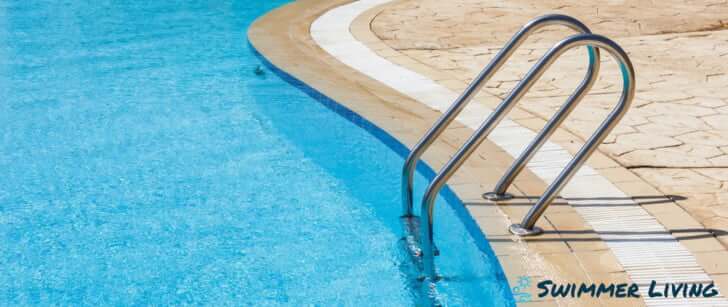
Walk the entire pool perimeter looking for loose tiles, sharp edges, or slippery spots that could pose safety risks. Check deck furniture stability, inspect railings and ladders, and clear any potential tripping hazards from walkways and entry points.
Step 2: Deep Clean and Sanitize Your Pool
After completing your initial inspection, you’ll need to tackle the deep cleaning process 24-48 hours before your event. This step removes accumulated debris and contaminants that standard filtration can’t handle.
Skim Surface Debris and Clean Pool Walls
Start by removing all floating debris including leaves, insects, and any visible particles from the water surface. Use a telescopic skimmer net to reach every corner and crevice of your pool.
Clean the pool walls using a pool brush or wall cleaning tool to remove algae buildup and dirt films. Pay special attention to areas around steps, ladders, and pool fixtures where debris typically accumulates.
Vacuum Pool Floor Thoroughly
Connect your pool vacuum to the filtration system and systematically clean the entire pool floor in overlapping passes. Focus extra attention on corners, around drains, and beneath diving boards where sediment settles.
Run the vacuum slowly to ensure maximum debris pickup without stirring up particles back into the water. This process typically takes 30-45 minutes for an average-sized residential pool.
Brush Tiles and Waterline Areas
Scrub the waterline thoroughly using a tile brush to remove oils, sunscreen residue, and calcium deposits that create unsightly rings. These areas see the heaviest contamination from swimmer activity.
Clean each tile individually if you notice stubborn buildup, using appropriate pool tile cleaners for your specific tile material. Don’t forget to brush behind ladders and around skimmer openings where buildup commonly occurs.
Step 3: Balance Water Chemistry for Optimal Conditions
Achieving perfect water chemistry requires precision timing and careful monitoring 12-24 hours before your event. You’ll need to test and adjust multiple chemical parameters to ensure guest safety and water clarity.
Test and Adjust pH Levels
Test your pool’s pH level using digital strips or a liquid test kit for accuracy. Your pH should measure between 7.2 and 7.4 for optimal guest comfort and sanitizer effectiveness. Add pH increaser (sodium carbonate) to raise levels or pH decreaser (sodium bisulfate) to lower them, allowing 4-6 hours for circulation before retesting.
Monitor Chlorine and Sanitizer Levels
Maintain free chlorine levels between 1.0-3.0 ppm for safe swimming conditions. Test chlorine levels every 2-4 hours leading up to your event, as higher bather loads will consume sanitizer faster. Add liquid chlorine or granular shock if levels drop below 1.0 ppm, ensuring you allow proper circulation time.
Check Total Alkalinity and Calcium Hardness
Balance total alkalinity between 80-120 ppm to prevent pH fluctuations during your event. Test calcium hardness levels, maintaining 150-300 ppm to protect pool surfaces and equipment. Use alkalinity increaser for low readings or muriatic acid for high levels, testing calcium hardness monthly and adjusting with calcium chloride when needed.
Step 4: Optimize Pool Equipment Performance
Your pool equipment needs peak performance to handle increased bather loads during events. This step should occur 8-12 hours before guests arrive.
Clean and Backwash Pool Filters
Remove accumulated debris from your filter system to restore optimal water circulation. Check your cartridge filters and replace them if they’re visibly dirty or haven’t been changed in 2-4 weeks. For sand or DE filters, perform a thorough backwash cycle until the sight glass runs clear, then rinse for 30-60 seconds to reset the filter bed.
Check Pool Pump and Circulation System
Inspect your pump basket and skimmer baskets for leaves, hair, and debris that restrict water flow. Empty both baskets completely and rinse them clean. Verify your pump is priming properly and check for any unusual noises or vibrations. Run your circulation system for at least 2-3 hours to ensure proper turnover before the event begins.
Test Pool Heater and Temperature Controls
Set your pool temperature 2-4 degrees higher than normal to account for increased body heat and frequent entry/exit during events. Test your heater’s ignition and temperature controls 12 hours beforehand to allow adequate heating time. Maintain water temperature between 78-82°F for optimal guest comfort, as cooler water can feel uncomfortable when guests are socializing rather than actively swimming.
Step 5: Enhance Pool Area Safety and Aesthetics
Creating a safe and visually appealing pool environment is crucial 4-6 hours before your event. This step transforms your pool area from a functional space into an inviting venue that prioritizes guest safety.
Install Proper Pool Lighting
Underwater LED lights provide the most dramatic effect while ensuring swimmers can see clearly below the surface. Position floating solar lights around the pool perimeter to create ambient lighting without electrical hazards. Test all lighting systems during daylight hours to identify any burnt-out bulbs or connection issues.
Secure Pool Deck and Entry Points
Non-slip mats should be placed at all pool entry and exit points to prevent slipping on wet surfaces. Remove any loose furniture or decorations that could become tripping hazards during the event. Install temporary railings or barriers around deeper sections if you’re expecting children or inexperienced swimmers.
Add Safety Equipment and Signage
Life rings and pool noodles must be strategically placed around the pool area within easy reach of all swimming zones. Post clear depth markers and “No Diving” signs in shallow areas to prevent accidents. Designate a first aid station with emergency contact numbers prominently displayed for quick access during emergencies.
Step 6: Monitor Pool Conditions During the Event
Once your guests arrive, your pool maintenance work shifts from preparation to active monitoring. You’ll need to stay vigilant throughout the event to ensure water quality and safety remain optimal.
Conduct Regular Water Testing
Test your pool water every 2-3 hours during busy events using test strips or a digital tester. Check chlorine levels, pH balance, and alkalinity to catch any fluctuations before they become problems. Heavy swimmer loads can quickly deplete sanitizer levels and alter water chemistry, especially during peak activity periods.
Maintain Proper Chemical Balance
Add small amounts of chlorine or pH adjusters as needed based on your test results. You’ll typically need to boost chlorine levels by 25-50% during high-use periods to compensate for increased bather load. Keep adjustment chemicals pre-measured in separate containers for quick additions without disrupting the event flow.
Address Any Issues Immediately
Remove debris from the water surface and empty skimmer baskets when they fill up during the event. Clear any equipment malfunctions or circulation problems right away since delays can lead to cloudy water or safety hazards. Have backup equipment like a manual vacuum and extra chemicals readily available for immediate problem-solving.
Step 7: Post-Event Pool Restoration and Maintenance
After your guests leave, you’ll need to act quickly to restore your pool’s condition. The final restoration step prevents long-term damage and ensures your pool stays healthy for future use.
Remove Event-Related Debris and Contaminants
Start by skimming all floating debris like leaves, food particles, and decorations within 2-4 hours of event completion. Use a pool vacuum to remove settled debris from the bottom, paying special attention to corners and steps where party waste accumulates. Clean the skimmer baskets and pump baskets thoroughly to prevent clogging.
Shock Pool Water if Necessary
Test your water chemistry immediately after debris removal to determine shock treatment needs. Add pool shock if chlorine levels drop below 1.0 ppm or if you notice cloudy water from heavy swimmer loads. Follow manufacturer instructions for shock dosage based on your pool size and current chemical readings.
Return Pool to Regular Maintenance Schedule
Resume your normal weekly maintenance routine 24-48 hours after shocking the pool water. Brush pool walls, clean filters, and rebalance all chemical levels to standard ranges. Schedule your next regular cleaning session to maintain the restored water quality and prevent algae growth.
Conclusion
Following this 7-step pool maintenance approach transforms your event hosting experience from stressful to seamless. You’ll create a safe swimming environment that guests remember for all the right reasons while protecting your pool’s long-term health.
The systematic timing of each step ensures you’re never scrambling at the last minute. From the initial 72-hour inspection to post-event restoration your pool receives the attention it deserves at every stage.
Remember that proper pool maintenance isn’t just about aesthetics—it’s about safety and creating memorable experiences. When you invest time in thorough preparation your guests can focus on enjoying themselves while you maintain peace of mind knowing everything’s under control.
Frequently Asked Questions
When should I start preparing my pool for an event?
Begin your pool preparation 48-72 hours before the event with a thorough inspection and assessment. This timeline allows you to address any issues with water chemistry or equipment functionality well in advance, ensuring your pool is in perfect condition when guests arrive.
What’s the most important step in pre-event pool cleaning?
Deep cleaning and sanitizing 24-48 hours before your event is crucial. Focus on skimming all debris, thoroughly cleaning pool walls, and vacuuming the floor. This step ensures your pool looks pristine and removes contaminants that could affect water quality during the event.
How often should I test water chemistry during a pool party?
Test your pool water every 2-3 hours during the event. Heavy swimmer loads can quickly alter water chemistry, affecting chlorine levels, pH balance, and alkalinity. Regular monitoring allows you to make immediate adjustments and maintain safe, comfortable swimming conditions for your guests.
What safety measures should I implement before guests arrive?
Install proper pool lighting, secure the deck with non-slip mats, remove tripping hazards, and add safety equipment like life rings and clear signage. These measures, implemented 4-6 hours before the event, help prevent accidents and create a safe environment for all guests.
When should I shock my pool after hosting an event?
Shock your pool immediately after testing water chemistry post-event, especially if chlorine levels drop below 1.0 ppm or if the water appears cloudy. Add pool shock within 2-4 hours of guests leaving to eliminate contaminants and restore proper chemical balance.
What equipment should I have on standby during the event?
Keep backup equipment like extra pool nets, pre-measured chemicals, and cleaning supplies readily available. Having these items on hand allows you to quickly address issues such as debris removal or chemical imbalances without disrupting your event’s flow.
How long after shocking should I resume regular pool maintenance?
Return to your regular maintenance schedule 24-48 hours after shocking the pool. This includes brushing walls, cleaning filters, and rebalancing chemical levels. This timing ensures the shock treatment has fully circulated and prevents algae growth while maintaining optimal water quality.