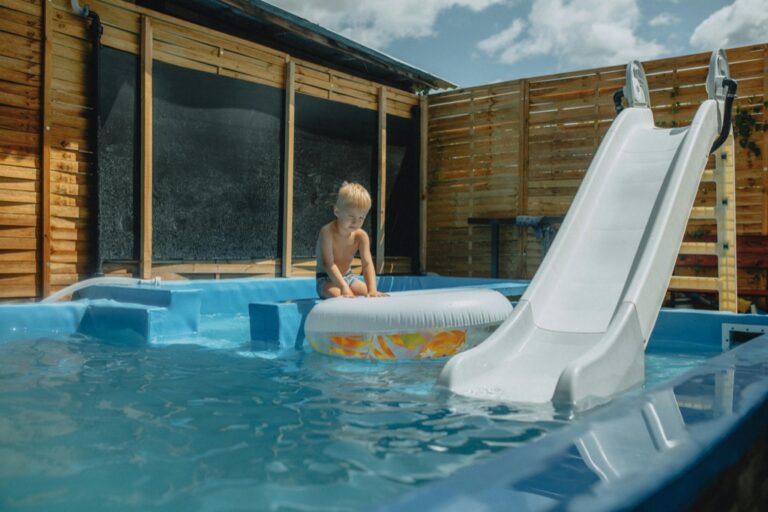
7 Green Pool Renovation Ideas That Protect Our Waters
Transform your pool with 7 eco-friendly renovation ideas! Discover solar heating, LED lighting, natural filters & sustainable materials that save money while protecting the planet.
Your pool renovation doesn’t have to drain your wallet or the planet’s resources. Smart homeowners are choosing eco-friendly upgrades that slash energy costs while creating stunning backyard retreats that work in harmony with nature.
Green pool renovations offer the perfect blend of sustainability and style – from solar heating systems that eliminate monthly energy bills to natural filtration methods that keep water crystal clear without harsh chemicals. These environmentally conscious upgrades aren’t just trending; they’re reshaping how we think about backyard luxury.
Whether you’re planning a complete pool overhaul or targeted improvements, sustainable renovation strategies deliver long-term savings while boosting your property value and reducing your environmental footprint.
Disclosure: As an Amazon Associate, this site earns from qualifying purchases. Thank you!
Transform Your Pool Into an Eco-Friendly Oasis With Solar Heating Systems
Solar heating systems represent the most practical step toward creating an environmentally responsible pool that dramatically reduces your energy footprint. You’ll find that modern solar collectors have evolved far beyond the simple black mats of decades past.
Benefits of Solar Pool Heating
Solar pool heating extends your swimming season by 2-4 months while eliminating monthly heating bills that typically range from $200-500. You’ll maintain consistent water temperatures between 78-82°F without relying on gas or electric heaters. The system operates silently and requires minimal maintenance compared to traditional heating methods.
Installation Considerations for Solar Panels
Solar collectors work best on south-facing roofs with minimal shading between 10 AM and 4 PM. You’ll need approximately 50-100% of your pool’s surface area in collector space depending on your climate zone. Professional installation ensures proper flow rates and integration with your existing pump system for optimal performance.
Cost Savings and Environmental Impact
Solar heating systems typically pay for themselves within 3-5 years through eliminated heating costs. You’ll reduce your pool’s carbon footprint by 75-90% while avoiding approximately 5-10 tons of CO2 emissions annually. The systems last 15-20 years with minimal maintenance, providing decades of free heating once installed.
Upgrade to Energy-Efficient LED Pool Lighting
LED pool lights complement your solar heating system perfectly, creating a comprehensive energy-efficient upgrade. You’ll transform your nighttime swimming experience while continuing to reduce your pool’s environmental impact.
Advantages of LED Over Traditional Pool Lights
LEDs consume 80-90% less electricity than traditional incandescent pool lights while producing brighter, clearer illumination. They generate minimal heat, reducing strain on your pool’s circulation system and complementing your solar heating efforts. Unlike halogen bulbs that burn out every 6-12 months, LED lights last 15-25 years with consistent performance.
Color Options and Smart Control Features
Modern LED pool lights offer 16 million color combinations, allowing you to create custom lighting scenes for different occasions. Smart controls let you adjust brightness, change colors, and set schedules from your smartphone, even when you’re away from home. Many systems integrate with existing pool automation, providing seamless control over all your upgraded equipment.
Long-Term Energy and Maintenance Savings
You’ll save $300-600 annually on electricity costs compared to traditional pool lighting systems. LED lights eliminate frequent bulb replacements, saving $150-250 yearly in maintenance costs and reducing service calls. The initial investment typically pays for itself within 2-3 years, then provides decades of nearly maintenance-free operation alongside your solar heating system.
Install a Natural Pool Filter System
Natural pool filter systems work alongside your existing solar heating and LED lighting to create a truly sustainable pool ecosystem. These biological filtration methods eliminate chemical dependence while maintaining crystal-clear water through nature’s own processes.
How Biological Filtration Works
Beneficial bacteria colonies in your natural filter system break down organic waste and harmful compounds through a process called nitrification. These microscopic workers convert ammonia and nitrites into harmless nitrates that plants can absorb as nutrients. The system creates a balanced ecosystem where bacteria, plants, and water work together to maintain optimal water quality without chlorine or harsh chemicals.
Plants That Enhance Water Quality
Water hyacinth and water lettuce absorb excess nutrients while producing oxygen through photosynthesis. Submerged plants like hornwort and vallisneria filter microscopic debris and compete with algae for nutrients. Marginal plants such as cattails and pickerel rush provide additional filtration while creating natural habitat zones that enhance your pool’s ecosystem balance.
Maintenance Requirements for Natural Systems
Natural filter systems require monthly plant trimming and seasonal bacteria level monitoring to maintain peak performance. You’ll need to remove dead plant material and test water parameters every 2-3 weeks during swimming season. The system typically needs a complete plant refresh every 2-3 years, but daily chemical testing and weekly shocking become unnecessary with properly maintained biological filtration.
Convert to a Saltwater Pool System
Building on your solar heating and natural filtration upgrades, converting to a saltwater system completes your pool’s eco-friendly transformation. You’ll eliminate harsh chemical additions while creating a gentler swimming environment that works seamlessly with your existing green upgrades.
Health Benefits of Saltwater vs Chlorine
Saltwater pools generate chlorine naturally through electrolysis, producing 90% less harsh chloramine byproducts than traditional systems. You’ll experience softer skin and hair after swimming, with reduced eye irritation and respiratory issues. The salt concentration matches your body’s natural levels, creating a more comfortable swimming experience that won’t leave you smelling like chemicals.
Equipment Needed for Saltwater Conversion
You’ll need a salt chlorine generator, typically costing $1,500-3,000, plus 200-400 pounds of pool salt for initial startup. The generator includes electrolytic cells that convert salt into chlorine, with most units lasting 3-5 years before replacement. Professional installation ensures proper electrical connections and integration with your existing filtration system.
Environmental Advantages of Salt Systems
Salt systems reduce chemical transportation and packaging waste by 80%, eliminating weekly chlorine deliveries to your home. The self-generating process uses only electricity and salt, producing no harmful chemical runoff that affects local water sources. Combined with your solar heating system, saltwater conversion creates a nearly self-sustaining pool ecosystem with minimal environmental impact.
Add Native Landscaping Around Your Pool Area
Native plants complete your pool’s sustainable transformation by naturally reducing maintenance while creating a cohesive ecosystem. You’ll save money on irrigation and plant replacement while supporting local wildlife around your newly upgraded pool.
Drought-Resistant Plant Options
Native succulents like agave and prickly pear thrive in pool environments without constant watering. Mediterranean herbs such as lavender and rosemary provide fragrance while tolerating chlorine spray and heat reflection from concrete. Desert grasses like fountain grass create movement and texture while requiring minimal water once established.
Creating Natural Privacy Screens
Bamboo varieties native to your region grow quickly into dense screens that block neighbors’ views without chemicals or fertilizers. Native evergreen shrubs like juniper or holly provide year-round coverage while attracting beneficial insects. Layering different height plants creates depth and ensures privacy from multiple angles including elevated decks.
Reducing Water Usage With Smart Plant Choices
Group plants by water needs to create efficient irrigation zones around your pool deck. Native groundcovers like creeping thyme or wild strawberry spread naturally to fill spaces without weekly watering. Strategic placement of larger native trees provides shade that reduces pool evaporation by 30-50% while cooling surrounding temperatures.
Incorporate Recycled and Sustainable Pool Materials
Pool renovations using recycled and sustainable materials reduce environmental impact while creating unique, durable features. These materials complement your solar heating and natural filtration systems perfectly.
Eco-Friendly Decking Options
Recycled composite decking offers the best durability for pool areas, lasting 25-30 years without staining or splintering. These boards contain 95% recycled plastic and wood fibers, preventing thousands of plastic bottles from entering landfills. Reclaimed wood decking provides natural beauty while reducing deforestation, though it requires annual sealing in pool environments.
Sustainable Pool Tile and Coping Choices
Recycled glass tiles create stunning water features using 100% post-consumer materials, available in 50+ colors that won’t fade. These tiles cost 20-30% less than natural stone while offering superior slip resistance. Reclaimed natural stone coping sourced from demolished buildings provides character and reduces quarrying impact significantly.
Repurposed Materials for Pool Features
Salvaged steel transforms into custom water features, fire bowls, and planters for 60% less than new materials. Reclaimed brick creates beautiful retaining walls and accent features around your pool area. Recycled concrete aggregate works perfectly for permeable paving and drainage systems, reducing runoff while supporting your eco-friendly pool ecosystem.
Implement a Pool Water Conservation System
Water conservation systems complete your eco-friendly pool transformation by reducing municipal water dependence. These integrated solutions can cut your pool’s water consumption by 40-60% annually.
Rainwater Collection for Pool Refills
Rainwater harvesting systems capture roof runoff through gutters and downspouts connected to storage tanks. You’ll collect 600 gallons from every inch of rainfall on a 1,000-square-foot roof. Install first-flush diverters and mesh filters to remove debris before storage. Most systems provide 2,000-5,000 gallons of free pool water during rainy seasons.
Pool Cover Benefits for Water Retention
Pool covers prevent 90-95% of water evaporation while maintaining temperature and reducing chemical needs. Automatic covers save 10,000-15,000 gallons annually on average-sized pools. Solar covers combine evaporation control with passive heating, reducing both water loss and energy costs. You’ll also block 85% of debris, cutting filtration runtime by 30-40%.
Greywater Recycling Options
Greywater systems redirect washing machine and bathroom sink water to pool storage tanks after basic filtration. These systems can provide 50-100 gallons daily from typical household activities. Install three-way valves to divert greywater during pool season and redirect to landscaping during winter months. Professional installation ensures proper filtration and health code compliance.
Conclusion
Transforming your pool into an eco-friendly oasis doesn’t just benefit the environment—it creates lasting value for your home and family. These seven green renovation ideas work together to build a comprehensive system that reduces your carbon footprint while enhancing your outdoor living experience.
Your investment in sustainable pool upgrades will pay dividends for years to come through reduced utility bills and minimal maintenance requirements. You’ll enjoy cleaner water that’s gentler on your skin and a backyard ecosystem that supports local wildlife.
The beauty of green pool renovations lies in their cumulative impact. When you combine solar heating with LED lighting natural filtration and water conservation systems you’re creating a self-sustaining environment that operates with minimal environmental impact.
Start with one or two upgrades that align with your budget and goals. As you experience the benefits firsthand you’ll likely find yourself eager to implement additional eco-friendly features that complete your sustainable pool transformation.
Frequently Asked Questions
What are the main benefits of eco-friendly pool renovations?
Eco-friendly pool renovations offer multiple advantages including reduced energy costs, extended swimming seasons, increased property value, and significantly lower environmental impact. These sustainable upgrades can cut your pool’s carbon footprint by 75-90% while providing long-term savings that often pay for themselves within 3-5 years.
How much can I save with solar pool heating systems?
Solar pool heating systems can save you $200-500 monthly on heating bills while extending your swimming season by 2-4 months. The systems typically pay for themselves within 3-5 years and can last 15-20 years, providing decades of free heating with minimal maintenance requirements.
Are LED pool lights worth the investment?
Yes, LED pool lights consume 80-90% less electricity than traditional lighting and last 15-25 years compared to halogen bulbs that need replacement every 6-12 months. Homeowners save $300-600 annually on electricity and $150-250 in maintenance costs, with the investment paying for itself within 2-3 years.
What are natural pool filter systems and how do they work?
Natural pool filter systems use beneficial bacteria and plants to maintain water quality without chemicals. These biological filtration methods break down organic waste and create a balanced ecosystem. They require monthly plant trimming and seasonal bacteria monitoring but eliminate daily chemical testing and weekly shocking.
How do saltwater pools compare to traditional chlorine pools?
Saltwater pools generate chlorine naturally through electrolysis, producing 90% fewer harsh chloramine byproducts. This results in gentler water with fewer skin and eye irritations. They also reduce chemical transportation and packaging waste by 80%, creating a nearly self-sustaining pool ecosystem with minimal environmental impact.
What native plants work best around pools?
Drought-resistant native plants like agave, prickly pear, and Mediterranean herbs are ideal for pool environments. These plants reduce maintenance, save on irrigation costs, and support local wildlife. Native bamboo and evergreen shrubs can create natural privacy screens while requiring minimal water and care.
What sustainable materials can I use for pool renovations?
Recycled composite decking lasts 25-30 years and prevents plastic waste, while reclaimed wood offers natural beauty and reduces deforestation. Recycled glass tiles create stunning water features, and reclaimed natural stone provides durable coping. Salvaged steel and reclaimed brick can be used for custom features and landscaping.
How effective are water conservation systems for pools?
Water conservation systems can reduce municipal water dependence by 40-60% annually. Rainwater collection systems capture roof runoff for free pool refills, while pool covers prevent evaporation and maintain temperature. Greywater recycling redirects household water to pool storage, creating a more sustainable ecosystem.