

7 Creative Solutions for Pool Filter Problems That Pros Never Share
Discover 7 ingenious DIY solutions to fix common pool filter problems, from using baking soda for cloudy water to creating homemade cleaners—save money and enjoy crystal-clear swimming all season long.
Pool filter problems can quickly turn your backyard oasis into a murky, unusable mess. When traditional fixes fail, you need innovative solutions that don’t break the bank or require professional intervention.
We’ve compiled seven creative approaches to common filter issues that pool owners rarely consider but work surprisingly well. These DIY remedies address everything from clogged cartridges to pressure problems without requiring expensive replacement parts.
Disclosure: As an Amazon Associate, this site earns from qualifying purchases. Thank you!
1. Identifying Common Pool Filter Issues Before They Escalate
Keep your pool water crystal clear with INTEX Type A Pool Filter Cartridge. Easy-to-clean Dacron paper for efficient filtration. Three pack.


Understanding Your Filter System’s Warning Signs
Your pool filter gives clear signals when it’s struggling. Pay attention to increased pressure readings on your gauge—typically 8-10 PSI above normal indicates clogging. Watch for decreased water flow from return jets, cloudy water, or debris returning to the pool. Strange noises during operation or visible cracks in the housing are immediate red flags that require attention before they lead to complete system failure.
When to DIY vs. Call a Professional
You can handle many filter issues yourself, including cleaning cartridges, backwashing sand filters, or replacing DE powder. DIY fixes work best for pressure problems, minor clogs, and routine maintenance tasks. However, call a professional when dealing with motor failures, cracked filter tanks, or internal valve damage. Electrical issues, persistent pressure problems after cleaning, or any situation involving pool equipment warranty concerns are best left to certified technicians.
2. Harnessing the Power of Baking Soda for Cloudy Water
ARM & HAMMER Baking Soda ensures fluffier baked goods with its pure, fine-grade formula. Made in the USA, it's also a versatile solution for cleaning, deodorizing, and more around your home.
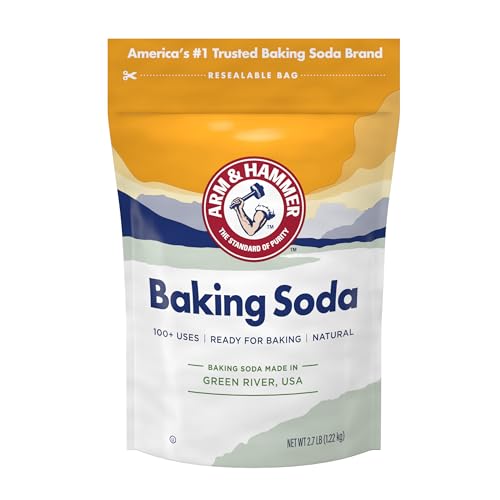
When your pool water turns cloudy despite a functioning filter, baking soda provides an effective and inexpensive solution that works alongside your filtration system.
How Baking Soda Naturally Balances pH Levels
Baking soda (sodium bicarbonate) naturally increases alkalinity in your pool water, bringing pH levels into the optimal 7.2-7.8 range. This chemical balance prevents the microscopic particles that cause cloudiness from forming and clumping together. As your filter circulates treated water, these particles become large enough to be captured instead of remaining suspended.
Step-by-Step Application Method
- Test your pool water using a reliable pH test kit to confirm low alkalinity.
- Calculate the amount needed – typically 1.5 pounds of baking soda per 10,000 gallons of water raises alkalinity by 10ppm.
- Sprinkle the baking soda evenly around the pool’s perimeter.
- Run your filter continuously for 24 hours to distribute the baking soda.
- Retest water chemistry after 6 hours to monitor progress.
3. Using Tennis Balls to Absorb Oils and Sunscreen Residue
Play with the #1 selling tennis ball in America! Penn Championship balls offer consistent feel and reduced shock thanks to their controlled fiber release and natural rubber construction. These regular duty balls are ideal for soft courts and suitable for all surfaces.

Why Tennis Balls Are Surprisingly Effective
Tennis balls contain a fuzzy felt exterior that naturally attracts and absorbs oils from your pool water. This material acts like a magnet for body oils, sunscreen residue, and other cosmetic products that regular filters often struggle to capture. These contaminants typically form an oily film on your water’s surface that can clog filter systems and reduce their efficiency. Tennis balls provide a simple, chemical-free solution that complements your existing filtration system without any complicated setup.
How to Implement This Simple Hack
Toss 2-3 clean tennis balls directly into your pool skimmer basket or let them float freely in the water. Replace the tennis balls every 1-2 weeks during heavy pool use seasons or when they appear visibly soiled. For maximum effectiveness, squeeze the balls occasionally while they’re in the water to release trapped air and enhance absorption capacity. You can also rotate multiple sets of tennis balls, allowing used ones to dry out completely in the sun before reusing them to restore their absorption properties.
4. Creating a DIY Sand Filter Cleaner from Household Items
Keep your spa water clean with HTH Spa Filter Cleaner. This deep-cleaning formula extends filter life and improves performance for all spa types.

Sand filters are workhorses of pool filtration, but they can become clogged with oils, debris, and contaminants over time. Instead of purchasing expensive commercial cleaners, you can create an effective sand filter cleaner using common household items.
Materials Needed for Your Homemade Cleaner
- 1 cup of dishwashing liquid (Dawn works best)
- 1/2 cup of white vinegar
- 1 empty plastic spray bottle
- 1 bucket for mixing
- Measuring cups
Application Process for Maximum Effectiveness
- Turn off your pool pump system completely.
- Mix the dishwashing liquid and vinegar with 2 cups of warm water in your bucket.
- Pour the solution into your filter’s sand bed through the multiport valve.
- Let the solution sit for 6-8 hours (preferably overnight).
- Backwash thoroughly for 3-5 minutes until water runs clear.
5. Repurposing Pantyhose as an Emergency Pre-Filter
Enjoy all-day comfort and a natural shape with L'eggs Everyday pantyhose. The sheer toe design complements open-toe shoes, and this pack of four ensures you're always prepared.

When your pool filter suddenly stops working efficiently and you can’t get replacement parts immediately, look no further than your dresser drawer for a clever solution.
Setting Up This Quick Temporary Solution
To create this emergency pre-filter, simply stretch a clean pair of pantyhose over your skimmer basket. Secure it with a rubber band around the rim to prevent it from slipping off. This makeshift filter will catch debris before it reaches your main filtration system, reducing the workload on your damaged or struggling filter.
Extending Your Filter’s Life Between Cleanings
This pantyhose hack works particularly well during heavy debris periods like fall leaf drops or after storms. Check and replace the pantyhose daily to prevent water flow restriction. You’ll notice significantly less debris reaching your main filter, which can extend cleaning intervals by up to 30% and reduce strain on overtaxed equipment when you need it most.
6. Implementing a Coffee Filter System for Fine Particle Removal
Coffee filters aren’t just for your morning brew—they can be an ingenious solution for removing fine particles that standard pool filters might miss. This budget-friendly hack can dramatically improve water clarity when your filter struggles with microscopic debris.
Setting Up the Coffee Filter Enhancement
To implement this system, place 2-3 standard basket coffee filters inside your skimmer basket. Position them so water flows through them before reaching your regular filter. Secure the edges with a rubber band to prevent bypass. This creates an additional filtration layer that catches particles as small as 20 microns.
Maintenance Schedule for Optimal Results
Replace coffee filters every 1-2 days during heavy pool use or after rainstorms. Check them daily for saturation—a clogged filter will reduce water flow. During normal conditions, changing filters twice weekly is typically sufficient. This simple maintenance routine can extend your main filter’s cleaning intervals by up to 40%.
7. Developing a Strategic Filter Rotation Schedule to Extend Lifespan
Creating Your Customized Rotation Plan
Strategic filter rotation extends your pool filter’s lifespan by up to 30% while maintaining optimal water quality. Start by documenting each filter component’s recommended cleaning frequency from the manufacturer. Create a calendar-based system that alternates between primary and backup filters every 2-3 weeks during peak season. This prevents any single filter from experiencing continuous strain and allows each component adequate recovery time between intensive filtering periods.
Tracking and Maintaining Your Filter Schedule
Use a waterproof log sheet near your pool equipment to track every filter maintenance action. Record dates, pressure readings, and specific procedures performed to identify patterns in filter performance. Set automated reminders on your phone that align with your rotation schedule, especially before heavy-use periods like holiday weekends. Consistent tracking helps you anticipate maintenance needs before problems develop, potentially saving hundreds in premature replacement costs and ensuring your pool stays crystal clear year-round.
Conclusion: Combining These Methods for Year-Round Filter Efficiency
Armed with these seven creative solutions you’re now ready to tackle almost any pool filter problem that comes your way. The beauty of these DIY approaches is that you can implement multiple methods simultaneously for maximum effectiveness.
By rotating filters using tennis balls to absorb oils while maintaining your homemade cleaning schedule you’ll dramatically extend your filter’s lifespan and improve water quality. These budget-friendly fixes not only save you money but also give you greater control over your pool maintenance routine.
Remember that prevention is always easier than repair. Implementing these innovative solutions proactively rather than reactively will keep your pool sparkling clean all season long. Your backyard oasis deserves nothing less than crystal-clear water for every swim.
Frequently Asked Questions
How do I know if my pool filter needs attention?
Watch for warning signs like increased pressure readings on your filter gauge, decreased water flow, cloudy water, or unusual noises from your filtration system. These symptoms indicate your filter may be clogged or experiencing issues that require cleaning or maintenance. Regular monitoring of these indicators can help you address problems before they escalate.
Can I use baking soda to clear cloudy pool water?
Yes, baking soda is an effective solution for cloudy pool water. It naturally balances pH by increasing alkalinity, helping to clear up cloudiness. Dissolve the appropriate amount based on your pool size in a bucket of water, then distribute it around the pool’s perimeter while the pump is running. Test your water chemistry after 24 hours.
How can tennis balls help with pool maintenance?
Tennis balls can absorb oils and sunscreen residue that accumulate in your pool water. Simply toss a few clean tennis balls into your pool and let them float. The fuzzy surface will attract and collect oils that standard filters miss. Replace the tennis balls periodically when they become saturated for continued effectiveness.
When should I DIY pool filter fixes versus calling a professional?
DIY fixes are appropriate for routine maintenance like cleaning cartridges, backwashing sand filters, or replacing simple parts. Call a professional when dealing with motor failures, internal valve damage, unusual electrical issues, or if your DIY efforts don’t resolve the problem within 24-48 hours. Safety should always be your priority.
How can I make a DIY sand filter cleaner?
Create an effective sand filter cleaner by mixing equal parts white vinegar and water in a bucket. Add a quarter cup of dish soap and stir gently. Turn off your pump, open the filter, and pour the solution over the sand. Let it sit for 6-8 hours before thoroughly backwashing. This homemade solution removes oils and mineral deposits effectively.
What’s the pantyhose pre-filter hack?
In an emergency, stretch clean pantyhose over your pool’s skimmer basket or return line to create a temporary pre-filter. This improvised solution catches debris before it reaches your main filter, reducing strain on your filtration system and extending time between cleanings. Replace the pantyhose frequently as it collects debris.
How can I extend the lifespan of my pool filters?
Implement a filter rotation schedule by documenting each filter component’s recommended cleaning frequency and creating a calendar-based system. Alternate between primary and backup filters, track maintenance actions, and set automated reminders for upcoming needs. This strategic approach can extend filter life by up to 30% and maintain optimal water quality year-round.
