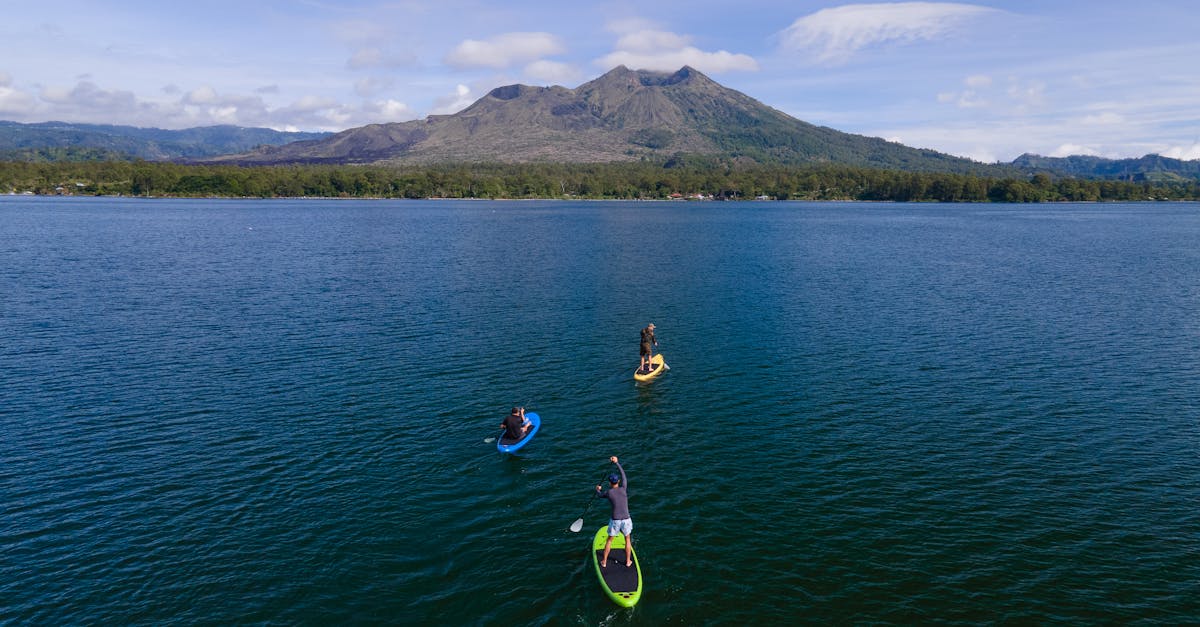
Paddleboarding vs Kayaking on Lakes: 7 Key Differences
Discover the key differences between paddleboarding and kayaking for lake adventures. Compare stability, learning curves, comfort, portability, and exercise benefits to find your perfect water sport.
Deciding between a paddleboard and kayak for your next lake adventure? These popular watercraft offer distinctly different experiences on the water, each with their own advantages and challenges.
While paddleboards provide a standing vantage point and full-body workout, kayaks offer stability and storage that many lake explorers prefer. Understanding the key differences between these water vessels will help you make the perfect choice for your specific needs, skill level, and the type of lake experience you’re seeking.
Disclosure: As an Amazon Associate, this site earns from qualifying purchases. Thank you!
Understanding the Basics: Paddleboarding vs Kayaking
Before diving into the specific differences between paddleboarding and kayaking on lakes, it’s important to understand what each activity actually entails and what makes them unique.
What Is Stand Up Paddleboarding?
Stand up paddleboarding (SUP) involves standing on a large, stable board while using a single long paddle to navigate across water. You’ll maintain an upright position, giving you a panoramic view of your surroundings. SUPs typically range from 10-12 feet long and offer exceptional versatility for fitness, exploration, and even yoga on calm lake waters.
What Is Kayaking?
Kayaking features a seated position in a narrow, enclosed or open-top vessel propelled using a double-bladed paddle. You’ll sit close to water level with legs extended inside the kayak’s hull. Modern recreational kayaks range from 9-14 feet long and are designed with stability features that make them approachable for beginners while still offering maneuverability for experienced paddlers.
Difference #1: The Learning Curve and Skill Requirements
Paddleboarding’s Initial Challenge
Paddleboarding presents a steeper initial learning curve than kayaking. You’ll need to develop core balance skills to stand confidently on the board, especially on lakes with gentle waves or boat wakes. Most beginners spend their first 15-30 minutes kneeling before transitioning to standing, requiring patience and body awareness that doesn’t come instantly.
Kayaking’s Stability Advantage
Kayaking offers immediate stability that most beginners find reassuring. You’re seated with a low center of gravity, making capsizing less likely even for first-timers. The learning curve focuses on paddling technique rather than balance, allowing you to enjoy lake exploration within minutes of your first launch. Most beginners master basic steering and propulsion within their first hour on the water.
Difference #2: Body Positioning and Comfort
The way your body interacts with your watercraft fundamentally shapes your lake experience. Paddleboards and kayaks create distinctly different body positions that affect your comfort, visibility, and physical impact during your time on the water.
Standing vs Sitting Experience
On a paddleboard, you’ll enjoy a commanding standing position that offers a 360-degree panoramic view of the lake. This upright stance lets you spot wildlife, underwater features, and distant shorelines that remain hidden to kayakers. Your elevated perspective creates an almost walking-on-water sensation that many paddleboarders find meditative and freeing.
Impact on Your Body After Hours on the Water
Kayaking’s seated position distributes weight across your back and legs, providing support during extended outings. You’ll likely experience less fatigue in your legs compared to paddleboarding. However, your lower back and hips may become stiff after hours in the cockpit. Paddleboarding’s standing position prevents this seated stiffness but demands continuous engagement of your leg muscles, often leaving your feet and calves tired after long sessions.
Difference #3: Equipment Weight and Portability
When planning a day at the lake, the weight and portability of your watercraft can significantly impact your overall experience, especially when it comes to transportation and setup.
Transporting Your Paddleboard
Paddleboards offer superior portability with most inflatable SUPs weighing just 15-25 pounds when deflated. You can easily fold them into a backpack-sized package that fits in your trunk or closet. Even rigid paddleboards, though bulkier, typically weigh 20-35 pounds and can be transported on roof racks by a single person.
Managing Your Kayak’s Bulk
Kayaks present more transportation challenges, weighing 40-70 pounds for recreational models. You’ll need roof racks or a trailer to transport traditional hard-shell kayaks, plus another person to help load and unload. Inflatable kayaks offer a more portable alternative at 25-35 pounds but still require more setup time than paddleboards.
Difference #4: Visibility and Connection With Nature
When exploring lakes, how you experience nature depends significantly on your watercraft choice. Paddleboarding and kayaking offer distinctly different perspectives on the surrounding environment, affecting everything from wildlife spotting to your overall connection with the water.
Paddleboarding’s Panoramic Views
On a paddleboard, you’ll enjoy unobstructed 360-degree views from your standing position. This elevated vantage point lets you spot distant wildlife, scan shorelines, and appreciate mountain reflections across the entire lake. Many paddleboarders report feeling more connected to their surroundings with nothing between them and the landscape.
Kayaking’s Intimate Water Experience
Kayaking places you just inches above the water’s surface, creating an immersive connection with the lake itself. You’ll notice subtle water movements, underwater features, and small aquatic life that paddleboarders miss from their higher position. This low-profile approach also makes you less visible to wildlife, increasing chances for close encounters with fish, turtles, and waterfowl.
Difference #5: Weather and Water Conditions
When planning your lake adventure, understanding how weather and water conditions impact paddleboarding versus kayaking can make or break your experience. These two watercraft respond quite differently to environmental factors you’ll encounter on lakes.
How Wind Affects Each Activity
Wind creates significant challenges for paddleboarders due to your elevated standing position. You’ll essentially become a human sail, making it difficult to maintain course in winds exceeding 10 mph. Your higher center of gravity also increases instability in gusty conditions. Kayaks perform better in windy conditions as your lower profile creates less wind resistance, and the hull design helps cut through headwinds more efficiently.
Handling Choppy Lake Waters
Kayaks excel in choppy waters with their enclosed design and lower center of gravity. You’ll feel more secure as waves pass beneath rather than destabilizing you. Paddleboards become considerably more challenging in choppy conditions, requiring constant adjustment of your stance and balance. For lake chop exceeding 6 inches, most paddleboarders find themselves kneeling or sitting to maintain stability, while kayakers can continue paddling with minimal disruption.
Difference #6: Storage Capacity and Gear Options
What You Can Bring on a Paddleboard
Paddleboards offer limited storage options compared to kayaks. You’ll typically have access to a small bungee cord system at the nose of your board for securing a dry bag, water bottle, and perhaps a small cooler. Some SUPs feature additional attachment points for fishing gear or cameras, but you’ll need to pack minimally and strategically. Everything you bring must be waterproof or packed in waterproof containers since splashing is inevitable.
Kayaking’s Superior Storage Solutions
Kayaks excel in storage capacity with dedicated compartments that keep gear dry and secure. You’ll find waterproof hatches in the bow and stern of most recreational kayaks, plus bungee systems on the deck for quick-access items. Many kayaks include cup holders, fishing rod holders, and gear tracks for customization. This superior storage makes kayaks ideal for day-long adventures, fishing trips, and even overnight excursions on lakes.
Difference #7: Exercise Benefits and Muscle Engagement
Paddleboarding’s Full-Body Workout
Paddleboarding delivers an exceptional full-body workout that engages multiple muscle groups simultaneously. Your core muscles constantly activate to maintain balance on the board, while your legs work to stabilize your stance. Each paddle stroke engages your shoulders, back, arms, and obliques, resulting in a comprehensive workout that improves overall strength, balance, and cardiovascular health without feeling like traditional exercise.
Kayaking’s Upper Body Focus
Kayaking primarily targets your upper body, with concentrated engagement of your shoulders, arms, chest, and back muscles through the paddling motion. Your core provides rotational power for efficient strokes, though less intensely than when paddleboarding. The seated position reduces lower body engagement but allows for higher intensity paddling sessions, making kayaking an excellent choice for building upper body endurance and strength while being gentler on your legs.
Choosing the Right Activity for Your Lake Adventure
Whether you’re drawn to the full-body workout of paddleboarding or the stability and storage of kayaking your choice ultimately comes down to personal preference and intended use. Paddleboards offer unmatched portability superior visibility and a meditative standing experience that connects you deeply with nature.
Kayaks excel in challenging conditions provide ample storage and deliver a more accessible entry point for beginners. They’re perfect for longer journeys fishing trips and exploration in varied weather conditions.
Consider your fitness goals comfort preferences and typical lake conditions when making your decision. Many enthusiasts eventually add both watercraft to their collection finding each offers a unique way to experience the tranquility and beauty of lake adventures.
Frequently Asked Questions
Is paddleboarding or kayaking easier for beginners?
Kayaking is generally easier for beginners. The seated position with a low center of gravity provides immediate stability, allowing novices to focus on paddling technique rather than balance. Most beginners can master basic steering within their first hour. Paddleboarding has a steeper learning curve as it requires core balance skills, with most beginners starting on their knees before standing up.
Which is more portable: a paddleboard or a kayak?
Paddleboards are significantly more portable. Inflatable SUPs weigh just 15-25 pounds when deflated and pack into a backpack-sized bag. Even rigid paddleboards (20-35 pounds) are manageable by one person. Kayaks are bulkier (40-70 pounds for recreational models) and typically require roof racks or trailers for transport, though inflatable kayaks (25-35 pounds) offer a more portable alternative.
Which offers better visibility on the water?
Paddleboards provide superior visibility with an unobstructed 360-degree view from a standing position, making it easier to spot wildlife and enjoy surrounding landscapes. This elevated perspective creates a commanding vantage point. Kayaking positions you lower to the water, which limits distant visibility but offers a more immersive experience for observing underwater features and aquatic life up close.
How do weather conditions affect paddleboarding vs. kayaking?
Weather impacts paddleboarding more significantly. The standing position makes paddleboarders more vulnerable to wind, affecting balance and paddling efficiency. Kayaks perform better in windy conditions due to their lower profile. Similarly, in choppy water, kayaks provide more stability and security with their enclosed design, while paddleboards require constant stance adjustments and greater skill to navigate effectively.
Which activity provides a better workout?
Paddleboarding delivers a more comprehensive full-body workout, engaging core, leg, and upper body muscles simultaneously while improving balance. The standing position constantly challenges your stabilizing muscles. Kayaking primarily targets the upper body (shoulders, arms, chest, and back) and allows for higher intensity paddling sessions. Both activities provide excellent cardiovascular benefits, though in different ways.
Which is better for longer trips and carrying gear?
Kayaks excel for longer trips due to their superior storage capacity. They feature dedicated waterproof compartments and extensive bungee systems for securing gear, making them ideal for day-long adventures, fishing trips, or even overnight excursions. Paddleboards have limited storage options, typically just a small bungee cord area on the deck for essential items like a dry bag or water bottle.
Can you fish from both a paddleboard and a kayak?
Yes, but kayaks are generally more fishing-friendly. Their stability and abundant storage make them ideal for carrying tackle boxes, coolers, and rod holders. Fishing kayaks come with specialized features like mounting tracks and stable designs. While paddleboard fishing has grown in popularity with specialized boards featuring attachment points for gear, the standing position can be challenging when reeling in larger fish.
Which is more versatile for different water conditions?
Kayaks offer greater versatility across varying water conditions. They handle choppy waters, currents, and wind more effectively due to their lower profile and tracking ability. Paddleboards excel in calm, clear conditions and can access extremely shallow waters where kayaks might bottom out. For lakes with variable conditions or for paddlers wanting to venture beyond protected coves, kayaks generally provide more consistent performance.