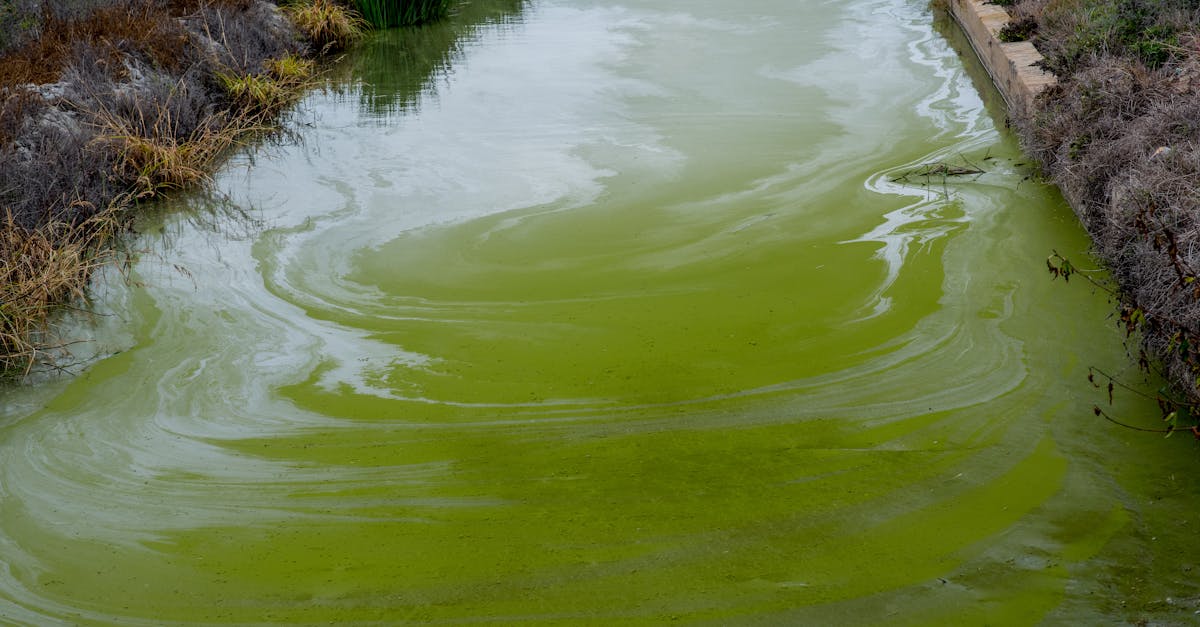
6 Best Algae Treatments for Ponds & Pools
Discover the most effective algae solutions for your pond or pool! Compare 6 chemical vs. natural treatments to find the perfect balance between quick results and eco-friendly maintenance for crystal-clear water.
Battling algae in your pond or pool can feel like an endless summer struggle. You’re faced with choosing between harsh chemicals that work quickly but raise environmental concerns, or gentler natural solutions that might take longer to show results.
Understanding the pros and cons of each treatment option helps you make an informed decision based on your specific needs, whether you’re dealing with string algae in a koi pond or green water in your swimming pool. We’ve analyzed the six most effective algae treatments—both chemical and natural—to help you reclaim your water feature’s beauty and clarity.
Disclosure: As an Amazon Associate, this site earns from qualifying purchases. Thank you!
Understanding the Battle Against Algae in Water Features
Algae growth represents a persistent challenge for anyone maintaining water features, whether it’s a backyard pond, decorative fountain, or swimming pool. These simple photosynthetic organisms thrive wherever there’s water, sunlight, and nutrients – the exact conditions your water features provide. Understanding the nature of algae helps you select the most effective treatment strategy for your specific situation.
Different water features face unique algae challenges. Koi ponds struggle with string algae that cling to surfaces and equipment, while decorative water gardens often battle planktonic algae that turn water green. Swimming pools fight black algae that stubbornly embeds in plaster and grout. Each type requires a tailored approach combining both preventative measures and reactive treatments.
The algae battle ultimately comes down to disrupting algae’s growth cycle by eliminating one or more of its essential requirements. Chemical treatments typically work by directly killing algae cells through oxidation or other chemical reactions. Natural treatments, on the other hand, often focus on competing with algae for nutrients or creating conditions where algae cannot thrive. Both approaches have their place in a comprehensive algae management strategy.
The 6 Best Chemical Algae Treatments for Effective Control
Chemical algae treatments offer fast, powerful solutions for stubborn algae problems in various water features. These formulations provide rapid results when natural remedies aren’t enough to combat severe infestations.
Copper Sulfate: The Traditional Algae Fighter
Copper sulfate delivers powerful algae control in larger water bodies like ponds and lakes. It works by disrupting algae cell membranes, causing quick die-off within 24-48 hours. Remember to calculate dosage carefully based on water volume and hardness, as overdosing can harm fish and plants.
Chlorine-Based Algaecides: Fast-Acting Solutions
Chlorine-based algaecides provide immediate results for swimming pools and smaller water features. These treatments kill algae cells on contact by oxidizing their cellular structures. They’re particularly effective against green water algae and surface blooms, working rapidly to restore water clarity within hours of application.
Quaternary Ammonium Compounds: Long-Lasting Protection
Quaternary ammonium compounds (QACs) offer extended algae prevention for up to 3 months per treatment. These modern algaecides destroy algae cell walls while creating a protective barrier on surfaces. QACs work effectively in both hard and soft water conditions without foaming, making them ideal for fountains and water features with moving parts.
Simazine: Preventative Treatment for Large Areas
Simazine acts as a pre-emergent herbicide that prevents algae spores from developing in large water bodies. It disrupts photosynthesis at the cellular level, blocking algae’s ability to produce energy. With a single application lasting up to 6 months, simazine provides cost-effective control for commercial ponds and lakes where long-term prevention is essential.
Hydrogen Peroxide-Based Solutions: Eco-Friendly Chemical Option
Hydrogen peroxide treatments offer a more environmentally conscious chemical approach to algae control. They work through rapid oxidation, breaking down into water and oxygen after destroying algae cells. These treatments are particularly effective against string algae in koi ponds and decorative water features, eliminating algae without harmful residues.
Polymer-Enhanced Algaecides: Targeted Control
Polymer-enhanced algaecides bond specifically to algae cells rather than dispersing throughout the entire water body. This targeted approach allows for lower chemical concentrations while maintaining effectiveness. These advanced formulations work well in water features with sensitive plants or fish, providing precision algae control with minimal environmental impact.
The 6 Best Natural Algae Treatments for Eco-Conscious Gardens
Barley Straw: The Slow-Release Organic Option
Barley straw creates a natural algae-inhibiting environment as it decomposes in water. When submerged, it releases compounds that prevent new algae growth without harming fish or plants. Add 1-2 bales per 1,000 gallons of water in mesh bags, replacing every 4-6 months for continuous protection.
Beneficial Bacteria: Nature’s Clean-Up Crew
Beneficial bacteria compete directly with algae for nutrients, effectively starving unwanted growth. These microscopic organisms consume the phosphates and nitrates that fuel algae blooms. Regular applications create a self-sustaining ecosystem that maintains clear water while supporting fish health and reducing pond maintenance.
UV Clarifiers: Physical Intervention Without Chemicals
UV clarifiers use ultraviolet light to destroy algae cells as water passes through the system. This physical control method disrupts algae DNA, preventing reproduction without introducing any substances into your water. Particularly effective against green water algae, UV systems provide 24/7 protection while remaining completely safe for fish and plants.
Comparing Effectiveness: Chemical vs. Natural Treatments
When evaluating algae treatments, effectiveness varies significantly based on timing, water conditions, and algae type. Chemical treatments typically deliver faster results, with many algaecides clearing visible algae within 24-48 hours. Natural solutions generally work more slowly, often taking 1-2 weeks to show comparable results, but provide longer-lasting prevention with fewer reapplication needs.
Speed of Action
Chemical treatments offer near-immediate intervention for severe algae problems. Copper-based algaecides can clear green water in as little as 24 hours, while quaternary ammonium compounds eliminate string algae within 2-3 days. These rapid solutions are particularly valuable when preparing water features for events or when algae growth threatens aquatic life through oxygen depletion.
Natural treatments typically require patience and planning. Barley straw takes 2-4 weeks to begin working effectively, while beneficial bacteria treatments need 7-10 days to establish colonies large enough to impact algae populations. UV clarifiers work more quickly than other natural options, clearing water within 3-5 days when properly sized for the water volume.
Environmental Impact
Chemical treatments pose varying degrees of environmental concern. Copper sulfate can be toxic to fish at concentrations above 0.25ppm and may accumulate in sediment over time. Chlorine-based treatments temporarily alter water chemistry, potentially stressing sensitive aquatic species and beneficial bacteria. These impacts necessitate careful dosing and monitoring of water parameters.
Natural treatments create minimal ecological disruption and often enhance overall water health. Beneficial bacteria improve water quality beyond algae control by breaking down organic waste. Aquatic plants not only compete with algae but provide habitat for beneficial aquatic life and improve oxygenation. These approaches support balanced ecosystems rather than disrupting them.
Long-Term Effectiveness
Chemical treatments typically require more frequent application, with most needing reapplication every 2-4 weeks during peak growing seasons. While highly effective for immediate control, they rarely address underlying nutrient imbalances that cause algae proliferation, creating a cycle of repeated treatment.
Natural treatments often provide superior long-term results by addressing root causes of algae growth. A combination of beneficial bacteria and aquatic plants can reduce maintenance needs by up to 75% after the initial establishment period. These approaches create self-regulating systems that maintain clearer water with minimal intervention once established.
Cost Comparison
Chemical treatments generally have lower initial costs but higher lifetime expenses. A typical algaecide treatment for a 1,000-gallon pond costs $15-30 per application, potentially totaling $150-300 per season with required reapplications. More specialized polymer-enhanced products can double these costs for larger water features.
Natural treatment systems often require higher upfront investment but reduced ongoing expenses. A comprehensive biological system might cost $100-250 initially for a small pond but require only $50-75 in annual maintenance. The return on investment typically occurs within 1-2 seasons for most natural approaches when properly implemented.
Safety Considerations for Fish and Aquatic Plants
When selecting between chemical and natural algae treatments, the safety of your aquatic ecosystem must be your top priority. Chemical solutions like copper sulfate and chlorine-based algaecides can be toxic to fish, beneficial bacteria, and aquatic plants when used incorrectly. Always check product labels for fish safety ratings and follow dilution instructions precisely to prevent gill damage or oxygen depletion that can lead to fish kills.
Natural treatments generally offer a safer profile for aquatic life. Barley straw and beneficial bacteria won’t harm fish or plants even when slightly overdosed. However, even natural solutions require proper implementation—UV clarifiers must be sized correctly to prevent water overheating, while manual removal should be done carefully to avoid disturbing fish habitats.
For sensitive ecosystems like koi ponds, perform partial water changes before and after chemical treatments to minimize exposure. Test water parameters (pH, ammonia, nitrites) regularly when using any treatment. Remember that young fish, spawning conditions, and certain plant species may require extra precautions, so always research species-specific sensitivities before treatment.
Choosing the Right Treatment for Your Water Feature
Whether you opt for chemical or natural algae treatments ultimately depends on your specific needs. Chemical options deliver quick results when facing severe blooms while natural alternatives provide sustainable long-term solutions with minimal environmental impact.
Consider your water feature’s ecosystem balance fish populations and how quickly you need results. For swimming pools a chemical approach might be ideal but for koi ponds natural treatments often prove safer for your aquatic pets.
Remember that the most effective strategy often combines preventative maintenance with targeted treatments. By understanding the strengths and limitations of each approach you’ll make better decisions for your particular situation maintaining clear beautiful water with minimal effort and maximum enjoyment.
Frequently Asked Questions
What causes algae growth in ponds and pools?
Algae thrive in environments with water, sunlight, and nutrients. Different types of algae affect various water features, such as string algae in koi ponds, planktonic algae in garden ponds, and black algae in swimming pools. Effective management involves disrupting algae’s growth cycle by eliminating one or more of these essential requirements.
Are chemical or natural algae treatments more effective?
Chemical treatments work faster, typically clearing visible algae within 24-48 hours. Natural treatments take longer but provide more sustainable, long-term prevention. The most effective approach depends on your specific situation, urgency requirements, and concerns about environmental impact.
What are the best chemical treatments for algae?
The most effective chemical treatments include copper sulfate, chlorine-based algaecides, quaternary ammonium compounds, simazine, hydrogen peroxide-based solutions, and polymer-enhanced algaecides. Each works differently to kill algae cells and prevent regrowth.
What natural algae treatments are available?
Eco-friendly options include barley straw, beneficial bacteria, UV clarifiers, and manual removal. These methods work by competing with algae for nutrients or creating conditions unfavorable for algae growth, rather than directly killing algae cells.
Are chemical algae treatments safe for fish and aquatic plants?
Chemical treatments like copper sulfate and chlorine-based algaecides can be toxic to fish and beneficial bacteria if not used correctly. Always check product labels, follow dilution instructions carefully, and consider the specific sensitivities of your aquatic ecosystem before application.
How do natural and chemical treatments compare in cost?
Chemical treatments typically have lower initial costs but may require more frequent application. Natural systems often have higher upfront costs but lead to reduced ongoing expenses and better long-term investment returns by addressing the root causes of algae growth.
How often should I treat my pond or pool for algae?
Treatment frequency depends on your method choice. Chemical treatments may need reapplication every few weeks during peak growing seasons. Natural systems, once established, often require less frequent maintenance but may need occasional reinforcement, especially during seasonal changes.
Can I combine chemical and natural treatments?
Yes, many pond and pool owners use a combination approach. For example, you might use a chemical treatment for rapid control of a severe outbreak, followed by natural prevention methods for long-term management. Always ensure compatibility between treatments.