5 Best Swim Buoyancy Devices for Safety That Could Save a Life
Discover the top 5 swim buoyancy devices that combine safety, comfort, and durability for swimmers of all ages. Learn how to choose the right flotation aid for maximum protection in the water.
Water safety is non-negotiable, especially when you’re enjoying recreational swimming or teaching little ones how to navigate the pool. Swim buoyancy devices provide that crucial layer of protection, keeping swimmers afloat while they build confidence and skills in the water.
Finding the right flotation aid can be overwhelming with countless options flooding the market. We’ve tested dozens of products to identify the five best swim buoyancy devices that perfectly balance safety, comfort, and durability for swimmers of all ages and abilities.
Disclosure: As an Amazon Associate, this site earns from qualifying purchases. Thank you!
Choosing the Right Swim Buoyancy Device for Maximum Safety
Selecting the proper swim buoyancy device requires careful consideration of several key factors. Your choice directly impacts both safety and comfort in the water. When shopping for the ideal flotation aid, focus on these essential elements:
- Water Activity Type – Match your device to your specific activity. Recreational pool swimming requires different buoyancy support than open water swimming or water aerobics. For instance, swim belts work well for water exercises, while neck floats are better suited for beginning swimmers in controlled environments.
- Proper Sizing – A well-fitted buoyancy device provides optimal safety protection. Always check manufacturer guidelines for weight and size recommendations before purchasing. Remember that a device that’s too large can slip off, while one that’s too small won’t provide adequate flotation.
- Material Quality – Durable, non-toxic materials ensure longevity and safety. Look for devices made from high-density foam or inflatable options with thick, puncture-resistant vinyl. Quality materials resist UV damage and chlorine deterioration, extending the life of your investment.
- Certification Standards – Always verify that the device meets recognized safety standards. Look for US Coast Guard approval or similar certification logos on packaging. These certifications guarantee the device has undergone rigorous testing for reliability and performance in water.
- User Experience Level – Consider the swimmer’s comfort and ability. Beginners might prefer more comprehensive support from swim vests, while intermediate swimmers could benefit from pull buoys that allow greater freedom of movement while still providing necessary assistance.
1. Swim Belts: The Traditional Flotation Solution
Swim belts have stood the test of time as reliable buoyancy aids for swimmers of all ages. These adjustable belts feature foam blocks that wrap around the waist, providing crucial flotation while keeping arms and legs free for proper swimming technique development.
Key Features of Top Swim Belts
Quality swim belts offer quick-release buckles for emergency removal, adjustable sizing to accommodate growth, and bright colors for high visibility. The best models use durable, non-absorbent foam that won’t deteriorate in chlorinated pools. Look for belts with at least 3-5 foam blocks that can be removed gradually as swimming skills improve.
Best Uses and Limitations
Swim belts excel in structured swim lessons where instructors monitor progress and gradually reduce buoyancy. They’re ideal for helping beginners practice proper arm and leg movements without sinking. However, they’re not suitable for open water or unsupervised swimming, as they can slip if improperly secured and may promote poor vertical body position unless properly taught.
2. Inflatable Swim Armbands: Perfect for Beginners
Inflatable swim armbands remain one of the most recognizable and widely used buoyancy devices for children learning to swim. These simple yet effective flotation aids slip onto a child’s upper arms and provide immediate buoyancy support while allowing kids to experience water movement with more freedom than full-body flotation devices.
Leading Armband Options for Children
For optimal safety, look for armbands made with dual air chambers like Speedo’s Begin to Swim Classic Armbands. The SwimSchool Deluxe TOT Swimmer features fabric-covered armbands that prevent chafing on sensitive skin. For older children, Konfidence ArmBands offer adjustable buoyancy with vibrant designs that make water safety fun and engaging.
Safety Considerations When Using Armbands
Never leave children unattended while using armbands, as they can deflate unexpectedly or slip off during active play. Always check for proper inflation before each use and ensure they’re appropriately sized—too loose and they’ll slide off, too tight and they’ll restrict circulation. Remember that armbands are training tools, not life-saving devices, and should always be used with constant adult supervision within arm’s reach.
3. Full-Body Swim Vests: Comprehensive Protection
Full-body swim vests offer the most complete flotation support while keeping the wearer’s head above water, even in challenging conditions. These devices provide buoyancy across the torso while allowing arms and legs to move freely for swimming practice.
Top-Rated Swim Vests for Different Age Groups
For toddlers (1-3 years), the Stohlquist Toddler Life Jacket features a grab handle and crotch strap for added security. School-age children benefit from O’Neill Youth SuperLite USCG vests with adjustable straps and front zipper. Adults should consider the Onyx MoveVent Dynamic vest with mesh drainage panels and expandable sides for comfort during extended wear.
Proper Fitting and Usage Guidelines
A properly fitted swim vest should feel snug but not restrictive—you should be able to fit two fingers between the vest and shoulders. Always secure all straps, buckles and zippers before entering water. Test the vest in shallow water first to ensure proper buoyancy. Remember that even the best vest requires active supervision, especially for children and inexperienced swimmers.
4. Swim Rings and Tube Floats: Recreational Support Options
Swim rings and tube floats offer excellent recreational buoyancy options that combine safety with fun. These familiar devices provide reliable support for casual swimming while allowing users to enjoy the water with confidence.
Most Reliable Brands and Models
Intex’s Color Whirl Tube stands out with its durable 18-gauge vinyl construction and vibrant design that enhances visibility. SwimWays Spring Float features tear-resistant fabric covering and a comfortable inner spring for stability. For children, the Speedo Begin to Swim Printed Swim Ring provides reliable buoyancy with child-friendly graphics and sturdy grab handles that prevent slipping.
When to Use Rings Versus Other Devices
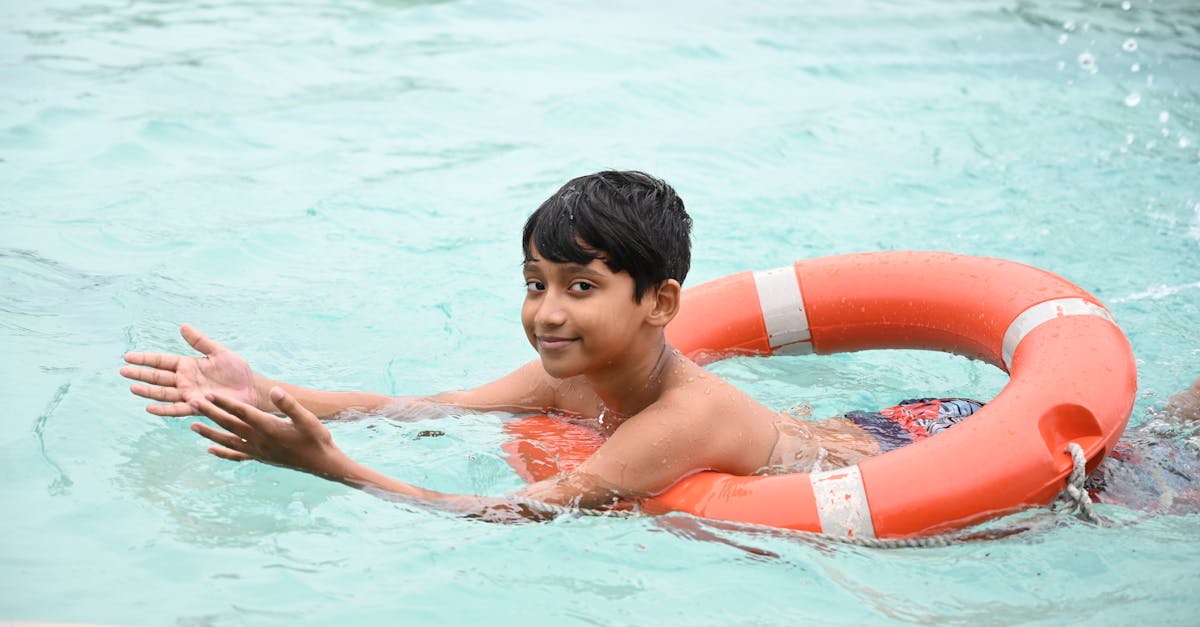
Swim rings work best in controlled environments like pools with supervision, making them ideal for recreational swimming and water play. Choose vests instead when in open water or for non-swimmers requiring thorough protection. Rings offer more freedom of movement than vests but less security than armbands for beginners. They’re perfect for supervised play sessions where combining enjoyment with basic flotation support is the primary goal.
5. Pull Buoys and Kickboards: Training Aids with Safety Benefits
Pull buoys and kickboards aren’t just training tools for competitive swimmers—they’re valuable safety devices that can provide crucial buoyancy support while helping develop proper swimming technique. These devices offer dual benefits by supporting skill development while providing flotation assistance during your water activities.
Professional-Grade Options for Swimmers
The Speedo Team Kickboard features a streamlined design with ergonomic hand grips for exceptional stability and control in the water. For pull buoy options, the TYR Hydrofoam Pull Float delivers reliable buoyancy with its hydrodynamic shape and chlorine-resistant EVA foam construction. Finis’ Ultra Pull Buoy offers adjustable buoyancy levels for swimmers of different sizes and abilities.
Incorporating These Devices into Swim Training
You’ll gain maximum safety benefits by using pull buoys between your thighs to keep your lower body afloat while strengthening your upper body. Kickboards should be gripped with extended arms to maintain proper body position during leg-focused drills. Alternate between devices during training sessions to develop balanced swimming skills while maintaining continuous buoyancy support. These tools provide immediate assistance if you experience fatigue in deep water.
How to Maintain Your Swim Buoyancy Device for Longevity and Safety
Choosing the right swim buoyancy device is just the first step toward water safety. Whether you’ve selected a swim belt swim armbands full-body vest swim ring or training aids like pull buoys and kickboards proper maintenance ensures they’ll perform when needed most.
Rinse your device with fresh water after each use to remove chlorine salt and debris. Store it in a cool dry place away from direct sunlight which can degrade materials over time. Regularly inspect for signs of wear tears or deflation and replace immediately if compromised.
Remember even the best flotation device is no substitute for supervision especially with children or inexperienced swimmers. By selecting the appropriate buoyancy aid for your specific needs maintaining it properly and using it as directed you’ll enjoy safer more confident water experiences for years to come.
Frequently Asked Questions
What is the purpose of a swim buoyancy device?
Swim buoyancy devices provide essential protection in water, helping swimmers stay afloat while building confidence and skills. They offer crucial support for beginners learning to swim and can serve as safety aids for recreational swimmers of all levels. These devices are designed to reduce drowning risk while allowing appropriate freedom of movement based on the swimmer’s ability level.
How do I choose the right swim buoyancy device?
Choose a device that matches your specific water activity, ensures proper sizing for optimal safety, features high-quality durable materials, meets certification standards, and is appropriate for the user’s experience level. For children, bright colors for visibility and comfortable materials are important. For open water, select Coast Guard-approved devices rather than training aids designed only for pools.
Are swim belts suitable for all swimmers?
Swim belts are versatile for swimmers of various ages during structured lessons, but they’re not ideal for everyone. They work best under supervision and aren’t recommended for open water or unsupervised swimming due to potential slipping. While excellent for developing proper technique with their adjustable buoyancy, swim belts may promote poor body positioning if used incorrectly.
How safe are inflatable armbands for children?
Inflatable armbands provide immediate buoyancy support for children learning to swim, but they are training tools, not life-saving devices. They should always be used with adult supervision, properly sized, and regularly checked for proper inflation. Quality options like Speedo’s Begin to Swim Classic Armbands offer dual air chambers for added safety.
What advantages do full-body swim vests offer?
Full-body swim vests provide comprehensive flotation support while keeping the wearer’s head above water. They allow free movement of arms and legs for swimming practice while offering more security than other buoyancy devices. These vests are especially beneficial for open water activities and for inexperienced swimmers who need reliable, consistent buoyancy support.
When should swim rings be used instead of other flotation devices?
Swim rings and tube floats are best used in controlled environments like pools for recreational swimming. They’re ideal for supervised play sessions where enjoyment and basic flotation support are the primary goals. While they offer more freedom of movement than vests, they provide less security than armbands for beginners and aren’t suitable for non-swimmers in open water.
How do pull buoys and kickboards enhance water safety?
Pull buoys and kickboards serve dual purposes as both training tools and safety devices. They provide crucial buoyancy support while helping develop proper swimming technique. During fatigue in deep water, these devices can offer emergency flotation assistance. They’re particularly valuable for improving stroke efficiency and building water confidence in a structured training environment.
Can buoyancy devices replace adult supervision for children?
No buoyancy device, regardless of quality or design, can ever replace active adult supervision. These devices are swimming aids, not guaranteed drowning prevention tools. Children should always be watched constantly when in or near water, even when using the most reliable flotation devices. The primary safety factor is always attentive adult supervision.