7 Common Pool Leak Causes to Analyze That Homeowners Often Miss
Discover the 7 most common causes of pool leaks, from structural cracks to faulty equipment. Learn to spot early warning signs and save yourself costly repairs before small issues become major problems.
Noticing a constantly decreasing water level in your pool can be frustrating and potentially costly if not addressed quickly. Pool leaks often develop gradually, making them difficult to detect until significant water loss occurs or structural damage becomes apparent. Understanding the common causes of these leaks will help you identify problems early and take appropriate action before minor issues turn into major repairs.
Whether you’re dealing with structure cracks, equipment failures, or plumbing issues, knowing what to look for is the first step in effective leak detection. This guide will walk you through the seven most common causes of pool leaks, helping you analyze potential problem areas and determine whether you need professional assistance.
Disclosure: As an Amazon Associate, this site earns from qualifying purchases. Thank you!
1. Cracks in the Pool Structure
Structural cracks are among the most common and serious causes of pool leaks. These fractures compromise your pool’s integrity and can lead to significant water loss if left unaddressed.
Identifying Structural Damage
Look for visible cracks, especially after winter or following ground movement. Telltale signs include wet spots around the pool’s exterior, uneven deck settling, or bulging walls. Water level dropping more than 1/4 inch daily often indicates structural damage rather than normal evaporation.
Common Locations for Structural Cracks
Cracks frequently develop at stress points like corners, around skimmers, and near return jets. The floor-wall junction is particularly vulnerable, especially in concrete pools. Aging pools typically show cracks around steps and in areas where temperature fluctuations cause expansion and contraction of materials.
Control your pool's flow with this Hydrostream return jet fitting. It features a 1/2" opening, 1-1/2" MIP thread, and adjustable eyeball, replacing Hayward SP1419C.


2. Faulty Plumbing Connections
Plumbing systems connect all critical components of your pool, making them prime suspects when water levels consistently drop. These connections can develop problems over time due to age, pressure changes, or improper installation.
Signs of Pipe Leaks
You’ll notice persistent wet spots around your equipment pad that never seem to dry. Bubbles in the return jets often indicate air being drawn into the system through cracks. Listen for unusual gurgling sounds when your pump is running, as this suggests air infiltration through compromised pipes. Increasing chemical demands may also signal water loss through hidden plumbing leaks.
How Loose Fittings Contribute to Water Loss
Loose fittings at valves, unions, and pipe connections create escape routes for water that may go undetected for weeks. Pressure fluctuations during equipment cycling gradually worsen these small gaps. Temperature changes cause expansion and contraction, loosening PVC connections over time. Even tiny drips from these connections can add up to significant water loss—potentially hundreds of gallons per week in severe cases.
3. Equipment and Pump System Failures
Pool equipment systems are responsible for circulation, filtration, and water treatment – making them critical potential leak sources that often go unnoticed until significant water loss occurs.
Main Points of Vulnerability in Pool Equipment
Your pool’s pump, filter, heater, and chlorinator all contain seals and connections that deteriorate over time. Common failure points include pump lid O-rings, filter tank clamps, multiport valve seals, and heater header gaskets. Pressure-side leaks typically occur while equipment is running, while suction-side leaks manifest when the system is off.
Diagnosing Pump and Filter Leaks
Check for water pooling beneath equipment while the system runs. Tighten loose connections and replace cracked lids or damaged O-rings immediately. Test for leaks by applying shaving cream to suspected areas – bubbling indicates escaping air or water. For underwater equipment connections, use pool dye tests near return jets and skimmer baskets to identify suction issues.
4. Damaged Pool Liner Issues
This durable, standard gauge vinyl liner provides a vibrant blue finish for your 24-foot round above ground pool. Its strong, double-welded seams ensure a secure fit for 48-inch or 52-inch sidewalls.

Vinyl and fiberglass pool liners serve as critical barriers keeping water in your pool. When these liners become damaged, they often create leaks that can rapidly drain your pool and cause extensive damage to the surrounding structure.
Identifying Tears and Punctures
Vinyl liner tears typically appear as obvious rips or small punctures in the material. Inspect your liner during routine cleaning, paying special attention to areas near sharp corners, steps, and ladder attachments. Look for water loss coinciding with visible damage, bubbles forming behind the liner, or wrinkles developing where the material has shifted. Sharp objects like pool tools, toys, or even pet claws can easily cause these punctures.
Age-Related Deterioration in Vinyl Liners
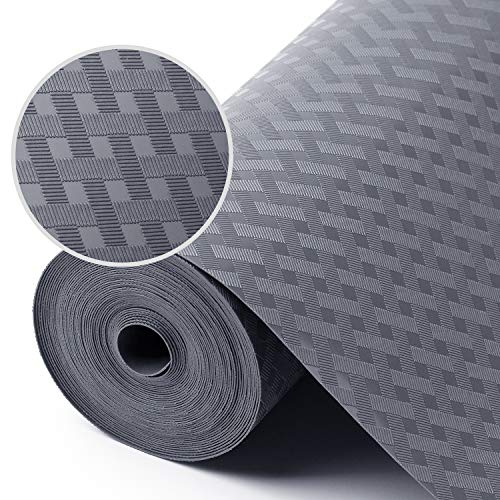
Protect your shelves and drawers with these BPA-free EVA liners. They're easy to cut, clean, and waterproof, making them ideal for keeping your kitchen and refrigerator organized and fresh.
Most vinyl pool liners last 7-10 years before natural breakdown occurs. Watch for signs of brittleness, fading, or stretching, particularly along waterline areas exposed to UV radiation and chemicals. Liner material may become thin and vulnerable at the corners or develop small cracks in folded areas. Chemical imbalances—especially high chlorine or low pH levels—significantly accelerate this deterioration process, making regular water testing essential for liner longevity.
5. Skimmer and Return Jet Problems
Pool skimmers and return jets are common leak sources that often go unnoticed until significant water loss occurs. These critical components create vulnerable points in your pool’s structure where water can escape.
Detecting Skimmer Box Separation
Skimmer boxes can separate from the pool wall over time, creating hidden leak paths. Look for cracks or gaps around the skimmer face plate, particularly after ground shifting or winter freeze-thaw cycles. Water stains or dampness on the deck behind skimmers indicate ongoing leakage that requires immediate attention.
Leaking Seals Around Jets and Return Fittings
Return jet fittings frequently develop leaks where they penetrate the pool wall. Check for moisture around jet housings, bubbles emerging when the pump runs, or unusually wet soil behind jet locations. Deteriorated gaskets, loose fittings, or cracked housings all create escape routes for water that can waste thousands of gallons monthly if left unrepaired.
6. Compromised Underwater Lighting Systems
Enhance your outdoor space with these submersible LED lights featuring 16 colors, adjustable brightness, and a timer function. Waterproof and versatile, they can be installed underwater or as landscape lighting for gardens, ponds, and more.

Pool lighting systems are submerged components that require proper sealing to maintain waterproof integrity. When these systems fail, they can become significant sources of water loss.
Signs of Leakage Around Light Fixtures
Look for unexplained moisture or water accumulation around your pool light niches and housings. Bubbles escaping from light fixtures during operation strongly indicate a leak in the system. You might also notice dimming or flickering lights, moisture inside the lens, or corroded connections when the water level drops below the fixture.
Understanding Conduit and Housing Failures
Pool light conduits are designed with a critical “loop” system to prevent water from reaching your home’s electrical system. Cracks in aging light housings or deteriorated gaskets can create direct leak paths. You’ll often find that temperature fluctuations and exposure to chemicals accelerate the breakdown of seals, particularly in older systems installed before modern waterproofing standards.
7. Evaporation Versus Actual Leaks
Distinguishing Between Natural Water Loss and Leaks
Not every drop in water level indicates a leak in your pool. Natural evaporation can account for ¼ to ½ inch of water loss daily, depending on your climate, temperature, humidity, and wind exposure. Water splashing from regular use and backwashing your filter also contribute to normal water reduction. Before assuming you have a leak, track your water level consistently for several days to establish a pattern.
Conducting the Bucket Test for Confirmation
The bucket test offers a simple yet effective way to determine whether water loss is due to evaporation or a leak. Fill a bucket with pool water and place it on the pool steps, ensuring the water level matches your pool’s level. Mark both levels and check them after 24 hours. If the pool loses more water than the bucket, you’re likely dealing with a leak rather than normal evaporation, warranting further investigation.
Finding and Fixing Your Pool Leak
Staying vigilant about your pool’s water levels can save you thousands in repairs down the road. Now that you’re familiar with the most common leak culprits—from structural cracks and plumbing issues to equipment failures and damaged liners—you’ll be better equipped to identify problems before they escalate.
Remember that early detection is your best defense. Regular inspections of your pool’s structure components and equipment can prevent minor issues from becoming major headaches. If you’ve conducted the bucket test and confirmed a leak exists it’s time to take action.
Don’t hesitate to call a professional if you’re unsure about the source or severity of a leak. Their specialized equipment and expertise can pinpoint problems that might otherwise go undetected. Your beautiful backyard oasis deserves proper care to keep it functioning perfectly for years to come.
Frequently Asked Questions
How much water loss is normal for a swimming pool?
Normal water loss due to evaporation typically ranges from ¼ to ½ inch per day, depending on your climate, humidity levels, and pool usage. Wind, temperature, and whether you use a pool cover all affect evaporation rates. If you’re losing more than this consistently, you may have a leak that requires investigation.
What is the bucket test for pool leaks?
The bucket test helps determine if water loss is from evaporation or a leak. Place a bucket filled with pool water on your pool steps (keep the bucket rim above water). Mark water levels inside the bucket and pool. After 24 hours, compare both levels. If the pool level drops more than the bucket water level, you likely have a leak.
Where are the most common places for pool leaks?
The most common leak locations include: structural cracks at the floor-wall junction and around corners; plumbing connections at valves and equipment; skimmer boxes where they attach to the pool wall; equipment seals on pumps, filters, and heaters; damaged pool liners (especially near steps and sharp corners); and underwater light fixtures and their conduits.
How can I tell if my pool skimmer is leaking?

Look for cracks or gaps around the skimmer faceplate, separation between the skimmer and pool wall, wet soil around the skimmer area, or unusually rapid water loss when the water level reaches the skimmer. You can also perform a dye test by injecting food coloring near the skimmer while the pump is off to see if the dye gets pulled into any cracks.
What causes cracks in concrete pools?
Concrete pools can crack due to ground settlement, freeze-thaw cycles in colder climates, poor initial construction, shifting soil conditions, or age-related deterioration. Hydrostatic pressure (groundwater pushing against the pool shell) can also cause cracks when a pool is drained without proper precautions. Even small hairline cracks can lead to significant water loss over time.
How long do vinyl pool liners typically last?
Vinyl pool liners typically last 7-10 years before needing replacement. Factors affecting lifespan include water chemistry (particularly chlorine levels and pH balance), UV exposure, physical damage from sharp objects, and proper winter maintenance. Regular inspection and prompt repair of small tears can extend liner life.
Can pool equipment cause significant water loss?
Yes, equipment leaks can cause substantial water loss. Common issues include worn pump lid O-rings, cracked filter tanks, loose plumbing connections, and failed gaskets in heaters. These leaks may seem minor but can waste thousands of gallons monthly. Check for water pooling beneath equipment and listen for unusual pump sounds that might indicate air leaks.
How do I know if underwater lights are leaking?
Create vibrant ambiance with this battery-powered LED light! It features 16 colors, dynamic modes, and remote control for easy customization in vases, bowls, pools, and more.

Signs of leaking underwater lights include moisture inside the light fixture, air bubbles escaping from around the fixture when the light is on, dimming or flickering lights, or water loss that corresponds with when lights are used. The conduit that houses the wiring is often a hidden leak pathway, especially in older pools.
When should I call a professional for a pool leak?
Call a professional if: your pool loses more than two inches of water weekly, you’ve confirmed a leak using the bucket test but can’t locate it, you notice structural issues like deck settling or cracks, you’ve identified a leak in areas requiring specialized repair (like underground plumbing), or DIY repairs haven’t resolved the issue.
How much does professional leak detection typically cost?
Professional leak detection services typically cost between $300-$600, depending on your location, pool size, and complexity. Most professionals use specialized equipment like electronic leak detectors, pressure testing, and underwater cameras. While this represents an upfront cost, it can save thousands in water bills and prevent structural damage when leaks are located and repaired quickly.