
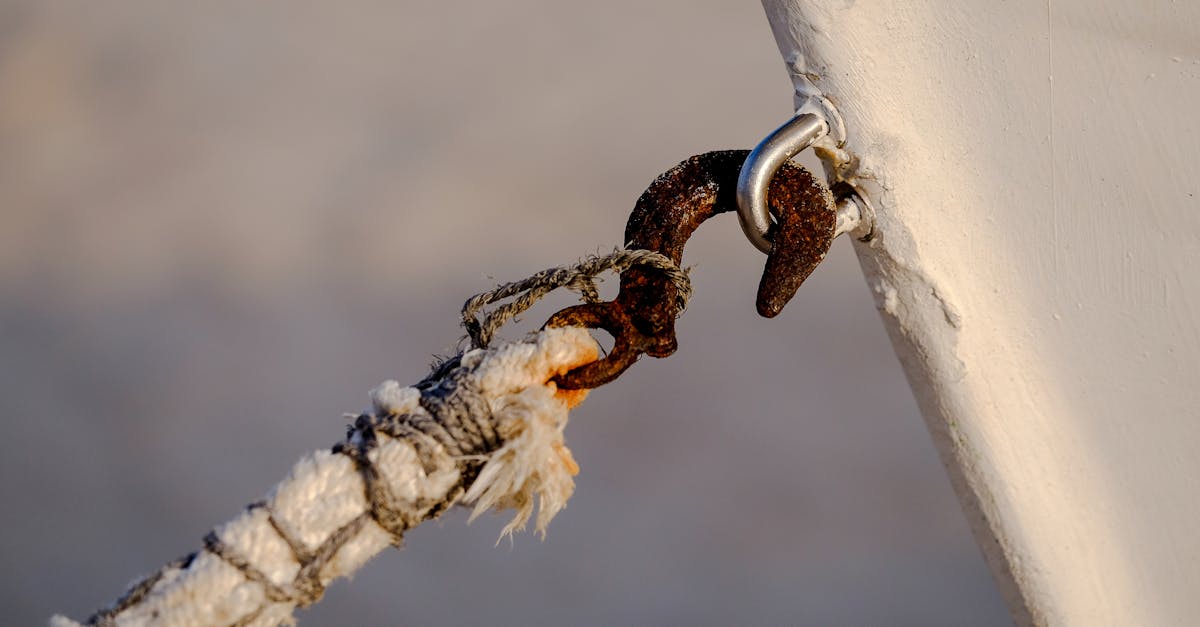
7 Ways To Prevent Rust On Metal Beach Equipment That Locals Swear By
Discover 7 effective, budget-friendly methods to shield your metal beach gear from rust damage caused by salt and moisture, extending equipment life and saving you money.
Salty air and ocean spray create the perfect storm for rust to attack your metal beach equipment, potentially ruining expensive gear and creating safety hazards. When metal corrodes at the beach, it’s not just an aesthetic problem—it can weaken structural integrity, create sharp edges, and ultimately force you to replace your favorite items prematurely.
Protecting your beach chairs, umbrellas, fishing gear and metal coolers from rust doesn’t require complex chemistry or expensive solutions—just some simple preventative habits that’ll save you money and extend the life of your equipment.
Disclosure: As an Amazon Associate, this site earns from qualifying purchases. Thank you!
Understanding Why Beach Equipment Rusts So Quickly
The Perfect Storm of Corrosive Elements
Beach environments create the ideal conditions for rust formation on metal equipment. The combination of salt water, high humidity, and constant moisture forms a powerful corrosive cocktail. When saltwater evaporates on metal surfaces, it leaves behind salt crystals that accelerate the oxidation process. Even equipment that doesn’t directly touch ocean water isn’t safe—salt-laden air carries microscopic particles that settle on your gear and begin the corrosion process.
The Science Behind Metal Oxidation
Rust forms when iron in metal reacts with oxygen in the presence of moisture, creating iron oxide. At beaches, this chemical reaction happens at an accelerated rate. The salt in seawater acts as an electrolyte, essentially creating a natural battery effect that speeds up the oxidation process by up to 5 times compared to freshwater environments. Temperature fluctuations between hot days and cool evenings create condensation, providing the moisture needed for rust to form even when your equipment isn’t visibly wet.
Common Vulnerability Points
Your beach equipment’s connectors, joints, and crevices are particularly susceptible to rust. These areas trap salt and moisture, creating concentrated corrosion zones. Metal fasteners on beach chairs, umbrella mechanisms, fishing gear components, and cooler hardware often fail first. Equipment with scratched or damaged protective coatings exposes bare metal, giving rust an easy entry point. Even stainless steel, despite its name, isn’t completely immune—it just corrodes more slowly than standard steel or iron.
1. Apply Marine-Grade Protective Coatings
Choosing the Right Rust-Resistant Paint
Marine-grade protective coatings offer specialized defense against salt and moisture. Look for paints specifically labeled for marine environments, containing zinc phosphate or zinc-rich primers that create a sacrificial barrier. Products like Rust-Oleum Marine Coatings or Petit Marine Paints provide excellent corrosion resistance for beach chairs, umbrellas, and metal coolers. Always check UV-resistance ratings to prevent premature coating breakdown under intense sun exposure.
Application Techniques for Maximum Protection
Start with thorough cleaning to remove existing rust, salt deposits, and oils using a wire brush and degreaser. Apply thin, even coats rather than one thick layer to prevent bubbling or peeling. For optimal protection, use a spray application on complex joints and a brush for flat surfaces. Allow full curing between coats (typically 24 hours) and apply at least two layers for maximum durability. Retreat high-friction areas like chair hinges seasonally for continued protection.
2. Rinse Equipment Thoroughly After Each Beach Trip
Proper Fresh Water Cleaning Methods
Always rinse your metal beach equipment with fresh water immediately after each use. Use a high-pressure garden hose to blast away salt and sand from hard-to-reach areas like joints and crevices. For stubborn salt deposits, apply a mild dish soap solution with a soft brush, working from top to bottom. Remember to disassemble complex items like fishing reels or folding chairs when possible to ensure thorough cleaning.
Importance of Removing Salt Residue
Salt residue acts as a corrosion accelerator, continuously attracting moisture from the air even after your equipment appears dry. Just one missed rinse can leave microscopic salt crystals that begin the oxidation process within hours. Studies show that metal exposed to salt residue can corrode up to 10 times faster than metal in fresh water environments. Even “salt-resistant” metals will eventually succumb to corrosion if salt is allowed to remain on surfaces.
3. Use Sacrificial Anodes for Larger Metal Equipment
For more substantial beach investments like metal boat trailers, large coolers, and fishing equipment racks, sacrificial anodes provide exceptional rust protection through electrochemical science.
How Sacrificial Anodes Work
Sacrificial anodes are made from metals like zinc, aluminum, or magnesium that corrode more easily than your equipment. When attached to your metal gear, these anodes “sacrifice” themselves by attracting corrosive elements first, sparing your valuable equipment. The anode essentially becomes the target for corrosion instead of your boat trailer or fishing cart, extending equipment life by 2-3 times under harsh beach conditions.
Installation and Replacement Guidelines
Mount anodes securely against bare metal surfaces using stainless steel fasteners for proper electrical contact. Install them on submerged or frequently wet areas of equipment, replacing when they’ve lost 50% of their original mass. For trailers and carts used in saltwater environments, inspect anodes monthly during peak season. Most marine supply stores carry appropriately sized anodes for different equipment types, with costs typically ranging from $15-40.
4. Store Equipment in Dry, Climate-Controlled Spaces
Creating Optimal Storage Conditions
Proper storage is critical for preventing rust on your metal beach equipment during off-seasons or between uses. Store your gear in a climate-controlled space with humidity levels below 50% to inhibit oxidation. Avoid basements, garages, and sheds that experience temperature fluctuations and moisture buildup. If possible, dedicate a closet inside your home for beach equipment storage, maintaining consistent temperature and humidity year-round.
Using Moisture-Absorbing Products
Silica gel packets and desiccant containers actively remove moisture from the air surrounding your metal beach equipment. Place several silica gel packets in storage containers with smaller items like fishing tackle. For larger equipment storage areas, use rechargeable dehumidifiers or moisture-absorbing buckets that can collect up to 2 pints of water. These products cost between $10-30 and can dramatically reduce rust formation by maintaining a dry microenvironment around your valuable beach gear.
5. Apply Regular Lubricant and Corrosion Inhibitors
Lubricants and corrosion inhibitors create protective barriers that prevent moisture and salt from contacting metal surfaces directly. These products work by displacing water and creating a shield against corrosive elements that cause oxidation.
Best Products for Beach Equipment
WD-40 Marine is specifically formulated to repel saltwater and provides excellent protection for beach chairs and umbrellas. Boeshield T-9, developed by Boeing, offers long-lasting protection even in extreme salt environments. CRC Heavy Duty Corrosion Inhibitor creates a waxy protective film that’s ideal for fishing reels and metal cooler components. Always choose products labeled “marine-grade” for maximum saltwater resistance.
Maintenance Schedule Recommendations
Apply lubricants to hinges, joints, and moving parts monthly during regular use, or weekly with daily exposure. Corrosion inhibitors should be reapplied every 30-45 days on exposed surfaces. After heavy salt exposure or rainfall, treat equipment within 24 hours regardless of your regular schedule. Set calendar reminders at the beginning of beach season to establish a consistent maintenance routine. Proper application timing can extend equipment life by 200-300%.
6. Implement Cathodic Protection Systems
Benefits for Long-Term Rust Prevention
Cathodic protection systems offer unparalleled defense against rust by altering the electrochemical process that causes corrosion. These systems can extend your beach equipment’s lifespan by up to 500% compared to unprotected items. Unlike temporary solutions, cathodic protection works continuously, even when your equipment is exposed to harsh salt spray. You’ll see dramatic results on larger metal items like beach carts, fishing rod holders, and boat trailers where conventional methods often fall short.
DIY vs. Professional Installation Options
For smaller beach equipment, DIY impressed current systems using small batteries and anodes are surprisingly affordable ($25-50) and simple to install. You’ll need basic tools, wire connectors, and zinc or aluminum anodes available at marine supply stores. Professional installation becomes necessary for valuable or complex equipment, typically costing $100-300 depending on size. While professionals offer warranties and precise installation, most weekend warriors can handle basic cathodic protection setups for standard beach gear with minimal electrical knowledge.
7. Choose Rust-Resistant Metals When Purchasing New Equipment
Best Metal Options for Beach Environments
Marine-grade aluminum tops the list for beach equipment due to its excellent corrosion resistance and lightweight properties. High-quality 316 stainless steel, often called “marine grade,” contains molybdenum that specifically fights saltwater corrosion. Titanium offers virtually bulletproof rust resistance but comes at premium prices. Brass and bronze fixtures also perform admirably in coastal environments, developing protective patinas rather than destructive rust.
Cost vs. Longevity Considerations
Initial investment in rust-resistant metals pays dividends over time—marine-grade aluminum costs 30-40% more upfront but typically lasts 3-4 times longer than standard steel equivalents. Calculate the true cost by dividing the purchase price by expected years of service. Premium materials eliminate ongoing maintenance expenses and replacement costs, making them more economical long-term despite higher initial prices. The environmental impact of frequent replacements adds another hidden cost to cheaper, rust-prone options.
Conclusion: Extending the Life of Your Beach Equipment
Protecting your metal beach equipment from rust doesn’t have to be complicated or expensive. By implementing these seven preventative strategies you’ll significantly extend the life of your gear while saving money on replacements.
Remember that consistency is key. Make these rust-prevention methods part of your regular beach routine and you’ll enjoy reliable equipment for many seasons to come.
Taking proactive steps today means fewer headaches tomorrow. Your future self will thank you when your beach chairs metal parts still gleam and function perfectly even after years of sun sand and surf exposure.
Don’t wait until rust appears to take action. Start protecting your beach investments now and enjoy worry-free days by the ocean for years to come.
Frequently Asked Questions
Why does beach equipment rust so quickly?
Beach equipment rusts rapidly because of the highly corrosive combination of salt water, high humidity, and constant moisture. Salt crystals left behind after seawater evaporates accelerate the oxidation process by acting as electrolytes. This environment causes metal to corrode up to 10 times faster than in freshwater settings. Common vulnerable points include connectors, joints, and crevices where salt and moisture become trapped.
What are the best rust-resistant metals for beach equipment?
The best rust-resistant metals for beach environments are marine-grade aluminum, 316 stainless steel, titanium, brass, and bronze. While these materials have higher upfront costs, they typically last significantly longer, saving money on replacements and maintenance over time. When purchasing new beach equipment, calculate the true cost by considering expected years of service rather than just the initial price.
How can I protect my metal beach gear from rust?
Protect your beach gear by applying marine-grade protective coatings specifically labeled for marine environments. Rinse equipment thoroughly with fresh water after each use, paying special attention to joints and crevices. Apply regular lubricants and corrosion inhibitors monthly. For larger equipment, consider using sacrificial anodes. Store items in climate-controlled spaces with humidity below 50% during off-seasons, and use moisture-absorbing products.
How often should I maintain my beach equipment?
Maintain your beach equipment by rinsing it with fresh water after every use. Apply lubricants to hinges and joints monthly and reapply corrosion inhibitors every 30-45 days, especially after heavy salt exposure. Inspect sacrificial anodes (if used) monthly during peak season and replace when visibly corroded. Retreat high-friction areas with protective coatings seasonally. Setting calendar reminders can help establish a consistent maintenance routine.
What is a sacrificial anode and how does it work?
A sacrificial anode is a piece of metal (typically zinc, aluminum, or magnesium) that corrodes more readily than the equipment it protects. When attached to your beach equipment, the anode sacrifices itself by attracting the corrosive elements that would otherwise attack your gear. This electrochemical protection can extend equipment life by 2-3 times in harsh beach conditions. Anodes cost between $15-40 and should be replaced when visibly corroded.
Are cathodic protection systems worth the investment?
Cathodic protection systems are worth considering for valuable beach equipment as they can extend lifespan by up to 500%. These systems alter the electrochemical processes that cause corrosion and work continuously, even in harsh conditions. DIY impressed current systems for smaller items can be installed affordably ($50-150), while professional installation ($200-500) is recommended for larger equipment. Their effectiveness makes them cost-efficient for long-term protection.
How should I store beach equipment in the off-season?
Store beach equipment in a climate-controlled space with humidity levels below 50%, avoiding areas prone to temperature fluctuations and moisture buildup. Before storing, thoroughly clean and dry all items. Use moisture-absorbing products like silica gel packets or rechargeable dehumidifiers to maintain a dry microenvironment. Apply a fresh coat of lubricant or corrosion inhibitor before storage to create an additional protective barrier against humidity.
Can stainless steel still rust at the beach?
Yes, stainless steel can still corrode at the beach, although at a slower rate than standard steel or iron. Even high-quality stainless steel contains some iron that can oxidize when exposed to salt water over time. For beach environments, opt specifically for marine-grade 316 stainless steel, which contains molybdenum for enhanced corrosion resistance. Regular cleaning and maintenance are still necessary even with stainless steel equipment.
