7 Best Sunscreens for Swimming
Discover how to choose effective waterproof sunscreen for swimming with the right SPF, ingredients, and application techniques to protect your skin while preserving marine ecosystems.
When you’re diving into the pool or ocean waves, your sunscreen needs to work as hard as you do. Choosing the right waterproof protection can mean the difference between a fun day of swimming and painful sunburn that cuts your water activities short. Finding a sunscreen that stays put while you splash around isn’t just about comfort—it’s essential for preventing skin damage and reducing your risk of skin cancer.
Stay protected from the sun with Neutrogena Ultra Sheer SPF 70 Sunscreen. Lightweight, non-greasy, and water-resistant formula.


With countless “water-resistant” and “sport” formulas lining store shelves, you’ll need to know what actually works when you’re spending hours in the water. The best swimming sunscreens combine proper SPF levels, broad-spectrum protection, and genuine water resistance that won’t wash away after your first dip.
Disclosure: As an Amazon Associate, this site earns from qualifying purchases. Thank you!
Understanding the Importance of Waterproof Sunscreen for Swimming
Get broad spectrum SPF 70 protection with Neutrogena Beach Defense. This fast-absorbing, water-resistant lotion shields against UVA/UVB rays for up to 80 minutes, so you can enjoy your time outdoors.

Why Regular Sunscreen Isn’t Enough for Water Activities
Regular sunscreens simply don’t hold up when you’re swimming or engaging in water sports. Water washes away standard formulations within minutes, leaving your skin exposed to harmful UV rays. Studies show that non-waterproof sunscreens lose up to 85% of their effectiveness after just 20 minutes in water, making them essentially useless for swimmers.
The Science Behind Waterproof Sunscreen Formulations
Waterproof sunscreens contain special polymers and silicones that create a water-resistant film on your skin. These formulations bond to the skin’s surface, maintaining protection even when you’re submerged or sweating profusely. The FDA requires specific testing protocols where products must maintain their stated SPF after 40 minutes (water-resistant) or 80 minutes (very water-resistant) of water immersion.
Potential Skin Damage from Inadequate Protection
Without proper waterproof protection, you’re risking more than just sunburn. UV exposure during swimming is particularly dangerous because water reflects up to 25% of UV radiation, intensifying exposure. Additionally, cool water temperatures can mask the sensation of burning, leading swimmers to stay out longer than they should. This combination significantly increases your risk of developing premature aging, hyperpigmentation, and even skin cancer.
Environmental Considerations for Waterproof Sunscreens
Many waterproof sunscreens contain chemicals like oxybenzone and octinoxate that can harm marine ecosystems. These ingredients have been linked to coral bleaching and can disrupt aquatic life cycles. Fortunately, reef-safe waterproof options use mineral filters like zinc oxide and titanium dioxide that provide excellent protection without environmental damage. When swimming in natural bodies of water, choosing reef-safe formulations protects both your skin and the environment.
Decoding SPF: What Protection Level You Really Need in the Water
Why Higher SPF Doesn’t Always Mean Better Protection
SPF numbers can be misleading when you’re swimming. SPF 100 blocks 99% of UVB rays, while SPF 50 blocks 98% – a minimal difference in real-world protection. The key issue is that higher SPF products often create a false sense of security, leading to less frequent reapplication. Remember that all sunscreens break down in water regardless of their SPF rating, making reapplication timing more critical than the initial SPF number.
The Recommended SPF Range for Swimming Activities
For most swimmers, SPF 30-50 provides the optimal balance of protection and usability. This range blocks 97-98% of UVB rays while typically offering better texture and application properties than ultra-high SPF formulations. Choose SPF 50 for intense midday swimming or if you have fair skin. For early morning or late afternoon water activities, SPF 30 may suffice, but never go below SPF 30 for any significant time in the water.
Water-Resistant vs. Waterproof: Key Differences to Consider
Understanding the distinction between water-resistant and waterproof sunscreens is crucial for effective protection during water activities. These terms aren’t just marketing jargon—they represent significant differences in formulation and performance.
How Long Water-Resistant Formulas Actually Last While Swimming
Water-resistant sunscreens are FDA-tested to maintain their SPF for either 40 or 80 minutes of swimming or sweating. The label must specify which rating (40 or 80 minutes) the product achieved. After this designated time, these formulas begin breaking down significantly, reducing protection by up to 50%. You’ll need to reapply immediately after towel-drying, regardless of how much time has passed.
When to Choose Waterproof Over Water-Resistant Options
Despite common terminology, no sunscreen is truly “waterproof”—this term is no longer permitted on labels. For extended water activities like competitive swimming, surfing, or water sports lasting over an hour, choose “water-resistant (80 minutes)” formulations. These provide the highest level of water durability currently available. For brief dips or pool lounging with frequent breaks, the 40-minute versions offer adequate protection and often feel lighter on skin.
Essential Ingredients to Look for in Swimming Sunscreens
Zinc Oxide and Titanium Dioxide: The Power of Mineral Protection
Mineral-based sunscreens containing zinc oxide and titanium dioxide create a physical barrier that reflects UV rays away from your skin. Unlike chemical filters, these minerals provide immediate protection upon application without needing absorption time. They’re particularly effective for water activities as they’re more resistant to breaking down in water and offer broad-spectrum protection against both UVA and UVB rays. For optimal swimming protection, look for formulations with at least 10% zinc oxide.
Harmful Ingredients to Avoid for Ocean and Pool Safety
Oxybenzone and octinoxate have been proven to damage coral reefs and marine ecosystems, with Hawaii and other regions banning these chemicals. Avoid parabens, methylisothiazolinone, and fragrances that can irritate skin, especially when activated by sun and chlorine exposure. Nanoparticles in some mineral sunscreens may pose environmental concerns, so opt for “non-nano” zinc oxide formulations when swimming in natural bodies of water. These gentler formulations protect both your skin and the aquatic environments you enjoy.
Reef-Safe Sunscreen Options for Ocean Swimming
How to Identify Truly Reef-Friendly Formulations
To identify truly reef-safe sunscreens, check for the absence of oxybenzone, octinoxate, octocrylene, and parabens on ingredient lists. Look for “non-nano” zinc oxide or titanium dioxide as active ingredients. Legitimate reef-safe products typically feature certification logos from organizations like Protect Land + Sea or Reef Safe. Packaging with clear “Reef Safe” or “Reef Friendly” labeling should be verified by examining the full ingredient list.
Top Eco-Conscious Brands for Marine Environments
Stream2Sea offers mineral-based formulas tested safe for marine life with biodegradable packaging. Raw Elements provides water-resistant protection in plastic-free tins with certified non-nano zinc oxide. Badger Sport features simple ingredients like zinc oxide in recyclable tubes, perfect for lengthy ocean swims. All Good specializes in reef-safe options with organic ingredients and sustainable packaging. These brands balance effective UV protection with verified eco-friendly credentials for ocean swimming.
Application Techniques for Maximum Water Protection
The Correct Amount to Apply Before Swimming
Most swimmers drastically underestimate the amount of sunscreen needed for effective protection. You should apply approximately 1 ounce (about a shot glass full) to cover your entire body. Focus on using a quarter-sized dollop for your face alone. Remember that applying too little sunscreen can reduce the actual SPF protection by up to 50%, leaving you vulnerable despite using a high-SPF product.
Timing Your Application for Optimal Coverage
Apply sunscreen at least 15-20 minutes before swimming to allow chemical formulas to properly bind with your skin. For mineral-based products, the protection begins immediately, but the formula still needs time to set properly. This pre-swim application window ensures the water-resistant properties fully activate before exposure. Never wait until you’re at the beach or poolside to apply—doing so significantly reduces your protection level.
Best Sunscreen Formats for Different Swimming Activities
Sticks, Sprays, and Creams: Choosing the Right Form Factor
Sunscreen sticks provide targeted protection for the face and ears that won’t run into your eyes while swimming. Sprays offer quick, convenient coverage for large body areas and hard-to-reach spots, but require thorough application in windless conditions. Creams and lotions deliver the most reliable coverage and measured dosing, making them ideal for full-body protection before extended water activities.
Protect your skin with CeraVe Mineral Sunscreen Stick SPF 50. This convenient, travel-friendly stick provides broad spectrum UVA/UVB protection with essential ceramides to restore the skin's natural barrier.

Sport-Specific Sunscreen Recommendations
For pool swimming, opt for water-resistant gel formulations that won’t leave a greasy film in the water. Ocean swimmers and surfers need mineral-based stick sunscreens for face protection that stays put through breaking waves. Snorkelers and reef explorers should choose high-coverage, biodegradable lotions with non-nano zinc oxide. Paddleboarders benefit from spray formats for quick reapplication during long sessions on the water.
Enjoy versatile fun on the water with this stable and durable inflatable paddle board. Its wide design provides excellent balance, and it includes essential accessories like a paddle and carry bag.

How to Reapply Sunscreen When Wet or Between Swims
Dry Off Thoroughly First
Always towel-dry completely before reapplying sunscreen. Water droplets on your skin can dilute the formula and create gaps in coverage. Pat rather than rub to avoid removing any remaining protection, paying special attention to easily missed areas like the backs of your knees, ears, and shoulders.
Use the Dry-Hand Technique
Apply sunscreen with completely dry hands even when the rest of your body is damp. Wet hands will dilute the product before it even reaches your skin. Keep a small towel specifically for drying your hands before grabbing your sunscreen bottle to maintain maximum effectiveness during reapplication.
Consider Spray Formulas for Wet Skin
Some spray sunscreens are specifically designed for application on wet skin. These formulations contain special polymers that adhere to damp skin, making them ideal for quick reapplication between swimming sessions. Hold the bottle 4-6 inches from your skin and spray until you see an even sheen, then pat gently to distribute.
Create a Reapplication Schedule
Set a timer on your phone to remind you when it’s time to reapply. For 40-minute water-resistant sunscreens, exit the water after 35 minutes; for 80-minute formulas, set your reminder for 75 minutes. This proactive approach ensures you’re never left unprotected during extended swimming sessions.
Use Stick Sunscreens for Face Reapplication
Sunscreen sticks are perfect for facial reapplication as they won’t run into your eyes. Their solid format makes them less messy for wet hands and provides precise application around sensitive areas like eyes and lips. Choose a clear zinc oxide stick for maximum water resistance without the white cast.
Common Sunscreen Mistakes Swimmers Make
Applying Too Little Product
Many swimmers skimp on sunscreen, applying just a thin layer that doesn’t provide adequate protection. You need approximately 1 ounce (about a shot glass full) to cover your entire body properly. Studies show that most people apply only 25-50% of the recommended amount, which can reduce your sunscreen’s effective SPF by up to 50%. Don’t forget commonly missed spots like the back of your neck, tops of feet, and ears—areas particularly vulnerable when swimming.
Waiting Until You’re at the Beach
Applying sunscreen just before jumping into the water significantly reduces its effectiveness. Chemical sunscreens need 15-20 minutes to bind with your skin, while mineral formulations require time to create a proper barrier. When you apply sunscreen at the beach and immediately get in the water, you’re essentially washing away much of your protection before it’s had time to work properly. Always apply at home or at least 20 minutes before your first swim.
Relying on “All-Day Protection” Claims
No sunscreen truly provides all-day protection during swimming, regardless of marketing claims. Even the most water-resistant formulas begin breaking down after 80 minutes of water exposure. Research from the American Academy of Dermatology confirms that protection decreases by 50-75% after the designated water-resistance period. Believing you’re covered all day leads to dangerous UV exposure that increases your risk of sunburn and long-term skin damage.
Forgetting to Reapply After Toweling
Drying off strips away significant amounts of sunscreen from your skin. When you towel dry after swimming, you’re removing much of your remaining sun protection along with the water. Many swimmers mistakenly believe their water-resistant sunscreen is still effective after drying off. Always reapply immediately after toweling, even if you haven’t reached the 40 or 80-minute water resistance limit indicated on the product.
Using Last Year’s Sunscreen
Using expired or improperly stored sunscreen from previous swimming seasons compromises your protection. Sunscreen ingredients degrade over time, especially when exposed to heat. That bottle that sat in your beach bag all last summer has likely lost significant efficacy. Check expiration dates before your swim season begins, and store products in cool, dry places between uses. Most sunscreens maintain their stated SPF for about three years when stored properly.
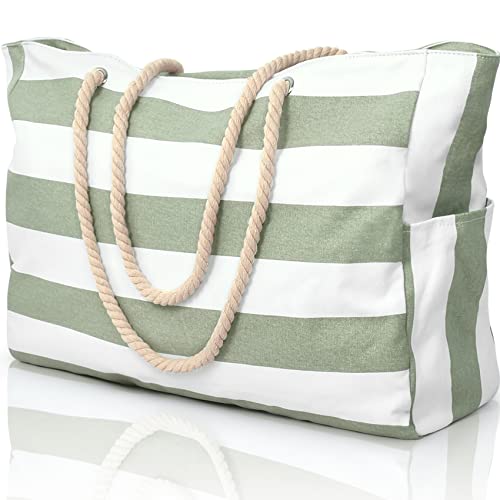
Carry all your essentials with this extra-large beach bag. Its waterproof material keeps belongings safe and dry, while the zipper closure and comfortable straps offer secure and easy transport.
Ignoring the Lips and Scalp
Your lips and scalp are highly susceptible to sun damage but are frequently overlooked during sunscreen application. The skin on your lips is thin and contains little melanin, making it particularly vulnerable during long swim sessions. Your scalp, especially along part lines or thinning areas, receives direct sunlight exposure when swimming. Use dedicated lip balms with SPF 30+ and consider zinc sticks, spray sunscreens, or UV-protective swim caps for your scalp and hairline.
Enjoy water activities with Swimlids baseball-style sun hat! Featuring UPF 50+ protection, this quick-drying hat stays secure during swimming and water sports. Available in sizes for the whole family.

Selecting the Right Sunscreen for Different Skin Types and Sensitivities
For Sensitive Skin
Sensitive skin requires special consideration when selecting swimming sunscreen. Look for mineral-based formulations with zinc oxide or titanium dioxide as these create a physical barrier without penetrating the skin. These ingredients are less likely to cause irritation compared to chemical filters like avobenzone or oxybenzone. Products labeled “fragrance-free” and “hypoallergenic” typically contain fewer potential irritants, making them ideal for reactive skin types.
For Dry Skin
If you have dry skin, choose cream or lotion sunscreens with hydrating ingredients like glycerin, hyaluronic acid, or ceramides. These formulations provide both sun protection and moisture retention, preventing the tight, uncomfortable feeling often experienced after swimming. Oil-based sunscreens can create an additional moisture barrier that helps combat the drying effects of chlorine and salt water, leaving your skin feeling comfortable even after extended water exposure.
For Oily or Acne-Prone Skin
Oily or acne-prone skin benefits from lightweight, oil-free, or “non-comedogenic” sunscreen formulations. Gel-based sunscreens provide excellent water resistance without the heavy feel that can trigger breakouts. Look for products containing niacinamide or zinc oxide, which offer sun protection while helping to control oil production and reduce inflammation. Avoid thick, greasy formulations that can clog pores and exacerbate acne when combined with sweat and water activity.
For Children and Baby-Safe Options
Children’s delicate skin demands specially formulated sunscreens. Opt for mineral-based products with zinc oxide or titanium dioxide, which form an immediate protective barrier and are less likely to cause irritation. Products labeled specifically for babies and children typically avoid potentially harsh chemicals and fragrances. Stick formulations make application easier on squirmy children, while tear-free formulas prevent stinging if the product gets into their eyes during water play.
For Those with Medical Skin Conditions
If you have conditions like rosacea, eczema, or psoriasis, consult with a dermatologist before selecting a swimming sunscreen. Generally, mineral-based products with anti-inflammatory ingredients like niacinamide or colloidal oatmeal work best. Avoid sunscreens containing alcohol, fragrance, or essential oils, which can trigger flare-ups. Some medical-grade sunscreens are specifically formulated for compromised skin barriers and provide both protection and therapeutic benefits during water activities.
Conclusion: Creating Your Perfect Swimming Sunscreen Strategy
Choosing the right swimming sunscreen isn’t just about grabbing any “water-resistant” product off the shelf. It’s about finding your perfect balance of protection SPF level formulation and application technique.
Remember that proper sun protection while swimming requires a strategic approach. Select SPF 30-50 with water resistance of 80 minutes for serious swimming. Look for reef-safe mineral ingredients if you’re ocean-bound. Apply generously 15-20 minutes before hitting the water and reapply every time you towel off.
Your skin needs and swimming habits are unique. By matching your sunscreen to your specific activities water environment and skin type you’ll enjoy better protection and contribute to ocean health. With these guidelines you’re ready to make informed choices that keep your skin safe while you enjoy the water.
Frequently Asked Questions
How long does waterproof sunscreen last while swimming?
Waterproof sunscreen (technically “water-resistant”) lasts either 40 or 80 minutes in water, as indicated on the label. No sunscreen is truly waterproof, and protection decreases by up to 50% after the designated time. Always reapply immediately after towel-drying and according to the time limit on your product for continued protection.
What SPF is best for swimming?
For most swimmers, SPF 30-50 provides optimal protection with better texture and usability. Choose SPF 50 for intense midday swimming or if you have fair skin. SPF 30 may suffice for early morning or late afternoon activities. Never use below SPF 30 for significant water time, as water can intensify UV exposure.
How can I tell if a sunscreen is reef-safe?
Look for “reef-safe” or “reef-friendly” labels and check ingredients. Truly reef-safe sunscreens avoid oxybenzone, octinoxate, octocrylene, and parabens. Choose products with “non-nano” zinc oxide or titanium dioxide as active ingredients. Brands like Stream2Sea, Raw Elements, Badger Sport, and All Good offer certified reef-friendly protection.
How much sunscreen should I apply before swimming?
Apply approximately 1 ounce (a shot glass full) for your entire body and a quarter-sized amount for your face. Most people apply only 25-50% of the recommended amount, which can reduce protection by up to 50%. Apply 15-20 minutes before swimming to allow proper binding with skin, especially for chemical formulations.
What’s the difference between water-resistant and waterproof sunscreen?
The term “waterproof” is no longer permitted on sunscreen labels. All swimming sunscreens are labeled “water-resistant” with either 40 or 80 minutes of protection. The 80-minute versions are best for extended activities like competitive swimming or surfing, while 40-minute formulations work for brief swimming or pool lounging.
What ingredients should I look for in a swimming sunscreen?
Look for mineral-based ingredients like zinc oxide and titanium dioxide, which create a physical barrier against UV rays and resist breaking down in water. These provide immediate, broad-spectrum protection. Avoid oxybenzone, octinoxate, parabens, and artificial fragrances, which can irritate skin and harm marine ecosystems.
What sunscreen format is best for different water activities?
For pool swimming, use water-resistant gel formulations. Ocean swimmers benefit from mineral-based stick sunscreens. Snorkelers should choose biodegradable lotions that won’t harm reefs. Paddleboarders do well with spray formats for easy reapplication. Sticks work best for targeted facial protection, while creams provide reliable full-body coverage.
How do I reapply sunscreen when I’m already wet?
Dry off thoroughly before reapplication, as water dilutes sunscreen effectiveness. Consider using spray formulations for easier application on damp skin. For extended sessions, take short breaks to dry off, reapply, and allow 15 minutes for the sunscreen to bind before returning to water.
What sunscreen should I use if I have sensitive skin?
Choose mineral-based sunscreens with zinc oxide or titanium dioxide, which are less likely to cause irritation. Look for fragrance-free, hypoallergenic formulations specifically designed for sensitive skin. Products labeled for babies or children are often gentler. If you have a medical skin condition, consult a dermatologist for personalized recommendations.
What are common sunscreen mistakes swimmers make?
Common mistakes include applying too little product, applying immediately before swimming, believing in “all-day protection,” not reapplying after toweling off, using expired sunscreen, and neglecting the lips and scalp. These errors significantly reduce protection and increase skin damage risk, even with high-quality waterproof products.