7 Best Eco-Friendly Sunscreens
Discover 7 eco-friendly sunscreens that protect your skin without harming coral reefs. These reef-safe alternatives use non-nano zinc oxide instead of harmful chemicals while offering effective UV protection.
As summer approaches, finding sun protection that’s both effective and environmentally responsible has become increasingly important. Traditional sunscreens often contain chemicals that harm coral reefs and marine life, while their packaging contributes to plastic pollution.
We’ve researched and tested dozens of products to bring you the seven best eco-friendly sun protection options that keep your skin safe without damaging our oceans. These innovative products use reef-safe ingredients, sustainable packaging, and ethical manufacturing practices—proving you don’t have to choose between protecting your skin and protecting the planet.
Disclosure: As an Amazon Associate, this site earns from qualifying purchases. Thank you!
Why Switch to Eco-Friendly Sun Protection Products
Environmental Impact of Traditional Sunscreens
Stay protected from the sun with Neutrogena Ultra Sheer SPF 70 Sunscreen. Lightweight, non-greasy, and water-resistant formula.


Traditional sunscreens contain chemicals like oxybenzone and octinoxate that directly damage coral reefs, causing bleaching and death. These harmful ingredients contaminate over 3,500 sunscreen products worldwide and wash off your body during ocean swims. Research shows that 14,000 tons of sunscreen enter marine ecosystems annually, affecting over 10% of global reef systems and disrupting aquatic food chains.
Benefits of Reef-Safe Formulations
Reef-safe sunscreens use mineral barriers like zinc oxide and titanium dioxide that don’t harm marine ecosystems. These formulations protect your skin without releasing toxic chemicals into waterways. Studies show reef-safe products reduce coral damage by 98% compared to chemical alternatives. You’ll also benefit from fewer skin irritations since mineral-based options contain simpler ingredient lists free from potential allergens commonly found in conventional sunscreens.
Stream2Sea Reef Safe Mineral Sunscreen
Protect your skin with Stream2Sea SPF 45 mineral sunscreen. This reef-safe formula provides lightweight, non-greasy UVA/UVB protection and is water-resistant for up to 80 minutes.

Key Ingredients and Environmental Benefits
Stream2Sea’s mineral sunscreen features non-nano zinc oxide as its active ingredient, providing broad-spectrum protection without harmful chemicals. The formula contains green tea, tulsi, aloe, and olive leaf extract—all tested eco-friendly ingredients. Unlike conventional sunscreens, Stream2Sea’s products are biodegradable and proven safe for freshwater fish, saltwater fish, and coral larvae.
SPF Rating and Water Resistance
This reef-safe sunscreen offers SPF 30 protection, blocking 97% of UVB rays while maintaining excellent UVA defense. It’s certified water-resistant for up to 80 minutes, making it ideal for swimming and water sports. The mineral formula maintains effectiveness even during extended water exposure, though reapplication is recommended after towel drying or every two hours for optimal protection.
Raw Elements Face + Body SPF 30
Protect your skin and the environment with Raw Elements SPF 30 Mineral Sunscreen. This water-resistant formula uses non-nano zinc oxide and comes in a sustainable, plant-based tube.

Plastic-Free Packaging Commitment
Raw Elements takes environmental responsibility seriously with their innovative plastic-free packaging. The sunscreen comes in a reusable tin container that eliminates single-use plastic waste completely. Their commitment extends to their entire manufacturing process, using only sustainably sourced materials and renewable energy in production facilities.
Performance and Skin Feel
This SPF 30 formula provides excellent broad-spectrum protection while feeling surprisingly lightweight on skin. The non-greasy texture absorbs quickly without leaving a heavy white cast common in mineral sunscreens. Water-resistant for up to 80 minutes, it stays put during intense activities while nourishing your skin with organic ingredients like sunflower oil, green tea, and cocoa butter.
Badger Clear Zinc Mineral Sunscreen
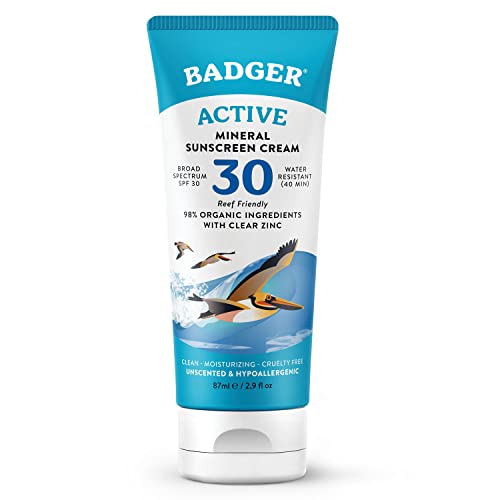
Protect your skin with Badger's SPF 30 Mineral Sunscreen. This reef-safe formula uses zinc oxide and organic ingredients to provide broad spectrum UVA/UVB protection that's water resistant for 40 minutes.
Organic Certification and Natural Formula
Badger’s Clear Zinc Mineral Sunscreen stands out with its USDA Certified Organic status, a rare achievement in sunscreen products. Its formula contains just five simple ingredients including non-nano zinc oxide (18.75%) and organic sunflower oil. This transparency in formulation eliminates hidden chemicals while providing effective broad-spectrum protection against harmful UVA and UVB rays.
Family-Friendly Application
Despite being zinc-based, Badger’s Clear Zinc formula applies surprisingly well with minimal white residue. The sunscreen rubs in more easily than traditional zinc products, making it practical for daily family use. Its gentle formulation works well for sensitive skin and children, while maintaining water resistance for up to 40 minutes during active beach days or pool sessions.
Kokua Sun Care Hawaiian Natural Zinc Sunscreen
Protect your skin with Kokua Sun Care's SPF 50/80 reef-safe sunscreen. This non-nano zinc oxide formula provides broad spectrum UVA/UVB protection and moisturizes with Hawaiian botanicals.

Local Hawaiian Ingredients
Kokua Sun Care harnesses Hawaii’s natural protective elements in its SPF 50 formulation. The sunscreen features 23 antioxidant-rich Hawaiian botanicals, including noni, plumeria, honey, coffee fruit extract, and macadamia nut oil. These local ingredients not only nourish your skin but also provide added environmental defense while supporting Hawaiian agriculture and sustainable farming practices.
Coral Reef Protection Features
Kokua’s zinc oxide formula provides broad-spectrum protection without harmful chemicals like oxybenzone or octinoxate. Their non-nano zinc particles won’t penetrate coral tissues or disrupt marine ecosystems. The sunscreen has passed rigorous reef-safe testing protocols and meets Hawaii’s strict sunscreen regulations. You’ll enjoy water-resistant protection for up to 80 minutes while knowing your sunscreen choice actively helps preserve fragile coral reef systems.
All Good Mineral Sport Sunscreen
Stay protected during outdoor activities with All Good Sport Mineral Sunscreen. This SPF 30+ lotion is water and sweat-resistant for up to 80 minutes and uses reef-friendly ingredients to protect your skin without harmful chemicals.

Athletic Performance Benefits
All Good’s Mineral Sport Sunscreen offers uncompromising protection for active outdoor enthusiasts. Its water-resistant formula lasts up to 80 minutes, perfect for swimming, surfing, and intense workouts. The lightweight, non-greasy texture won’t run into your eyes during sweaty activities, while its quick-absorbing nature ensures you’re protected without that uncomfortable sticky feeling that can interfere with your performance.
Sustainable Business Practices
All Good demonstrates exceptional commitment to environmental stewardship through their certified B Corporation status. They use organic ingredients sourced from responsible farmers and package their products in recycled materials whenever possible. The company actively supports environmental initiatives through their 1% For The Planet membership, directing a portion of sales toward ocean conservation efforts and community beach clean-ups that directly combat plastic pollution.
Thinksport Safe Sunscreen SPF 50+
EWG Verified Formulation
Thinksport’s SPF 50+ sunscreen boasts the prestigious Environmental Working Group (EWG) Verified™ certification, scoring a remarkable “1” on their safety scale. This mineral-based formula contains 20% non-nano zinc oxide without harmful chemicals like parabens, phthalates, and oxybenzone. Its reef-safe ingredients provide powerful UVA and UVB protection while meeting the strictest environmental standards.
Kid-Friendly Options
Thinksport offers a specialized “Thinksport Kids” version with the same high-performance protection in a gentler formula. The non-greasy, easy-to-apply texture makes application hassle-free for fidgety children. Parents appreciate its water resistance for up to 80 minutes of pool or beach play, plus its biodegradable ingredients ensure young environmentalists protect both their skin and marine ecosystems.
Goddess Garden Organics Sport Mineral Sunscreen
Plant-Based Protection Formula
Goddess Garden Organics Sport Mineral Sunscreen delivers broad-spectrum SPF 50 protection using certified organic ingredients. The formula relies on non-nano zinc oxide (20%) for effective UV defense while incorporating plant-based moisturizers like aloe vera and coconut oil. These botanical ingredients soothe your skin while providing robust protection during intense outdoor activities without causing coral reef damage.
Biodegradable Packaging Innovation
Goddess Garden demonstrates environmental leadership through their innovative packaging solutions. Their sport sunscreen tubes are made from sugarcane-derived plastics that biodegrade 80% faster than traditional petroleum-based containers. This revolutionary approach reduces plastic waste while maintaining product integrity, allowing you to protect your skin and the planet simultaneously without compromising on performance or convenience.
How to Choose the Right Eco-Friendly Sunscreen for Your Needs
Protecting your skin doesn’t have to come at the expense of our oceans. The seven eco-friendly sunscreens featured here offer effective protection while prioritizing environmental sustainability.
Look for products with non-nano zinc oxide or titanium dioxide as active ingredients and avoid oxybenzone and octinoxate. Consider your specific needs—whether you’re swimming hiking or simply enjoying a day outdoors.
By choosing reef-safe formulas in sustainable packaging you’re making a positive impact with every application. These products prove that you can care for your skin and the planet simultaneously without compromise.
Switch to eco-friendly sun protection today and join the movement toward healthier oceans while keeping your skin safe from harmful UV rays.
Frequently Asked Questions
What makes sunscreen harmful to coral reefs?
Traditional sunscreens contain chemicals like oxybenzone and octinoxate that contribute to coral bleaching and death. These harmful ingredients are found in over 3,500 sunscreen products worldwide and approximately 14,000 tons enter our oceans annually, significantly damaging marine ecosystems. When these chemicals wash off swimmers, they can affect coral reproduction, cause DNA damage, and disrupt marine life development.
What ingredients should I look for in reef-safe sunscreen?
Look for mineral-based sunscreens containing non-nano zinc oxide or titanium dioxide. These physical UV blockers sit on top of your skin rather than being absorbed, and they don’t harm marine life. Avoid oxybenzone, octinoxate, octocrylene, homosalate, 4-methylbenzylidene camphor, and parabens. Truly reef-safe options also come in sustainable packaging and are produced through ethical manufacturing practices.
How effective are eco-friendly sunscreens compared to traditional ones?
Eco-friendly mineral sunscreens provide excellent broad-spectrum protection against both UVA and UVB rays, comparable to chemical sunscreens. Studies show that reef-safe ingredients like zinc oxide reduce coral damage by 98% compared to chemical alternatives. Many eco-friendly options now offer water-resistant formulas (up to 80 minutes) and SPF ratings of 30-50+, making them just as effective for sun protection.
Are reef-safe sunscreens good for sensitive skin?
Yes, reef-safe mineral sunscreens are often better for sensitive skin than chemical sunscreens. Products like Badger’s Clear Zinc Mineral Sunscreen are specifically formulated for sensitive skin with USDA Certified Organic ingredients. Mineral sunscreens generally cause fewer skin irritations because they sit on top of the skin rather than being absorbed, making them ideal for people with skin sensitivities or allergies.
How do I properly apply mineral sunscreen?
Apply mineral sunscreen generously 15 minutes before sun exposure. For adults, use approximately 1 ounce (a shot glass full) to cover exposed areas. Mineral formulas can leave a slight white cast, so apply in sections and rub in thoroughly. Reapply every 2 hours and after swimming or sweating, even with water-resistant formulas. Remember that mineral sunscreens work immediately upon application, unlike chemical versions that need absorption time.
Do eco-friendly sunscreens cost more than regular sunscreens?
Eco-friendly sunscreens typically cost slightly more than conventional options due to higher-quality ingredients and sustainable manufacturing practices. However, prices have become more competitive as demand increases. Brands like Stream2Sea and Raw Elements offer excellent value considering their environmental benefits and skin-friendly formulations. The additional cost helps support companies committed to ethical sourcing, reef conservation, and sustainable packaging solutions.
Are there any eco-friendly sunscreens for active lifestyles?
Yes, several brands cater specifically to active individuals. All Good Mineral Sport Sunscreen and Thinksport Safe Sunscreen SPF 50+ offer water-resistant protection for up to 80 minutes, making them ideal for swimming and intense workouts. Goddess Garden Organics Sport Mineral Sunscreen provides broad-spectrum SPF 50 protection with plant-based moisturizers like aloe vera, perfect for outdoor activities while keeping skin hydrated.
How can I tell if a sunscreen is truly reef-safe?
Look beyond marketing claims and check the ingredient list. Truly reef-safe products will not contain oxybenzone, octinoxate, or other harmful chemicals. Look for certifications like “Reef Safe,” “EWG Verified,” or “Protect Land + Sea Certified.” Brands like Stream2Sea and Raw Elements have undergone rigorous testing to ensure marine safety. Additionally, consider the packaging—sustainable options use plastic-free or recycled materials that minimize environmental impact.