
Essential Whitewater Rafting Safety & Hygiene Kits
Prepare for your river adventure with these 9 essential whitewater rafting safety and hygiene kits. Pack smart and stay safe on the water—read our guide now.
Standing at the edge of a roaring river for your first whitewater rafting trip is an exhilarating feeling, but the fast-moving water demands immediate respect. Swift currents, wet conditions, and remote wilderness locations mean you cannot simply rely on luck to keep you safe and comfortable. Having the right safety and hygiene gear packed and ready turns potential river mishaps into manageable bumps along the run.
Disclosure: As an Amazon Associate, this site earns from qualifying purchases. Thank you!
Why River Safety and Hygiene Matter for New Rafters
Moving water is incredibly powerful, and a standard day on the river can change in an instant if a raft flips or a swimmer gets separated from the boat. For first-time rafters, the learning curve is steep, and understanding that you are your own primary rescue team is the first step in river safety. It is not just about avoiding rocks; it is about managing cold water exposure, minor injuries, and sudden shifts in the weather.
Hygiene is equally critical but often overlooked by beginners until they are miles downstream with chapped skin, sunburn, or an upset stomach from contaminated river water. The river environment is a breeding ground for bacteria, and wet gear rubbed against skin for hours creates friction and painful irritation. Investing in the right personal gear ensures you stay warm, clean, and healthy enough to enjoy the rapids instead of just surviving them.
Rescue Throw Bag – NRS Standard Rescue Throw Bag
When a paddler goes overboard and is drifting down a rapid, a rescue throw bag is the fastest way to pull them back to safety. It is a highly visible bag stuffed with floating rope that you toss past the swimmer so they can grab the line and be swung into calm water. Without one, rescuing a swimmer in swift current becomes dangerous, slow, and highly unpredictable.
The NRS Standard Rescue Throw Bag stands out because of its durable Cordura bag and high-tensile polypropylene rope that floats right on the water’s surface. The bright orange bag is easy to spot in churning white water, and the mesh panels allow the rope to drain and dry quickly. It features a barrel-lock drawstring closure for smooth re-stuffing and a webbed loop with a quick-release buckle for securing it safely to the raft frame.
- Rope length: 75 feet of 3/8-inch polypropylene rope
- Tensile strength: Rated up to 1,900 pounds
- Material: Tough 1000-denier Cordura bag with mesh drainage panels
- Compatible uses: Whitewater rafting, kayaking, canoeing, and swiftwater rescue
Before taking this bag on the water, you must practice packing and throwing it; a knotted or poorly stuffed rope will tangle and fail during a real emergency. This tool is essential for anyone sitting in a raft, but it is not a toy, and it requires physical coordination to throw accurately under pressure. It is perfect for rafters who want a reliable, heavy-duty line but is overkill for those who only stick to flat, lazy-river tubing.
First Aid Kit – Adventure Medical Kits Ultralight 0.7
Scrapes from rocks, blisters from paddles, and cuts from rigging are almost guaranteed on multi-day or fast-paced river trips. A proper river first aid kit must be lightweight, easy to pack, and completely protected from water. Standard household kits fail because their cardboard boxes and cotton bandages turn to mush the moment they get wet.
The Adventure Medical Kits Ultralight 0.7 solves this by organizing its supplies inside a dual-chamber system consisting of a water-resistant outer nylon bag and a 100% waterproof inner DryFlex bag. It contains professional-grade bandages, wound closure strips, medications, and blister treatments designed specifically for active outdoor use. The kit is compact enough to slide into any dry bag or PFD pocket without adding bulk.
- Weight: 8 ounces
- Group size: Ideal for 1 to 2 people on 1-to-4-day trips
- Waterproofing: Dual-layer DryFlex inner bags
- Key contents: Moleskin blister relief, trauma pad, butterfly closures, medications
Keep in mind that while this kit is highly water-resistant, you should still store it inside a dedicated dry bag for absolute safety during a swim. It is also wise to supplement this kit with personal medications, extra ibuprofen, and water purification tablets before heading out. This kit is perfect for rafters looking for a compact, pre-organized medical setup, but larger rafting groups will need to carry a more robust, multi-person medical kit.
Heavy-Duty Dry Bag – Sea to Summit Big River Dry Bag
Everything you bring on a raft will get wet unless it is sealed inside a high-quality dry bag. A dry bag protects your extra layers, electronics, food, and emergency gear from relentless splashes and total submersion during a flip. Standard lightweight dry sacks designed for backpacking will quickly tear under the abrasive friction of a raft frame or rocky riverbank.
The Sea to Summit Big River Dry Bag is built from mid-weight 420-denier nylon with a TPU lamination, making it incredibly abrasion-resistant and completely waterproof. It features heavy-duty lash loops (hypalon daisy chains) that let you securely strap the bag to the raft’s frame or D-rings so it cannot float away in a flip. The white interior coating increases visibility, making it easy to find small items at the bottom of the bag.
- Sizes available: 5L, 8L, 13L, 20L, 35L, and 65L
- Material: 420D waterproof nylon with TPU laminate and fully taped seams
- Closure: Waterproof roll-top closure with field-repairable buckles
- Best for: Rugged gear storage in rafts, kayaks, and open boats
To ensure a watertight seal, you must roll the top down tightly at least three times before clicking the buckle shut. Squeezing the excess air out before sealing makes it easier to pack, though keeping a tiny bit of air inside can help the bag float if it accidentally goes overboard. This is the ideal dry bag for rugged river rafters who need gear that can handle being dragged over gravel, but it may be bulkier than needed for casual lake kayakers.
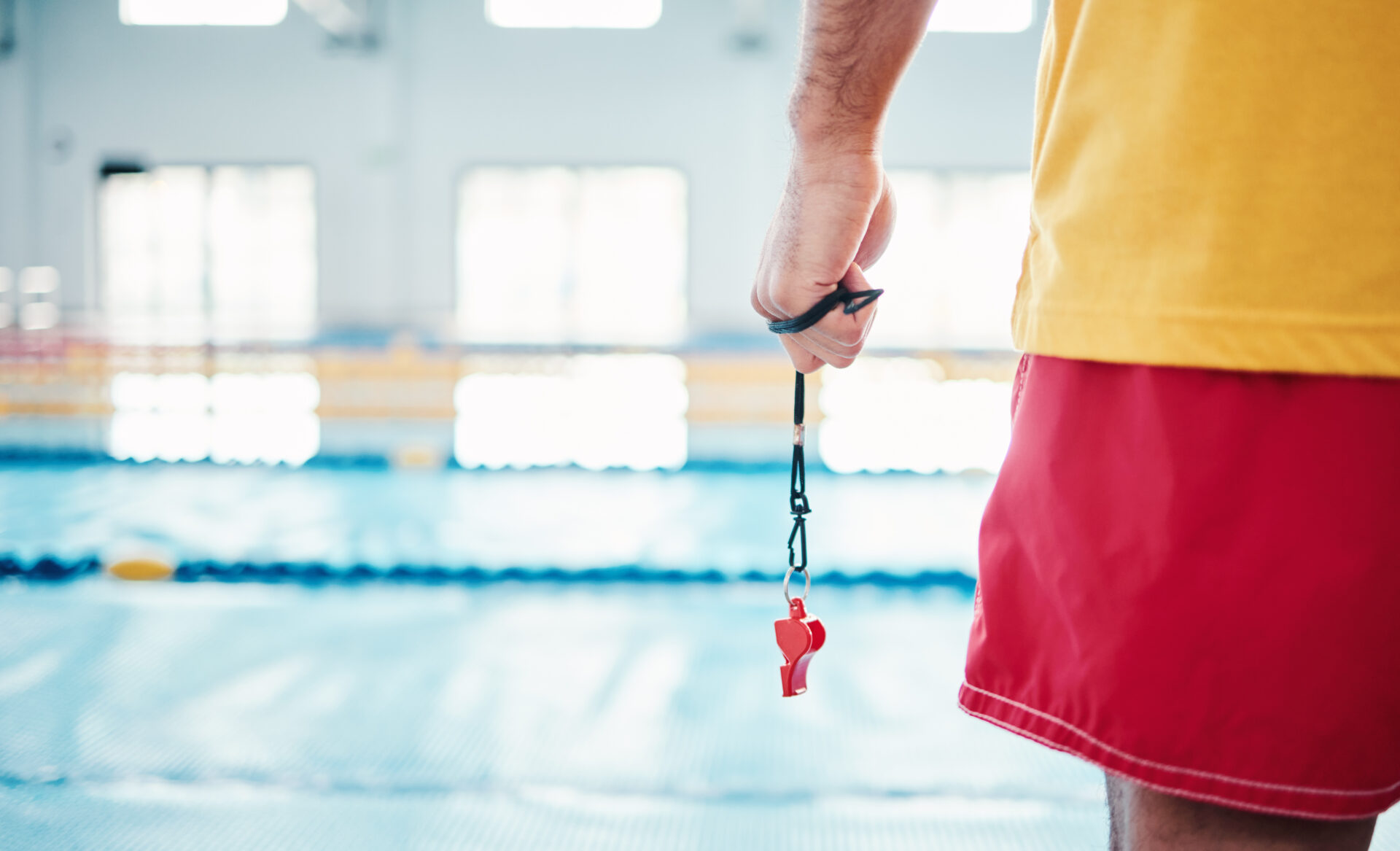
Safety Whistle – Fox 40 Classic Pealess Whistle
Rivers are incredibly loud environments where rushing water, wind, and distance make human voices useless for signaling. A safety whistle is the standard tool for communicating emergencies, directing paddlers, and signaling for help when you cannot be heard. It must be attached directly to your life jacket (PFD) so it is instantly accessible even if you are swimming in rapid current.
The Fox 40 Classic Pealess Whistle is the industry standard for search and rescue because it has no moving parts (like a traditional pea) that can jam, freeze, or fail when wet. It produces a shrill, 115-decibel sound that cuts right through the roar of Class IV rapids and can be heard up to a mile away. The durable plastic body will not rust, degrade in salt water, or cling to your skin in freezing temperatures.
- Sound output: 115 decibels
- Design: Pealess, three-chamber design
- Attachment: Comes with a lanyard; easily attaches to PFD lash tabs
- Durability: High-impact, self-clearing thermoplastic construction
Ensure you attach this whistle to your PFD using a short cord that keeps it close to your collarbone but prevents it from tangling on low-hanging branches. Rafters should also learn the basic river whistling signals—one blast for attention, two for stopping, and three for emergency/man overboard. It is an absolute must-have for every single person on the river, regardless of skill level, but is not intended as a substitute for visual signaling devices in wide-open, coastal waters.
Water Purifier Bottle – Grayl GeoPress Purifier
Dehydration is a major risk on the river, where physical exertion and constant sun exposure quickly drain your body’s fluids. While you are surrounded by water, drinking straight from the river exposes you to giardia, cryptosporidium, and agricultural runoff. Carrying a dedicated purification system allows you to drink safely from any freshwater source without hauling heavy gallons of water in your boat.
The Grayl GeoPress Purifier is a game-changer because it purifies 24 ounces of water in just eight seconds using a simple “fill, press, drink” mechanism. Unlike standard filters that only block bacteria, this purifier utilizes electroadsorption and activated carbon to remove viruses, bacteria, protozoa, heavy metals, and microplastics. It requires no hoses, pumping, or chemical waiting times, making it incredibly convenient mid-rapid.
- Capacity: 24 ounces (710 ml)
- Filter lifespan: 350 presses (approx. 250 liters)
- Protection: Removes 99.99% of viruses, bacteria, and protozoan cysts
- Flow rate: 8 seconds per 24 ounces (5 liters/minute)
Users should note that pressing the purifier down requires some upper-body strength, especially as the filter cartridge nears the end of its lifespan. If you are filtering extremely muddy river water, the cartridge will clog faster, so it is best to let sediment settle or pre-filter the water through a bandana first. This purifier is perfect for adventurous rafters who want instant, clean drinking water anywhere, but may be over-engineered for those who only do short, guided day trips with cooler access.
Biodegradable Soap – Sea to Summit Pocket Soap Sheets
Maintaining hygiene on multi-day river trips is essential to prevent skin infections and digestive illness from dirty hands. However, standard liquid soaps can leak inside your dry bags, creating a slimy mess that ruins your gear. More importantly, any soap used on the river must be biodegradable to protect fragile aquatic ecosystems from harmful chemicals.
Sea to Summit Pocket Soap Sheets offer a brilliant solution by delivering dry, paper-thin soap sheets that dissolve instantly in water. Since the sheets are completely dry, there is zero risk of spills, leaks, or liquid TSA confiscations if you are traveling to your rafting destination. Each pocket-sized pack contains 50 individual leaves of pure, biodegradable soap formulated without parabens or phosphates.
- Form factor: 50 dry soap sheets per pocket-sized container
- Eco-friendly: Biodegradable, phosphate-free, and paraben-free
- Types available: Hand Wash, Body Wash, Shampoo, and Laundry Wash
- Weight: Less than 1 ounce per pack
Remember that even biodegradable soap must never be used directly in a river or lake; you must carry water 200 feet away from the shoreline to wash and disperse the greywater in soil, in accordance with Leave No Trace principles. Keep your hands completely dry when reaching into the container, or you will accidentally dissolve the entire pack of sheets at once. These sheets are ideal for minimalist rafters looking to save space and weight, but they are not convenient for heavy, rapid-fire washing of large groups.
River Rescue Knife – NRS Co-Pilot River Knife
Moving water and ropes can be a deadly combination; if a raft flips or a gear line wraps around a paddler’s leg, you need to cut that rope instantly. A river rescue knife is a specialized safety tool designed to cut high-tensile lines under extreme tension during entrapment emergencies. It must be mounted securely on the outside of your life jacket where it can be drawn with one hand.
The NRS Co-Pilot River Knife is specifically engineered for paddle sports, featuring a blunt safety tip that prevents you from accidentally puncturing your raft or stabbing yourself during a chaotic rescue. The blade has both smooth and serrated sections, along with a convenient rope-cutting hook for slicing through thick webbing quickly. Its unique Thumbs Up sheath secures the knife firmly in place, releasing it only when you squeeze both sides of the handle.
- Blade length: 2.25 inches (total length: 5.75 inches)
- Blade material: Rust-resistant titanium-coated 420 HC stainless steel
- Features: Blunt tip, oxygen tank wrench key, and integrated bottle opener
- Sheath: Squeeze-lock design mounts directly to PFD lash tabs
While the steel is highly rust-resistant, you still need to rinse the knife with fresh water and dry it thoroughly after every trip, especially after saltwater exposure, to prevent corrosion. Ensure you mount it on your PFD’s lash tab so the handle points downward for a natural, fast draw. This knife is a critical safety tool for any serious whitewater rafter, but it is not meant for camp tasks like carving wood or preparing food.
Sport Sunscreen – Thinksport SPF 50 Plus Sunscreen
Sunburn on a river trip is not just uncomfortable; it can lead to dehydration, fatigue, and heat exhaustion, which compromise your safety on the water. The river acts like a giant mirror, reflecting UV rays back up at you from below while the direct sun beats down from above. You need a highly water-resistant sunscreen that will not wash off the moment you hit the first wave or sweat under your helmet.
Thinksport SPF 50 Plus Sunscreen is a top-tier mineral sunscreen that offers broad-spectrum UVA and UVB protection without using harmful chemicals like oxybenzone or octinoxate. Its zinc oxide formula is reef-safe and biodegradable, meaning it won’t harm the delicate river ecosystems you are paddling through. Unlike many mineral sunscreens that leave a sticky, greasy residue, this formula absorbs quickly and offers the highest level of water resistance allowed by the FDA (80 minutes).
- Active ingredient: 20% Non-nano Zinc Oxide
- Water resistance: FDA-rated for 80 minutes of swimming or sweating
- Certifications: EWG Verified, cruelty-free, and vegan
- Formula: Non-aerosol, mineral-based sport lotion
Because it is a mineral-based sunscreen, it goes on white and requires a bit of rubbing to blend in, which is actually helpful for ensuring you haven’t missed any spots. Be sure to reapply every two hours, particularly on high-exposure areas like your nose, ears, thighs, and the tops of your hands. This sunscreen is perfect for environmentally conscious rafters who need heavy-duty, long-lasting sun protection, but those who dislike the slight white cast of physical blockers may prefer chemical alternatives.
Outdoor Body Wipes – Combat Wipes Active Wet Wipes
After hours of paddling, your skin will be coated in river silt, sunscreen, sweat, and sand, which can lead to painful chafing under your PFD and wetsuit. When a full shower is not an option—such as at a primitive riverside campsite—outdoor body wipes are the best way to clean off grime quickly. They allow you to freshen up, prevent skin irritation, and clean your hands before eating or sleeping.
Combat Wipes Active Wet Wipes are specifically designed for rugged outdoor use, featuring a thick, durable texture that will not tear when wiping away heavy dirt and sweat. They are 100% biodegradable and compostable, made from natural fibers infused with soothing aloe, vitamin E, and chamomile to calm irritated skin. The resealable packaging keeps the wipes moist over long trips without leaking water into your dry bag.
- Material: 100% biodegradable, viscose-derived fibers
- Size: Generously sized single wipes for full-body cleaning
- Formula: Alcohol-free, pH-balanced, and fragrance-free
- Packaging: Resealable dispenser pack
Even though these wipes are biodegradable, you should never bury them or throw them in pit toilets along the river corridor; always pack them out in your trash bag to protect the environment. Keep the seal tightly closed between uses, as exposure to hot river air will quickly dry out the remaining wipes. They are a must-have convenience for multi-day rafters and campers, but they may be unnecessary bulk for quick, half-day commercial trips that end at a facility with showers.
How to Pack Your River Gear for Quick Accessibility
Packing a raft is an art form that balances boat weight distribution with the need for instant access to safety gear. If an emergency occurs, you cannot afford to dig through three layers of dry bags to find your rescue knife, first aid kit, or throw bag. Every piece of equipment should have a dedicated, logical home, and anything not strapped down will quickly become lost to the river in a flip.
Your most critical safety gear—like your whistle, river knife, and a small rescue pulley—should be mounted directly onto your PFD so they go wherever you go. The rescue throw bag should be secured to the raft frame or kept at the captain’s feet, easily reachable with a single motion. Medium-priority items like sunscreen, water purifiers, and the first aid kit should go into a “day bag” (a small 10L to 20L dry bag) lashed near the center of the boat for quick access during flat stretches of water.
Keep heavy, non-essential gear like dry clothes, tents, and camp hygiene kits packed deep in larger dry bags strapped low and tight along the raft’s centerline. Always double-check your cam straps and carabiners before pushing off into the current, ensuring everything is locked down. A loose dry bag can act as a dangerous sail or anchor if the boat flips, so keeping a clean deck is as much about safety as it is about organization.
Cleaning and Drying Your River Gear After the Trip
The river trip doesn’t truly end when you pull the raft out of the water; proper post-trip maintenance is what keeps your expensive gear functioning for years. River water contains microscopic algae, bacteria, fine silt, and sand that will degrade fabrics, rust metal zippers, and create foul odors if left unchecked. Taking the time to wash and dry your gear immediately prevents mold and extends the lifespan of your safety equipment.
Start by thoroughly rinsing all your gear, including your PFD, dry bags, knives, and helmets, with clean, fresh tap water to wash away abrasive silt and organic matter. Use a mild, gear-safe soap on heavily soiled areas, and pay special attention to zippers, buckles, and rescue knife sheaths where sand can lodge and cause mechanical failure. Never use harsh household detergents or bleach, which can destroy the waterproof coatings and technical fabrics of your gear.
Hang everything to dry in a well-ventilated, shaded area out of direct sunlight, as harsh UV rays will break down nylon webbing, latex gaskets, and dry bag laminates over time. Ensure items like dry bags are turned completely inside out so no moisture is trapped in the corners to breed mildew. Once everything is bone-dry to the touch, store your gear in a cool, dry place away from direct heat sources and pests so it is ready for your next river adventure.
Stepping onto a raft with the right safety and hygiene gear gives you the confidence to focus on the thrill of the river rather than the risks. By investing in reliable, river-specific tools and maintaining them properly, you protect both yourself and the pristine environments you explore. Pack smart, respect the water, and enjoy your journey down the rapids.

