
Essential Safety Gear for Efoiling Beginners
Stay safe on the water with these 10 essential safety gear items for efoiling and hydrofoiling beginners. Read our expert guide and gear up for your next session.
Standing on a hydrofoil or efoil for the first time brings an unmatched sensation of flying over the water, but it also introduces unique high-speed variables and sharp equipment risks. The moment that carbon fiber mast lifts you three feet into the air, the water ceases to feel soft, and a wipeout can send you tumbling toward a razor-sharp wing. Equipping yourself with the right safety gear transforms these inevitable early crashes from painful setbacks into harmless learning experiences.
Disclosure: As an Amazon Associate, this site earns from qualifying purchases. Thank you!
Why Foil Safety Gear Matters for Every New Rider
Beginners often underestimate the sheer speed and kinetic energy involved in foiling. Unlike traditional surfing or wakeboarding, a hydrofoil operates on an elevated plane where even a minor breeze or shift in weight can trigger a sudden “over-foil” ejection. When you fall from that height, you are not just falling into water; you are falling near a heavy board, a metal or carbon mast, and a submerged fuselage with wings that act like blunt knives at high speeds.
Safety gear for foiling is not about being overly cautious; it is about extending your time on the water and building the confidence needed to progress. Without a helmet and impact vest, a minor collision with your own gear can result in severe bruising, concussions, or lacerations that cut your season short. Having the proper protective layers allows you to push through the steep learning curve without fearing the physical consequences of the inevitable wipeout.
Furthermore, foiling often takes riders further offshore than standard paddle sports, especially when catching ocean swells or utilizing an electric motor (efoil). This increased distance introduces marine navigation and communication challenges. Being prepared with compact safety devices ensures that a dead battery, a sudden wind shift, or a gear malfunction does not turn an afternoon session into a search-and-rescue operation.
Water Helmet – Triple Eight Gotham Water Helmet
Head protection is non-negotiable when learning to foil. When a rider loses balance, the board can pitch unexpectedly, sending the sharp trailing edge of the foil wing or the heavy battery compartment of an efoil directly toward the head. A dedicated water helmet absorbs these high-impact blows and prevents ear trauma caused by hitting the water sideways at high speeds.
The Triple Eight Gotham Water Helmet stands out because of its dual-density EVA foam liner wrapped in a high-density ABS shell, meeting industry-standard water safety ratings. It features a sophisticated Brim Design that keeps dripping water out of the eyes and integrated ear protection to prevent ruptured eardrums during side-impact crashes.
- Shell Material: High-density, impact-resistant ABS
- Lining: Waterproof dual-density EVA foam
- Certifications: CE EN 1385 water sports safety standard
- Sizes: Small through Extra Large
When buying this helmet, getting the fit right is critical; a loose helmet will shift backward during a hard fall, exposing the forehead. Ensure the chin strap is adjusted tightly enough that the helmet does not wobble when shaking the head, and rinse it with fresh water after every saltwater session to prevent the metal rivets from corroding. This helmet is ideal for any beginner hydrofoiler or efoiler prioritizing maximum temple and ear coverage, though riders who prefer minimal bulk might find the ear pads slightly warm on hot summer days.
Impact Vest – O’Neill Slasher Comp Life Vest
Falling from a height of three feet at twenty miles per hour can easily knock the wind out of an unprotected rider. An impact vest provides targeted padding around the ribs, spine, and chest to cushion crashes against the water or the board. It also adds just enough buoyancy to keep a tired swimmer afloat while swimming back to a runaway board.
The O’Neill Slasher Comp Life Vest utilizes NytroLite Foam technology, which is three times lighter and absorbs less water than traditional PVC foam. This makes the vest incredibly lightweight and flexible, allowing for the full range of motion needed to pump the board or adjust stance. The segmented foam core bends naturally with the torso, preventing the vest from riding up under the chin during deep-water starts.
- Foam Type: Low-density NytroLite polyethylene foam
- Exterior Material: UltraFlex neoprene
- Closure: Front zipper with safety tab
- Fit Profile: Form-fitting competition style
Keep in mind that competition impact vests are not USCG-approved life jackets; they do not provide enough flotation to keep an unconscious swimmer’s head above water. If foiling far from shore or in jurisdictions requiring USCG-approved PFDs, this vest should be swapped for an approved Type III vest. This vest is perfect for riders who want low-bulk rib protection and maximum mobility, but it is not suitable for non-swimmers or those venturing into rough open ocean conditions without support vessels.
Neoprene Booties – Rip Curl Flashbomb Split Toe
The top of a hydrofoil board is covered in grippy, abrasive traction pads, while the bottom features sharp wings and stabilizer blades. Beginner foilers spend a lot of time scrambling back onto the board, making their feet highly susceptible to scrapes, cuts, and stubbed toes. Neoprene booties protect the feet from these abrasions while providing traction on wet, slippery decks.
The Rip Curl Flashbomb Split Toe booties offer an exceptional balance of protection and board feel. The split-toe design features a divider that locks the big toe in place, preventing the foot from sliding around inside the boot during hard turns. Built with 3mm E6 neoprene and lined with Flash Lining, they keep feet warm in cold waters without sacrificing the tactile feedback needed to balance on the foil’s sweet spot.
- Thickness: 3mm for mid-to-cold water use
- Toe Configuration: Internal or external split toe
- Sole: Ultra-thin, textured rubber sole
- Seams: 100% taped and sealed
For the best performance, purchase a size smaller than standard street shoes, as neoprene stretches when wet and a loose bootie will pool with water, dragging down the feet. Ensure the ankle strap is pulled snug to prevent water from flushing in during hard falls. These booties are essential for cold-water foilers and beginners who tend to kick the mast during wipeouts, but warm-water riders might find them unnecessary unless navigating reef breaks or rocky entry points.
Full Wetsuit – O’Neill Epic 4/3mm Back Zip
Spending hours in the water while learning to foil can quickly lead to hypothermia, even in moderate temperatures, due to the wind chill experienced while flying above the surface. A full wetsuit acts as a thermal barrier, trapping a thin layer of water against the skin that is warmed by body heat. It also provides a secondary layer of full-body abrasion protection against reef, sand, and the foil itself.
The O’Neill Epic 4/3mm Back Zip is the gold standard for durability and entry-level value. It features UltraFlex neoprene for superior paddling flexibility and FluidFlex Firewall chest panels that repel wind while retaining core warmth. The back-zip entry system makes it much easier to put on and take off compared to chest-zip models, which is a major benefit for tired beginners at the end of a long session.
- Thickness: 4mm torso, 3mm limbs
- Entry System: Heavy-duty back zipper with leash
- Seams: Glued and blindstitched (GBS)
- Sizing: Extensive range including tall and short cuts
Always check the size chart carefully; a wetsuit must fit like a second skin without restrictive bunching in the armpits or sagging in the crotch. A suit that is too loose will flush water constantly, defeating its warming purpose, while a suit that is too tight will restrict blood flow and tire the legs quickly. This suit is perfect for riders in water temperatures ranging from 50°F to 62°F, but it will be too warm for tropical climates where a simple rash guard suffices.
Safety Whistle – Wind Storm Safety Whistle
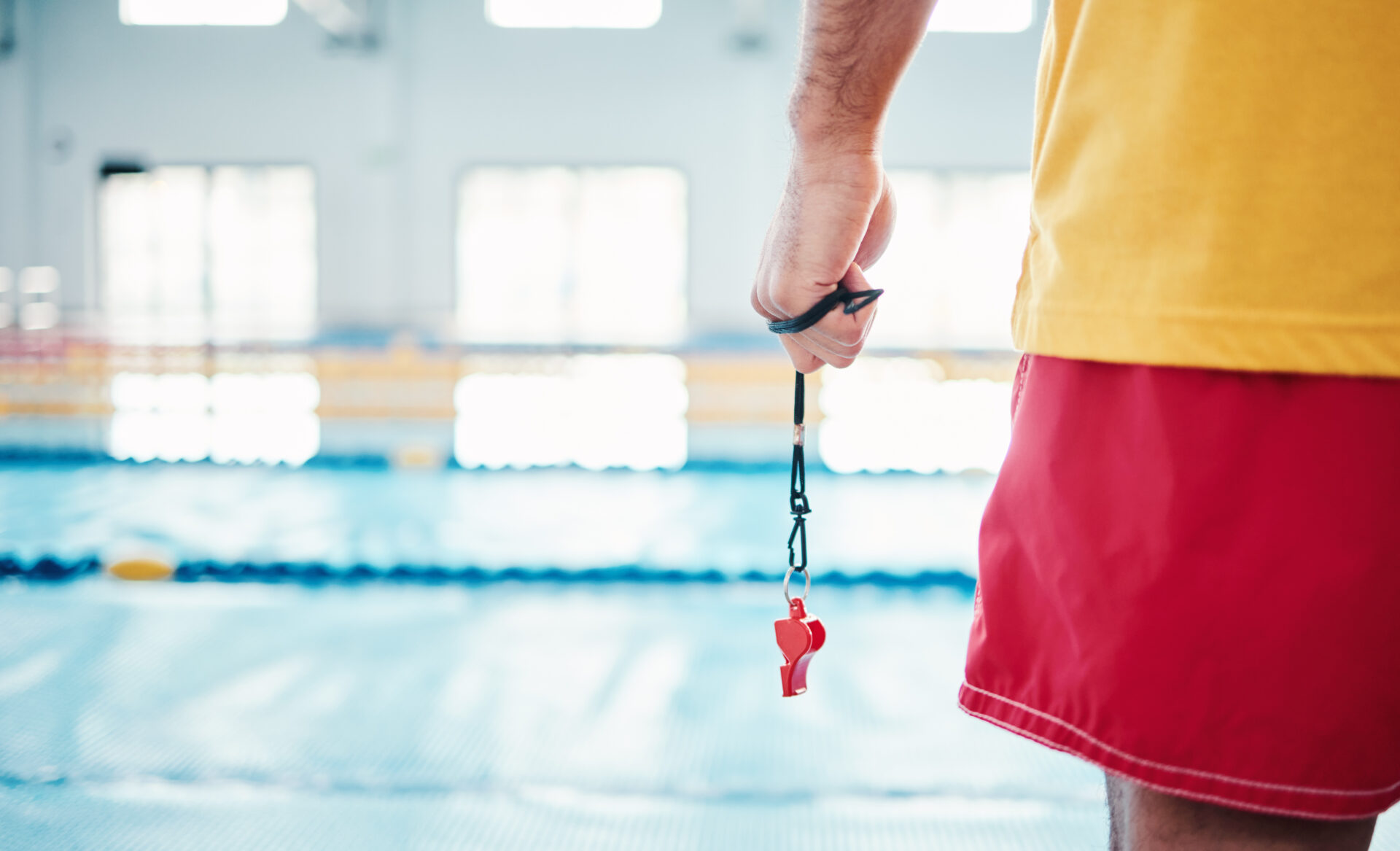
When an efoil battery dies or a hydrofoil wing breaks half a mile from shore, signaling for help becomes an urgent priority. Human voices carry poorly over the sound of wind and breaking waves, and waving arms can easily go unnoticed by passing boaters. A high-decibel safety whistle provides a reliable, non-electronic distress signal that can be heard over long distances.
The Wind Storm Safety Whistle is designed specifically for harsh marine environments, capable of performing even when completely drenched. It produces a powerful 120-decibel sound that cuts through engine noise, heavy wind, and crashing surf. Its compact thermoplastic housing is completely rustproof and features an integrated clip for easy attachment to an impact vest or zipper pull.
- Decibel Rating: Up to 120 dB
- Material: High-impact thermoplastic
- Operating Environment: Works wet, dry, or even underwater
- Attachment: Split ring and built-in lanyard clip
Always mount the whistle high on the shoulder of your impact vest or wetsuit zipper so it is easily accessible even if floating in rough water. Avoid whistles with internal “peas” (cork balls) because they will swell and fail when wet; the Wind Storm uses a pea-less design that never clogs. This is an inexpensive, mandatory piece of safety gear for every single foiler, regardless of skill level or location.
Safety Knife – Spyderco Salt 2 Lightweight
Entanglement is a silent but serious hazard on the water, particularly when using long board leashes, tow ropes, or foiling near fishing areas. Getting tangled in monofilament line, seaweed, or your own leash while underwater can prevent surfacing. A specialized safety knife allows a trapped rider to quickly cut themselves free from any underwater snare.
The Spyderco Salt 2 Lightweight is engineered specifically for saltwater exposure, utilizing H-1 steel, a nitrogen-based alloy that is completely immune to rust. The knife features a highly textured fiberglass-reinforced nylon handle that ensures a secure grip even with wet hands or thick neoprene gloves. Its blunt tip design prevents accidental self-stabbing when cutting ropes under tension in turbulent water.
- Blade Material: Rustproof H-1 or H-2 steel
- Edge Type: Fully serrated SpyderEdge for cutting rope
- Lock Mechanism: Back lock with boye dent
- Weight: 2.1 ounces
Mount this knife in a location you can reach with either hand, such as on the chest strap of your impact vest. Regularly test the opening mechanism and apply a light coat of silicone lubricant to the pivot point, as salt crust can still jam mechanical parts over time. This knife is a critical tool for open-ocean foilers and those riding near popular fishing spots, though casual lake riders may opt for a simpler, harness-mounted line cutter.
Coiled Leash – Dakine Waterman Coiled Leash
When you wipe out, a hydrofoil board can quickly sail away on the wind or slide down a wave face, leaving you stranded in deep water. A leash keeps the board within swimming distance, which is particularly vital for heavy efoils that are difficult to chase down. However, standard straight surf leashes are dangerous because they can drag in the water and snag on the submerged foil wings.
The Dakine Waterman Coiled Leash solves this problem by keeping the cord coiled on top of the board, preventing it from wrapping around the mast or wings. It features heavy-duty 5/16-inch urethane cord and marine-grade stainless steel swivels that prevent tangles when the board spins. The comfortable neoprene ankle cuff distributes tension evenly during high-speed drag situations.
- Cord Diameter: 5/16-inch (8mm) heavy-duty urethane
- Cuff Attachment: Ankle or calf options available
- Swivels: Dual stainless steel marine swivels
- Length: 10 feet extended
Never use a coiled leash without a quick-release mechanism when foiling in fast-moving rivers or tidal currents, as the board can get pinned underwater, dragging you down with it. Check the cord regularly for small nicks or cuts, and replace the leash immediately if any damage is found. This leash is an absolute necessity for flat-water and ocean foilers, but white-water river foilers must use a quick-release waist belt configuration instead of an ankle cuff.
VHF Marine Radio – Standard Horizon HX210
Cell phones are notoriously unreliable on the water due to wet touchscreens, dead zones, and lack of waterproofing. If you find yourself drifting out to sea with a broken foil or a depleted efoil battery, a handheld VHF marine radio is your direct lifeline to the Coast Guard and local boaters. It allows for immediate, clear voice communication when distance makes visual signals useless.
The Standard Horizon HX210 is a compact, floating 6W handheld radio that is perfectly sized for water sports. It features an IPX7 waterproof rating (submersible up to 3 feet for 30 minutes) and a water-activated strobe light that starts flashing the moment it hits the water, making it easy to find if dropped in the dark. The high-resolution dot matrix display is easy to read in direct sunlight, and the menu system is intuitive for non-technical users.
- Transmit Power: Selectable 6W / 2.5W / 1W
- Waterproof Rating: IPX7 (submersible)
- Battery Life: High-capacity lithium-ion battery
- Emergency Feature: Water-activated LED strobe light
Before taking this radio out, familiarize yourself with Channel 16, the international distress frequency, and know how to state your position clearly. Keep the radio stored in a secure pouch on your impact vest or arm band, and ensure the battery is fully charged before every launch. This radio is a critical asset for offshore foilers and efoilers who travel miles from their launch point, but it is unnecessary for small, enclosed inland lakes.
Personal Locator Beacon – ACR ResQLink View
When foiling miles offshore or in remote coastal waters, you can easily drift outside of VHF radio range or cell service. In a true worst-case scenario—such as an injury or being swept out by a sudden offshore wind—a Personal Locator Beacon (PLB) is the ultimate safety net. With the press of a button, it sends a coded distress signal directly to search-and-rescue satellites, pinpointing your exact location anywhere on earth.
The ACR ResQLink View is a buoyant, compact PLB that features a digital display showing live status and GPS coordinates. It operates on both the 406 MHz satellite network and the 121.5 MHz homing signal, ensuring rescue crews can track you from space and guide rescue boats directly to your position. It requires no subscription fee, making it a highly cost-effective long-term safety investment.
- Transmission Power: Dual 406 MHz and 121.5 MHz signals
- GPS: Multi-constellation GPS/Galileo receiver
- Display: Digital screen for real-time status updates
- Battery Life: 28-hour operational life (5-year replacement interval)
You must register the PLB with the NOAA (or your local national authority) before your first trip; without this registration, search-and-rescue will not know who they are looking for or who to contact for confirmation. The device should be secured in a pocket where it will not accidentally deploy but remains accessible if you lose use of one arm. This unit is essential for solo, long-distance downwind foilers and offshore efoil adventurers, but it is overkill for beginners staying close to populated beaches.
UV Rash Guard – Under Armour Iso-Chill Shirt
While cold-water foilers rely on wetsuits, warm-water riders still face significant environmental hazards. Hours under intense UV radiation amplified by water reflection can cause severe sunburns and dehydration, while rubbing against the board’s deck grip can irritate the skin. A high-quality rash guard provides a protective barrier against both sun damage and friction rashes.
The Under Armour Iso-Chill Shirt uses Iso-Chill fabric that actually feels cool against the skin, dispersing body heat to keep you comfortable in sweltering conditions. It offers UPF 50+ sun protection, blocking harmful ultraviolet rays throughout long midday sessions. The four-way stretch construction moves with your body, preventing the underarm chafing that common loose-fitting shirts cause.
- Sun Protection: UPF 50+ rating
- Material: Iso-Chill nylon/elastane blend
- Moisture Wicking: Quick-drying, sweat-wicking properties
- Fit: Fitted (not skin-tight, but not baggy)
Avoid wearing loose, cotton t-shirts while foiling; cotton holds water, becomes heavy, sags, and offers virtually no UV protection once wet. Look for a rash guard with a snug, athletic fit that won’t ride up or billow in the wind while flying on the foil. This shirt is perfect for warm-water foilers who want to skip the grease of heavy sunscreens, though it offers no insulation for cold-water sessions.
Maintaining Your Foiling Safety Gear After the Ride
High-quality safety gear is an investment that only protects you if it is kept in working order. Saltwater is incredibly corrosive, and trapped moisture can lead to mold, dry rot, and material degradation. Developing a consistent post-ride maintenance routine ensures that your zippers glide smoothly, your buckles snap securely, and your life-saving electronics function when you need them most.
After every session, thoroughly rinse all of your gear—especially your wetsuit, impact vest, helmet, and booties—in cold, fresh water. Hang neoprene items to dry in a well-ventilated, shaded area out of direct sunlight, as UV rays break down the flexible fibers and cause premature cracking. Never use a standard clothes hanger for a heavy, wet wetsuit; instead, drape it over a thick, padded hanger or fold it in half over a bar to prevent stretching the shoulders.
For your electronic gear, such as the VHF radio and PLB, wipe them down with a damp cloth and check the seals on all battery compartments and charging ports. Regularly lubricate metal zipper slides on your wetsuit and impact vest with a specialized marine zipper wax or silicone spray to prevent salt binding. By dedicating ten minutes to cleaning your gear after every session, you guarantee your equipment is always ready for the next flight.
Conclusion
Mastering the art of foiling requires patience, practice, and the peace of mind that comes from knowing you are fully protected. By equipping yourself with these ten essential safety items, you can confidently push your limits and enjoy the unique thrill of flight on the water. Stay safe, respect the elements, and enjoy the ride.
