8 Saltwater-Safe Tide Pooling Essentials For Exploring Rocky Coasts
Gear up for your next adventure with these 8 saltwater-safe tide pooling essentials. Protect your gear and explore rocky coasts with confidence. Read our guide!
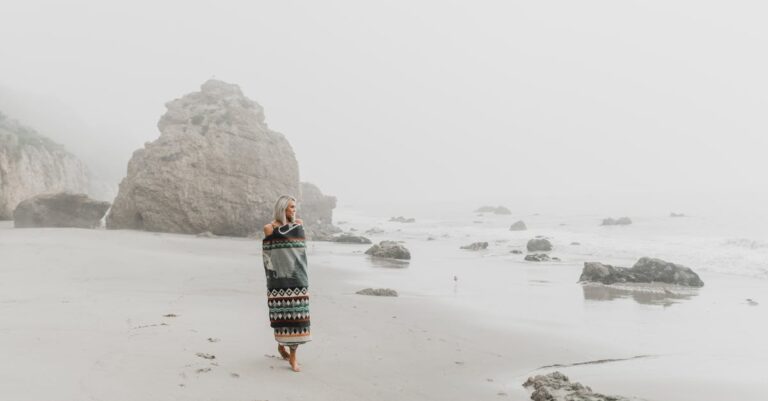
A misty morning on a rugged shoreline reveals a hidden world of vibrant anemones, scurrying crabs, and delicate sea stars exposed by the retreating tide. Exploring these intertidal zones is one of the most rewarding coastal adventures, but the environment is notoriously brutal on gear and bodies alike. To navigate these slippery, razor-sharp rocks and corrosive environments safely, having the right saltwater-safe equipment is absolutely essential.
Disclosure: As an Amazon Associate, this site earns from qualifying purchases. Thank you!
Preparing for the Harsh Realities of Rocky Coasts
The intertidal zone is a beautiful but unforgiving environment where land meets a restless ocean. Barnacles act like natural razor blades, algae-covered shelves are slicker than ice, and salt spray quickly corrodes standard outdoor equipment. Standard hiking boots or running shoes will quickly disintegrate under these conditions, while regular backpacks will leave spare clothes and electronics soaked in saltwater.
Navigating this terrain requires gear specifically designed to withstand constant moisture, high salinity, and heavy abrasive wear. Preparing correctly means selecting materials that resist rust, fabrics that repel water, and footwear that grips wet, slimy stone. When properly equipped, an explorer can focus entirely on the fascinating marine life rather than worrying about ruined gear or painful slips.
Reef Boots – Cressi Tall Neoprene Anti-Slip Boots
Slip prevention is the single most important safety consideration when walking across wet, algae-coated reefs. Standard water shoes lack the structural support and puncture resistance needed to protect feet from sharp rock edges, sea urchin spines, and jagged mussel beds. A dedicated, high-cut reef boot protects the ankles from scrapes while offering the thermal insulation needed in cold coastal waters.
The Cressi Tall Neoprene Anti-Slip Boots are engineered specifically for demanding wet environments. Built with 5mm double-lined neoprene, these boots offer excellent warmth and defense against impact. The highlight is the heavy-duty molded rubber sole, which features a deeply textured, non-slip tread design that bites into slick, wet rock surfaces with remarkable stability.
- Thickness: 5mm double-lined neoprene
- Sole: High-grip, vulcanized rubber tread
- Closure: Heavy-duty YKK side zipper with inner seal
- Best for: Wet, rocky, barnacle-encrusted intertidal zones
Before buying, keep in mind that these boots are designed to fit snugly to prevent water from sloshing around inside. If planning to wear thick socks for extra warmth in frigid northern waters, sizing up is highly recommended. These boots are perfect for anyone traversing rugged rock shelves, though they are too insulated and bulky for warm, sandy beach walks.
Dry Backpack – Sea to Summit Hydraulic Dry Pack
The ocean has a habit of claiming gear through unexpected splashes, deep wading pools, or sudden waves. A standard backpack will absorb saltwater, rot over time, and ruin any electronics or dry clothing stored inside. A rugged, fully submersible dry pack keeps spare layers, cameras, and snacks bone-dry, even if the bag accidentally slips into a deep tide pool.
The Sea to Summit Hydraulic Dry Pack is a powerhouse built from 600D TPU-laminated heavy-duty waterproof fabric. Unlike lighter dry bags that puncture easily on sharp granite, this pack is designed to resist severe abrasion. It features a removable harness system made of open-mesh and perforated foam, allowing for comfortable carrying across long coastal hikes while shedding water rapidly.
- Material: 600D TPU-laminated waterproof fabric
- Harness: Removable, quick-drying EVA foam shoulder straps
- Closure: Roll-top with secure interlocking buckles
- Sizes available: 35L, 65L, 90L, 120L
To ensure a completely waterproof seal, the roll-top closure must be folded tightly at least three times before buckling. Because of its heavy-duty construction, the pack is stiffer and heavier than a standard daypack, which is a trade-off for absolute water protection. This pack is a must-have for photographers carrying expensive camera gear, but it is likely overkill for casual walkers who carry nothing but a water bottle.
Waterproof Headlamp – Black Diamond Storm 500-R
The lowest tides of the month often occur during the early morning dawn or late evening dusk. Exploring these low-tide windows requires hands-free lighting, but a dropped headlamp in a tide pool can end a trip instantly. A saltwater-safe, highly waterproof headlamp is critical for spotting footing and identifying marine life in low-light conditions.
The Black Diamond Storm 500-R is built to survive the wettest coastal environments with its IP67 dustproof and waterproof rating. This means it can handle being fully submerged in water up to one meter deep for 30 minutes without failing. The 500-lumen output provides a powerful beam, while the red, green, and blue night-vision modes allow for close-up viewing without disrupting sensitive nocturnal marine life.
- Brightness: Up to 500 lumens
- Waterproof Rating: IP67 dust/waterproof
- Power Source: Integrated 2400 mAh Li-ion rechargeable battery
- Lighting Modes: Dimming, strobe, RGB night vision, lock mode
Users must ensure the micro-USB charging port cover is pressed firmly shut to maintain the waterproof seal before heading onto the rocks. The rechargeable battery is highly convenient, though explorers on multi-day coastal trips should pack a portable power bank. This light is indispensable for serious tide poolers timing the negative tides, but unnecessary for those who only explore during broad daylight.
Waterproof Case – Pelican Marine Shield Case
Smartphones have become the primary tool for navigating coastal trails, tracking tide tables, and photographing tiny nudibranchs. However, dropping a phone onto wet granite or exposing it to salt spray can cause permanent damage. A dedicated, impact-absorbing waterproof case allows for stress-free photography right at the water’s edge.
The Pelican Marine Shield Case offers military-grade protection in a slim, everyday profile. Boasting an IP68 waterproof rating, it can withstand continuous submersion, shielding the phone from both saltwater intrusion and fine sand particles. The multi-layered design absorbs heavy shocks, ensuring the phone survives a drop onto hard reef rock.
- Waterproof Rating: IP68 (fully submersible)
- Drop Protection: Tested to survive drops up to 6.6 feet
- Materials: Impact-absorbing polymer and scratch-resistant screen cover
- Compatibility: Specific models for Apple iPhone and Samsung Galaxy
Before taking the phone near the water, always perform a dry paper-towel test to confirm the seals are seated properly. Keep in mind that touchscreens can sometimes become less responsive when wet, so using the phone’s physical volume buttons to snap photos is a helpful trick. This case is ideal for active explorers who want instant camera access, while those who keep their phone packed away can pass on it.
Marine First Aid Kit – Adventure Medical Kits Series 100
Slipping on wet rocks almost always results in scrapes, cuts, or punctures from barnacles and shells. These wounds are highly susceptible to infection due to the abundant bacteria found in marine environments. Having a compact, water-resistant first aid kit designed specifically for marine injuries is a fundamental safety requirement.
The Adventure Medical Kits Series 100 comes packaged in a highly visible, waterproof roll-top dry bag that keeps medical supplies dry in any weather. The kit contains specialized supplies to treat wounds, prevent infections, and manage pain on the trail. It includes irrigation syringes for flushing out sandy wounds and butterfly closures for deeper cuts.
- Packaging: Waterproof roll-top dry bag design
- Key Contents: Cohesive bandages, wound irrigation, antiseptic wipes, medication
- Weight: Under 8 ounces
- Best for: 1 to 2 people on coastal day trips
It is wise to periodically inspect the kit to replace expired medications and ensure no moisture has snuck inside during past trips. Adding a small bottle of vinegar to the kit is a smart move for neutralizing jellyfish or anemone stings. This kit is a non-negotiable safety item for any coastal explorer, though it is not intended for advanced trauma or offshore medical emergencies.
Polarized Sunglasses – Costa Del Mar Fantail PRO
The glare off the water’s surface acts as a visual barrier, hiding the vibrant world beneath the tide pool. Standard sunglasses only dim the view, but polarized lenses block the reflected glare, letting you see straight through the water column. They also shield your eyes from harmful UV rays and flying salt spray during windy days.
The Costa Del Mar Fantail PRO features legendary 580G lightwave glass lenses that offer unmatched clarity and scratch resistance. The polarized lenses filter out harsh yellow light while boosting reds, greens, and blues, making marine life pop with incredible contrast. The durable bio-resin frames include side shields and hooding to block peripheral glare from entering the sides of your eyes.
- Lens Material: 580G Lightwave Glass (highly scratch-resistant)
- Frame Fit: Medium-large, wrap-around design
- Coating: Hydrophobic and oleophobic (repels water and skin oils)
- Best Tint: Green Mirror for shallow water or Copper for variable light
Glass lenses provide the best optical clarity but are heavier than plastic alternatives and can shatter if dropped on solid stone. To protect this investment, always pair these sunglasses with a secure, floating retainer strap. These glasses are perfect for anyone serious about spotting camouflaged marine life, but may be too costly for casual beachgoers.
Underwater Viewing Bucket – Nuova Rade Aquascope
Even with the best polarized sunglasses, wind-chop and surface ripples can distort the view of underwater habitats. Submerging a face mask is uncomfortable and impractical in shallow, cold tide pools. An underwater viewing bucket solves this problem by providing a dry, clear window directly into the aquatic world.
The Nuova Rade Aquascope is a rugged viewing tool crafted from high-quality, UV-resistant plastic. It features a tempered glass bottom that eliminates surface glare and distortion entirely, acting like a handheld aquarium window. The soft, rubber-wrapped eyepiece blocks out ambient light from above, allowing your eyes to focus completely on the depths below.
- Construction: Heavy-duty, UV-stabilized plastic
- Lens: Tempered glass viewing window
- Design: Three-piece detachable structure for easy transport
- Dimensions: Standard bucket-sized viewing field
While highly effective, the Aquascope is somewhat bulky to carry along rocky paths. It is important to avoid dragging the glass bottom against sandy or rocky surfaces, as scratches will degrade the viewing quality over time. This tool is incredibly fun for families, educators, and photographers, but too cumbersome for fast-moving, minimalist hikers.
Protection Gloves – Glacier Glove Islamorada Sun Glove
Bracing against rock walls or shifting gravel with bare hands is a quick way to sustain painful cuts. Many tide-pool creatures also possess mild stinging cells that can irritate sensitive skin. A lightweight, durable pair of gloves protects hands from both sharp marine growth and sunburn during long hours under the sun.
The Glacier Glove Islamorada Sun Glove provides a perfect balance of protection and dexterity. Featuring a UPF 50+ sun protection rating, the breathable fabric shields the backs of hands from intense UV exposure. The palms are reinforced with synthetic leather that maintains a secure grip on wet surfaces, while the fingerless design allows for easy camera and phone operation.
- Material: 4-way stretch breathable fabric with synthetic leather palms
- Sun Protection: UPF 50+ rating
- Design: Fingerless style for maximum finger dexterity
- Sizes: XS through XXL
These gloves are designed for warm to temperate weather and will not provide insulation in freezing winter waters. After use, they should be thoroughly washed in fresh water to prevent the synthetic leather from stiffening up. They are excellent for active explorers who need to scramble over barnacle-covered rocks, but unnecessary for those who stick to flat, sandy pathways.
How to Clean and Maintain Saltwater Gear
Saltwater is incredibly destructive; as it evaporates, it leaves behind abrasive salt crystals that bind zippers, corrode metal components, and dry out rubber seals. To extend the lifespan of tide-pooling gear, a strict post-trip cleaning routine is essential. Every piece of equipment that comes into contact with salt spray or seawater must be thoroughly rinsed with clean, fresh water as soon as possible.
When cleaning gear, pay close attention to moving parts like zippers, buckles, and seals. For stubborn salt buildup on zippers, soak the affected area in warm fresh water and use a soft-bristled toothbrush to gently scrub the teeth. Once rinsed, allow all gear to air-dry completely in a well-ventilated, shaded area, as direct sunlight can prematurely degrade neoprene, plastics, and waterproof coatings.
For long-term storage, apply a thin coat of silicone grease to rubber gaskets and plastic zippers to keep them supple and smooth. Store dry bags loosely rolled rather than tightly creased to prevent the waterproof membrane from cracking over time. Taking these simple maintenance steps ensures that expensive gear remains reliable and ready for the next coastal expedition.
Essential Safety Rules for Navigating Tide Pools
The ocean operates on its own schedule, and safety in the intertidal zone requires constant vigilance. The most fundamental rule of the rocky coast is to never turn your back on the ocean. Sneaker waves can surge unexpectedly high up the rocks, easily sweeping an distracted explorer off their feet and into deep, turbulent water.
- Check the tide charts: Always plan to arrive at least one hour before the lowest tide, giving you plenty of time to explore before the water begins to rise again.
- Watch your step: Treat every wet surface as if it were covered in ice, moving slowly and keeping your center of gravity low.
- Keep an eye on exit routes: Ensure you always have a clear, dry path back to high ground that cannot be cut off by a rising tide.
Never venture onto wet, dark rocks that are actively being sprayed or washed by waves, as these zones are highly unstable. If exploring with partners, keep a safe distance from each other so a single fall does not take down multiple people. By respecting the natural forces of the ocean and remaining alert, tide pooling can be enjoyed with minimal risk.
How to Explore Fragile Marine Ecosystems Responsibly
Tide pools are incredibly rich but fragile ecosystems where organisms battle harsh conditions daily to survive. Human feet can easily crush decades of slow-growing mussel beds, anemones, and kelp forests. To minimize impact, always walk on bare sand or bare, uncolonized rock paths whenever possible, avoiding stepping directly on living organisms.
When examining marine life, the general rule is to look but not touch. If you must touch an animal, do so extremely gently with a wet hand, as dry skin can strip away protective mucus coatings on fish and invertebrates. Never pry limpets, chitons, or anemones off their rocks, as forcing them off can tear their delicate tissues and lead to death.
[ TIDE POOL ETHICS ] │ ┌────────────────┴────────────────┐ ▼ ▼ [ TREAD LIGHTLY ] [ LEAVE IT BE ] Step only on bare rock Never pry animals off rocks Avoid stepping on mussel beds Put rocks back exactly as found If you turn over a rock to see what is hiding underneath, always return it gently to its exact original position. The organisms living on the underside of a rock rely on that cool, damp shadow to survive, while those on top need the sun. Leaving a rock overturned destroys two distinct habitats in a single move, so leaving the environment exactly as it was found is paramount.
Equipping yourself with saltwater-safe gear turns the challenging, slippery terrain of the rocky coast into an accessible and thrilling outdoor classroom. By prioritizing safety, keeping gear meticulously maintained, and treating these delicate marine ecosystems with the respect they deserve, every coastal adventure becomes both successful and rewarding. Prepare your gear, check the local tide tables, and step out safely into the incredible intertidal wilderness.