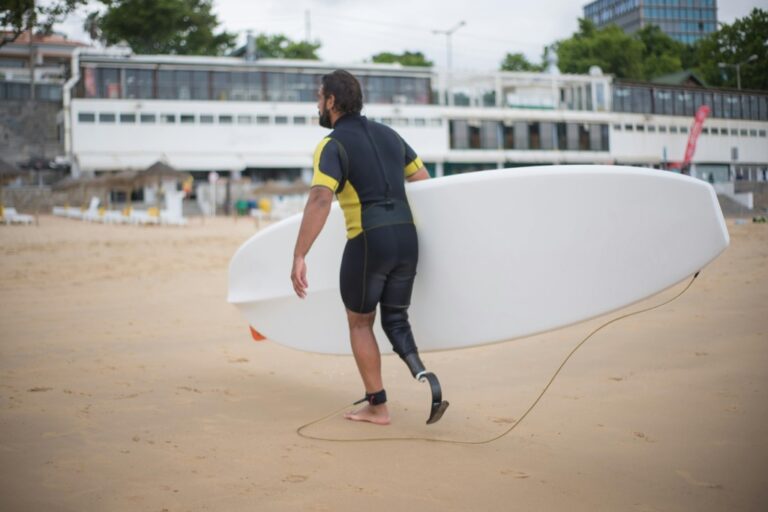
9 Essential Gear Picks for Setting Up a Beach Active Recreation Camp
Upgrade your next seaside adventure with our 9 essential gear picks for setting up a beach active recreation camp. Browse our top recommendations and gear up now.
Setting up a day-long beach active recreation camp transforms a simple patch of shoreline into a dynamic hub for watersports, games, and relaxation. Without the right commercial-grade equipment, however, shifting sands, corrosive saltwater, and relentless wind can quickly turn a planned day of fun into a frustrating battle against failing gear. Investing in durable, beach-tested gear ensures that your base of operations remains secure, comfortable, and fully functional from the morning’s first paddle to the final sunset volleyball match.
Disclosure: As an Amazon Associate, this site earns from qualifying purchases. Thank you!
Key Factors for Choosing Your Beach Camp Location
Selecting the perfect spot for a beach camp requires analyzing the shoreline long before unloading any gear. The most critical factor is the daily tidal range; pitching a camp too close to the wet-sand line can result in a sudden scramble to rescue sinking coolers and soggy gear as the tide rolls in. Look for the high-tide line, marked by dried seaweed and debris, and set up your main base at least fifteen feet above it.
Wind direction and velocity dictate how your canopy and activity zones must be oriented. Strong onshore winds will lift poorly anchored shelters, so finding natural windbreaks like dunes (while respecting local environmental protection laws) or angling your setup to minimize drag is essential. Additionally, choose a flat, hard-packed sand runway for active games like volleyball, while reserving softer sand areas for lounging and gear storage.
Finally, consider the proximity to the water’s edge for launching paddleboards and kayaks. You want a clear path that does not intersect with crowded swimming zones or hazardous rip currents. Avoid launching near rock jetties, fishing piers, or boat ramps where blind spots and underwater obstructions create immediate safety hazards.
Beach Canopy – Eurmax Premium Pop Up Canopy
A reliable shelter is the anchor of any active beach camp, providing a critical refuge from intense UV rays and midday heat. Without a sturdy canopy, sun fatigue sets in quickly, cutting your water time short and risking dehydration or sunburn. The shelter serves as your central command center, keeping electronics cool, food shaded, and offering a designated spot for winded paddlers to recover.
The Eurmax Premium Pop Up Canopy stands out because of its commercial-grade, powder-coated steel frame and 500-denier polyester top, which blocks 99% of harmful UV rays. Unlike cheap department store tents that buckle under a moderate sea breeze, this canopy features robust truss joints and reinforced stress points designed to withstand consistent coastal winds.
- Frame material: Commercial-grade powder-coated steel
- Canopy fabric: 500D Polyester with PU coating (waterproof and CPAI-84 fire-retardant)
- Size options: 10×10 feet, 10×15 feet, and 10×20 feet
- Best for: Large group gatherings, all-day base camps, and high-wind environments
Before buying, note that this level of durability comes with significant weight; this canopy is heavy and requires a solid team effort or a heavy-duty wagon to transport across loose sand. The included standard stakes are useless in dry sand, meaning you must invest in dedicated weight bags or sand anchors to keep the structure grounded. This shelter is perfect for groups planning multi-hour beach days but is overkill for quick, solo afternoon trips where a simple umbrella would suffice.
Beach Wagon – MacSports All Terrain Utility Wagon
Hauling heavy coolers, wet canopy frames, and bulky sports gear across deep, dry sand can drain your energy before the recreation even begins. A dedicated beach wagon acts as the workhorse of your setup, converting multiple exhausting trips into a single, efficient haul. Standard utility wagons with narrow wheels will instantly sink and lock up in dry sand, turning a helpful tool into an anchor.
The MacSports All Terrain Utility Wagon solves this struggle with its oversized, extra-wide plastic wheels that glide over soft sand rather than digging in. It features a heavy-duty mildew-resistant fabric bin and a durable steel frame that supports up to 150 pounds of equipment without flexing or binding.
- Weight capacity: 150 lbs
- Wheel type: 4-inch wide heavy-duty plastic wheels
- Folded dimensions: Approximately 31.5″ x 21.4″ x 9.7″
- Best for: Transporting coolers, folding chairs, umbrellas, and heavy sports nets
Keep in mind that while the extra-wide wheels perform brilliantly on sand, they can be noisy on paved boardwalks or asphalt. Steering a fully loaded wagon through extremely deep, powdery dunes still requires some physical effort, so loading the heaviest items over the rear wheels is a smart packing strategy. This wagon is an absolute lifesaver for families and active camp coordinators, though it might be unnecessary if you only bring what can fit on your back.
Marine Cooler – YETI Tundra 65 Hard Cooler
High temperatures and direct sunlight will turn cold drinks lukewarm and ruin perishable food in a matter of hours. A true marine-grade cooler is essential for maintaining safe food temperatures and providing cold hydration during strenuous beach activities. Standard backyard coolers lack the insulation thickness and UV resistance required to survive a brutal day on the open beach.
The YETI Tundra 65 Hard Cooler is the industry benchmark for this exact task, utilizing rotomolded construction that is virtually indestructible. With up to three inches of pressure-injected polyurethane foam in the walls and lid, it keeps ice solid for days, ensuring your lunch and hydration remain chilled regardless of ambient temperatures.
- Capacity: Holds up to 42 cans (using a 2:1 ice-to-can ratio) or 52 lbs of ice
- Construction: Rotomolded polyethylene
- Key features: T-Rex Lid Latches, NeverFail Hinge System, Vortex Drain System
- Best for: All-day active camps, overnight beach trips, and rough marine environments
To get the most out of this premium cooler, it must be pre-chilled with a sacrificial bag of ice the night before your trip, as warm rotomolded walls will melt your initial ice supply quickly. It is also quite heavy when fully packed, making it a two-person carry unless loaded directly into your heavy-duty beach wagon. While it represents a significant financial investment, it is perfect for those who refuse to deal with melted ice and spoiled food, though casual beachgoers might find simpler models more budget-friendly.
Inflatable SUP – Isle Pioneer Paddle Board
No active beach camp is complete without a watercraft that allows participants to explore the shoreline and ride small waves. An inflatable stand-up paddleboard (SUP) offers the perfect balance of recreation, fitness, and accessibility for various skill levels. Unlike rigid boards, inflatable options are easy to transport in a car trunk and are much more forgiving when bumped against knees, shins, or other boards.
The Isle Pioneer Paddle Board is a top choice due to its ultra-stable 34-inch width and military-grade PVC outer skin, which resists scrapes from sand, shells, and gravel. Its generous volume and wide nose make it incredibly forgiving for beginners trying to find their balance in light ocean chop.
- Dimensions: 10’6″ x 34″ x 6″
- Weight capacity: 285 lbs
- Material: Dual-layer military-grade PVC with drop-stitch core
- Best for: Recreational paddling, yoga, tandem riding with pets or kids, and light surf
Users must inflate the board to its recommended 13 to 17 PSI (pounds per square inch) to ensure it remains rigid and does not bend in the water; using a manual pump is a serious workout, so investing in a 12V electric pump is highly recommended. Always rinse the deck pad and inflation valve with fresh water after use to prevent salt crystals from degrading the seal and materials. This board is perfect for recreational paddlers seeking stability and durability, but speed enthusiasts may find its wide profile too slow for racing.
Beach Volleyball Net – Park & Sun Spectrum Classic
A dedicated land-based sport keeps the energy high when tide conditions or wind make water sports less appealing. Beach volleyball is the classic shore activity, bringing people together for competitive or casual play while establishing a vibrant social hub at your camp. However, cheap nets with sagging lines and flimsy plastic poles will constantly collapse in the sea breeze, ruining the flow of the game.
The Park & Sun Spectrum Classic is the gold standard for portable outdoor volleyball nets, featuring heavy-duty telescopic aluminum poles and a highly visible, professional-grade net. Its pull-down guyline system with lever locking rings allows you to achieve maximum net tension that remains taut even after hours of aggressive spikes and serves.
- Pole material: 2-inch aircraft-grade telescopic aluminum poles
- Net size: 32′ x 3′ sleeve net with 3-inch top and bottom tapes
- Boundary: 1/4-inch pre-measured boundary line with corner anchors
- Best for: Tournament-style beach play, large group gatherings, and windy conditions
Setting up this system in dry, loose sand requires burying the guyline anchors deep or using dedicated sand stakes to prevent the poles from tipping under high tension. You will also need a clear, flat 30-by-60-foot sand area free of sharp shells, rocks, or slope hazards to ensure safe play. This net is the absolute best choice for players who value professional-grade tension and durability, but it may be too much assembly work for a brief, casual beach outing.
Beach Chair – Tommy Bahama Backpack Beach Chair
High-energy water sports and beach games require periods of comfortable rest to prevent muscle cramps and exhaustion. A dedicated beach chair gets you off the hot, uneven sand, allowing your body to fully relax and recover in an ergonomic position. Without a lightweight, portable seating option, camp participants will quickly tire of sitting on damp towels or shifting dunes.
The Tommy Bahama Backpack Beach Chair excels here by combining premium lounging comfort with hands-free transportation. It features a lightweight, rust-proof aluminum frame, a five-position recline including a lay-flat option, and integrated padded backpack straps that free up your hands to carry paddleboards or pull the wagon.
- Frame material: Lightweight, rust-free aluminum
- Weight capacity: 300 lbs
- Special features: Insulated cooler pouch, storage towel bar, molded cup holder, cell phone pouch
- Best for: Hands-free beach access, comfortable lounging, and active camp resting zones
While highly functional, the plastic reclining joints can become jammed with fine sand grains over time, so lifting the armrests gently without forcing them is key to longevity. Regular rinsing with fresh water is required to keep the folding mechanisms operating smoothly and to prevent salt crust from building up on the fabric. This chair is a must-have for anyone prioritizing comfort and convenience, though minimalists might find the built-in storage pouches and cup holders unnecessary.
Marine VHF Radio – Standard Horizon HX210
Marine safety must always be the top priority when organizing any active recreation camp near open water. Cell phones are notoriously unreliable on the water due to dead zones, wet touchscreens, and water damage, making a dedicated marine communication tool vital. A marine VHF radio provides an instant, direct line to rescue services, neighboring boaters, and real-time NOAA weather alerts.
The Standard Horizon HX210 is the perfect safety companion, offering a rugged, floating design with an IPX8 waterproof rating that allows it to survive submersion up to 4.9 feet for 30 minutes. If dropped overboard, it floats face-up and activates a bright, water-triggered strobe light, making recovery effortless even in low-light conditions.
- Transmit power: Selectable 6W / 2.5W / 1W output
- Waterproof rating: IPX8 (submersible up to 1.5 meters for 30 minutes)
- Battery: High-capacity 1850 mAh Li-Ion battery
- Best for: Emergency coastal communication, paddleboard/kayak safety monitoring, and severe weather tracking
Before taking it on the water, users must understand that VHF Channel 16 is reserved strictly for hailing and distress calls; it is illegal and dangerous to use it for casual chatter. Keep the battery fully charged before heading out, and perform a quick radio check to ensure proper transmission power and clarity. This radio is an essential safety investment for camp leaders and offshore paddlers, but it is unnecessary for those staying on shallow, lifeguarded inland lakes.
Sand Anchor – Sand Shark Folding Sand Anchor
Keeping watercraft, swimming platforms, or marker buoys secure in shifting currents and active surf is a major challenge. Traditional metal claw anchors often drag across the sand, allowing expensive gear to drift out to sea or crash into swimmers on the shoreline. A specialized sand anchor screws directly into the seafloor, providing a rock-solid mooring point that resists ocean currents and wind.
The Sand Shark Folding Sand Anchor is engineered specifically for shallow water and shorelines, utilizing a high-strength, marine-grade anodized aluminum auger design. It folds flat for safe storage, preventing damage to inflatable paddleboards, and expands to screw easily into wet sand, clay, or mud.
- Material: Engineering-grade anodized aluminum
- Design: Folding shaft with helical sand auger
- Compatibility: Best for personal watercraft, inflatable SUPs, kayaks, and small recreational boats
- Best for: Shallow water mooring, shoreline parking, and setting swim boundary markers
To secure the anchor properly, you must screw the auger completely into the underwater sand until only the top tie-off ring is visible, as exposed shafts are prone to leverage and pullout from wave action. Always rinse the folding hinge and telescoping lock with fresh water after use to clear out abrasive sand particles that can scratch the protective anodized coating. This anchor is ideal for paddlers and PWC riders who want to park their craft safely in the water, but it is not meant for dry, powdery sand where weight-bag style anchors perform better.
Waterproof First Aid Kit – Surviveware Waterproof Kit
Active beach recreation inevitably involves minor injuries, from shell cuts and jellyfish stings to sunburn and dehydration headaches. Standard first aid kits housed in cardboard or cheap plastic cases will quickly succumb to moisture, turning sterile bandages and gauze into soggy, useless trash. A dedicated waterproof first aid kit ensures that emergency medical supplies remain dry, organized, and ready for deployment in any marine environment.
The Surviveware Waterproof Kit is built to survive the harshest coastal conditions, utilizing a heavy-duty, RF-welded 600D TPU outer shell with an IPX7 waterproof rating. Inside, the inner compartments are clearly labeled and organized by category, allowing for rapid response during high-stress situations when every second counts.
- Waterproof rating: IPX7 (fully submersible)
- Outer material: 600D TPU with welded seams and watertight zipper
- Contents: Up to 100+ medical supplies, including bandages, antiseptic wipes, and trauma shears
- Best for: Marine recreation, beach base camps, boating, and paddle sports
While the outer shell is incredibly durable, users must ensure the watertight zipper is fully zipped to the sealing dock, as even a tiny gap will let moisture creep in during a dunk. Periodically inspect the contents to replace expired medications, used bandages, or rusted shears that may have been exposed to salt air during previous uses. This kit is a non-negotiable safety item for every beach camp organizer, family, and outdoor adventurer, with no exceptions.
Setting Up Your Beach Active Zone for Safety
Creating a safe and functional beach active zone requires careful spatial planning to avoid accidents between land and water activities. Establish a clear safety buffer zone of at least twenty feet between the active volleyball court and the lounging area under the canopy. This prevents stray balls and diving players from colliding with spectators, coolers, or delicate gear.
On the water side, demarcate a specific launch and land zone for paddleboards that is completely separated from the swimming and wading area. Walk the shallow water zone before anyone enters, scanning for submerged rocks, sharp shells, or sudden drop-offs that could cause foot injuries or trip up wading participants. If you are operating in an area with tidal currents, place high-visibility marker buoys to define the safe paddling perimeter.
Finally, coordinate with local lifeguards if they are on duty, informing them of your group’s size and planned activities. Establish a clear, universal hand signal system for emergency recall and ensure that everyone in the camp knows where the waterproof first aid kit and VHF radio are located. Safety is not about luck; it is about establishing visible boundaries and clear communication channels before the first whistle blows.
Cleaning and Storing Beach Gear to Prevent Corrosion
Saltwater and fine beach sand are the ultimate enemies of outdoor gear, capable of corroding metals, jamming zippers, and degrading synthetic fabrics in a surprisingly short time. The most important rule of beach camp maintenance is the immediate freshwater washdown at the end of every trip. Never pack away wet, salt-crusted gear into a hot garage or car trunk, as this accelerates rust and mold growth overnight.
Spray down aluminum canopy frames, wagon joints, and volleyball poles with a high-pressure garden hose, paying special attention to moving parts and locking pins where salt crystals hide. For inflatable paddleboards, rinse the entire surface, towel-dry the deck pad, and leave the board partially inflated in the shade to dry completely before rolling it up. Apply a silicone-based marine lubricant to metal hinges, zippers, and wheel axles to repel moisture and prevent seizing.
Store your dry gear in a cool, well-ventilated space away from direct sunlight, which can dry out plastics and weaken fabrics over the off-season. Hanging paddleboards, storing tents in breathable mesh bags, and keeping your first aid kit in an easily accessible, dry location ensures that when the next perfect beach day arrives, your gear is ready to perform without fail.
Conclusion
Building a reliable beach recreation camp is all about pairing the right heavy-duty gear with smart, proactive safety and maintenance habits. By investing in resilient, marine-tested equipment and respecting the power of the coastal elements, you ensure that every beach day is both highly active and thoroughly safe. Grab your wagon, secure your anchors, and head out to the shoreline with the confidence that your camp is built to last.