9 Essential Cold Water Swimming Gear Picks for Winter Beginners
Ready to brave the chill? Discover our 9 essential cold water swimming gear picks for winter beginners to stay safe and warm. Shop the full guide here today.
Stepping into a frozen lake or a winter ocean takes more than just mental grit; it requires gear that acts as a life-support system against the elements. While summer swimming is about freedom and leisure, cold-water swimming is an exercise in thermal management and safety. Equipping yourself with the proper gear ensures that your first winter dip is a thrilling milestone rather than a dangerous emergency.
Disclosure: As an Amazon Associate, this site earns from qualifying purchases. Thank you!
Understanding the Risks of Cold Water Shock
When the body hits water below 60°F (15°C), the immediate physiological response is cold water shock, a sudden, involuntary gasp reflex followed by rapid breathing. This natural reaction can lead to water inhalation and immediate panic if a swimmer is unprepared. Heart rate and blood pressure spike instantly, putting immense stress on the cardiovascular system.
Beyond the initial shock lies the danger of swimming failure, which occurs as blood rushes away from the limbs to protect core organs. Within minutes, muscles in the arms and legs stiffen, making it progressively harder to stay afloat or swim to shore. Understanding this timeline is why cold-water swimmers never rely on willpower alone; they rely on physical barriers to slow down heat loss.
Thermal Wetsuit – Blueseventy Thermal Reaction
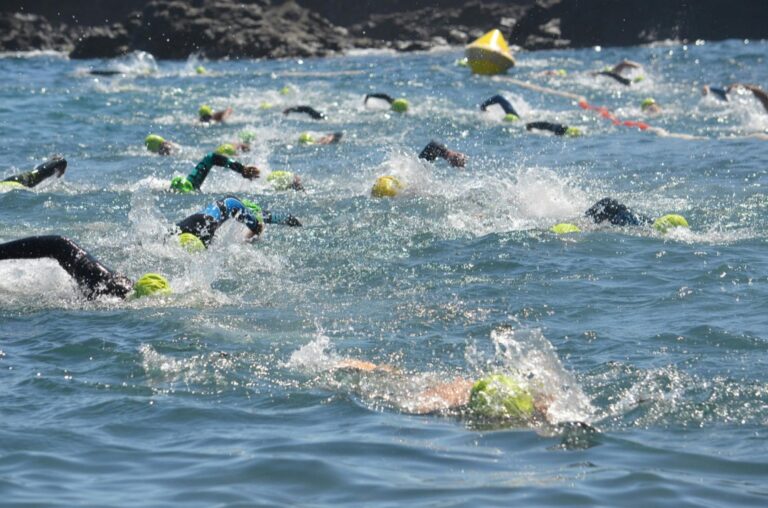
A thermal wetsuit is the foundation of winter open-water swimming, serving to slow heat loss and keep your core temperature within safe limits. Without this barrier, cold water continually flushes over your skin, rapidly stealing body heat and cutting your swim session dangerously short. The added buoyancy also keeps you higher in the water column, conserving energy when your muscles begin to tire.
The Blueseventy Thermal Reaction is an exceptional choice due to its high-grade Yamamoto neoprene lined with a lightweight zirconium flannel lining. This interior lining repels water and traps a thin, warmed layer against the skin, while the exterior SCS coating reduces surface drag. The suit also features a 4-3-4 buoyancy profile to lift the hips and maintain proper swimming posture in choppy water.
- Zirconium internal lining for maximum thermal insulation
- 4-3-4 buoyancy profile to elevate the lower body
- Yamamoto neoprene construction for flexibility
- Sizing options: Multiple men’s and women’s specific sizes
Sizing is critical and unforgiving; a wetsuit that is too loose will flush cold water constantly, while one that is too tight restricts breathing and shoulder movement. Always rinse the suit thoroughly with fresh water after every swim and hang dry on a thick, padded hanger to prevent shoulder creasing.
This suit is ideal for serious beginners transitioning to open water who want to extend their season into the deepest winter months. It is not the right choice for casual dip-and-sip swimmers who only plan to submerge for two minutes, as the high price tag and effort to put it on outweigh the benefits for quick dips.
Neoprene Booties – Zone3 Neoprene Swim Booties
Extremities are the first areas to lose circulation as the body fights to keep its core warm. Cold feet quickly become numb, making walking back up a rocky shoreline or climbing a slick ladder incredibly difficult and dangerous. Neoprene booties bridge the gap between thermal protection and physical safety during entry and exit.
The Zone3 Neoprene Swim Booties feature a 4mm high-stretch neoprene build with a tight, high-ankle design that minimizes water entry. They feature a gripped sole for traction on slippery boat ramps or rocky shorelines, plus an elastic strap adjustment to keep them secure during active kicking. The tight seal ensures that warm water remains trapped inside instead of flushing out with every kick.
- 4mm high-stretch neoprene material
- Textured grip sole for secure footing on slick surfaces
- Elastic strap adjustment to secure the ankle seal
- Size options: XS through XL
Sizing runs slightly large to accommodate various foot shapes, so sizing down is often recommended for a flush, water-tight fit. Ensure the booties tuck under the wetsuit ankle cuffs to prevent them from scooping up water like buckets during your swim.
These booties are perfect for anyone entering the water via rocky shorelines, muddy lake beds, or icy docks. They are less necessary for pool swimmers or those with sandy, warm-entry spots, though the thermal benefits remain universal.
Neoprene Gloves – ORCA Neoprene Swim Gloves
When hands get cold, they lose dexterity, transforming into stiff “claws” that cannot grip safety floats or unzip a wetsuit after a swim. Neoprene gloves keep fingers functional, allowing you to maintain an effective swim stroke and manage your gear when you exit the water. They also protect your hands from scrapes on hidden underwater structures.
The ORCA Neoprene Swim Gloves use a 2mm high-stretch neoprene that balances thermal protection with excellent tactile feel. They feature an extended wrist cuff to overlap with wetsuit sleeves and a textured palm pattern that ensures a solid grip on ladders, docks, or safety floats. The seamless construction minimizes chafing during repetitive swim strokes.
- 2mm high-stretch neoprene thickness
- Extended wrist cuff for wetsuit overlap
- Textured palm print for slip-resistant grip
- Size options: Unisex S to XL
While thicker gloves offer more warmth, they severely limit finger dexterity and increase forearm fatigue due to water resistance. Rinse them inside out after use to prevent mold and speed up drying times.
These gloves are essential for swimmers who want to maintain fine motor skills for climbing out of the water or unzipping gear afterward. They are not suitable for those who prioritize absolute finger-free swimming sensations or swim in waters above 60°F.
Neoprene Cap – Blueseventy Thermal Skull Cap
A massive amount of body heat is lost through the head, and exposed temples in cold water can trigger intense “brain freeze” headaches. A neoprene cap insulates the cranium, protecting the temporal nerves and keeping the entire body warmer for longer. It also helps prevent cold water from rushing directly into the ear canals.
The Blueseventy Thermal Skull Cap is built with 3mm Yamamoto neoprene and lined with the same zirconium lining found in their top-tier wetsuits. It features an adjustable chin strap to prevent pressure on the throat while keeping the cap firmly sealed against the forehead. This design prevents the cap from riding up or shifting during active breathing.
- 3mm Yamamoto neoprene build
- Zirconium inner lining for maximum warmth
- Adjustable hook-and-loop chin strap
- Size options: S, M, L
The chin strap must be adjusted carefully; too tight and it restricts jaw movement, too loose and water will flush under the cap. Wearing a standard bright silicone cap over the top increases visibility and adds an extra layer of wind protection.
This skull cap is a must-have for swimmers prone to ice-cream headaches or those swimming in waters below 55°F. It is not suited for recreational breaststroke swimmers who prefer to keep their heads completely out of the water.
Safety Swim Buoy – New Wave Swim Buoy PVC
In winter, mist, low sun, and choppy waters make a swimmer nearly invisible to boats, jet skis, and shore support. A safety swim buoy acts as a visual beacon, provides a dry chamber to store car keys, and serves as a physical float to rest on during sudden cramps or panic. It drags behind you silently, offering peace of mind without impacting your swimming stroke.
The New Wave Swim Buoy PVC is a highly visible bright orange or pink inflatable float constructed from durable, puncture-resistant PVC. It features a dual-chamber inflation design for safety backup and an adjustable waist belt that stays out of the way during your stroke. The dry compartment keeps small personal items dry while you swim.
- Heavy-duty, puncture-resistant PVC construction
- 15L capacity dual-chamber air design
- Adjustable waist strap (27″ to 52″)
- High-visibility orange, pink, or yellow colorways
This buoy is a flotation aid for resting, not a life-saving PFD; never rely on it as a substitute for swimming ability. Always check the valve seals before entering the water and avoid over-inflating on cold days as the air pressure changes.
This gear is mandatory for any open-water swimmer sharing the water with boaters or swimming alone. It is unnecessary for supervised, confined-space dipping where safety staff are immediately present on a dock.
Swim Goggles – Aqua Sphere Kayenne Goggles
Cold water makes the eyes water, and winter winds can whip spray directly into your face, obscuring your sight. Clear vision is critical for spotting exits, avoiding underwater hazards, and maintaining orientation in choppy winter waters. A leak-free seal prevents freezing water from shocking your eyes mid-stroke.
Aqua Sphere Kayenne Goggles offer an oversized lens design with patented curved lens technology, providing a wide 180-degree field of vision. The quick-fit buckle allows for rapid adjustments even with cold fingers, and the robust silicone skirt prevents leaks in freezing temperatures. The lenses are treated with an anti-fog coating to combat the extreme temperature differential.
- Patented curved lens with 180-degree visibility
- One-touch, quick-fit buckle adjustment
- Hypoallergenic silicone skirt for leak prevention
- Lens tints: Clear, smoke, polarized, or mirrored
Tinted or polarized lenses are ideal for bright, low-sun winter days, while clear lenses are better for overcast lake swims. Apply a drop of anti-fog spray before each swim, as the extreme temperature difference between your face and the water guarantees fogging.
These goggles are ideal for open-water swimmers who need maximum peripheral vision to navigate currents and spot landmarks. They are not recommended for swimmers who prefer low-profile, socket-style racing goggles that pinch the eyes and restrict the field of view.
Changing Robe – Dryrobe Advance Long Sleeve
The coldest part of winter swimming often occurs after you step out of the water. Wind chill can drop your body temperature rapidly, turning a successful swim into a shivering emergency. A changing robe acts as a personal shelter, blocking the wind, drying your skin, and allowing you to change clothes discreetly anywhere.
The Dryrobe Advance Long Sleeve features a waterproof and windproof outer shell paired with a synthetic lamb’s wool lining that draws water away from the skin. The spacious interior design allows you to pull your arms inside to change out of a wet swimsuit while fully protected from the elements. Deep, fleece-lined outer pockets keep hands warm while you unzip your gear.
- Waterproof and windproof nylon outer shell
- Synthetic lamb’s wool lining to draw water away
- Reversible two-way YKK zipper for easy internal access
- Sizing: Oversized fit from XS to XL
These robes are incredibly bulky and take up substantial space in a gear bag or car trunk. Do not wash them too frequently; spot cleaning and air drying preserve the water-repellent coating on the outer shell.
This robe is essential for winter swimmers changing in exposed parking lots, beaches, or riverbanks. It is an expensive overkill for swimmers who have immediate access to a heated locker room or indoor changing facility.
Swim Earplugs – Surf Ears 3.0 Earplugs
Repeated exposure to cold water and wind can cause the ear canal to develop bony growths, a condition known as “surfer’s ear.” Additionally, cold water rushing into the ear can cause immediate dizziness and a loss of balance, which is highly disorienting when swimming in open water. Earplugs seal the canal, keeping the inner ear warm and stable.
Surf Ears 3.0 Earplugs are designed to let sound in while keeping water out, utilizing an acoustic mesh core. This design allows you to hear safety whistles, boat traffic, and conversations while maintaining complete protection. They come with customizable wings and tips to fit different ear shapes securely, plus a leash to prevent losing them in the water.
- Acoustic mesh core to let sound in
- Customizable wings and gel tips included
- Leash attachment to prevent loss
- Protective carrying case included
Finding the right combination of tips and wings takes some trial and error at home before heading to the water. Keep them clean by rinsing with fresh water after every swim to prevent bacteria buildup on the acoustic mesh.
These earplugs are highly recommended for anyone swimming regularly in cold, windy environments to prevent long-term ear canal damage. They are not necessary for casual, head-above-water dippers.
Water Thermometer – Taylor Precision 1111
Never guess the water temperature in winter; your safety limits depend on accurate data. Knowing the exact temperature dictates how long you can safely stay in and helps you track your body’s acclimatization over time. A reliable thermometer takes the guesswork out of your pre-swim assessment.
The Taylor Precision 1111 is a pocket-sized, shock-resistant thermometer with a clear glass tube protected by a durable metal armor shield. It features a secure loop at the top for attaching a lanyard, letting you drop it from a dock or kayak to get an accurate reading before diving in. The non-mercury fill is safe for the environment and highly legible.
- Temperature range: -40°F to 120°F
- Shock-resistant non-mercury glass tube
- Durable metal armor shield
- Top loop for lanyard attachment
Give the thermometer at least two minutes submerged at your swimming depth to get an accurate reading. Avoid dropping it on hard concrete surfaces, as the internal liquid column can separate, requiring a tap to reset.
This is a critical tool for safety-conscious swimmers who use real-time data to plan their swim times. It is not needed if you only swim at organized venues where staff post the temperature daily.
Essential Safety Rules for Winter Swimming
The most fundamental safety rule of winter swimming is to always swim with a spotter or buddy who remains on the shore with a phone and warm gear. Never dive headfirst into cold water; wading in slowly allows your body to adjust to the temperature and mitigates the initial gasp reflex. Keep your swims brief, especially during your first season, as core temperature continues to drop even after exiting the water.
Establish a clear, unmistakable exit point before your toes ever touch the water. Changing winds and tides can turn an easy entry point into an impossible exit climb over ice-covered rocks or slick mud. Always prioritize time in the water over distance, keeping in mind that your physical coordination will decline rapidly once you submerge.
How to Properly Warm Up After a Winter Swim
Warming up after a cold swim is a slow, deliberate process that requires patience to avoid “afterdrop.” Afterdrop occurs when cold blood from your extremities recirculates to your core, causing your body temperature to plunge further after you have exited the water. Jumping immediately into a hot shower or hot tub can cause a dangerous drop in blood pressure and trigger fainting or cardiac issues.
Instead, strip off wet gear immediately, dry your torso first, and layer up with loose, warm clothing, starting with a wool hat and insulated boots. Sip a warm, non-alcoholic drink and move your body gently to generate natural metabolic heat. Avoid driving or packing up heavy gear until your shivering has stopped and your fine motor skills have fully returned.
Embracing the cold is a rewarding pursuit that demands respect for the water and the right gear to back it up. By equipping yourself with insulated essentials and following strict safety protocols, you can confidently turn winter swimming into a safe, exhilarating routine. Focus on the preparation, respect the elements, and enjoy the crisp clarity of the winter waters.