Island Hopping Packing List: 8 Essentials to Bring
Pack the perfect bag for your adventure. Discover 8 essential pieces of gear for a weekend of island hopping by boat and prepare for your trip today.
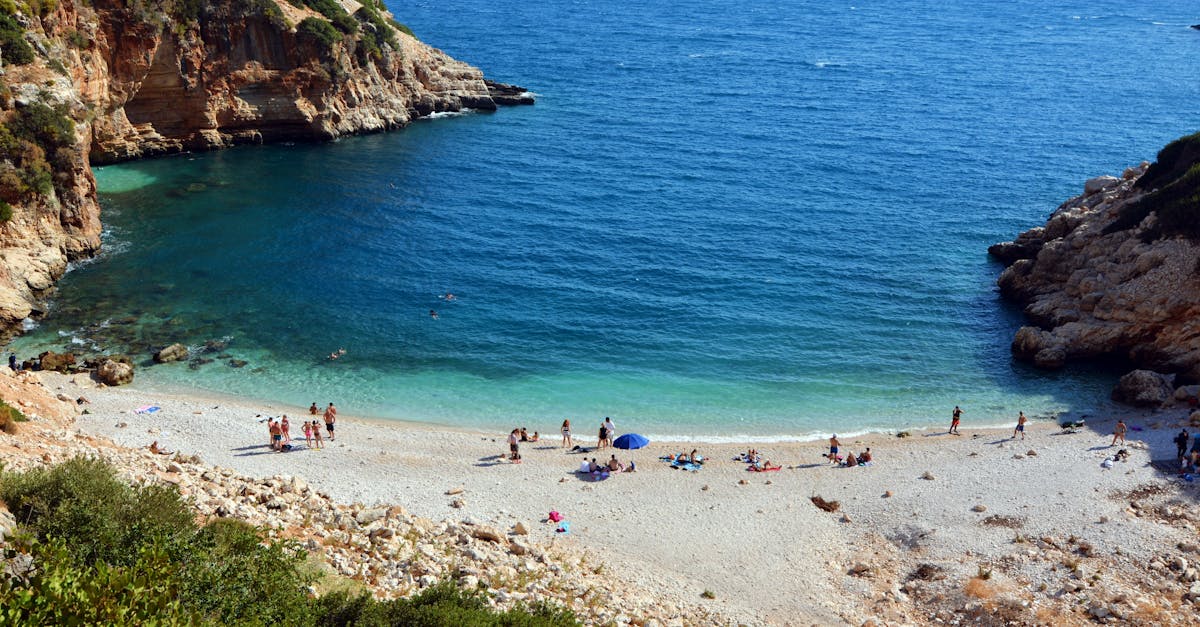
There is nothing quite like the freedom of pointing a small boat toward a chain of distant islands, watching the mainland fade into the horizon as the promise of secluded beaches draws closer. However, a successful weekend of island hopping requires more than just a full tank of fuel and a sense of adventure. Having the right gear on board transforms a potentially stressful trek through unpredictable coastal waters into a seamless, unforgettable expedition.
Disclosure: As an Amazon Associate, this site earns from qualifying purchases. Thank you!
Key Rules for Planning a Safe Island Hopping Route
Navigating between islands requires a different level of preparation than a standard day of cruising in protected inland bays. Tidal ranges, shifting sandbars, and localized wind patterns can turn a straightforward passage into a hazardous trap for unsuspecting boaters. Charting a route beforehand using updated marine GPS maps ensures the vessel stays within safe depths and avoids submerged hazards that change with the seasons.
Always establish a clear, conservative timetable that accounts for the slowest vessel in the group or unexpected weather delays. A float plan detailing the exact route, stops, and expected return time must be left with a reliable contact on shore before casting off. Plan to arrive at each destination with at least a one-third fuel reserve, adhering to the classic rule of thirds: one-third for the trip out, one-third for the return, and one-third for emergencies.
Dry Backpack – Sea to Summit Hydraulic Dry Pack
Getting from the boat to a remote beach often involves wading through waist-deep surf or paddling a tender, making dry storage non-negotiable. A standard backpack will leave spare clothing, towels, and electronics soaked in saltwater, ruining a weekend trip instantly. A heavy-duty dry pack secures essential gear against splashes, driving rain, and accidental submersions during beach landings.
The Sea to Summit Hydraulic Dry Pack stands out because of its rugged construction and comfortable carry system. Its welded seam construction prevents water ingress even when fully submerged, while the removable harness system makes carrying heavy loads across uneven island terrain surprisingly comfortable. The roll-top closure secured with an anodized aluminum buckle ensures a watertight seal that stands up to rough marine environments.
- Capacity options: 35L, 65L, 90L, 120L
- Material: 600D TPU-laminated heavy-duty nylon fabric
- Best uses: Surf landings, heavy rain transfers, wet gear storage
Users should inspect the roll-top buckle and straps periodically for salt buildup, rinsing them with freshwater after every trip. While the 35-liter version is ideal for day gear, stepping up to the 65-liter size is necessary if packing sleeping bags or bulky camping gear. Note that this pack must be rolled at least three times to guarantee its waterproof rating, and it is not intended for prolonged deep diving.
This pack is perfect for active island hoppers who need to transport gear through surf zones or during rainstorms. It is not suitable for those looking for a lightweight, packable daypack, as the heavy-duty materials make it somewhat stiff and bulky when empty.
Shallow Water Anchor – Slide Anchor Shore Spike
Traditional bow anchors keep a boat from drifting, but they do nothing to prevent the stern from swinging into rocks or shallow sandbars when beached. Securely mooring a boat near an island shoreline requires a reliable way to pin the stern or bow directly to the beach. A dedicated shore anchor prevents the boat from grounding out as the tide drops or drifting away as the tide rises.
The Slide Anchor Shore Spike is the ultimate tool for securing a boat in shallow water or directly on the beach. Made of high-strength galvanized steel, it features a driving handle that acts as a slide hammer, allowing the user to easily drive the spike into hard-packed sand, gravel, or clay. It provides incredible holding power for boats up to 30 feet, ensuring the vessel stays exactly where it was left.
- Material: High-strength galvanized steel
- Boat size compatibility: Up to 30 feet
- Best uses: Sandy beaches, clay banks, gravel shorelines
The slide hammer mechanism can pinch fingers if operated carelessly, so users must pay close attention during deployment. It requires a dedicated anchor line and a reliable cleat on the boat to function effectively. After use, the tool should be rinsed to remove sand from the sliding chamber to prevent jamming during the next trip.
This spike is essential for boaters who frequently beach their vessels on sandy or gravelly island shores. It is not the right choice for rocky shorelines where a spike cannot penetrate the ground, nor is it meant to replace a primary bow anchor in deep water.
Marine Cooler – RTIC 52 Ultra-Light Cooler
Spending a weekend hopping between uninhabited islands means there are no convenience stores nearby to replenish melting ice, fresh food, or cold drinks. A standard backyard cooler will lose ice within hours under the baking marine sun, risking food spoilage. A high-performance, marine-grade cooler is vital for maintaining safe food temperatures and keeping drinks cold for days.
The RTIC 52 Ultra-Light Cooler delivers rotomolded-like ice retention while being 30% lighter than standard rotomolded coolers of the same capacity. It features up to three inches of closed-cell foam insulation and a freezer-style gasket that seals out warm ambient air. Built-in tie-down slots keep the cooler secure on a bouncing deck, while the non-slip feet prevent it from sliding around during tight turns.
- Capacity: 52 quarts (holds up to 64 cans plus ice)
- Weight: 21 lbs (empty)
- Best uses: Multi-day boat camping, beach picnics, fish storage
To get the best performance, pre-chill the cooler with a sacrificial bag of ice the night before packing. The 52-quart capacity is the sweet spot for a weekend trip for two to three people, but it must be packed strategically with food on top of the ice. Ensure the drain plug is threaded correctly and tightened to prevent slow leaks onto the deck.
This cooler is ideal for boaters who need maximum ice retention without the back-breaking weight of traditional heavy-duty coolers. It is not ideal for solo kayakers or very small tenders where space is extremely limited and a soft-sided cooler would fit better.
Handheld VHF Radio – Standard Horizon HX890
Cell phone coverage is notoriously unreliable once you get a few miles off the coast or behind high island cliffs. In an emergency, a handheld VHF radio is the single most important safety tool for contacting the Coast Guard, local marine patrol, or nearby boaters. It also provides real-time NOAA weather alerts, keeping you ahead of sudden squalls.
The Standard Horizon HX890 is a floating, waterproof handheld VHF radio equipped with built-in GPS and Digital Selective Calling (DSC). In an emergency, pressing the distress button automatically transmits the vessel’s precise GPS coordinates to rescue agencies. It features a bright, easy-to-read screen, a water-activated strobe light, and a six-watt transmit power for maximum range across open water.
- Transmit power: 6W / 2W / 1W options
- Waterproof rating: IPX8 submersible (1.5m for 30 minutes)
- Best uses: Coastal cruising, emergency communication, weather monitoring
Registering the radio to obtain a Maritime Mobile Service Identity (MMSI) number is required to enable the automated DSC distress features. While the lithium-ion battery lasts for up to 11 hours, carrying the included alkaline battery tray as a backup is highly recommended for weekend trips. Ensure the antenna is tightly screwed on before heading out to maintain maximum signal range.
This radio is a must-have safety device for any coastal boater, kayaker, or island hopper venturing outside of reliable cell service. It is not necessary for small, land-locked inland lakes where immediate help is always within sight and cell signal is perfect.
Waterproof First Aid Kit – Adventure Medical Kits 200
Sharp oyster shells, slippery rocks, and stray fishing hooks can turn a fun island exploration into a painful emergency in seconds. Because islands are isolated, help can be hours away, making self-reliance key. A marine-specific first aid kit contains the specialized supplies needed to treat common water-based injuries before professional help can be reached.
The Adventure Medical Kits Marine 200 is packed inside a fully waterproof, floating DryFlex bag that keeps medical supplies dry even if dropped overboard. It features a curated selection of supplies tailored to boating injuries, including burn creams, marine-grade bandages, blister treatments, and motion sickness medication. The inner pockets are clearly organized by injury type, allowing for quick access during a stressful situation.
- Case type: Waterproof DryFlex bag
- Group size: 1 to 4 people
- Best uses: Small-boat medical prep, kayaking, beach excursions
Boaters should familiarize themselves with the contents of the kit before departure rather than waiting for an emergency to open it. Check the expiration dates of medications and ointments annually, replacing any used items immediately after returning home. Consider adding personal prescription medications and extra sun protection to the kit for completeness.
This kit is perfect for small-boat captains and paddlers who need a compact, highly protective first aid solution. It is not large enough for extended offshore cruising or large groups of five or more people, which would require a larger marine kit.
Portable Power Bank – Anker PowerCore Solar 20000
Modern island hopping relies heavily on electronic devices like phones, GPS navigators, and action cameras to document the trip and navigate safely. A dead battery on a critical navigation device can leave you stranded or blind in unfamiliar waters. A portable, rugged power bank ensures that essential electronics remain fully charged throughout the entire weekend.
The Anker PowerCore Solar 20000 is built for rugged outdoor environments with an IP65 dustproof and water-resistant rating. Its massive 20,000mAh capacity can charge a typical smartphone up to five times, and it features dual USB ports to charge multiple devices simultaneously. The built-in solar panel provides emergency recharging capability when grid power is completely out of reach.
- Capacity: 20,000mAh
- Rating: IP65 dustproof and water-resistant
- Best uses: Off-grid device charging, camping, emergency backup
The solar panel is designed for emergency top-offs and takes a long time to fully charge the massive battery; it should be fully charged via a wall outlet before leaving home. Keep the ports sealed with the rubber protective flap when not in use to prevent saltwater corrosion. Avoid leaving the power bank in direct, intense midday sun on a hot deck, as excessive heat can degrade lithium batteries.
This power bank is ideal for campers and boaters who will be away from electrical outlets for two to three days. It is not suitable for divers or swimmers who need a fully submersible power source, as the IP65 rating protects against splashes but not complete underwater submersion.
Water Shoes – Astral Brewer 2.0 Water Shoes
Transitioning from a wet boat deck to a rocky shore or a slippery boat ramp requires footwear that can handle both wet and dry conditions. Bare feet invite cuts from barnacles, while traditional sneakers remain waterlogged, heavy, and prone to rotting. Specialized water shoes provide the grip and protection of a shoe with the drainage and quick-drying capabilities of a sandal.
The Astral Brewer 2.0 Water Shoes feature a high-performance G.15 rubber outsole that provides exceptional grip on wet, slimy surfaces. They look like stylish sneakers but are built with a mesh upper and built-in drainage holes at the toe and heel to shed water instantly. The balanced geometry and low-profile design allow for natural foot movement, making them comfortable for both paddling and light island hiking.
- Outsole: G.15 high-friction rubber
- Weight: Extremely lightweight (approx. 7.7 oz per shoe)
- Best uses: Wet deck traction, rocky beach wading, kayak launches
Sand and fine gravel can occasionally wash inside the shoe through the drainage holes when wading in loose surf. If walking in heavy silt, users should periodically rinse the shoes out to prevent blisters from abrasive sand. They dry quickly in the sun, but should not be placed directly next to campfire heat, which can damage the synthetic adhesives.
These shoes are perfect for boaters, kayakers, and paddleboarders who need reliable traction and foot protection during wet landings. They are not designed for heavy, multi-day backpacking trips with heavy loads, which require dedicated hiking boots.
Inflatable SUP – ISLE Pioneer 2.0 Paddle Board
Once a boat is anchored safely in deep water, an inflatable stand-up paddleboard (SUP) becomes the ultimate vehicle for exploring shallow coves, mangroves, and narrow channels. It allows boaters to reach beaches where the main vessel cannot go due to draft limitations. Additionally, it serves as a fun platform for swimming, snorkeling, or simply relaxing near the shoreline.
The ISLE Pioneer 2.0 Paddle Board is incredibly stable, measuring 10’6″ long and 34″ wide, making it perfect for carrying extra gear or a passenger. Constructed with military-grade outer PVC, it is highly resistant to dings, scratches, and scrapes against rocks or docks. Its generous nose and tail bungee systems offer ample storage space to secure dry bags, water bottles, and snorkeling gear.
- Dimensions: 10’6″ x 34″ x 6″
- Weight capacity: Up to 300 lbs
- Best uses: Shallow water exploration, tenders, leisure paddling
Inflating the board to the recommended 15 PSI requires some physical effort with the included hand pump; using a portable electric pump connected to a boat’s 12V outlet is a highly recommended upgrade. Ensure the fin is securely locked into the center box before launching to maintain straight tracking. Always store the board slightly deflated if leaving it in direct hot sun on deck to prevent over-pressurization.
This paddleboard is ideal for recreational boaters looking for a stable, durable, and versatile platform for coastal exploration. It is not designed for high-speed racing or long-distance touring, as its wide profile prioritizes stability over pure speed.
How to Properly Balance Gear Weight on a Small Boat
Loading up a day boat for a weekend getaway often leads to an excess of heavy gear that can compromise vessel stability and performance. Improper weight distribution can cause the bow to plow, the stern to squat, or the boat to list heavily to one side, increasing fuel consumption and handling risks. The golden rule is to keep the heaviest gear centered and as low in the bilge area as possible to maintain a low center of gravity.
Distribute weight evenly between the port and starboard sides to prevent listing, which can make steering unpredictable in choppy water. Keep the bow relatively light to allow the boat to lift over oncoming waves rather than stuffing into them. Regularly inspect how the boat sits in the water at rest; if the static waterline is uneven, redistribute coolers, fuel cans, and gear bags before accelerating to plane.
Safe Beaching Techniques for Variable Tidal Zones
Beaching a boat on an island is a classic way to enjoy the shore, but doing so without considering the tides can leave you high and dry for hours—or worse, see your boat drift away. Before approaching any shoreline, consult local tide tables to determine if the tide is rising or falling. When the tide is falling, anchor the boat further out in deeper water and wade to shore to prevent the hull from getting trapped on the receding sandbar.
When beaching on a rising tide, you can bring the bow closer to the sand, but always use a stern anchor to prevent the incoming waves from pushing the boat sideways onto the beach. Keep the engine tilted up in the trailering position to protect the propeller, skeg, and cooling water intakes from sucking up sand and debris. Never leave a beached boat completely unattended for long periods without checking the water level relative to the hull.
Cleaning Marine Gear to Prevent Saltwater Corrosion
Saltwater is incredibly destructive, leaving behind corrosive salt crystals that eat through metal zippers, degrade rubber seals, and cloud clear plastics. After a weekend of island hopping, a thorough washdown of all gear is essential to extend its lifespan and maintain its safety ratings. Freshwater rinsing should be done as soon as possible after returning to dock, paying close attention to moving parts, hinges, and zippers.
Wash dry bags, water shoes, and paddleboards with a mild, marine-safe biodegradable soap, then allow them to air dry completely in the shade before storage. For electronic gear like the VHF radio, ensure all port covers are tightly sealed before gently rinsing under a low-pressure faucet. Lubricate metal zippers on gear bags and first aid kits with a marine-grade silicone spray to keep them operating smoothly for the next adventure.
With the right gear packed and proper safety techniques in mind, island hopping becomes a thrilling and secure way to explore the coast. By prioritizing safety, stability, and preparation, every crossing turns into a successful adventure. Stock your boat with these essentials, plan your route carefully, and enjoy the ultimate freedom of the open water.