
8 Essential Gear Picks for Practicing SUP Yoga
Ready to take your practice to the water? Discover 8 essential gear picks for practicing SUP yoga and find your balance with confidence. Shop our top list now.
Picture yourself balancing in a warrior pose while a gentle current nudges your board and the morning sun warms the water. Trying to hold a yoga flow on a paddleboard can quickly turn into an accidental swim if you are fighting unstable gear or drifting away from your spot. Having the right, purpose-built equipment transforms a frustrating balancing act into a seamless, meditative session on the water.
Disclosure: As an Amazon Associate, this site earns from qualifying purchases. Thank you!
Finding the Perfect Water Conditions for Your Practice
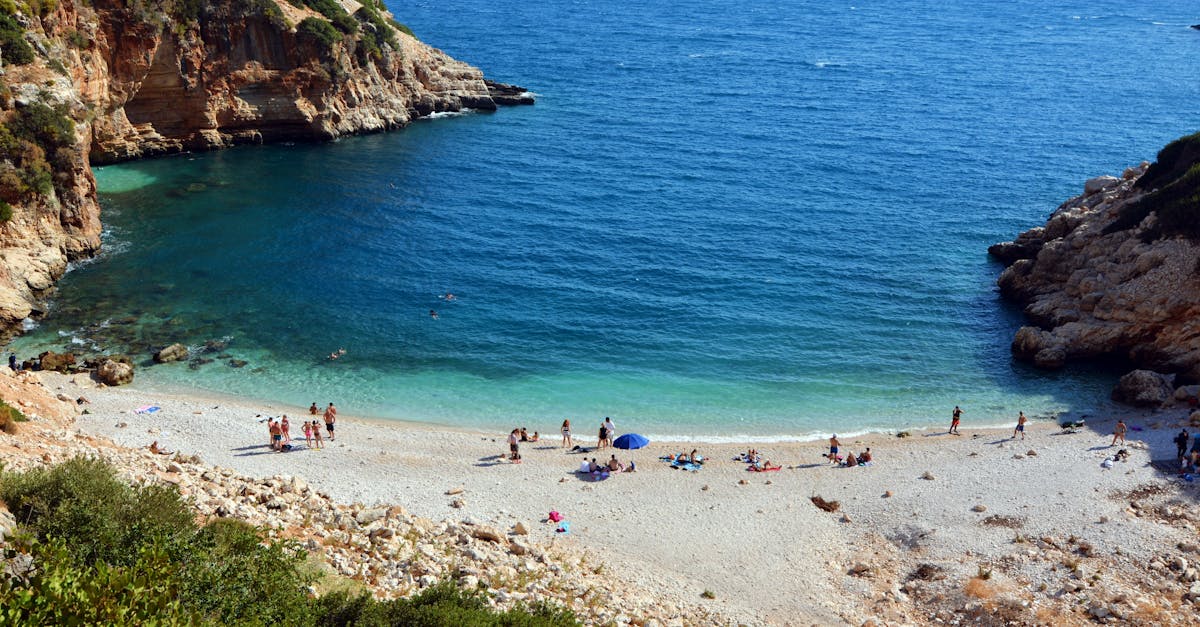
The success of a SUP yoga session depends entirely on where you drop your board. Beginners often make the mistake of heading to the nearest open lake without checking the wind forecast, only to find themselves paddling hard just to stay in one place. Look for sheltered coves, protected bays, or small inland lakes where trees block the wind and powerboats are restricted.
Check the wind speeds before you pack up; anything over five to seven knots will create chop that makes balancing nearly impossible. Early morning is almost always the golden window for flat water because winds are typically calmest before the land heats up. Avoid areas with high tidal flow or river currents, as these will drag your anchor and disrupt your focus.
Yoga Paddleboard – Retrospec Weekender Yogi
A standard paddleboard is often too narrow or slick for a successful yoga practice. The Retrospec Weekender Yogi acts as a floating fitness platform, offering the stability you need to hold complex poses without constantly tipping over. Its wide-drawn nose and tail provide a rectangular outline that maximizes usable deck space.
- Dimensions: 10′ x 33″ x 6″
- Weight Capacity: Up to 275 lbs
- Deck Pad: Full-length, slip-resistant EVA foam
- Material: Military-grade double-layer PVC
The textured EVA foam deck pad runs nearly from nose to tail, mimicking the feel of a standard yoga mat. Keep in mind that because this board is thick and wide, it catches the wind more easily when you are paddling to your spot. To ensure optimal stability, make sure to inflate the board to its full recommended 15 PSI.
This board is the perfect fit for yogis of all skill levels who want a dedicated, stable platform for stretching and balancing. It is not the right choice for paddlers looking to cover long distances quickly or navigate fast-moving river rapids.
Travel Paddle – Werner Zen 95 Adjustable Paddle
You need a paddle to get to your quiet cove, but it can quickly become an obstacle once you start your flow. The Werner Zen 95 features a lightweight design that reduces shoulder fatigue during the journey out. Its adjustable shaft allows you to customize the height for paddling, kneeling, or passing the board to a friend.
- Shaft Material: Carbon/Fiberglass blend
- Blade Size: 95 square inches
- Adjustment Range: 70 to 86 inches
- Weight: 26.5 ounces
The fiberglass-reinforced blade is exceptionally durable, so you can push off sandy bottoms or gravel shores without worrying about chipping the edges. However, the paddle does not float indefinitely, meaning you must secure it to your board’s bungee system before beginning your yoga session. Always check that the lever lock collar is free of sand to keep the adjustment mechanism working smoothly.
This paddle is ideal for paddlers who appreciate a premium, lightweight feel and want to avoid shoulder strain. It is not recommended for those on a tight budget who only need a basic, heavy utility paddle.
Board Anchor – Airhead Grapnel Anchor System
Without an anchor, even a whisper of wind will drift your board into docks, shallow rocks, or swimming zones. The Airhead Grapnel Anchor System holds your board securely in place so you can close your eyes and focus on your breath. Its folding design allows it to pack down tight when you are paddling.
- Weight: 3.3 lbs
- Material: Durable galvanized steel
- Line Length: 25 feet
- Included accessories: Padded nylon storage case, buoy, snap hook
The four folding tines lock into place to grab onto mud, sand, gravel, or rocky bottoms. Keep in mind that the included 25-foot marine-grade line limits your anchoring depth to about 5 to 8 feet of water to maintain a safe holding angle. Always store the anchor in its padded bag to prevent the steel tines from dinging your paddleboard during transport.
This system is perfect for flat-water paddlers who need a reliable, compact anchor for shallow lakes and calm bays. It is not heavy enough to hold a board in strong river currents or deep, choppy coastal waters.
Inflatable PFD – Onyx M-16 Belt Pack Manual PFD
Safety is paramount on open water, but a bulky traditional life jacket will restrict your movement during yoga poses. The Onyx M-16 Belt Pack solves this problem by riding comfortably on your waist, keeping your chest and shoulders completely free. It remains compact and out of the way until you need it.
- Inflation Type: Manual CO2 cartridge (16g)
- Buoyancy: 17 lbs (inflated)
- U.S. Coast Guard Approved: Type V with Type III performance
- Waist Range: Up to 52 inches
This PFD relies on a manual pull-tab to inflate, meaning you must be conscious and capable of pulling the cord if you fall into deep water. You will need to replace the CO2 cylinder rearming kit after every inflation or if the green indicator turn red. Check the belt adjustment before launching to ensure it stays snug on your hips without sliding down.
This safety gear is excellent for confident swimmers practicing in calm waters who need maximum torso mobility. It is not suitable for weak swimmers, children, or whitewater paddleboarding.
Electric SUP Pump – OutdoorMaster Shark II
Manually pumping a high-volume paddleboard to 15 PSI is an exhausting workout that can leave your arms too tired for yoga. The OutdoorMaster Shark II plugs into your vehicle’s 12V outlet and does the heavy lifting for you. It features an active cooling system that allows you to inflate multiple boards back-to-back.
- Max Pressure: 20 PSI
- Power Source: 12V DC car connector
- Inflation Speed: Fills a standard board in under 10 minutes
- Cooling: Engineered active cooling system
This pump features an automatic shut-off that stops inflation once your pre-set pressure is reached, preventing over-inflation. The unit is relatively loud during the high-pressure stage, so it is best to inflate your boards near your vehicle before heading down to the quiet shoreline. Keep your vehicle’s engine running while the pump is active to prevent draining your car battery.
This tool is a lifesaver for families with multiple boards or anyone who wants to save their physical energy for the water. It is not practical for backpackers or those who paddle in remote areas far from a vehicle.
Dry Bag – Sea to Summit Big River Dry Bag
A dry bag keeps your car keys, dry clothes, towel, and phone safe from splashes and unexpected flips. The Sea to Summit Big River Dry Bag is built from heavy-duty waterproof fabric that resists abrasion from sandy beaches and rocky launches. It features multiple lash loops so you can secure it directly to your board’s deck bungees.
- Material: 420D TPU-laminated nylon
- Waterproof Rating: IPX6 (heavy spray/brief submersion)
- Base Shape: Oval base prevents rolling
- Sizes: Available from 5L to 65L (20L is best for yoga)
To achieve a reliable, waterproof seal, you must roll the hypalon stiffener strip down at least three times before clicking the buckle. While it easily handles heavy splashes and rain, this bag is not designed for prolonged underwater submersion. Avoid packing sharp items like knives or loose fishhooks directly against the inner walls of the bag.
This bag is perfect for paddlers who need rugged, reliable storage for expensive electronics and dry layers. It is unnecessary for those who only carry waterproof keys and leave everything else in their car.
Coiled Leash – FCS Essential Series Coiled Leash
If you fall off your board, a gust of wind can push it away faster than you can swim. The FCS Essential Series Coiled Leash keeps the board within arm’s reach without dragging in the water or tangling around your ankles. The coiled design stays neatly on the deck of your board while you flow.
- Cord Style: 7mm coiled polyurethane
- Cuff: Padded neoprene with quick-release pull loop
- Swivels: Dual stainless steel marine swivels
- Length: 9 feet (stretched)
The padded neoprene cuff fits comfortably around your ankle or calf without chafing during long sessions. Be sure to regularly rinse the velcro closure with fresh water to clear out sand and salt, which can degrade the holding strength. Avoid using a coiled leash in fast-flowing river currents, as it can snag on submerged branches and trap you underwater.
This leash is ideal for lake and flat-water paddlers who want to stay safely connected to their board without drag. It is not suitable for ocean surfing or river paddleboarding.
Insulated Tumbler – YETI Rambler 26 oz Bottle
Staying hydrated is crucial when spending hours in the sun, but a plastic water bottle will quickly turn warm. The YETI Rambler 26 oz Bottle features double-wall vacuum insulation that keeps your water ice-cold even on scorching summer afternoons. The leakproof cap ensures not a drop spills onto your board’s deck.
- Capacity: 26 ounces
- Material: 18/8 kitchen-grade stainless steel
- Cap Style: Leakproof TripleHaul Chug Cap
- Dishwasher Safe: Yes
The durable Duracoat color finish won’t peel or crack from exposure to sun and salt. However, because this bottle is made of heavy stainless steel, it will sink immediately if dropped into deep water. Secure it under your board’s deck bungees or attach a flotation sleeve to the handle to prevent losing it over the side.
This bottle is perfect for paddlers who want ice-cold drinks and demand gear that can survive being dropped on concrete or gravel shores. It is not the right choice for ultralight hikers who prefer collapsible plastic bladders.
How to Secure Your Anchor System Without Drifting
Dropping an anchor seems simple enough, but a poor setup will have you slowly drifting into the reeds mid-shavasana. The secret lies in the scope, which is the ratio of the length of anchor line you deploy to the depth of the water. For standard flat-water SUP yoga, aim for a 3:1 ratio; if you are in five feet of water, let out fifteen feet of line so the anchor can lie flat and dig its flukes into the bottom.
Secure the anchor rope to the nose D-ring or the rear leash plug rather than the side handles. Keeping the attachment point at either extreme end of the board allows the board to naturally align with the wind or current, which minimizes side-to-side rocking and keeps your platform stable. If you are practicing in areas with shifting winds, using a dual-anchor system (one at the nose, one at the tail) will lock your board completely in place.
Crucial Safety Rules for Paddling in Open Water
Open water brings unpredictable elements that require smart decision-making before you even launch. Always check the local weather and pay close attention to offshore winds, which can blow you away from the shoreline faster than you can paddle back. Federal laws in many regions classify paddleboards as vessels, meaning you are legally required to carry a life jacket and a whistle when paddling outside swimming or surfing zones.
Share the water responsibly by staying well clear of designated boat channels and high-traffic areas. Motorboats often cannot see a low-profile paddleboarder, especially if you are lying flat or sitting during a yoga pose. Wear highly visible colors, stay close to the shoreline, and never paddle in the dark without a proper 360-degree white light.
Cleaning and Storing Your Gear to Prevent Mold
Storing your gear while it is still damp is a fast track to mold, mildew, and weakened materials. After every session, especially in saltwater or brackish environments, thoroughly rinse your board, paddle, and dry bag with fresh water to remove salt crystals and organic debris. Pay special attention to the textured deck pad on your yoga board, as the foam can easily trap moisture and dirt.
Allow all equipment to air dry completely in the shade before rolling up your board or packing away your PFD. Direct sunlight will degrade PVC and nylon over time, so avoid leaving gear baking in the yard for days. Store your dry gear in a cool, climate-controlled space where temperatures do not fluctuate wildly, ensuring your investment is ready for the next calm morning.
Conclusion
Equipping yourself with the right gear ensures your time on the water is focused on balance and breathing rather than fighting the elements. By selecting stable platforms, reliable anchors, and crucial safety equipment, you set yourself up for a successful floating practice. Pack your gear, check the wind, and enjoy the ultimate peaceful escape of your next SUP yoga session.

