10 Essential Safety Gear Picks for Personal Watercraft
Stay safe on crowded waters with these 10 essential safety gear picks for riding personal watercraft. Read our expert guide and gear up for your next lake trip.
On a scorching summer Saturday, a busy lake becomes a high-speed obstacle course of churning wakes, erratic rental boats, and shifting winds. Navigating this chaotic environment on a personal watercraft (PWC) leaves zero room for gear failure or poor preparation. Equipping your machine with the right safety essentials ensures that a sudden engine cut, an unexpected wave, or a minor mishap doesn’t escalate into a weekend-ruining emergency.
Disclosure: As an Amazon Associate, this site earns from qualifying purchases. Thank you!
Why Crowded Lake Traffic Demands Extra Safety Gear
Busy inland waterways pose unique hazards that open ocean waters rarely do. PWC riders face blind spots behind large wakeboarding boats, unpredictable waves from intersecting wakes, and operators who may not know the basic rules of the road. In these tight, fast-moving environments, a minor mechanical stall or a simple fall can put a rider directly in the path of oncoming traffic within seconds.
Standard onboard factory gear rarely cuts it when things go sideways in heavy traffic. If your PWC gets disabled, you need immediate, reliable tools to signal your position, secure your vessel out of the main channel, or call for help before another boat collides with you. Investing in dedicated, high-visibility safety gear is not about expecting the worst, but about maintaining control when the lake gets chaotic.
Life Jacket – Onyx MoveVent Dynamic Life Vest
A life jacket is your ultimate insurance policy on the water, especially when riding a PWC where getting thrown off is a constant possibility. On a crowded lake, you need a Type III Coast Guard-approved vest that keeps your head above water without restricting your ability to quickly swim back to a flipped or idling craft.
The Onyx MoveVent Dynamic Life Vest excels here due to its innovative high-back design, which clears the high seats of modern PWCs comfortably. It features sculpted foam panels that contour to your torso and massive mesh ventilation windows that prevent heat buildup during aggressive mid-summer riding. The heavy-duty 200-denier nylon construction resists tears even when subjected to high-speed water impacts.
- US Coast Guard Approved: Type III Life Jacket
- Materials: 200-denier nylon outer shell with soft flotation foam
- Size Options: XS/SM, M/L, XL/2XL
- Best For: High-back PWC seats, warm-weather riding, and active maneuvering
When buying this vest, focus on chest measurements rather than standard t-shirt sizes to guarantee a snug, non-slip fit. Make sure to adjust all side straps tightly; a loose vest will ride up around your ears the moment you hit the water, reducing its effectiveness. This vest is ideal for active riders who value mobility and cool airflow, though riders looking for maximum cold-weather insulation might prefer a solid neoprene alternative.
PWC Anchor – Cooper Anchor Blue Nylon Sand Anchor
If your engine fails or you need to pull over near a crowded beach, you cannot simply let your PWC drift. Heavy boat wakes will quickly push your watercraft into shallow rocks, concrete seawalls, or other vessels. A reliable anchor secures your position, giving you time to troubleshoot or wait safely out of the navigation channel.
The Cooper Anchor Blue Nylon Sand Anchor is the smart choice because of its shatterproof nylon construction and lightweight design. Weighing just 2.2 pounds, this anchor holds with the tenacity of a traditional metal anchor but won’t scratch your PWC’s gelcoat or rattle in the storage tub. Its aerodynamic fluke design digs deep into sandy or muddy lake bottoms, locking your craft in place even when large wakes roll through.
- Weight: 2.2 lbs (1 kg)
- Material: Heavy-duty, UV-stabilized nylon
- Holding Power: Suitable for PWCs up to 1,000 lbs in sand or mud
- Best For: Soft lake beds, shallow shorelines, and sandbars
To get the most out of this anchor, pair it with a dedicated anchor rope and at least a short length of bungee dockline to absorb the shock of incoming waves. It requires a proper scope—about a 5:1 ratio of rope length to water depth—to angle the fluke correctly for maximum bite. This anchor is perfect for soft-bottomed lakes, but it is not recommended for solid rock bottoms where a traditional grappling anchor might be necessary.
Marine Whistle – Storm Safety Whistle Windstorm
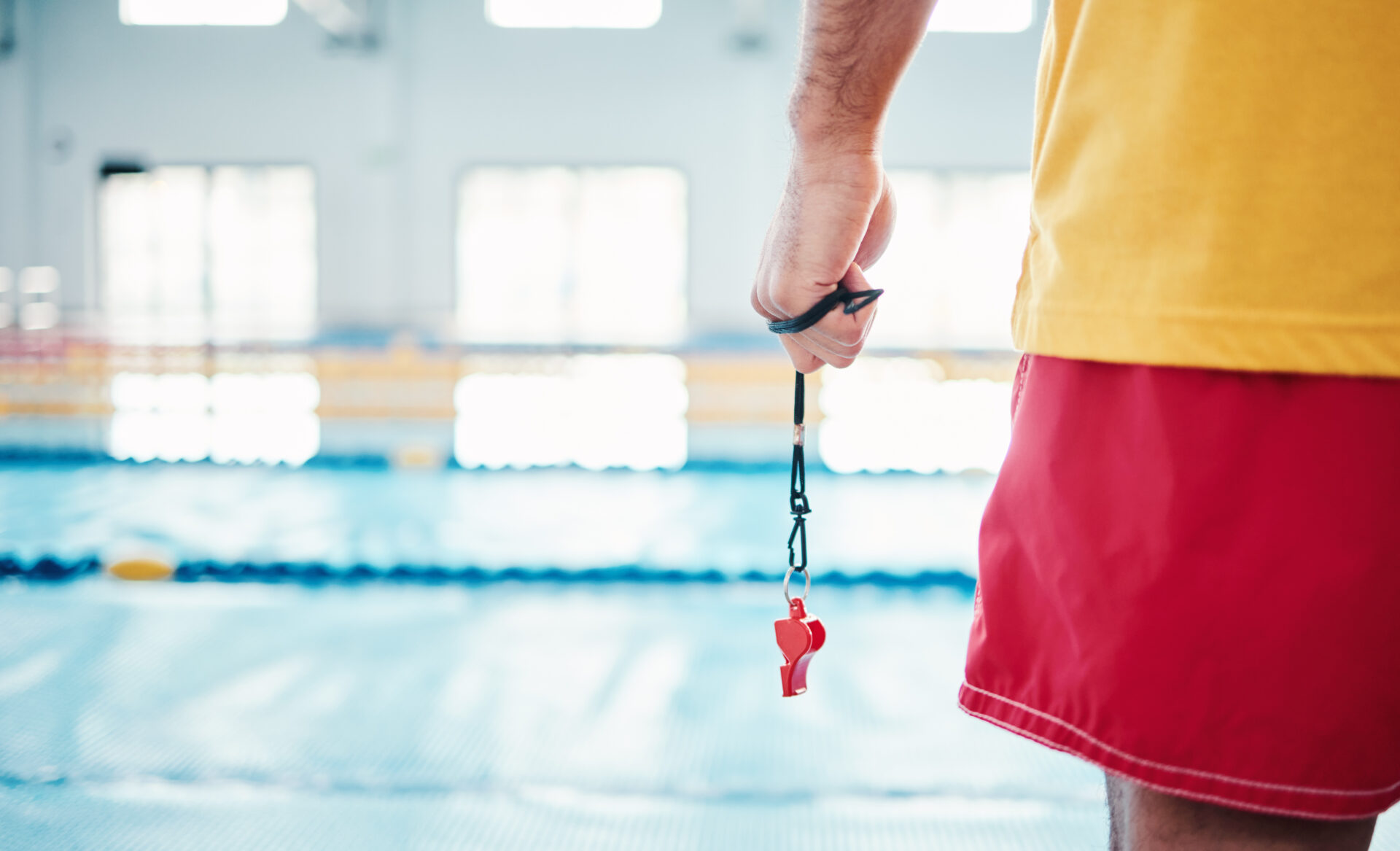
Human voices are completely lost over the roar of PWC engines, wind, and rushing water. When you need to get the attention of a distracted boater heading your way, a loud whistle is your primary line of defense. Coast Guard regulations require an efficient sound-producing device on all PWCs, and a reliable whistle fits easily on your life jacket.
The Storm Safety Whistle Windstorm is engineered to perform in the absolute worst conditions. It features a patented design that allows it to blow loud even when soaking wet, purging water instantly as you blow. It produces a piercing, high-frequency sound rated up to 103 decibels, which easily cuts through ambient engine noise and wind on a chaotic lake.
- Sound Rating: Up to 103 decibels
- Material: High-impact, non-corrosive thermoplastic
- Key Feature: Sound chamber purges water instantly when blown
- Best For: Attachment to life vests and emergency signaling in high wind
This whistle should be semi-permanently attached to the zipper pull or D-ring of your life jacket using a heavy-duty lanyard. Warn passengers to cover their ears if you ever need to blow it nearby, as the sound is intense enough to cause discomfort. This is an indispensable safety tool for every single PWC operator, regardless of experience level.
Marine Radio – Standard Horizon HX210 Handheld VHF
Cell phones are poor substitutes for dedicated marine communications when you are on open water. They drop calls, suffer from wet screens that refuse to recognize touch, and cannot broadcast to nearby vessels in an instant emergency. A handheld VHF marine radio allows you to monitor distress channels and contact emergency services or passing boats immediately.
The Standard Horizon HX210 Handheld VHF is highly suited for PWC riders because it is IPX7 waterproof and floats face-up if dropped in the water. It features a water-activated strobe light that flashes bright orange to help you locate it at dusk or in choppy water. With its compact design and high-contrast screen, it fits easily into a vest pocket or glove box while remaining readable in direct sunlight.
- Waterproof Rating: IPX7 (submersible to 3.3 feet for 30 minutes)
- Transmit Power: Selectable 6W / 2.5W / 1W output
- Battery Life: High-capacity 1850 mAh Li-Ion battery
- Best For: Emergency communication, weather monitoring, and multi-vessel coordination
Before taking it on the water, familiarize yourself with standard marine radio protocol and keep it locked to Channel 16 for emergency monitoring. Remember that VHF radios operate on line-of-sight, so range will be shorter when you are sitting low on a PWC than from a high-flying bridge boat. This radio is essential for riders venturing onto large, sprawling lakes with active marine patrols, but may be overkill for tiny, private neighborhood ponds.
Waterproof Dry Bag – Sea to Summit Big River
PWC storage compartments are rarely completely waterproof, especially when crashing through heavy lake chop or taking waves over the bow. Storing registration papers, cell phones, truck keys, and emergency rations loosely in your hatches is a recipe for ruined gear. A heavy-duty dry bag isolates these critical items from moisture and keeps them organized in one place.
The Sea to Summit Big River dry bag is built specifically for rugged, high-abrasion environments. Constructed from 420-denier TPU-laminated nylon, it resists punctures and tears far better than cheap PVC dry bags. It features heavy-duty lash loops that allow you to secure it directly to your PWC’s cargo rack or inside the front hatch so it won’t slide around during aggressive maneuvers.
- Material: 420-denier TPU-laminated nylon
- Waterproof Rating: Hypalon roll-top closure with field-repairable buckle
- Size Options: Available from 5L to 65L capacities
- Best For: Protecting electronics, registration papers, and dry layers in damp hatches
To ensure a watertight seal, always roll the top closure down at least three times before clicking the buckle shut. Avoid overfilling the bag, as this prevents a proper roll and can compromise its water resistance if the bag gets submerged. This dry bag is a must-have for anyone carrying electronic keys, wallets, or dry layers, though casual riders carrying only a towel might opt for a lighter, less rugged bag.
Safety Strobe – ACR Firefly PRO Water-Activated
If you get separated from your PWC or find yourself stranded in the water after sunset, you become virtually invisible to other boaters. A safety strobe provides a high-intensity visual signal that can be seen from miles away, guiding rescue vessels directly to your location. On a crowded lake, this light separates you from the ambient shoreline clutter and dock lights.
The ACR Firefly PRO Water-Activated strobe is a premier life-saving device featuring water-activation technology that turns the light on automatically when submerged. It utilizes a high-output LED that produces a brilliant flash visible for over three miles, with a continuous run time of over 56 hours. Its impact-resistant construction ensures it will survive a hard fall into the water at speed.
- Light Output: Ultra-bright LED producing 360-degree strobe
- Activation: Manual or automatic water-contact activation
- Battery Type: 2 AA Lithium batteries (not included)
- Best For: Low-visibility riding, emergency location tracking, and twilight operation
Always mount this strobe on the shoulder of your life jacket rather than inside a pocket, ensuring it sits above the waterline if you are floating. Check the expiration date on the AA lithium batteries annually, as cold winter storage can drain power over time. This strobe is vital for riders who frequently stay out until dusk, but is less critical for strict mid-day, fair-weather riders.
PWC Tow Line – Airhead Bungee Dockline
Mechanical failures happen, and on a crowded lake, you need a quick way to tie up to a dock or accept a tow from a helpful boater. Standard ropes lack elasticity, causing violent jerking motions that can tear out tow eyes or cleats when waves pass. A dedicated shock-absorbing line protects your PWC’s hull and makes towing much safer.
The Airhead Bungee Dockline uses an internal bungee cord hidden inside a durable hollow-braid rope to absorb sudden shocks from waves and wakes. It features two foam floats that keep the line from sinking and getting tangled in your PWC’s pump grate. The adjustable sliding loops on both ends make securing your watercraft to docks or tow pylons incredibly fast and secure.
- Length Options: 4-foot (stretches to 5.5 feet) and 6-foot (stretches to 9 feet) options
- Weight Capacity: Rated for vessels up to 4,000 lbs
- Materials: Hollow-braid polyethylene rope with internal rubber bungee
- Best For: Slip mooring, quick dock tie-ups, and wave shock absorption
Keep in mind that bungee docklines have a specific weight capacity, so ensure yours is rated for the fully loaded weight of your PWC. Never use a damaged or frayed bungee line, as a snapback under high tension can cause severe injury. This line is perfect for quick dock tie-ups and short-distance, low-speed towing, but you should still carry a static tow line for long-distance towing.
Marine First Aid Kit – Adventure Medical Kits 100
From scraped shins on dock edges to bee stings and minor cuts from fishing hooks, small injuries are common on busy lakes. Having a medical kit on board means you can treat these issues immediately without cutting your day short or risking infection from dirty lake water. A dedicated marine kit is packaged to survive the damp, high-humidity storage compartments of a PWC.
The Adventure Medical Kits Marine 100 is specifically designed for boating safety, housed in a completely waterproof dry bag that fits perfectly in PWC storage. It contains high-quality medical supplies tailored for water activities, including cohesive bandages that stick when wet, sting-relief pads, and burn treatments. The internal layout is organized by injury type, allowing you to find what you need quickly in a stressful situation.
- Packaging: 100% waterproof dry-bag case with roll-top closure
- Contents: Bandages, burn cream, medications, and wound care tools
- Size: Compact 7″ x 10″ footprint
- Best For: On-the-water first aid, scratch and sting treatment, and minor cuts
Make it a habit to check the expiration dates of the medications and creams inside the kit at the start of every season. If you use any bandages or antiseptics, restock them immediately so the kit is complete for your next ride. This compact kit is perfect for day-trippers and weekend riders, but larger groups traveling together may want to upgrade to a higher-capacity multi-person kit.
Kill Switch Lanyard – Atlantis Ultimate Lanyard
A runaway PWC is an incredibly dangerous hazard on a crowded lake, capable of crashing into swimmers or other boats at high speed if the rider falls off. The engine kill switch lanyard is your primary safety link, instantly shutting down the motor the moment you part ways with the watercraft. Riding without one is illegal in almost all jurisdictions and highly irresponsible.
The Atlantis Ultimate Lanyard is a premium upgrade over basic factory lanyards, featuring a coiled design that resists tangling and stretching out. It comes equipped with multiple keys to fit all major PWC brands, including Sea-Doo, Yamaha, Kawasaki, and Polaris, making it highly versatile. The heavy-duty snap hook secures tightly to your life jacket D-ring, ensuring it won’t slip off accidentally during aggressive riding.
- Keys Included: Multi-brand keys compatible with Sea-Doo, Yamaha, Kawasaki, Polaris, and Honda
- Construction: High-visibility coiled polyurethane cord
- Attachments: Swivel snap hook and safety whistle
- Best For: Universal backup use, rental fleets, and secure vest attachment
Before hitting the water, always test the connection to verify that the specific key fits snugly on your PWC’s switch and cuts the engine instantly when pulled. Store the lanyard out of direct sunlight when not in use, as UV rays can degrade the plastic keys and coil over time. This universal lanyard is a must-have replacement or backup for every PWC owner, especially those who own multiple brands of watercraft.
Hand Bilge Pump – Seattle Sports Paddlers Pump
While modern PWCs have automatic siphon bilges, these systems only work when the engine is running and water is flowing through the jet pump. If you suffer an engine stall or a hull leak while sitting idle in heavy chop, water will quickly accumulate inside your engine bay. A manual hand bilge pump allows you to clear out water quickly while floating, preventing your PWC from sinking.
The Seattle Sports Paddlers Pump is a highly efficient manual pump featuring a high-visibility foam collar that ensures it floats if dropped overboard. It is constructed from heavy-duty, impact-resistant plastic that won’t rust or corrode in fresh or saltwater. Its ergonomic handle allows for quick, high-volume pumping with minimal effort, expelling water rapidly with every stroke.
- Pumping Volume: Approximately 8 gallons per minute
- Material: Heavy-duty impact-resistant plastic with custom foam sleeve
- Length: 21 inches
- Best For: Clearing flooded storage compartments and manual engine bay bailing
To use this effectively on a PWC, you may need to attach a short length of flexible hose to the outlet nozzle to route the water cleanly over the side of the hull. Ensure you know how to access your PWC’s battery or engine compartment on the water before an emergency strikes. This pump is an essential tool for riders of older PWCs or those venturing far from the boat ramp, while riders of brand-new craft with redundant bilge systems will still find it invaluable for drying out wet storage hatches.
How to Test and Maintain Your Safety Gear Every Season
Safety gear is only useful if it works flawlessly when an emergency arises. At the start of every riding season, perform a comprehensive inspection of all safety equipment before launching your PWC for the first time. Check fabric straps, buckles, and plastic clips on your life jackets for signs of UV damage, dry rot, or tearing, replacing any gear that shows structural wear.
Test all electronic gear, including your marine radio, safety strobe, and bilge pump. Install fresh batteries in strobes and flashlights, and charge your VHF radio fully, checking for clear transmission on non-emergency channels. Blow your safety whistle to ensure the internal chamber is clear of spider webs, dirt, or salt buildup.
Wash down all gear with fresh water after use, particularly if you ride in brackish or saltwater, and allow it to dry completely in a shaded area before storing. Store your safety gear in a cool, dry place out of direct sunlight to prevent plastic degradation and mold growth. Taking these simple steps every spring ensures your safety equipment is ready to perform when the lake gets crowded and chaotic.
Riding a personal watercraft on a busy lake is one of the most thrilling ways to spend a summer day, but it requires active preparation. By packing these ten essential safety picks, you protect yourself, your passengers, and other boaters sharing the water. Stay safe, ride defensively, and keep your gear ready for action.