10 Essential River Rafting Safety Gear and Splash Wear Picks for First-Time Boaters
Gear up for your first trip with our expert guide to essential river rafting safety gear and splash wear. Read our top picks and stay safe on the water today.
Staring down a roaring rapid for the first time brings a rush of adrenaline that is hard to match anywhere else on the water. But the line between an unforgettable adventure and a cold, stressful swim comes down to the gear you choose to wear. Equipping yourself with the right safety gear and apparel ensures you stay warm, safe, and in control when the river starts to push back.
Disclosure: As an Amazon Associate, this site earns from qualifying purchases. Thank you!
How to Prepare for Your First Whitewater Rafting Trip
Preparation begins long before you reach the boat ramp, starting with honest self-assessment and research. First-timers should look for guided trips on Class II or Class III rivers, which offer plenty of excitement without the high-stakes risk of more technical whitewater. Understanding the river classification system helps set realistic expectations for your physical effort and the water conditions you will face.
Physical readiness is about stamina and core strength, as paddling against a swift current requires your whole body. Expect to get wet immediately, which means dressing for the water temperature rather than the air temperature. Hypothermia is a real risk even on warm summer days if the river is fed by snowmelt, making appropriate layer planning essential.
Finally, mental preparation means accepting that you might end up in the water. Swimming in a rapid is a standard part of the sport, and knowing how to handle it removes the panic. Always listen closely to the guide’s safety talk, practice the defensive swimming position (on your back, feet pointing downstream), and trust your safety gear to do its job.
Rafting Life Jacket – NRS Ninja Type III PFD
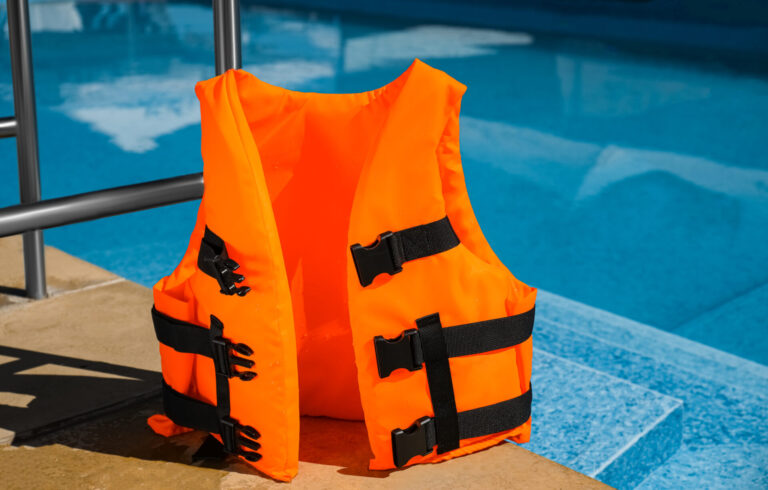
A personal flotation device (PFD) is your single most important piece of safety gear, designed to keep your head above water if you get ejected from the raft. Standard recreational life jackets lack the mobility and buoyancy distribution needed for active paddling in turbulent currents. A dedicated whitewater PFD keeps you afloat while allowing a full range of motion for aggressive paddling.
The NRS Ninja Type III PFD excels because of its low-profile, athletic design that concentrates flotation low in the torso. This athletic cut prevents the jacket from riding up into your chin when you swim or sit in the raft. Its soft, PVC-free foam panels contour naturally to your chest, while the side-entry design makes it easy to slip on and off.
- Certification: US Coast Guard Type III PFD
- Adjustment Points: Six side and shoulder straps for a custom fit
- Features: Front lash tab for rescue knives, expandable pocket
- Sizing: Available in S/M, L/XL, and XXL
When buying, focus on getting a snug fit; you should not be able to pull the shoulder straps up past your ears when tightened. The low-profile design means it has less storage space than bulkier touring jackets, so plan to carry accessories elsewhere.
This PFD is perfect for active paddlers and rafters who want maximum arm movement and comfort. It is not suitable for children or anyone who prefers a high-back seat clearance PFD with large storage pockets.
Whitewater Helmet – WRSI Current Safety Helmet
Unlike flatwater paddling, river rafting exposes you to shallow gravel bars, submerged boulders, and stray paddles. A whitewater helmet protects your skull from high-impact collisions that can occur during a wet exit or flip. Protecting your temples and the back of your head is non-negotiable when navigating rocky riverbeds.
The WRSI Current Safety Helmet is a premier choice for river safety due to its multi-layered protection system. It features a tough ABS plastic shell paired with a sub-shell that dissipates impact energy across the helmet rather than transferring it to your head. The Interconnect Retention System holds the helmet securely in place, preventing the water pressure from pushing it back and exposing your forehead.
- Shell Material: ABS plastic with a polyurethane sub-shell
- Retention System: Interconnect self-adjusting webbing
- Sizing: S/M, M/L, L/XL (includes fit pads)
Ensure you adjust the internal harness and cheek pads for a snug, pressure-point-free fit before hitting the water. Keep in mind that this helmet does not offer full-face protection or ear coverage, which are sometimes preferred for steep, rocky Class V creeks.
It is the ideal helmet for recreational rafters, kayakers, and first-time boaters running Class II to IV rapids. It is not designed for motorized high-speed water sports or extreme, narrow creeking where a full-face helmet is required.
Splash Jacket – NRS Riptide Splash Jacket
Even on warm days, constant spray and wind can quickly drain your body heat and lead to shivering. A splash jacket acts as a windproof and waterproof barrier that keeps your core dry without the constriction of a full drysuit. It allows you to regulate your temperature by layering underneath as conditions dictate.
The NRS Riptide Splash Jacket strikes a great balance between performance and comfort for recreational boaters. Built with HyproTex 2.5 material, it breathes well while keeping heavy splash and rain out. Punch-through neoprene wrist closures create a tight seal that prevents water from running up your arms every time you raise your paddle.
- Material: 40-denier HyproTex 2.5 waterproof-breathable fabric
- Collar: Adjustable polyurethane neck closure
- Pockets: Two splash-proof sleeve pockets
- Seals: Neoprene wrist bands, drawcord waist
Note that splash jackets are not completely drysuits; water can still seep past the neck if you swim. Always layer a fleece or synthetic thermal shirt underneath, as cotton will trap moisture and make you cold.
This jacket is perfect for weekend rafters and kayakers who need reliable protection from wind and spray. It is not suitable for cold-water immersion or vertical whitewater where a fully sealed drytop with latex gaskets is necessary.
Splash Pants – Kokatat Hydrus Tempest Pants
Keeping your lower body dry is just as important as protecting your core, especially when sitting in a wet raft for hours. Splash pants block cold drafts, paddle drips, and direct splashes from chilling your legs and feet. They work seamlessly with your splash jacket to create a two-piece defense system against the elements.
The Kokatat Hydrus Tempest Pants are an excellent choice because of their proprietary Hydrus 3.0 three-layer waterproof-breathable fabric. This material keeps external water out while letting internal sweat escape, preventing that clammy feeling during hard paddling. Reinforced seat and knee patches add durability where rafting wear takes the most abuse.
- Material: Hydrus 3.0 waterproof-breathable fabric
- Ankle Closures: Adjustable neoprene overcuffs
- Waist: Wide, adjustable neoprene waistband
- Durability: Cordura reinforced seat and knees
When sizing, ensure there is enough room to wear a pair of fleece leggings underneath without binding at the knees. These pants rely on a tight neoprene waist seal, meaning they will not keep you dry during a deep swim like dry pants with integrated socks would.
These pants are excellent for rafters and touring paddlers looking for durable, breathable protection against damp river environments. They are not intended for cold-water rescues or extended swimming in high-volume whitewater.
River Shoes – Astral Brewer 2.0 Water Shoes
Footwear on the river must perform two opposing tasks: grip wet, slimy rocks and drain water instantly so you aren’t weighed down. Regular sneakers soak up water like sponges, while sandals expose your toes to painful impacts against rocks. A dedicated river shoe protects your feet while providing high-friction traction when scouting or portaging.
The Astral Brewer 2.0 Water Shoes look like classic sneakers but are built entirely for heavy river use. They feature Astral’s proprietary G.15 high-friction rubber outsoles, which bite into wet rock surfaces like climbing shoes. Built-in drainage ports at the toe and heel discard water immediately, while the durable Cordura nylon uppers resist abrasions.
- Outsole: G.15 high-friction, non-marking rubber
- Upper Material: Hydrophobic canvas and Cordura nylon
- Drainage: Built-in ports at toe bar and heel
- Weight: Extremely lightweight (approx. 7.8 oz per shoe)
These shoes fit true to size, but if you plan to wear thick neoprene socks or drysuit booties underneath, consider sizing up. They offer minimal ankle support, so tread carefully on loose, steep riverbanks.
They are ideal for rafters, kayakers, and paddleboarders who want casual styling backed by elite river traction. They are not the best choice for heavy hiking with a loaded pack on dry land.
Rafting Rescue Knife – NRS Co-Pilot River Knife
Moving water holds tremendous power, and loose ropes, anchor lines, or gear straps can quickly become deadly entanglement hazards. A river knife is an essential safety tool designed for rapid deployment to cut through rope or webbing in an emergency. It is a tool you hope to never use, but must always have within arm’s reach.
The NRS Co-Pilot River Knife is specifically engineered for the unique challenges of whitewater rescue. It features a blunt tip that prevents you from accidentally puncturing your raft, your PFD, or yourself during a high-stress rescue. The blade has both smooth and serrated sections, allowing you to slice through heavy utility webbing with a single pull.
- Blade Material: 420 HC Stainless steel
- Blade Design: Blunt safety tip, fine and serrated edges, oxygen tank wrench
- Sheath: Thru-hull squeeze lock sheath for PFD lash tabs
- Total Length: 5.75 inches
Mount the knife securely to your PFD’s lash tab and practice releasing it with one hand before you get on the water. Remember to rinse the blade in fresh water and dry it completely after use, as even high-quality stainless steel can rust over time in damp gear bags.
This is the perfect safety knife for recreational rafters, kayakers, and river guides who prioritize safety and quick access. It is not suitable for general camp chores, cleaning fish, or wood carving due to its blunt safety tip.
Rescue Throw Bag – NRS Standard Rescue Throw Bag
If a paddler falls out of the raft and sweeps downstream, a rescue throw bag is your primary tool for pulling them back to safety. It allows a rescuer on the boat or shore to accurately toss a floating line to a swimmer from a safe distance. Having a throw bag on board is a fundamental rule of swiftwater safety.
The NRS Standard Rescue Throw Bag is a highly reliable option that belongs in every raft. It contains 70 feet of high-strength, floating polypropylene rope packed inside a durable Cordura bag with mesh panels for quick drying. The bag is weighted perfectly to allow for long, accurate throws even in windy conditions.
- Rope Length: 70 feet
- Rope Diameter: 3/8 inch
- Tensile Strength: 1,900 lbs load rating
- Rope Type: Floating polypropylene
Throwing a rescue bag accurately is a skill that requires practice; do not wait for an actual emergency to learn how to throw and repack it. Never tie the rope to yourself or the raft when rescuing someone, as the sudden load in moving water can pull you under.
This bag is an essential safety item for all river boaters, rafters, and safety kayakers. It is not designed for vertical climbing, heavy towing of disabled boats, or general rigging.
Waterproof Dry Bag – Sea to Summit Big River Bag
Wet gear is heavy, cold, and prone to damage, especially when dealing with spare clothes, lunches, and electronics. A high-quality dry bag seals your gear away from splashing waves, rain, and the inevitable flip or dunking. It keeps your essential gear bone-dry and organized throughout your multi-day or single-day trip.
The Sea to Summit Big River Bag is a heavy-duty storage solution built to handle the rough-and-tumble environment of a raft. Made from TPU-laminated 420D nylon, it is incredibly abrasion-resistant and completely waterproof. The roll-top closure features non-wicking reinforcement strips, ensuring water cannot seep through the fold.
- Material: 420D nylon with TPU lamination
- Closure: Roll-top with field-replaceable buckles
- Attachment Points: Multiple lash loops for securing to raft frames
- Sizes: Available from 5L up to 65L capacity
To ensure a watertight seal, you must roll the top down at least three times before buckling it shut. While highly water-resistant and capable of surviving brief submersion, this bag is not designed for prolonged diving or underwater storage.
This dry bag is perfect for rafters and kayakers needing rugged, secure storage for extra layers and gear. It is not suitable for delicate electronics like high-end cameras without additional padded protection inside.
Safety Whistle – Fox 40 Classic Pealess Whistle
The roar of rapids can easily drown out human voices, making vocal communication nearly impossible over distance. A safety whistle provides a high-pitched, piercing sound that cuts through the white noise of water and wind to alert your team. It is a critical, low-cost signaling tool that should be attached to every PFD.
The Fox 40 Classic Pealess Whistle is the industry standard for water rescue because of its reliable, pealess design. Traditional whistles with a small cork “pea” inside fail when wet because the ball gets stuck. The Fox 40 uses a patented three-chamber design with no moving parts, meaning it works flawlessly even after being completely submerged.
- Design: Pealess, three-chamber acoustic design
- Sound Power: 115 decibels of high-pitched tone
- Material: Heavy-duty, high-impact ABS plastic
- Attachment: Includes a lanyard for securing to a PFD zipper or lash tab
When using the whistle, blow hard and short to signal commands, and make sure your team understands standard river signals beforehand. It is incredibly loud, so try to avoid blowing it directly next to anyone’s ears unless it is a genuine emergency.
This whistle is essential for all whitewater paddlers, river guides, and search-and-rescue personnel. It is not suitable for indoor sports refereeing where a lower-volume whistle is more appropriate.
Paddling Gloves – NRS Maverick Neoprene Gloves
Constant paddling in wet conditions leads to raw skin, blisters, and cold hands, which quickly saps your grip strength. Paddling gloves protect your palms from friction while keeping your fingers warm in cold river water. This ensures you maintain a secure hold on your paddle during technical maneuvers.
The NRS Maverick Neoprene Gloves are a top-tier choice for cold-water rafting and paddling. They feature a raw neoprene exterior that sheds water to eliminate wind chill, coupled with a titanium-laminate adhesive that reflects your body heat back to your skin. The patterned palm increases your grip on wet paddle shafts without adding unnecessary bulk.
- Material: 2 mm raw neoprene with titanium-laminate adhesive
- Seams: Liquid-sealed seams to prevent water entry
- Wrist Seal: Fitted HydroCuff to block water entry at the wrist
- Grip: Patterned palm design for maximum traction
Keep in mind that these gloves prioritize warmth and waterproofing, which means they can make your hands sweat on warm days. The snug wrist seals can be tricky to pull on and off, especially when your hands are already wet.
These gloves are perfect for cold-weather paddlers and early-season rafters running snowmelt rivers. They are not necessary for warm, flatwater summer paddling where a lightweight spandex or fingerless glove is sufficient.
How to Clean and Store Your Rafting Gear After Use
River water is loaded with silt, micro-organisms, and sometimes minerals that can degrade technical fabrics and gear over time. After every trip, it is vital to thoroughly rinse all your gear—especially zippers, PFDs, and helmets—with clean, fresh water. Silt can act like sandpaper on fabric and buckles, wearing out your expensive investment prematurely.
Once rinsed, hang all apparel, PFDs, and helmets to dry in a well-ventilated area away from direct sunlight. Ultraviolet (UV) rays from the sun degrade nylon, neoprene, and plastic, making them brittle and unsafe. Never put neoprene gloves, splash wear, or PFDs in a commercial dryer, as the intense heat will melt adhesives and destroy waterproof membranes.
When storing your gear for the season, ensure everything is completely bone-dry to prevent mold and mildew growth. Store PFDs on hangers rather than crushing them in bins, which can damage the internal flotation foam. Keep knives lightly oiled and dry bags rolled loosely in a cool, dry place out of reach of rodents.
Setting out on your first river rafting trip is a thrilling step into the wild world of moving water. With the right selection of safety gear and splash wear, you can focus on the rush of the rapids rather than the bite of the cold. Gear up properly, respect the power of the river, and enjoy every wave.