Best Tools for Shelling and Shark Tooth Hunting
Gear up for your next beach trip with these 8 essential shelling and shark tooth hunting tools. Read our guide and start your family’s coastal collection today!
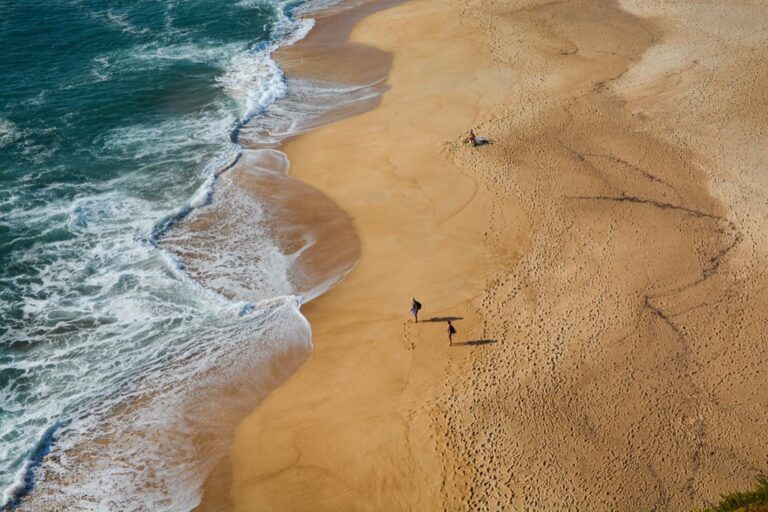
Picture your family walking along a sun-drenched coastline, eyes glued to the sand as the retreating tide reveals hidden treasures. While casual beachcombing is a classic pastime, finding prized shark teeth and pristine shells requires more than just luck and a sharp eye. Equipping your family with the right specialized gear transforms a simple walk on the beach into a highly productive coastal treasure hunt.
Disclosure: As an Amazon Associate, this site earns from qualifying purchases. Thank you!
How to Read Tide Charts for the Best Coastal Finds
Timing is everything when it comes to beachcombing. Successful hunting relies almost entirely on the movement of the tides, which cycle every six hours. To maximize your finds, aim to arrive at the beach roughly one to two hours before low tide, giving you first access to the freshly exposed shoreline before other hunters sweep the area.
Reading a tide chart is simpler than it looks once you know what to focus on. Look for the daily low tide times and pay attention to the tide height coefficients or negative tide indicators. A negative tide (indicated by a minus sign on the chart) means the water will retreat further than usual, exposing deeper gravel beds where heavy shark teeth and rare shells tend to settle.
Keep in mind that seasonal changes and weather patterns also affect these cycles. Strong onshore winds or offshore storms can push water high onto the dunes or pull it back dramatically, overriding the standard predictions on your chart. Always cross-reference local marine forecasts with your tide tables for the most accurate picture of the beach conditions.
What to Look for When Scanning the Shell Line
Walking the beach without a strategy usually leads to missed treasures and tired eyes. Instead of scanning the dry, uniform sand near the dunes, focus your attention on the wrack line—the high-water mark where seaweed, debris, and shells accumulate. This is the natural sorting zone where the ocean deposits heavy materials during high tide.
When hunting for shark teeth, look for a distinct jet-black, glossy gleam that stands out from the surrounding dull shells. Fossilized teeth have been mineralized over millions of years, giving them a high-sheen enamel coating that reflects sunlight differently than wet stone or broken shell fragments. They also tend to have a characteristic triangular shape and a dark, porous root.
For shells, look for pockets of gravel and broken shell beds rather than pristine, sandy stretches. Pristine shells often hide beneath layers of lighter debris, so using a systematic scanning pattern—looking side-to-side in a three-foot grid directly in front of your steps—will yield far better results than looking far ahead down the beach.
Beach Scoop – Shark Tooth Sifter 12-Inch Basket
Back strain is the quickest way to end a family beachcombing day. A long-handled beach scoop acts as an extension of your arm, letting you scoop up wet sand and gravel beds from a comfortable, standing position. Without one, you are limited to what you can reach while bent over, which quickly tires out parents and kids alike.
The Shark Tooth Sifter 12-Inch Basket scoop is the ideal choice because of its heavy-duty aluminum handle and rugged stainless steel basket. The 1/4-inch mesh spacing is precisely sized to let loose sand and water drain away instantly while trapping small shark teeth, fossil fragments, and delicate olive shells. The lightweight build means kids can carry it easily, yet the frame is rigid enough to dig into packed wet sand.
Before hitting the water, check the tension on the locking collar of the adjustable handle. Saltwater and fine sand can jam cheap telescoping mechanisms, so it is crucial to rinse this scoop with fresh water after every trip to prevent corrosion.
- Basket Size: 12-inch wide stainless steel sifter
- Mesh Size: 1/4-inch wire spacing
- Handle: Adjustable aluminum pole
This tool is perfect for active beachcombers who want to cover a lot of ground without constant bending. It is not the right choice for deep-water wading where a floating sifter is required, but for walking the surf line, it is unbeatable.
Mesh Shell Bag – Cressi Mesh Gear Bag
Collecting delicate ocean treasures in solid plastic buckets or pockets is a recipe for broken shells and moldy bags. A dedicated mesh gear bag allows water and dry sand to escape naturally as you walk, keeping your finds clean and ventilated. It also prevents the buildup of heavy, stagnant saltwater that can ruin your walk back to the car.
The Cressi Mesh Gear Bag stands out due to its high-density, tear-resistant polyester mesh and heavy-duty marine-grade zippers. Originally designed for scuba gear, this bag handles the abrasive edges of shells and heavy fossil gravel without tearing. Its adjustable shoulder strap keeps your hands free to use scoops or walking sticks along the surf.
Be aware of the bag’s size when selecting a model; the larger versions can hold a massive amount of gear but can become heavy for younger children when fully loaded. Choose the compact size for individual family members to ensure everyone carries their own treasures comfortably.
- Material: High-density polyester mesh
- Closure: Corrosion-resistant zippers
- Portability: Adjustable shoulder strap
This bag is ideal for families who collect a high volume of shells and need a durable, self-draining hands-free storage option. It is not suitable for tiny shark teeth, which can slip through the mesh grid unless stored in a smaller container first.
UV Flashlight – GearLight UV Blacklight
Some of the best shelling and fossil hunting happens under the cover of darkness or during twilight hours. A UV flashlight completely changes the game by highlighting certain organic materials that fluoresce under ultraviolet light. Many modern shells, calcite fossils, and even certain shark teeth glow brightly, making them jump out against the dark, dull background of the sand.
The GearLight UV Blacklight is the go-to choice for coastal families because of its powerful 100-LED array and durable, shockproof aluminum housing. It casts a wide beam that covers a large swath of sand with every sweep, eliminating the need to search inches from the ground. The weather-resistant seals protect the internal electronics from salt spray and humid coastal air.
This flashlight requires high-quality AA batteries to maintain its peak brightness, and the UV light can be hard on the eyes if viewed directly. Ensure that children wear UV-blocking sunglasses or safety glasses while operating the light to prevent eye fatigue.
- LED Count: 100 high-intensity UV LEDs
- Material: Military-grade aluminum body
- Power Source: 6 AA batteries (not included)
This tool is highly recommended for families planning night beach walks or exploring rocky tidal pools after sunset. It is not necessary for bright, midday hunts where the sun overpowers the ultraviolet light spectrum.
Water Shoes – Aleader Quick Drying Water Shoes
Coastal hunting often requires stepping into rocky tide pools, muddy estuaries, and shell-strewn surf zones where bare feet are vulnerable to cuts. Sharp oyster shells, hidden stingrays, and jagged rocks can quickly ruin a family outing. High-quality water shoes protect your feet while providing the traction needed to navigate slippery surfaces confidently.
The Aleader Quick Drying Water Shoes are engineered with a durable rubber outsole and a breathable, hydrophobic mesh upper. The drainage ports built into the sole allow water to exit immediately, preventing that heavy, sloshing feeling common with cheap neoprene booties. The secure bungee lacing system ensures they stay firmly on your feet, even when walking through thick, sticky pluff mud.
While these shoes offer excellent breathability, very fine sand can occasionally work its way through the mesh upper. Rinse them thoroughly in clean water after use and let them air dry out of direct sunlight to maintain the elasticity of the mesh material.
- Outsole: Non-slip traction rubber with drainage ports
- Upper Material: Breathable, quick-drying mesh
- Closure: Elastic bungee lacing system
These shoes are perfect for coastal explorers wading through diverse marine environments from gravel beds to tide pools. They are not designed for deep mudflats or heavy hiking trails where high-ankle support is required.
Magnifying Glass – Carson TriView Magnifier
Identifying tiny fossilized shark teeth, micro-shells, and delicate mineral formations requires a closer look than the naked eye can provide. A portable magnifying glass allows kids and adults to examine the fine serrations on a tooth or the intricate whorls of a tiny shell right on the beach. This adds an educational, hands-on dimension to the beachcombing experience.
The Carson TriView Magnifier features a clever folding design with three separate lenses that can be combined for varying levels of magnification (5x, 10x, and 15x). The protective plastic housing shields the lenses from scratches when tossed into a beach bag or pocket. Its compact, lightweight construction makes it easy for even small children to handle without dropping.
Because the lenses are made of acrylic to prevent shattering on the sand, they can scratch if wiped with dry, sandy fingers. Always rinse the magnifier with fresh water and use a microfiber cloth to clean the lenses after a beach day.
- Magnification: 5x, 10x, and 15x adjustable power
- Lens Material: Shatterproof acrylic
- Design: Folding pocket loupe with protective case
This magnifier is an excellent tool for families who love the detailed, scientific side of beachcombing and fossil identification. It is not suitable for those who only target large, easily visible specimens and want to travel light.
Floating Bucket – Engel Live Bait Dry Box
When wading in waist-deep water along sandbars, carrying a standard bucket is awkward and leads to lost finds when a wave hits. A floating container keeps your treasures secure and buoyant, moving with you as you navigate the surf. This ensures you do not have to walk back to dry sand every time you find a specimen.
The Engel Live Bait Dry Box functions as a highly durable, airtight, and waterproof floating container. Its injection-molded polystyrene insulation provides natural buoyancy, while the heavy-duty latches and gasket seal keep water out (or keep wet treasures safely contained). The stainless steel hardware resists rust, making it highly durable in harsh saltwater environments.
This dry box is relatively bulky compared to a soft-sided bag, so it requires some storage space in your vehicle. It is best used with a tether line attached to your belt loop so it floats behind you hands-free while you wade.
- Capacity: 13-quart, 19-quart, or 30-quart options
- Seal: Airtight EVA gasket
- Hardware: Corrosion-resistant stainless steel screws and latches
This is the ultimate tool for serious wade-hunters exploring sandbars, shallow inlets, and tidal flats. It is overkill for casual walkers who stay strictly on the dry sand.
Sand Rake – Tooth Boss Shark Tooth Rake
The best shark teeth and heavy shells often settle beneath the top layer of loose sand and shell debris. A specialized sand rake allows you to scrape through the gravel beds and pull up submerged materials from the shallow surf line. This tool lets you cover a wider surface area much faster than a standard hand shovel or scoop.
The Tooth Boss Shark Tooth Rake is specifically built for this task, featuring a wide, heavy-duty aluminum basket with reinforced tines designed to plow through wet, packed sand. The long, lightweight handle provides excellent leverage, allowing you to drag gravel beds closer to you for inspection. Its basket is engineered with specific drainage slots that hold onto teeth while letting worthless sand wash back into the ocean.
Using a sand rake requires a bit of physical effort, especially when pulling wet sand against the pull of the tide. Users should pace themselves and use their leg muscles rather than their lower back to drag the rake.
- Tines: Heavy-duty reinforced aluminum
- Handle Length: Fixed long-reach aluminum pole
- Target Use: Wet sand gravel beds and shallow surf zones
This rake is perfect for dedicated fossil hunters who want to actively mine the gravel lines in the surf. It is not recommended for young children due to the physical strength required to drag it through wet sand.
Sun Hat – Columbia Bora Bora Booney Hat
Hours spent with your head down scanning the shoreline exposes the back of your neck, ears, and face to intense, direct sunlight and water glare. Standard baseball caps leave these sensitive areas vulnerable to severe sunburn. A wide-brimmed sun hat is an essential piece of safety gear that keeps you cool and protected during long days on the water.
The Columbia Bora Bora Booney Hat is the gold standard for coastal environments due to its wide brim, UPF 50 sun protection, and moisture-wicking sweatband. The mesh venting panel allows breeze to flow through, preventing heat buildup on hot afternoons. It features an adjustable chin strap that keeps the hat firmly on your head when the sea breeze picks up.
While this hat is highly water-resistant and floats, it can lose its shape if packed tightly under heavy gear in a beach bag. Hand wash it in cool water and let it air dry flat to maintain the integrity of the brim.
- Sun Protection: UPF 50 Omni-Shade technology
- Material: 100% textured nylon poplin
- Adjustment: Drawcord and toggle at the back, adjustable chin strap
This hat is an absolute necessity for any family member spending more than an hour on the open beach. It is not ideal for those who prefer tight-fitting headwear or hunt only during low-light hours.
Cleaning and Preserving Your Coastal Treasures
Once you bring your treasures home, the preservation process begins. Raw shells and fossilized shark teeth often carry a distinct ocean odor, salt crust, and organic matter that must be carefully removed. Skipping the cleaning process leads to smelly specimens that can degrade or discolor over time.
Start by soaking your finds in a bucket of fresh water for several days, changing the water daily to leach out the salt. For durable shells, a mild solution of 50% water and 50% bleach can be used to dissolve algae and stubborn barnacles. Avoid using bleach on delicate fossils or shark teeth, as it can weaken the ancient mineral structure and ruin the natural patina.
Once dry, you can enhance the shine of your shells by applying a light coat of baby oil or mineral oil with a soft cloth. For fossilized shark teeth, a thin coating of matte archival sealant or microcrystalline wax protects the enamel from moisture and preserves their dark, glossy appearance for years to come.
Essential Beach Safety Rules for Coastal Families
The excitement of finding a rare shell can easily distract you from the inherent dangers of the marine environment. When hunting along the surf line, never turn your back on the ocean. Rogue waves can easily knock down children or sweep away gear, while sudden drop-offs in the sand can catch wading beachcombers off guard.
Keep a close eye on the tide times to avoid getting trapped on sandbars or remote rocky outcroppings as the water rises. What was a shallow, knee-deep walk out to a sandbar can quickly turn into a deep, swift channel during an incoming tide. Always identify a clear path back to dry land and head back well before the high tide arrives.
Finally, respect the local marine life and regulations. Avoid collecting live shells—if a shell has an organism living inside, gently place it back in the water. Watch out for jellyfish washed up on the sand, and wear protective footwear to guard against stingrays, which can be avoided by practicing the “stingray shuffle” (sliding your feet through the sand rather than taking high steps).
Armed with the right tools, knowledge, and safety practices, your family is ready to unlock the secrets of the coastline. By selecting gear that withstands the harsh saltwater environment and understanding the natural patterns of the ocean, every beach trip becomes an adventure filled with lasting discoveries. Pack your bags, check the tide charts, and head out to find your next great coastal treasure.