8 Saltwater-Safe Essentials for Beach Metal Detecting Hobbyists
Protect your gear and find more treasure with these 8 saltwater-safe essentials for beach metal detecting. Upgrade your kit and start your hunt today.
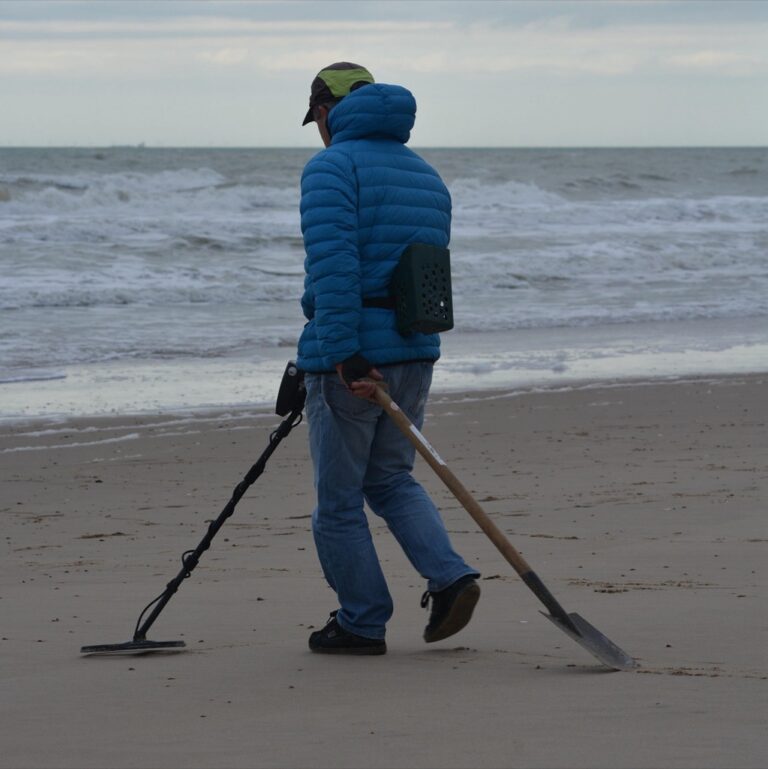
Standing on the shoreline with waves crashing over your ankles is one of the most exciting ways to hunt for lost treasures. However, the harsh combination of saltwater, shifting sand, and heavy mineralization will quickly destroy standard metal detecting equipment. Investing in saltwater-safe, marine-grade gear ensures beach outings are productive rather than a frustrating exercise in gear failure.
Disclosure: As an Amazon Associate, this site earns from qualifying purchases. Thank you!
Why Saltwater Environments Demand Specialized Gear
Marine environments are brutally hostile to standard electronics and metals. Saltwater acts as a powerful electrolyte, accelerating galvanic corrosion on any vulnerable metal parts and ruining sensitive wiring within minutes of exposure. Additionally, the constant movement of wet, heavy sand acts like abrasive sandpaper, stripping away cheap finishes and clogging unprotected hinges, buttons, and battery compartments.
Standard land-use detectors will constantly chatter and give false signals when they hit wet salt sand. To hunt successfully in the surf or wet sand, gear must feature specialized IP68 waterproof ratings, corrosion-resistant metals like stainless steel or carbon fiber, and advanced ground-balancing capabilities. Buying cheap land gear for the beach is a surefire way to end up with ruined electronics and a headache.
Underwater Metal Detector – Minelab Equinox 900
The metal detector is the heart of any beach hunt, responsible for scanning through highly conductive saltwater and wet sand to locate targets. Without a machine capable of ignoring the saltwater conductivity while detecting target metals, users will receive constant false signals.
The Minelab Equinox 900 shines here due to its Multi-IQ simultaneous multi-frequency technology, which effortlessly cuts through salt mineralization. It is fully waterproof down to 16 feet (5 meters), making it perfect for wading in the surf or snorkeling shallow reefs. Its lightweight carbon fiber shaft system and upgraded target separation mean users can swing all day without shoulder fatigue while easily picking out targets buried next to iron trash.
- Waterproof Rating: IP68 up to 16 ft (5m)
- Weight: 2.8 lbs (1.27 kg)
- Battery Life: Up to 12 hours on a rechargeable Li-ion battery
The learning curve can be steep for absolute beginners due to the advanced settings like adjustable iron bias and custom audio tones. It also requires regular firmware updates via a computer to ensure peak performance.
This machine is ideal for dedicated detectorists who want a top-tier transition from dry sand to deep water without compromising performance. It is not the right choice for casual dry-sand hobbyists who only search once a year and cannot justify the premium price tag.
Beach Sand Scoop – CKG Stainless Steel Sand Scoop
When digging in wet sand or surf, a traditional hand trowel is useless because the hole instantly collapses. A high-quality sand scoop allows users to retrieve targets instantly by scooping up sand and water, leaving only the target trapped inside the basket.
The CKG Stainless Steel Sand Scoop is engineered from marine-grade 304 stainless steel, ensuring it will not rust or bend under the heavy leverage required to dig in wet, packed beach sand. It features 10mm hex-shaped holes that drain dry sand and water almost instantly while retaining small coins, rings, and jewelry. The built-in bracket is designed to mount heavy-duty handles securely, preventing wobble during deep digs.
- Material: 304 Stainless Steel
- Hole Pattern: 10mm hexagon holes
- Weight: Approximately 2.2 lbs (without handle)
This scoop is heavy compared to cheap aluminum models, meaning users will need a sturdy handle and good lifting technique to avoid wrist strain. It requires a thorough freshwater rinse after every beach trip to prevent tea-staining in the welds.
This scoop is a must-have for serious wet-sand and surf hunters who need a tool that can pry through rocky or shell-packed bottoms. It is overkill for toddlers or occasional beachgoers who stick strictly to dry, fluffy sand near the dunes.
Waterproof Pinpointer – Garrett Pro-Pointer AT
Once a scoop of sand is dug, a pinpointer helps locate the exact position of a tiny coin or ring within the scoop or the bottom of the muddy hole. It saves valuable time and prevents hunters from scratching precious targets with digging tools.
Nicknamed the “Orange Carrot,” the Garrett Pro-Pointer AT is the gold standard for waterproof pinpointers. It is fully submersible down to 20 feet, and its bright orange color makes it highly visible if dropped underwater. It features a fast retune button to quickly shrink the detection field in highly mineralized saltwater sand, allowing for precise target recovery in seconds.
- Waterproof Depth: Submersible to 20 feet (6 meters)
- Power Source: Single 9V battery
- Operating Frequency: 11.5 kHz
The single-button interface requires memorizing different click patterns to change sensitivity or switch to silent-vibrate mode. Users must keep an eye on the O-ring seal on the battery cap, as it must be kept clean of sand and lubricated with silicone grease to maintain waterproof integrity.
This is perfect for any beach hunter who ventures into the wet sand or surf zone and needs a durable, highly visible tool. It is not necessary for those who only detect dry sand, where a cheaper, non-waterproof pinpointer would suffice.
Waterproof Headphones – Gray Ghost Amphibian II
Ocean waves, wind, and shouting beachgoers make it nearly impossible to hear faint target whispers through built-in detector speakers. Waterproof headphones seal out ambient environmental noise while protecting the sensitive audio connection from saltwater intrusion.
The Gray Ghost Amphibian II headphones are specifically engineered for underwater use and are compatible with leading beach detectors. They feature a heavy-duty, waterproof design with a built-in volume control that is fully sealed against saltwater. The audio profile is tuned to emphasize the subtle, deep target signals that standard headphones often muffle, giving users an edge in high-debris areas.
- Submersible Rating: IP68 fully waterproof
- Connector Type: Detector-specific (check compatibility before buying)
- Ear Cushions: Marine-grade, sweat-resistant cushions
Buyers must select the correct connector plug compatible with their specific metal detector model. These headphones fit snugly to block out external noise, which can feel somewhat tight or warm during hot summer days on the dry sand.
This is the ultimate choice for surf waders and divers who demand clear audio while submerged in churning waves. It is not suited for casual beach walkers who want to stay fully aware of their immediate surroundings or talk to passersby.
How Ground Mineralization Affects Your Beach Search
Beach detecting is uniquely challenging because of two distinct types of mineralization: black sand (magnetite) and dissolved salts in ocean water. Black sand is highly magnetic, while wet saltwater is highly conductive, creating a double-whammy of electrical interference for detectors. This combination tricks standard machines into thinking the ground itself is a massive metal target, causing erratic signals and drastically reducing depth penetration.
To counter this, successful beach hunters must learn how to ground balance their machines specifically for wet sand. Utilizing a detector with simultaneous multi-frequency technology allows the machine to analyze and filter out the salt signal while still hunting for conductive targets like gold and silver. Always ground balance when transitioning from the dry sand to the wet sand, as the sudden shift in moisture and salt levels will instantly throw off static settings.
Mesh Finds Pouch – OmegaNeck Heavy Duty Mesh Pouch
Hunters need a secure, reliable place to store recovered treasures and the inevitable trash dug up along the way. A standard solid pouch will quickly trap sand and water, adding unnecessary weight and making it difficult to rinse the finds.
The OmegaNeck Heavy Duty Mesh Pouch solves this problem by utilizing a rugged, saltwater-resistant mesh body that allows sand and water to drain instantly. It features heavy-duty zippers that resist jamming from salt crystallization and sand grit. The pouch also includes dedicated compartments to keep valuable finds separated from sharp bottle caps and pull tabs.
- Material: Heavy-duty reinforced mesh with industrial-grade webbing
- Belt Compatibility: Fits belts up to 2 inches wide
- Pockets: Multiple zippered compartments
The mesh design means fine particles of wet sand can still rub against hips, so wearing it over a wetsuit or board shorts is recommended. Ensure the zippers are rinsed with fresh water after each session to prevent salt crust from locking them up over time.
This is an essential accessory for any wading or surf detectorist who wants to keep their hands free and their finds secure in moving water. It is less critical for dry-land hunters who do not deal with wet, dripping targets and can get away with a standard canvas pouch.
Sand Scoop Handle – CKG Carbon Fiber Handle
A sand scoop is useless without a strong, lightweight handle to leverage it deep into the heavy, packed sand under the water. The handle must be strong enough to withstand immense prying force without snapping or adding unnecessary weight to the gear setup.
The CKG Carbon Fiber Handle offers the perfect balance of extreme strength and feather-light weight. Carbon fiber does not rust, corrode, or degrade in saltwater, unlike wood or cheap aluminum handles that rot or pit over time. The handle features a textured grip that prevents hands from slipping when wet and includes a heavy-duty mounting bolt system to eliminate play.
- Material: 100% Carbon Fiber
- Length Options: Typically 45 inches to 51 inches
- Outer Diameter: 1.125 inches (fits standard scoop sockets)
While carbon fiber is incredibly strong under tension, it can be susceptible to crushing if clamped too tightly or slammed against sharp rocks. Always ensure the mounting hardware is snug but not over-tightened to prevent stress fractures.
This handle is perfect for detectorists who spend hours in the water and need to minimize arm fatigue while maximizing digging leverage. It is not suitable for budget-conscious hobbyists who only use their scoop occasionally and prefer a heavier, cheaper wooden dowel handle.
Neoprene Water Boots – NeoSport 5mm Premium Boots
Walking on the beach and wading in the surf exposes feet to hidden hazards like sharp shells, broken glass, buried rocks, and stinging marine life. A proper pair of water boots protects feet while keeping them warm in cold water currents.
The NeoSport 5mm Premium Boots feature a thick, puncture-resistant sole that provides excellent traction on slippery, wet rocks and slimy boat ramps. The 5mm neoprene construction keeps feet insulated during long wading sessions in chilly water, while the heavy-duty zipper ensures they are easy to slip on and off. The seams are glued and sewn to prevent sand from seeping inside and chafing skin.
- Thickness: 5mm Neoprene
- Sole: Heavy-duty traction sole
- Closure: Webbing-backed heavy zipper
These boots are designed for warmth, meaning they can get quite hot if detecting exclusively on warm, dry summer sand. Sizing can run slightly large to accommodate thick socks, so check size charts carefully before buying.
This footwear is indispensable for surf waders who spend hours in wet, cold, or debris-filled water. It is not necessary for dry-sand detectorists who prefer to hunt barefoot or in light sneakers during the heat of summer.
Waterproof Backpack – Earth Pak Summit Dry Bag
Getting to the perfect beach spot often requires a long walk, and hunters need a way to transport spare batteries, snacks, keys, and phones without risking water damage from rogue waves or heavy rain. A standard backpack will quickly soak through, risking expensive electronics.
The Earth Pak Summit Dry Bag is a heavy-duty, roll-top backpack built from commercial-grade 500D PVC to seal out water, dust, and sand completely. It features padded shoulder straps and a sternum strap, making it comfortable to carry heavy loads across soft sand dunes. The exterior splash-proof pocket allows quick access to smaller items, while the main compartment remains completely hermetic when rolled properly.
- Capacity Options: 35L and 55L
- Material: 500D PVC polyester
- Waterproof Rating: IPX6 (designed to withstand heavy spray and brief immersion)
This bag is not designed for prolonged, deep submersion underwater, so it should not be used as a flotation device. The roll-top closure requires at least three tight rolls to ensure a proper waterproof seal.
This backpack is a stellar choice for beachcombers who hike to remote shorelines and need to protect dry gear from surf spray. It is unnecessary for those who detect close to their parked vehicles and have no need to carry extra gear.
Cleaning and Protecting Gear After Saltwater Exposure
The real work of beach metal detecting begins after returning to the vehicle or home. Saltwater is a slow-motion disaster for equipment if left untreated, as evaporated salt leaves behind sharp crystals that corrode metals and seize up moving parts. A meticulous freshwater rinse is the single most important step in extending the life of detecting gear.
Use a low-pressure hose to thoroughly spray down the metal detector, sand scoop, pinpointer, and boots, paying close attention to shaft joints, cam locks, and battery seals. Avoid using high-pressure sprayers, which can force salt grit and water past rubber gaskets and into sealed electronic compartments. Periodically apply a marine-grade silicone lubricant to the O-ring seals on the pinpointer and detector battery caps to keep them soft and watertight.
Essential Safety Tips for Deep Water Beach Detecting
Wading into the surf zone with heavy gear requires constant situational awareness and a deep respect for the ocean. Never turn your back on the waves, as a sudden surge can easily knock a hunter off balance, filling boots with water and dragging them into deep currents. Keep gear streamlined; long cords or loose straps can catch on submerged rocks or underwater debris, trapping hunters in place.
Always check the local tide charts and surf forecasts before heading out, as incoming tides can rapidly cut off exit routes from sandbars or cliffs. It is highly recommended to wear a compact, manual-inflatable PFD (Personal Flotation Device) when wading past waist-deep water, especially in areas with known rip currents. Finally, always hunt with a partner or let someone on land know exactly where the hunt is taking place and when return is expected.
Equipping yourself with specialized, saltwater-safe gear turns the challenging beach environment into an exciting playground of hidden potential. By choosing durable materials, mastering mineralization controls, and practicing diligent post-hunt maintenance, you will protect your investments and maximize your recoveries. Grab your gear, respect the water, and enjoy the thrill of the hunt.