9 Essential Backyard Pool Heating And Temperature Regulation Upgrades For A Backyard Pool
Extend your swimming season with these 9 essential backyard pool heating and temperature regulation upgrades. Read our guide to optimize your pool comfort today.
Warm summer days can be completely ruined by a pool that feels more like an ice bath than a backyard oasis. Achieving the perfect water temperature is not just about comfort; it is about maximizing the investment made in your backyard recreation space. By deploying the right combination of heating, retention, and regulation upgrades, you can comfortably extend your swimming season by several months.
Disclosure: As an Amazon Associate, this site earns from qualifying purchases. Thank you!
How to Assess Your Pool Heat Loss Before Buying
Before purchasing any heating equipment, understanding where your pool loses its heat is crucial. Roughly 70% of a pool’s total heat loss occurs through evaporation at the surface of the water. When dry air passes over the water, it draws moisture and thermal energy out of the pool, which is why a pool cools down so rapidly on breezy nights.
The remaining 30% of heat loss is split between radiation to the night sky and conduction into the surrounding ground. If your backyard is prone to high winds or lacks windbreaks like fences and hedges, your heat loss will be significantly higher than a sheltered pool. Similarly, a pool that sits in the shade of mature trees for most of the day will require far more mechanical heating energy to stay comfortable.
To assess your specific needs, measure your pool’s surface area and note your average local wind speeds and overnight low temperatures during your target swimming months. High-wind zones and cold-night climates demand a combination of a powerful active heater and a high-quality physical cover. Skipping this assessment usually results in buying an undersized heater that runs constantly, driving up utility bills without ever reaching the desired temperature.
Gas Pool Heater – Hayward Universal H-Series H400FDN
An active gas heater is the ultimate solution for pool owners who want rapid, reliable heat on demand, regardless of the weather. While other heating methods rely on ambient air temperatures or direct sunlight, a gas heater can raise pool temperatures by several degrees per hour. This makes it indispensable for spontaneous weekend pool parties or quickly heating up a spa attachment.
The Hayward Universal H-Series H400FDN stands out because of its rugged cupro-nickel heat exchanger, which offers exceptional resistance to corrosion from salt chlorination and unbalanced water chemistry. Operating at 400,000 BTUs, this natural gas unit delivers incredibly fast thermal recovery times. Its forced-draft combustion system ensures reliable operation even in high-wind environments, while the digital control panel makes adjusting the temperature as simple as pressing a button.
- Heating Capacity: 400,000 BTU/hr
- Fuel Type: Natural Gas (Propane models available)
- Heat Exchanger: Cupro-Nickel for maximum corrosion resistance
- Emission Rating: Low NOx emissions, meeting strict environmental standards
- Plumbing Size: 2-inch or 2.5-inch connections
Before buying, note that this heater requires professional gas line installation and a dedicated electrical connection for the ignition and control pad. It is not a budget-friendly option for continuous, 24/7 heating over a six-month season, as natural gas costs can accumulate quickly. This unit is ideal for pool owners who want immediate heat on weekends or those with integrated hot tubs, but it is not necessary for small, shallow pools in warm climates.
Pool Heat Pump – Fibropool FH 270 Heat Pump
For pool owners who want to maintain a consistent, warm temperature throughout the season without high operating costs, a heat pump is the logical choice. Instead of generating heat through combustion, a heat pump extracts thermal energy from the surrounding air and transfers it to the pool water. This process is incredibly efficient, often delivering up to five times more energy in heat than it consumes in electricity.
The Fibropool FH 270 Heat Pump is an exceptional choice for small to medium-sized inground pools and above-ground setups up to 10,000 gallons. It features a high-efficiency titanium coaxial heat exchanger that resists chemical wear, paired with a reliable rotary compressor that runs quietly. It runs on a standard 220-volt circuit, making it easier to integrate into existing pool equipment pads without calling for heavy-duty electrical upgrades.
- Heating Capacity: 20,000 BTU/hr
- Electrical Requirements: 220V / 60Hz
- Heat Exchanger: Pure Titanium
- Compressor Type: High-efficiency rotary
- Compatible Volume: Up to 10,000 gallons
Keep in mind that heat pumps rely on warm air; they lose efficiency rapidly when ambient temperatures drop below 50°F. Sizing is also critical, as a heat pump heats the pool gradually over several days rather than hours. This unit is perfect for the daily swimmer who wants a set-and-forget heating solution for a modest-sized pool, but it is not suitable for massive pools or cold-climate winter swimming.
Solar Pool Heater – Smartpool SunHeater S220
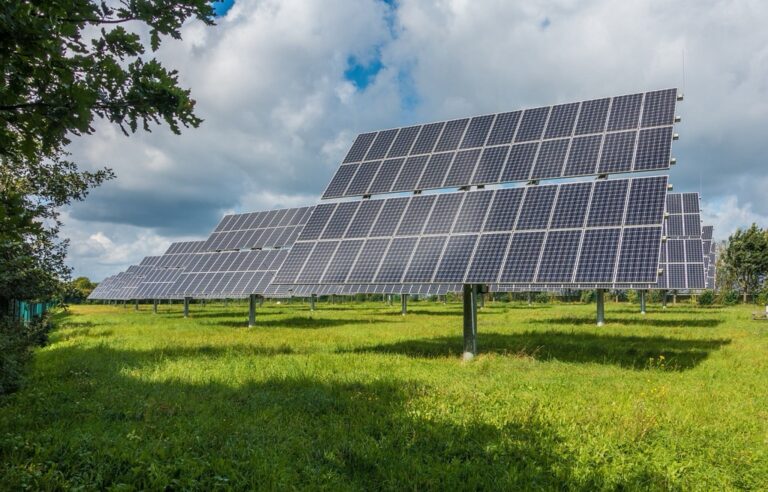
If you have ample yard or roof space and want to heat your pool with zero ongoing utility costs, solar heating is the most sustainable path forward. Solar panels divert water from your pool’s main filtration system through black polypropylene tubes that absorb solar radiation. The warmed water is then pushed back into the pool, raising the overall temperature entirely for free.
The Smartpool SunHeater S220 is designed for easy installation and excellent heat collection. Each box contains two panels measuring 2 feet by 20 feet, providing 80 square feet of solar collection area that can raise pool temperatures by up to 15°F over a week of sunny weather. The direct-flow system ensures even water distribution across the panels, reducing backpressure on your filtration pump and preventing hot spots on the collector surface.
- Panel Dimensions: Two 2′ x 20′ panels (80 sq. ft. total)
- Material: Heavy-duty, UV-stabilized polypropylene
- Installation Style: Ground, rack, or roof mountable
- Hardware Included: Rubber connectors, stainless steel clamps, Teflon tape
- System Type: Direct-flow, low-restriction design
To get the most out of this system, the total surface area of your solar panels should equal roughly 50% to 80% of your pool’s surface area. You will also need a sunny, south- or west-facing location to mount them. This product is a fantastic upgrade for sunny, warm regions with high electric rates, but it is not effective in heavily shaded yards or regions with frequent overcast skies.
Solar Pool Cover – Sun2Solar Blue 1200 Series
No matter how powerful your pool heater is, you are throwing money away if you do not use a cover to retain that heat overnight. A solar cover sits directly on the water’s surface, acting as a physical barrier against evaporation and trapping the thermal energy gained during the day. It also acts as a passive solar collector, letting sunlight pass through to heat the water beneath.
The Sun2Solar Blue 1200 Series features a heavy-duty 12-mil resin construction packed with thousands of tiny thermal bubbles. This translucent blue design is engineered to allow maximum solar light transmission while preventing trapped heat from escaping back into the cold night air. By reducing evaporation by up to 95%, this cover also preserves your pool chemicals, saving you money on water balance maintenance.
- Thickness: 12-mil heavy-duty resin
- Color: Translucent blue for optimal heat transmission
- Evaporation Reduction: Up to 95%
- Customization: Can be trimmed with scissors to fit freeform pools
- UV Resistance: High-grade UV inhibitors baked into the material
Be prepared for the physical reality of handling a large, wet plastic sheet every time you want to use the pool. If left in direct sunlight while rolled up off the pool, the trapped heat can damage the bubbles, so proper storage is essential. This is an absolute must-have upgrade for anyone running an active heater, though it is not ideal for those who prioritize a pristine, uncovered pool aesthetic during swim season.
Solar Cover Reel – Rocky’s Reel Systems Eazy Roller
While solar covers are incredibly effective, they are notoriously awkward and heavy to remove, fold, and store by hand. This physical chore often leads to pool owners leaving the cover off entirely, resulting in massive overnight heat loss. A high-quality reel system turns a frustrating, two-person chore into a smooth, one-person task that takes less than a minute.
The Rocky’s Reel Systems Eazy Roller is constructed from die-cast aluminum with a baked-on enamel finish, making it virtually impervious to rust, UV damage, and chlorine exposure. Unlike cheap plastic reels that sag in the middle under the weight of a wet cover, this system uses a rigid, heavy-duty aluminum tube that remains perfectly straight. Its oversized casters allow you to easily roll the entire unit out of the way once the cover is rolled up.
- Frame Material: Die-cast aluminum with baked enamel finish
- Tubing Options: Compatible with 2-inch to 4-inch anodized aluminum tubes
- Portability: Heavy-duty, smooth-rolling casters
- Winch Handle: Ergonomic, high-leverage crank handle
- Anchor System: Quick-release ground anchors included
Installing this reel requires some basic tool work to secure the strap kits to your solar cover and assemble the frame. It takes up a permanent footprint at one end of your pool, which might disrupt sleek modern landscaping designs. This upgrade is perfect for rectangular pools and owners who swim daily, but it is less effective for complex, L-shaped or highly irregular freeform pools.
Liquid Solar Cover – Natural Chemistry Cover Free
If you find physical solar covers too unsightly, heavy, or difficult to manage, a liquid solar cover offers a high-tech, invisible alternative. This product uses a safe, food-grade liquid that disperses across the pool’s surface to create an invisible, one-molecule-thick barrier. This microscopic layer significantly reduces evaporation and thermal transfer without affecting water clarity, chemistry, or swimmer comfort.
Natural Chemistry Cover Free uses a patented monolayer technology that is specifically formulated to withstand wind and water disturbance. Unlike older liquid covers that disperse easily, this formula uses high-surface-tension molecules that reform their protective barrier immediately after swimmers exit the water. It works round-the-clock, preserving your pool’s heat and reducing water loss by up to 85% with a simple weekly dosage.
- Active Formula: Patented liquid monolayer technology
- Application Rate: 4 ounces per 20,000 gallons of water weekly
- Safety Profile: Completely non-toxic, skin-safe, and biodegradable
- Chemical Compatibility: Safe for salt, chlorine, ozone, and UV systems
- Visibility: 100% invisible and odorless
While highly convenient, a liquid cover is not as effective as a physical 12-mil solar cover in high-wind conditions, as strong gusts can physically push the liquid layer to one side of the pool. It must also be dosed consistently every week to remain effective, which requires an ongoing financial commitment. This is the perfect option for freeform pools that cannot accommodate a standard reel, or for owners who despise the look of blue plastic across their backyard.
Pool Chiller – Glacier Pool Coolers GPC25
For pool owners living in deep-south climates like Texas, Arizona, or Florida, the summer challenge is often not how to warm the pool, but how to cool it down. When ambient temperatures hover in the triple digits, pool water can easily climb into the mid-90s, turning a refreshing swim into a warm, muggy bath. A pool chiller uses evaporative cooling to drop water temperatures back down to a crisp, refreshing range.
The Glacier Pool Coolers GPC25 works by pumping pool water to the top of its fiberglass chamber, where an internal fan blows air through the falling water droplets. This process mimics natural evaporation, instantly cooling the water by up to 10 to 15 degrees before sending it back through your returns. It features a rugged, corrosion-resistant fiberglass housing and requires very little electricity, running on a simple fractional-horsepower fan motor.
- Cooling Range: 10 to 15 degrees Fahrenheit
- Housing Material: UV-protected industrial fiberglass
- Electrical Draw: Very low, operating on standard 115V power
- Recommended Pool Size: Up to 25,000 gallons
- Plumbing Requirements: Integrates easily into standard return lines
Because this unit relies on evaporative cooling, its performance is most dramatic in arid, dry climates, though it is still highly effective in humid coastal regions. It must be installed outdoors with clear air ventilation so the fan can exhaust hot, humid air away from the unit. This is an essential investment for warm-climate pool owners who want to rescue their pool from mid-summer swamp temperatures, but it is completely unnecessary for northern climates.
Three-Way Diverter Valve – Jandy NeverLube 4717
When adding any temperature regulation equipment to your pool pad—whether it is a solar heater, a heat pump, or a chiller—controlling the direction of water flow is critical. Standard two-way plumbing valves do not allow you to easily balance water between your filtration cycle and your heating loops. A robust three-way diverter valve allows you to direct all, some, or none of your pool water through your heater.
The Jandy NeverLube 4717 is the industry standard for pool plumbing because of its proprietary CPVC construction and greaseless design. It can withstand high heat, high pressure, and exposure to concentrated pool chemicals without ever leaking or requiring internal lubrication. The handle features positive stops, allowing you to easily lock in the exact water flow balance needed to run your heater at peak hydraulic efficiency.
- Configuration: 3-Way Diverter Valve
- Plumbing Size: Accepts 2-inch pipe internally and 2.5-inch fittings externally
- Body Material: High-temp, chemical-resistant CPVC
- Maintenance Profile: Lifetime lubrication-free design
- Actuator Compatible: Easily mates with standard motorized valve actuators
Installing this valve requires cutting into your existing PVC pool plumbing and solvent-welding (gluing) the connections. If you plan to automate your heating system down the road, this valve is highly recommended because it is built to accept motorized actuators seamlessly. This valve is indispensable for any custom pool pad with multiple bypass loops, but it is overkill for simple, direct-line filtration systems.
Wireless Pool Thermometer – Inkbird IBS-P01R
Managing your pool temperature is impossible if you do not have an accurate, real-time way to measure it. Walking out to the pool deck to peer at a cheap, floating analog thermometer is a chore that quickly gets forgotten. A wireless digital thermometer lets you monitor your water temperature from your kitchen counter or living room couch, helping you decide exactly when to fire up the heater.
The Inkbird IBS-P01R features a rugged, IPX7 waterproof floating transmitter that communicates with an indoor receiver up to 300 feet away. The floating sensor uses a dual-silicone ring seal to prevent water intrusion, while the clear indoor LCD display shows both current pool temperature and indoor ambient temperature. It also tracks historical highs and lows, allowing you to see exactly how much temperature your pool lost during a cold night.
- Wireless Range: Up to 300 feet (90 meters)
- Waterproof Rating: IPX7 with heavy-duty dual-gasket seal
- Power Source: AAA batteries for both transmitter and receiver
- Sensor Probe: Premium contact probe for rapid, accurate readings
- Display: Large, high-contrast LCD screen with indoor/outdoor readings
Over time, mineral scale and algae can coat the submerged metal probe, which can slow down response times and affect accuracy. Cleaning the probe with a mild vinegar solution once a season keeps it running perfectly. This is an inexpensive, highly convenient upgrade for any pool owner who wants to optimize their heating schedules, but it does not replace the need for physical chemical test strips.
Matching Your Heating System to Total Pool Volume
Selecting the right heater is not a matter of guessing; it requires matching the output of your equipment to the physical volume of your pool. To calculate your pool’s capacity, you must determine its total gallons. For rectangular pools, multiply the length x width x average depth x 7.5. For round or oval pools, the formula shifts to diameter x diameter x average depth x 5.9.
Once you know your total volume, you must determine your target temperature rise. This is the difference between the coldest average air temperature when you want to swim and your desired pool temperature (typically 80°F to 84°F). To raise 10,000 gallons of water by 10 degrees Fahrenheit, you need roughly 833,000 BTUs of total heat energy.
| Pool Volume (Gallons) | Recommended Gas Heater Size (BTUs) | Recommended Heat Pump Size (BTUs) |
|---|---|---|
| Under 10,000 | 100,000 – 150,000 | 50,000 – 70,000 |
| 10,000 to 20,000 | 200,000 – 250,000 | 80,000 – 110,000 |
| 20,000 to 30,000 | 300,000 – 400,000 | 110,000 – 140,000 |
| Over 30,000 | 400,000+ | 140,000+ (or dual units) |
It is always wiser to oversize your heater rather than undersize it. An oversized heater will reach your target temperature much faster, reducing overall runtime and wear on internal components. Conversely, an undersized unit will run continuously, struggling to keep up with ambient heat loss and burning out prematurely.
Winterizing Your Heating Equipment the Right Way
Failing to properly winterize pool heating equipment before the first hard freeze can lead to catastrophic, unrepairable structural damage. When water freezes, it expands by about 9%, which easily cracks copper tubes, titanium heat exchangers, and PVC manifolds. Replacing a cracked heat exchanger is often so expensive that it requires replacing the entire heater.
[Main Pool Drain/Skimmer] ---> [Pump] ---> [Filter] ---> [Heater Bypass Valve] | +------------------ (Winterizing Bypass Loop) -------+ | | v v [Standard Return] <--- [Water Return] <--- [Heater / Heat Pump (Drained & Blown Out)] Start the winterization process by completely turning off the electrical breakers and gas supply lines leading to your heating unit. Next, locate the drain plugs on the bottom of the heater manifold or heat pump housing and remove them, allowing all internal water to gravity-drain. Using a variable-speed leaf blower or a shop vac set to blow, push air through the pool plumbing lines to ensure no water remains trapped in the low-lying coils of the heat exchanger.
Once the system is dry, protect your investment by installing a breathable, weather-resistant cover over the unit to keep out winter debris, snow, and nesting rodents. Do not use a non-breathable plastic tarp, as this traps condensation inside the electrical housing, causing corrosion on circuit boards and electrical contacts. If your heater has a digital display panel, removing the display battery or protecting the screen from direct exposure will ensure a seamless startup when spring arrives.
Finding the Perfect Thermal Balance
Upgrading your pool’s heating and temperature regulation systems turns a seasonal backyard feature into an adaptable, year-round recreation zone. By pairing an efficient heating source with smart heat retention and distribution tools, you can easily control your water environment. Invest in quality components, size them correctly for your pool volume, and protect them during the off-season to enjoy perfectly conditioned water for years to come.