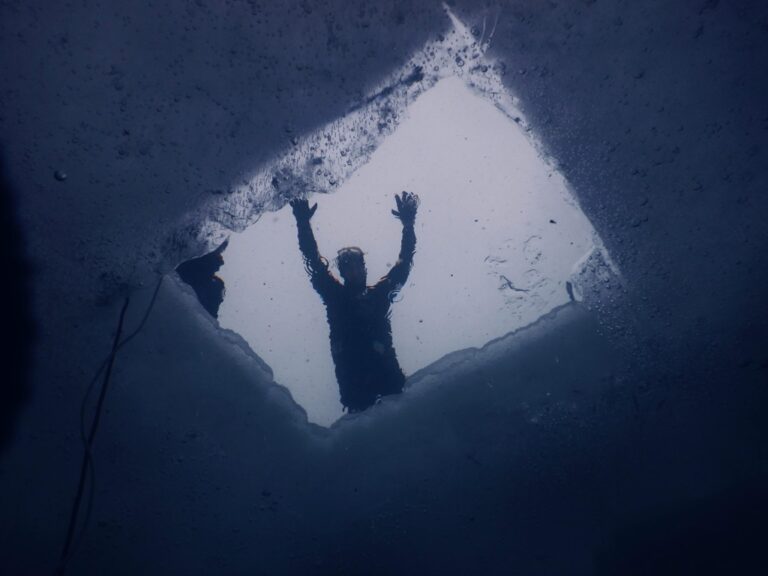
9 Essential Cold-Water Swimming Gear Picks for Shoulder Season
Prepare for chilly waters with our top 9 cold-water swimming gear picks for the shoulder season. Enhance your comfort and safety today—read our full guide here.
The crisp autumn air brings a quiet beauty to lakes and coastal bays, but it also signals a rapid drop in water temperatures that can catch swimmers off guard. Transitioning your open water swim routine into the shoulder season requires more than just mental toughness; it demands specialized gear designed to prevent cold shock and hypothermia. Equipping yourself with the right thermal protection and safety equipment ensures you can safely extend your swimming season well into the cooler months.
Disclosure: As an Amazon Associate, this site earns from qualifying purchases. Thank you!
Understanding Water Temperature Drop in Autumn
During the transition from summer to autumn, inland lakes and coastal waters experience a rapid thermal decline that is often deceptive. While the afternoon air might still feel warm, water retains cold far more efficiently, dropping several degrees in a matter of days after the first seasonal cold front. This sudden cooling creates a stark contrast between air and water temperatures, making entry significantly more shocking to the cardiovascular system than during the summer months.
When water temperatures dip below 60°F (15°C), the human body reacts with an involuntary gasp reflex upon sudden immersion. Without proper thermal protection, this initial cold shock can lead to hyperventilation, rapid heart rate, and immediate muscle tightening, which severely impairs swimming ability. Understanding that autumn water is inherently unpredictable is the first step toward planning a safe, successful shoulder-season swim.
Key Safety Indicators for Cold Open Water Swims
Safe cold-water swimming relies on measurable data rather than how warm you feel standing on the shore. Before entering the water, always check the local water temperature and the wind chill index, as strong winds accelerate heat loss both during the swim and immediately after exiting. A good rule of thumb for shoulder season is to limit your swim duration to one minute per degree Celsius of water temperature, adjusting downward if conditions are windy or overcast.
Watch for physiological warning signs during the swim, such as “clawing” hands (where fingers stiffen and lose dexterity) or slurred speech. If your stroke rate drops unexpectedly or you begin to shiver while moving, your core temperature is already falling, and it is time to exit immediately. Always plan an easy, rapid egress point that avoids steep, slippery rocks, as your coordination will be compromised when you get out.
Thermal Wetsuit – Patagonia R3 Yulex Full Suit
A high-quality wetsuit is your primary line of defense against rapid heat loss, trapping a thin layer of water next to your skin that your body heat warms up. In shoulder-season waters, a standard summer shorty will not suffice; you need a full-length suit that balances thermal insulation with the flexibility required for an efficient swim stroke.
The Patagonia R3 Yulex Full Suit is an exceptional choice because it replaces traditional petroleum-based neoprene with natural Yulex rubber, offering impressive thermal properties without the environmental footprint. It features a 4.5mm torso and thigh lining paired with 3.5mm arms and legs, providing crucial core warmth while keeping your shoulders free enough to rotate naturally. The solution-dyed, fast-drying thermal lining feels soft against the skin and prevents that freezing, damp feeling when putting the suit back on for a second session.
Keep in mind that natural rubber has slightly less stretch than high-end synthetic neoprenes initially, meaning the break-in period requires a couple of swims to achieve a molded fit. Sizing is critical; a suit that is too loose will flush cold water constantly, while one that is too tight will restrict your breathing.
- Best for: Swimmers in 48°F to 55°F (9°C to 13°C) water who prioritize sustainability and core warmth.
- Key Features: 100% external seam sealing, corrosion-resistant asymmetric front zip, and recycled nylon linings.
- Not recommended for: Warm-water recreational dipping or swimmers who prefer ultra-thin, highly fragile competitive tri-suits.
Neoprene Cap – Zone3 Neoprene Heat-Tech Skull Cap
A massive percentage of body heat escapes through the head, and exposing your temples to freezing water quickly induces “brain freeze” headaches and dizziness. A specialized neoprene cap insulates the scalp and ears, shielding sensitive cranial nerves from the numbing effects of cold water and wind.
The Zone3 Neoprene Heat-Tech Skull Cap stands out due to its brushed zirconium lining, which reflects heat back toward your scalp while repelling water. It features an integrated high-quality chin strap instead of a velcro closure, ensuring the cap stays securely in place without chafing or pulling on your neck during sighting. The high-grade 4mm neoprene construction provides a tight seal around the forehead and ears without feeling constrictive.
When fitting this cap, make sure it sits low on the forehead without pushing down on your goggles. If you fall between sizes, opt for the tighter fit, as a loose skull cap will scoop water during push-offs and active stroking, defeating its warming purpose.
- Best for: High-wind swims and water temperatures below 55°F (13°C).
- Key Features: Heat-retaining internal lining, chin strap design, and high-visibility rear graphics.
- Not recommended for: Warm summer swimming or pool training.
Swim Booties – Orca Hydro Neoprene Booties
Cold feet can ruin a swim faster than almost anything else, as blood flow is naturally shunted away from the extremities to protect your core. Swim booties prevent your toes from going numb, which is crucial not only for comfort but also for maintaining a functional kick and walking safely over rough, cold terrain during entry and exit.
The Orca Hydro Neoprene Booties are specifically designed with a split-toe construction that prevents the boot from rolling or twisting on your foot as you kick. A unique silicon grip pattern on the sole offers traction on wet rocks and slimy boat ramps without adding bulky rubber that drags in the water. The low-profile ankle collar fits snugly under the leg of your wetsuit to minimize water entry and create a streamlined profile.
Slide the cuff of your wetsuit over the top of these booties, rather than tucking the suit inside, to prevent them from filling up with water like water balloons. They require a snug fit; any excess room inside the boot will trap cold water and make your feet feel heavy and sluggish.
- Best for: Rocky shoreline entries and swimmers prone to numb toes.
- Key Features: Split-toe design, high-traction textured sole, and 2.5mm high-stretch neoprene.
- Not recommended for: Swimming with full-foot training fins.
Swim Gloves – Blueseventy Thermal Swim Gloves
When your hands get cold, they lose dexterity, making it nearly impossible to unzip your wetsuit, drive home, or even hold a warm mug after your swim. Swim gloves provide a barrier against this numbing effect, preserving hand function and maintaining your feel for the water during the catch phase of your stroke.
The Blueseventy Thermal Swim Gloves use a zirconium internal lining that matches their top-tier thermal suits, providing high insulation with minimal bulk. They feature a longer cuff that extends up the forearm, allowing you to tuck them securely under your wetsuit sleeves to prevent cold water leaks. Crucially, these gloves are non-webbed, which helps you maintain natural swim mechanics and technique rather than artificially changing your stroke dynamics.
Avoid pulling too hard on the finger seams when taking these gloves off while wet, as the delicate neoprene can tear. Instead, peel them off inside-out from the wrist to prolong their lifespan and protect the seams.
- Best for: Protecting fine motor skills in water below 55°F (13°C).
- Key Features: Long forearm cuff, thermal metal-lined jersey, and liquid-taped seams.
- Not recommended for: Swimmers looking for swim training paddles or resistance-based webbed gloves.
Safety Tow Float – New Wave PVC Swim Buoy
A tow float is a non-negotiable safety tool for open water, making you highly visible to motorized boats, kayakers, and shore-based spotters. In cold water, it serves an additional critical purpose: providing an instant, buoyant resting platform if you suffer a sudden cramp, panic attack, or cold shock.
The New Wave PVC Swim Buoy is built from tough, lightweight polyvinyl chloride that stands up to salt water, UV rays, and scrapes against dock edges. Its dual-chamber design ensures that even if one chamber punctures, the buoy remains fully inflated and functional. The adjustable waist strap sits comfortably above your hips, letting the buoy trail behind you in your wake without interfering with your kick.
Remember that a tow float is a safety aid, not a certified life-saving flotation device; you should never rely on it to keep an unconscious swimmer afloat. Always blow it up using the mouth valves before entering the water, checking for any slow leaks around the seals.
- Best for: Swimmers sharing water with boat traffic or those swimming solo in remote areas.
- Key Features: High-visibility neon color options, dual-chamber safety valves, and adjustable waist belt.
- Not recommended for: Surf swimming with heavy shore breaks where the leash can tangle in waves.
Swim Earplugs – SurfEars 3.0 Protective Plugs
Repeated exposure to cold water and wind can lead to a condition known as exostosis, or “surfer’s ear,” where the ear canal grows bone to protect itself. Furthermore, letting cold water rush into your ear canal can disrupt your inner ear equilibrium, causing sudden, disorienting dizziness mid-swim.
SurfEars 3.0 Protective Plugs are designed to solve this exact problem by keeping cold water out while letting sound in, allowing you to hear ambient noise and safety whistles. They feature customizable wing and gel tip sizes to ensure a perfect, watertight seal inside your specific ear canal shape. The integrated leash wraps around your neck, meaning you won’t lose an expensive plug if it gets knocked loose by a rogue wave.
Fitting these plugs correctly requires choosing the right combination of buds and wings before you head to the shoreline. Take the time to test them in a warm bathtub first to ensure a dry seal, as a poor fit will still let cold water seep in and cause discomfort.
- Best for: Swimmers wanting to maintain situational awareness and prevent long-term ear canal damage.
- Key Features: Acoustic mesh membrane, color-coded left/right plugs, and multiple sizing parts included.
- Not recommended for: Deep diving or scuba diving where pressure equalization is required.
Changing Robe – Dryrobe Advance Long Sleeve
The most dangerous part of cold-water swimming often occurs after you exit the water, a phenomenon known as “after-drop” where your core temperature continues to plummet as cold blood from your extremities recirculates. A heavy-duty, windproof changing robe is essential for shielding your body from biting winds while you strip off wet neoprene and dry off.
The Dryrobe Advance Long Sleeve is the industry standard for a reason, featuring a completely waterproof and windproof outer shell paired with a thick synthetic lambkin lining that draws moisture off the skin. Its oversized, roomy design allows you to pull your arms inside the robe to change out of your wet suit without exposing yourself to the elements. The heavy-duty YKK two-way zipper is easy to operate, even when your hands are stiff and numb from the cold.
This robe is bulky and takes up significant space in a gear bag, but its warmth-to-weight ratio is unmatched when standing on a frozen shoreline. It is an investment piece, but one that completely transforms the post-swim recovery experience from a freezing ordeal into a cozy ritual.
- Best for: Cold, windy shorelines where changing facilities are unavailable.
- Key Features: Fleece-lined external pockets, waterproof internal zip pocket, and heat-trapping long sleeves.
- Not recommended for: Warm summer beach days or casual, ultra-compact travel packing.
Polarized Goggles – Aqua Sphere Kayenne Goggles
Shoulder-season swimming often coincides with a lower sun angle, which creates blinding glare off the water surface and makes sighting buoys or landmarks highly difficult. Polarized goggles filter out this horizontal glare, reducing eye strain and helping you navigate safely through choppy, dark waters.
The Aqua Sphere Kayenne Goggles are a favorite among open-water swimmers because of their oversized, curved-lens design, which provides an expanded 180-degree field of vision. The polarized Italian-made lenses sharpen contrast on overcast days while cutting through the bright glare of a low autumn sun. A stabilized nose bridge and a leak-resistant Softeril skirt ensure a comfortable, water-tight seal that lasts for miles without leaving painful pressure marks.
Keep in mind that polarized lenses can make it slightly harder to read digital smartwatch screens in certain angles. Always rinse them with fresh, clean water after use to preserve the anti-fog coating and prevent salt crystals from scratching the polarization layer.
- Best for: Sunny or partly cloudy autumn mornings with heavy surface glare.
- Key Features: Quick-fit one-touch buckle, Plexisol lenses with anti-scratch coating, and wide peripheral view.
- Not recommended for: Indoor pool swimming or night swims where maximum light transmission is needed.
Waterproof Dry Bag – Sea to Summit Big River Bag
There is nothing worse than finishing a freezing swim only to find that your dry, warm clothes have been soaked by rain, road splash, or a leaking wetsuit in your trunk. A rugged waterproof dry bag keeps your post-swim towels, thermals, and electronics completely isolated from the wet environment of the shoreline.
The Sea to Summit Big River Bag is built from 420D ripstop nylon with a thick polyurethane interior coating, making it incredibly abrasion-resistant and completely waterproof. Unlike cheap, stiff PVC bags, this bag remains supple even in freezing temperatures, allowing you to roll the top down tightly for an airtight seal. It features multiple heavy-duty lash loops, letting you secure it to a paddleboard or the deck of a support kayak without fear of losing it.
To ensure a truly waterproof seal, you must roll the top collar down a minimum of three times before clicking the buckle shut. It is wise to purchase a slightly larger size than you think you need, as stuffing bulky winter parkas and towels inside takes up massive volume.
- Best for: Protecting dry layers on wet, rocky shores or during kayak-supported swims.
- Key Features: Hypalon lash loops, white interior lining for easy visibility, and fully taped seams.
- Not recommended for: Ultra-light backpacking where weight is prioritized over durability.
Cleaning and Storing Neoprene to Prevent Dry Rot
Neoprene is a delicate rubber material that degrades rapidly if neglected, especially when exposed to salt water, chlorine, and body oils. Failing to clean your gear properly leads to “dry rot,” where the neoprene loses its elasticity, develops tiny cracks, and eventually tears along high-stress areas like the shoulders and underarms.
Always rinse your wetsuit, booties, gloves, and cap inside and out with cold, fresh water immediately after every swim. Use a specialized neoprene wash occasionally to eliminate odors and break down stubborn salt deposits that fresh water alone cannot dissolve. Never use hot water, as it can melt the glue used to seal the seams, compromising the waterproof integrity of your gear.
When drying your gear, hang it in a well-ventilated, shaded area away from direct sunlight, which degrades rubber via UV radiation. Slide the wetsuit through a thick, plastic hanger at the waist rather than hanging it by the shoulders, which stretches out the neck and ruins the fit. Once completely dry inside and out, store your neoprene flat or loosely folded in a cool, dry closet to prevent permanent creasing.
Conclusion
Sustaining your open-water passion through the shoulder season is entirely possible when you respect the elements and invest in the proper gear. By layering up with high-quality neoprene, protecting your extremities, and prioritizing visibility, you turn cold water from an obstacle into an invigorating playground. Stay safe, monitor your limits, and enjoy the crisp serenity of autumn on the water.