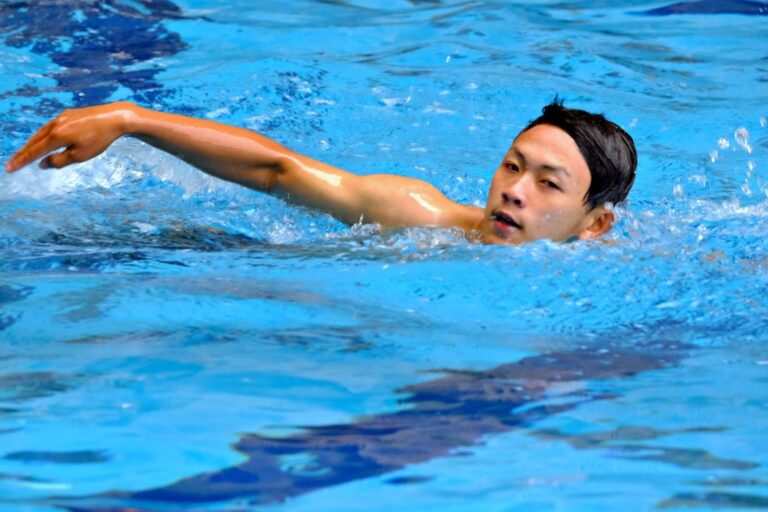
9 Essential Gear Picks for Municipal Pool Swim Club Tryouts
Gear up for municipal pool swim club tryouts with our list of 9 essential items. Master your session and gain a competitive edge—read our guide to prepare now.
Walking onto a bustling municipal pool deck for swim club tryouts can feel intimidating, especially when surrounded by the echoes of whistles and splashing water. Having the right gear not only boosts a swimmer’s confidence but also ensures they can focus entirely on their technique and stamina rather than distracting equipment failures. This curated list of essential gear will help any aspiring club swimmer show up prepared, comfortable, and ready to impress the coaches.
Disclosure: As an Amazon Associate, this site earns from qualifying purchases. Thank you!
How to Prepare for Municipal Swim Club Tryouts
Municipal swim club tryouts are fast-paced events designed to assess a swimmer’s current endurance, stroke mechanics, and coachability. Before stepping onto the wet deck, it is crucial to research the specific requirements of the local club, which often include swimming continuous laps of freestyle, backstroke, breaststroke, and butterfly. Conditioning should begin weeks in advance, focusing on building lung capacity and maintaining tight streamlines off the walls.
Arriving at the pool early allows time to adjust to the environment, find the check-in desk, and warm up muscles properly on land. Spending ten minutes stretching the shoulders, hamstrings, and calves prevents cramps during the high-intensity sets coaches will throw your way. Mental preparation is just as vital; swimmers must be ready to listen closely to instructions and adapt quickly to lane assignments.
Familiarize yourself with the pool layout beforehand if possible, noting whether it is a 25-yard short course or a 50-meter long course setup. Knowing the depth of the starting end helps swimmers execute confident, safe dives without hesitation during the time trials.
Swim Goggles – Speedo Vanquisher 2.0 Mirrored
A swimmer cannot focus on their pace clock or lane lines if their eyes are stinging from chlorine or their vision is blocked by water leaks. Swim goggles are the most critical piece of personal gear on tryout day, acting as the interface between the athlete and the aquatic environment. A secure fit during diving starts prevents the embarrassing and costly mishap of goggles slipping down to the chin.
The Speedo Vanquisher 2.0 Mirrored is a staple on competitive decks because of its low-profile design and reliable suction. The mirrored coating is particularly useful for shielding eyes against the intense glare of overhead halogen lights in indoor municipal pools or bright sunlight in outdoor setups. It comes equipped with interchangeable nosepieces to customize the bridge width, ensuring a watertight seal tailored to various face shapes.
- Best Uses: High-intensity training, race starts, indoor/outdoor pool swimming
- Size Options: One size (includes 4 interchangeable nosepieces)
- Key Feature: Anti-fog coated, mirrored polycarbonate lenses
Adjusting the double silicone head strap correctly is essential; the split strap should cradle the back of the head at two distinct points for maximum stability during rapid flip turns. This goggle is perfect for swimmers looking for a snug, hydrodynamic fit that stays put during explosive starts. It is not ideal for recreational swimmers who prefer wide-view, mask-style goggles, as the close socket fit can feel pressurized over long periods.
Silicone Swim Cap – TYR Wrinkle-Free Silicone Cap
Swim caps are not just about keeping hair out of the pool filtration system; they streamline the head, reduce drag, and keep stray strands out of a swimmer’s eyes and mouth during breathing cycles. They also provide a secure surface for goggle straps to grip, reducing the risk of slippage. A torn cap midway through a tryout set can ruin a swimmer’s focus instantly.
The TYR Wrinkle-Free Silicone Cap stands out because of its thick, durable silicone construction that resists tearing far better than cheap latex alternatives. Its contour-cut shape prevents the fabric from bunching up at the crown, which dramatically minimizes hydrodynamic drag in the water. Unlike latex, silicone does not pull on long hair during removal, making it far more comfortable for daily use.
- Material: 100% Silicone
- Fit Type: Asymmetric wrinkle-free design
- Primary Benefit: Minimizes drag and protects hair from chlorine damage
Before putting the cap on, ensure fingers are free of sharp jewelry and avoid using fingernails to stretch the silicone, as this can cause micro-tears. Wetting the hair slightly before putting it on helps the cap slide into place smoothly. This cap is perfect for serious athletes requiring a snug, hydrodynamic fit, but it may feel too restrictive for those who prefer the loose comfort of fabric lycra caps.
Training Swimsuit – Speedo Endurance+ Flyback
A standard fashion swimsuit will sag, stretch, and create massive drag within weeks of exposure to highly chlorinated municipal waters. A dedicated training swimsuit provides the compression needed to keep the body in an efficient, horizontal position on the water’s surface while offering unrestricted shoulder rotation. For tryouts, a suit must stay securely in place during aggressive starts, turns, and sprints.
The Speedo Endurance+ Flyback is built with proprietary polyester-blend fabric that is 100% chlorine resistant, ensuring it retains its shape and color season after season. The thin straps of the Flyback design sit comfortably away from the shoulder blades, allowing a full, natural range of motion for backstroke and butterfly. It provides medium leg height and excellent coverage without sacrificing the sleek profile required for fast-paced tryouts.
- Fabric: 50% Polyester / 50% PBT (Endurance+ fabric)
- Back Style: Flyback with thin, reinforced straps
- Durability Rating: Highly chlorine-resistant, quick-drying
Keep in mind that competitive training suits are designed to fit much tighter than recreational swimwear; a snug fit prevents water from pocketing inside the suit during sprints. When buying, swimmers should look for a compressed fit that feels secure but does not restrict deep breathing. This suit is the ultimate workhorse for daily squad training, but it is not intended for casual beach lounging where loose comfort is preferred.
Swim Backpack – Arena Team 45 Athletic Backpack
A wet pool deck is a hostile environment for standard school backpacks, which quickly soak up water through their fabric bottoms. A dedicated swim backpack is designed to organize damp gear, protect dry clothing, and survive being tossed onto puddles of chlorinated water. It keeps training tools like kickboards, fins, and goggles organized so they can be accessed instantly during rapid coach-led transitions.
The Arena Team 45 Athletic Backpack is specifically engineered for aquatic athletes with its massive 45-liter capacity and specialized wet-dry compartments. The heavy-duty zippers are designed to resist corrosion from humid locker rooms, while the mesh ventilation panels allow wet gear to breathe and dry out, preventing mold and foul odors. Crucially, the reinforced, water-resistant base keeps the interior dry even when placed on a soaked pool bench.
- Capacity: 45 Liters
- Dimensions: 20.4″ x 13.7″ x 10.6″
- Material: 100% Polyester with water-resistant coating
Swimmers should utilize the external mesh pockets for water bottles and wet caps, keeping the spacious main compartment reserved for towels and dry clothes. Because of its large profile, it can feel bulky on younger swimmers, but the padded shoulder straps distribute heavy loads comfortably. This backpack is an essential investment for anyone committed to multi-day swim training, though it is overkill for casual lap swimmers who only carry a towel.
Quick-Dry Towel – PackTowl Personal Microfiber
Traditional cotton towels are bulky, heavy when wet, and take hours to dry, which leads to a damp, heavy swim bag by the end of the day. A quick-dry towel solves this issue by absorbing multiple times its weight in water while packing down to the size of a water bottle. During a tryout, having a compact towel to quickly dry hands and face between sets keeps goggles clear and prevents shivering during briefings.
The PackTowl Personal Microfiber is the premier choice for pool decks due to its exceptional absorption capacity and integrated antimicrobial treatment that prevents odors. It can absorb up to four times its weight in water and wring out almost completely dry, allowing for repeated use during long tryout sessions. The soft, suede-like texture feels comfortable against wind-chilled skin on outdoor decks.
- Material: 85% Polyester / 15% Nylon microfiber blend
- Absorption Rate: Absorbs 4x its weight in water
- Special Feature: Polygiene odor control technology
Users should note that microfiber towels perform best when patted against the skin rather than vigorously rubbed like cotton. Hang the towel by its integrated snap loop immediately after use to allow maximum airflow for rapid drying. This towel is perfect for active swimmers who want to travel light, but those who prefer a plush, heavy spa-style cotton towel may find the thin profile takes some getting used to.
Swim Kickboard – Speedo Team Training Kickboard
Coaches frequently run kick-only sets during tryouts to assess a swimmer’s lower body power, ankle flexibility, and core stability. A reliable kickboard isolates the legs by keeping the upper body buoyant, allowing the swimmer to focus entirely on their kicking mechanics and hip rotation. Cheaper, flimsy boards can waterlog easily, dragging the swimmer down and ruining their body position.
The Speedo Team Training Kickboard is built from high-density EVA foam that offers the perfect balance of rigidity and buoyancy without absorbing water. Its textured surface provides a secure grip for wet hands, preventing slipping during aggressive flip turns or push-offs. The ergonomic shape reduces shoulder strain by allowing the arms to rest naturally on the board during long kicking sets.
- Material: High-density, water-resistant EVA foam
- Design: Ergonomic side contours for secure grip
- Target Use: Lower-body conditioning and technique drills
Swimmers should avoid leaning their entire upper body weight onto the board, which pushes the hips down and creates excessive drag; instead, rest just the forearms on top while maintaining a tight core. After use, rinse the board with fresh water to remove chlorine that can degrade the foam over time. This board is perfect for structured swim training, though it should never be treated as a lifesaving flotation device for non-swimmers.
Foam Pull Buoy – TYR Ergonomic Pull Float
To evaluate a swimmer’s upper body strength and catch mechanics, coaches often use pull sets where kicking is prohibited. A pull buoy is placed between the thighs to keep the hips and legs afloat, allowing the swimmer to concentrate entirely on their arm pull, rotation, and entry phase. This tool is essential for identifying dead spots in a swimmer’s stroke cycle.
The TYR Ergonomic Pull Float features an engineered contour shape that fits snugly between the legs without slipping or chafing during aggressive pulling motions. Made from premium, soft-top EVA foam, it provides excellent flotation without irritating sensitive skin during prolonged sets. Its compact 6-inch design ensures it fits easily into a swim bag without taking up valuable space.
- Material: Premium contoured EVA foam
- Size: 6-inch ergonomic design
- Function: Isolates upper body, improves body alignment
Using a pull buoy correctly requires active engagement of the inner thighs and core muscles to keep the legs squeezed together and trailing straight behind. If the core relaxes, the legs will fishtail, creating massive drag and defeating the purpose of the drill. This pull buoy is highly recommended for swimmers of all levels looking to refine their stroke pathway, but it requires basic core control to use effectively.
Training Fins – Arena Powerfin Pro Swim Fins
Training fins are vital for developing a powerful, compact kick and improving ankle flexibility, which is key to an efficient streamline. Unlike long diving fins, short swim fins match the natural tempo of a competitive kick, allowing swimmers to train at race-pace speeds. They also help swimmers feel how their body should ride high on the water’s surface during high-speed sets.
The Arena Powerfin Pro Swim Fins are the preferred choice of competitive swim clubs due to their short, stiff blade design made of 100% silicone. This high-grade silicone is incredibly soft against the feet, virtually eliminating the painful blisters associated with stiff rubber fins. The open-heel design allows for maximum ankle joint flexibility, encouraging a proper downward whip-kick motion initiated from the hips.
- Blade Length: Short blade for high-frequency kicking
- Material: 100% Ultra-soft silicone
- Heel Style: Open-heel design for maximum ankle mobility
Sizing is critical; the fins must fit snugly to prevent them from slipping off during aggressive wall push-offs, but not so tight that they cramp the toes. Keep in mind that short fins require more effort to kick than long fins, providing a true cardiovascular workout rather than easy cruising. These fins are ideal for serious swimmers looking to build lower-body power, but they are not suited for snorkeling or recreational ocean swimming.
Anti-Fog Spray – JAWS Quick Spit Antifog Spray
Nothing derails a tryout faster than foggy goggles that force a swimmer to stop mid-lap to clear their vision, instantly disrupting their rhythm and pacing. Even the best factory anti-fog coatings degrade over time due to chlorine exposure and facial oils. A quick application of anti-fog spray before hitting the pool ensures crystal-clear vision throughout the entire session.
The JAWS Quick Spit Antifog Spray is a highly effective, natural formula that works seamlessly on both wet and dry plastic goggle lenses. It provides a long-lasting, clear barrier that prevents condensation from forming, even in humid indoor pools. The hypoallergenic, non-toxic formula is safe for sensitive eyes, eliminating the burning sensation associated with some chemical sprays.
- Formula: Non-toxic, hypoallergenic, natural ingredients
- Application: Spray on wet or dry lenses, rinse lightly
- Compatibility: Works on all plastic, polycarbonate, and glass lenses
To use, simply spray a fine mist onto the inner surface of the lenses, rub it gently with a clean fingertip, and rinse the goggles briefly in pool water before putting them on. Over-rinsing will wash the protective layer away, while under-rinsing can leave a film that distorts vision. This spray is a must-have accessory for any swimmer’s gear bag, but it must be applied correctly to avoid eye irritation or foggy spots.
What Coaches Look For During Pool Tryouts
When watching a pool full of hopeful swimmers, experienced coaches look far beyond who touches the wall first during a sprint. A prime point of evaluation is stroke mechanics and efficiency; coaches want to see a clean hand entry, high elbow recovery, and a balanced body rotation. Swimmers who struggle to keep their hips high in the water will require more developmental work than those who demonstrate a natural, streamlined body position.
Coachability and attitude are just as critical as raw athletic talent on tryout day. Coaches closely observe how well a swimmer listens to instructions, adapts to lane etiquette, and handles feedback or correction between sets. A swimmer who immediately tries to implement a coach’s advice—even if they do not execute it perfectly on the first try—shows the growth mindset necessary for a competitive club environment.
Finally, transition mechanics like starts, turns, and streamlines are heavily scrutinized. A powerful glide off the wall in a tight, hand-over-hand streamline can make up for a slower kick, signaling to coaches that the athlete understands water physics. Demonstrating clean flip turns and staying underwater for several dolphin kicks shows a level of competitive maturity that coaches love to build upon.
How to Care for Swim Gear After Pool Sessions
The harsh chlorine and chemical sanitizers used in municipal pools will quickly degrade high-quality swim gear if it is left sitting in a dark, damp bag. Proper post-swim maintenance extends the lifespan of expensive swimsuits, goggles, and training tools, ensuring they perform reliably for months to come. The first rule of swim gear care is to rinse everything in cool, fresh tap water immediately after every pool session.
Swimsuits require extra care; never machine wash them with heavy detergents or throw them into a clothes dryer, as heat breaks down the elastic fibers and compromises compression. Instead, hand-rinse the suit, gently squeeze out the excess water without wringing, and lay it flat to dry out of direct sunlight. Goggles should also be rinsed and air-dried; avoid rubbing the inner lenses with towels or fingers, which scratches the delicate anti-fog coating.
Training tools like fins, kickboards, and pull buoys should be wiped down and left to dry completely in a well-ventilated area before being packed away in a closed bag. Storing wet gear in a sealed backpack creates a breeding ground for mold, mildew, and bacteria that degrade the materials and cause unpleasant odors. Investing ten minutes in a proper rinse-and-dry routine after every swim protects your investments and ensures you show up to the next practice with clean, functional gear.
Conclusion
Stepping up to the blocks for a municipal swim club tryout is the first step on an exciting athletic journey. Equipped with the right gear and a solid understanding of what coaches are looking for, any swimmer can dive in with complete confidence. Prepare thoroughly, care for your gear, and let your hard work shine through in every lap.