Flatwater Paddling Checklist: 8 Must-Have Upgrades
Master these 8 essential upgrades for improving your flatwater paddling technique. Enhance your efficiency and stroke power on the water—read the full guide now.
Gliding across a glassy lake at sunrise represents the pinnacle of flatwater paddling, but a sluggish vessel or a nagging shoulder ache can quickly ruin the magic. True efficiency on the water relies on a seamless connection between your body, your gear, and the water’s surface. Upgrading key components of your setup transforms lazy, draining strokes into crisp, powerful movements that propel you forward with minimal effort.
Disclosure: As an Amazon Associate, this site earns from qualifying purchases. Thank you!
Why Gear Upgrades Boost Your Flatwater Paddling Technique
Beginners often assume that a better stroke is purely a matter of physical stamina and muscle memory. In reality, sub-par equipment acts as a silent tax on your technique, forcing your body to compensate for heavy materials, poor angles, and shifting seating positions. High-quality gear aligns your body naturally, reducing fatigue and allowing you to focus entirely on clean entries and powerful exits.
When your paddle is too heavy or your kayak seat lacks support, your form breaks down within the first mile. You begin slouching, using your arms instead of your core, and dragging your blade through the water. Upgrading your gear removes these physical roadblocks, instantly translating your physical effort into direct forward momentum.
Touring Kayak Paddle – Werner Kalliste Carbon
A paddle is your motor, and swinging a heavy, flexible plastic paddle thousands of times a day drains your energy and ruins your stroke. The Werner Kalliste Carbon solves this by offering an incredibly low swing weight that minimizes joint strain during long flatwater tours. Its foam-core carbon blades slice cleanly into the water, providing buoyant lift that assists with every single stroke exit.
This paddle features Werner’s signature Smart View adjustable ferrule system, which allows you to adjust feather angles in simple 15-degree increments. The internal gear design keeps the shaft completely smooth, eliminating any snagging on your hands as you adjust your grip.
- Blade Material: Carbon weave with foam core
- Shaft Type: Carbon blend, straight or neutral bent
- Weight: 23 ounces (652 grams)
- Best For: Low-angle touring and long-distance cruising
Before purchasing, measure your torso and boat width carefully, as choosing the wrong length negates the benefits of this premium design. This paddle is ideal for committed touring kayakers looking to eliminate fatigue, but it is not built for running rocky creeks where high-impact blade damage is likely.
Performance SUP Paddle – Werner Rip Stick Adjustable
Stand-up paddleboarding technique relies on a quick, vertical stroke that engages the core. A heavy or poorly balanced paddle causes you to bend at the waist, which ruins your stability and tracks the board offline. The Werner Rip Stick Adjustable uses a specialized, downsized blade shape to encourage a higher cadence without putting excessive torque on your shoulders.
The unique blade design features a deep dihedral spine that channels water evenly down both sides of the blade, preventing fluttering. The carbon shaft provides the perfect amount of flex, storing and releasing energy smoothly through each phase of the stroke.
- Blade Area: 79 or 89 square inches
- Shaft Material: Carbon fiber
- Adjustment Range: 70 to 86 inches (7.5-inch range)
- Best For: High-cadence flatwater fitness and touring
Keep in mind that the adjustable lever lock system requires a quick freshwater rinse after salt or brackish water use to prevent grit accumulation. This paddle is perfect for solo paddlers focused on fitness and distance tracking, but is overkill for families looking for a rugged, shareable beach toy.
Kayak Seat Cushion – Skwoosh Expedition Gel Pad
If your lower back aches or your legs go numb after thirty minutes, your seating posture is collapsing. A quality seat cushion does more than just soften the ride; it stabilizes your pelvis so you can rotate your torso effectively. The Skwoosh Expedition Gel Pad uses lightweight, fluidized gel packs to distribute pressure evenly across your sit bones without changing your center of gravity.
This low-profile cushion features a waterproof, heavy-duty fabric cover that stands up to sun, salt, and abrasive gear. Its non-skid bottom keeps you locked securely to your kayak seat, ensuring you do not slide around during high-angle power strokes.
- Material: Fluidized gel with a waterproof face fabric
- Thickness: 0.5 inches
- Weight: 12 ounces
- Best For: Sit-on-top or sit-inside kayaks during long excursions
Be sure to use the integrated tie-down straps to secure the pad to your kayak’s frame, as it can shift when getting in and out of the cockpit. This pad is a game-changer for paddlers suffering from sciatic discomfort or tailbone pressure, but it won’t replace a seat back that lacks proper lumbar support.
High-Mobility Life Jacket – Astral V-Eight PFD
Wearing a bulky, poorly fitted life jacket ruins your paddling form by restricting your arm movement and rubbing against your ribs. A high-mobility personal flotation device (PFD) keeps you safe while allowing your shoulders to rotate fully through every stroke. The Astral V-Eight PFD achieves this balance using a high-back design that clears high kayak seat backs easily.
The V-Eight features Astral’s patented Airescape ventilation system, which circulates air along your torso to prevent overheating on warm summer days. Large arm openings eliminate chafing, allowing you to maintain a tight, vertical stroke path closer to your boat’s hull.
- Design Buoyancy: 16.2 lbs
- Shell Fabric: 200 x 400 Denier Ripstop Nylon
- Ventilation: Airescape mesh back and chest panels
- Certification: USCG Type III
When fitting this PFD, adjust the side straps first to ensure the vest sits low on your torso and does not ride up around your chin when paddling. This jacket is perfect for active flatwater paddlers who prioritize cooling and mobility, though white-water paddlers may require a vest with more wrap-around impact protection.
How Proper Blade Angle and Shaft Length Improve Stroke
Matching your paddle’s length and feather angle to your body geometry is the easiest way to instantly improve your speed. A paddle that is too long forces you to sweep wide, which pushes your boat off course with every stroke. Conversely, a paddle that is too short causes you to hunch forward, straining your back muscles and reducing your overall power output.
Blade feathering—the angle at which the blades are offset from each other—is designed to cut wind resistance on your non-active blade. On flatwater with strong headwinds, setting your paddle feather to 45 or 60 degrees prevents the wind from catching your upper blade and twisting the shaft in your hands. Mastering this adjustment reduces wrist fatigue and maintains a consistent, rhythmic stroke.
Paddle Grip Tape – Yak Grips Comfort Paddling Wraps
When your hands get wet and cold, your grip tightens instinctively to maintain control of the paddle shaft. This excessive squeeze fatigues your forearms quickly and inhibits the loose, relaxed grip required for proper technique. Installing Yak Grips Comfort Paddling Wraps provides a soft, padded surface that allows your fingers to stay relaxed while keeping a secure hold.
Made from durable, stretchy neoprene, these wraps cushion your palms and insulate your hands from cold carbon or aluminum shafts. They install easily by sliding over the paddle shaft, staying firmly in place without sticky adhesives that can ruin your gear.
- Material: Stretch neoprene with hook-and-loop closure
- Length: 6 inches per wrap
- Care: Hand wash and air dry
- Best For: Standard-diameter kayak paddle shafts
Wet wraps should be removed or slid down the shaft to dry completely between outings to prevent mildew growth on the paddle surface. These are excellent for recreational paddlers who suffer from hand blisters or arthritis, but they are unnecessary for those who prefer using specialized paddling gloves.
Tracking SUP Fin – FCS II Connect Touring Fin
If your paddleboard wiggles side-to-side with every stroke, you are wasting energy steering rather than moving forward. A dedicated tracking fin stabilizes the tail of your board, keeping you on a straight course and allowing you to take more strokes on one side before switching. The FCS II Connect Touring Fin features an elongated, swept-back template designed specifically to maximize glide and straight-line tracking.
The standout feature of this fin is its tool-less snap-in installation system, which uses a spring-loaded barrel lock to secure the fin inside standard US fin boxes. This allows you to install, adjust, or remove your fin at the water’s edge in seconds without carrying a screwdriver.
- Fin Material: Glass Flex construction
- Depth Options: 9 inches or 10 inches
- Box Compatibility: Standard US Fin Box
- Best For: Open-water touring and flatwater distance SUP
Because this fin has a deep, swept-back profile, you must be cautious when paddling over shallow sandbars or submerged logs. This fin is a must-have upgrade for anyone looking to increase their average cruising speed, but it is not suitable for twisty river paddling where quick turning is essential.
Adjustable Footbraces – Keepers XL Footbrace Kit
A powerful kayak stroke starts at your feet, not your shoulders. Without solid footbraces to push against, your lower body remains disconnected from your boat, preventing you from transferring torso rotation into forward speed. The Keepers XL Footbrace Kit provides a rigid, reliable platform that lets you lock your heels down and engage your legs.
These footbraces offer over 14 inches of adjustable travel, allowing you to dial in your leg position with simple, slide-and-lock levers that you can adjust while seated. The oversized footpads provide plenty of surface area to accommodate bare feet, water shoes, or bulky drysuit booties.
- Track Length: 15 inches of usable travel
- Material: High-impact, UV-resistant plastic
- Mounting Pattern: Standard 14.5-inch hole spacing
- Best For: Sit-inside and sit-on-top recreational kayaks
While these are compatible with most standard recreational hull designs, you may need to drill new mounting holes if your boat has custom spacing. This upgrade is essential for paddlers who feel unstable in choppy waters, but it is less critical for wide, flat-bottomed tandem boats used solely for short drifting trips.
Lightweight Dry Bag – Sea to Summit Big River
Keeping your gear dry is not just a matter of convenience; it is a critical safety measure on open flatwater. A high-quality dry bag protects your spare warm layers, communication devices, and first aid gear from spray and unexpected capsizes. The Sea to Summit Big River dry bag uses a heavy-duty, TPU-laminated 420D nylon fabric that stands up to rough handling and deck abrasion.
Featuring robust Hypalon lash loops on the sides, this dry bag can be lashed down securely to your kayak’s deck rigging or SUP bungees. The rolling closure is reinforced with stiffening strips to create a watertight seal that keeps your contents bone-dry even when submerged.
- Material: 420-denier TPU-laminated nylon
- Closure: Roll-top with Hypalon stiffener
- Base Shape: Oval base to resist rolling on deck
- Available Sizes: 5L to 65L capacities
Remember that roll-top bags must be folded at least three times tightly to maintain their waterproof rating, and they should never be used for submersion of delicate electronics without a secondary case. This bag is perfect for multi-day touring paddlers who need rugged gear protection, but it may be bulkier than necessary for short, one-hour evening paddles.
How Deck Weight Distribution Impacts Your Tracking
How you load your vessel changes its waterline and dramatically alters its handling characteristics on flatwater. If you place too much weight in the bow, the front of your kayak digs deep into the water, causing the stern to wander with every stroke. Conversely, overloading the stern raises the bow, making the boat catch the wind like a sail and drift off course.
Aim for a neutral trim by distributing your heavy gear close to the center of the boat, as low to the hull as possible. On a stand-up paddleboard, keep dry bags centered along the board’s centerline and avoid stacking heavy gear high on the nose. A balanced boat glides further with each stroke, making your hard-won paddling technique twice as effective.
Simple Off-Season Drills to Maintain Paddling Fitness
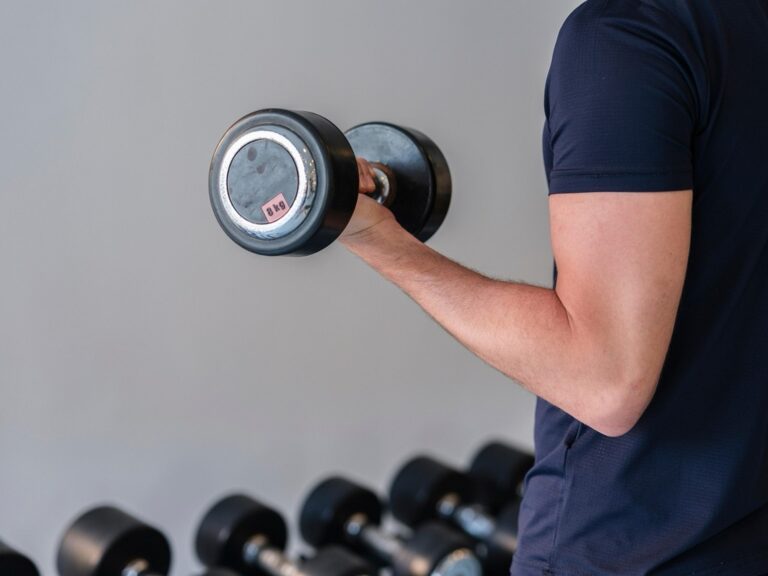
When the water freezes over or the weather turns harsh, your hard-earned paddling muscles can quickly lose their strength. Maintaining your core rotation and shoulder flexibility during the off-season ensures your technique remains sharp for the spring thaw. Focus on exercises that mimic the pulling and twisting motions of a proper forward stroke.
Medicine ball twists and seated cable rows are excellent gym-based movements that target your obliques and latissimus dorsi. For home workouts, use resistance bands anchored at door height to practice the catch and power phases of your stroke while sitting on a fitness ball. Consistent, low-impact shoulder mobility work protects your rotator cuffs and ensures you return to the water with a fluid, injury-free stroke.
Upgrading your flatwater setup is about creating a unified system where your body and gear work in perfect harmony. By dialing in your contact points, reducing swing weight, and balancing your load, you transform your time on the water from a physical chore into an effortless glide. Choose your upgrades wisely, focus on your form, and enjoy the smooth, quiet efficiency of a perfected stroke.