8 Essential Toddler Beach Safety Gear Picks for Sunny Family Outings
Keep your little one safe in the sand with these 8 essential toddler beach safety gear picks. Read our guide and prep for a stress-free family outing today.
Standing at the shoreline with a toddler means managing a shifting landscape of waves, wind, and intense sun exposure. While the beach offers endless opportunities for sensory play, the open water environment presents unique hazards that pool-side outings simply cannot match. Arming a family with the right safety gear ensures that a day by the ocean remains a joyful memory rather than a lesson in emergency management.
Disclosure: As an Amazon Associate, this site earns from qualifying purchases. Thank you!
Key Water Safety Principles for Toddlers at the Beach
Touch supervision is the absolute gold standard for toddler water safety. At the beach, this means an adult is always within arm’s reach of the child, ready to grab them instantly. Unlike a swimming pool, the ocean has moving currents, uneven sandy bottoms, and sudden wave breaks that can knock a toddler over in inches of water.
Designated water watchers must be assigned to avoid the dangerous assumption that someone else is looking. During family gatherings, assign a single adult the sole responsibility of watching the toddler in 15-minute shifts, completely free from distractions like phones or reading. This structured rotation prevents lapses in attention caused by group conversations or general beach relaxation.
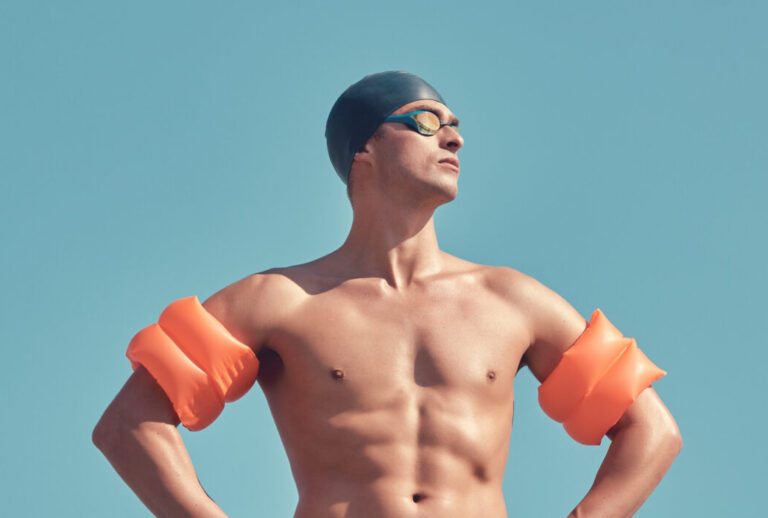
Never rely on inflatable armbands, rafts, or pool noodles as lifesaving devices. These toy-grade items can easily slip off, pop, or drift out to sea with a sudden gust of wind. Only US Coast Guard-approved devices belong on a toddler when they are anywhere near the surf line.
How to Assess Ocean Conditions Before Letting Kids Play
Before setting up the beach blanket, locate the nearest lifeguard tower and observe the beach warning flags. Green indicates low hazard, yellow warns of moderate surf, and red signifies highly dangerous conditions where toddlers should stay completely out of the water. If no flags are posted, consult the duty lifeguard directly to ask about rip currents or sudden drop-offs unique to that stretch of coast.
Watch the wave break pattern for at least ten minutes before letting a child near the wet sand. Look for shorebreak, where waves crash directly onto the steep beach slope, which can easily throw a toddler down and drag them into deeper water. Additionally, identify rip currents, which appear as darker, calmer gaps in the whitewater lines where water is rapidly channeling back out to sea.
Wind direction plays a critical role in ocean safety. Strong offshore winds—blowing from the land out to sea—can rapidly push inflatable toys, paddleboards, and small children away from the shoreline. If the breeze is blowing hard off the land, keep the toddler playing well back from the water’s edge.
Life Jacket – Stearns Infant Classic Series Vest
A life jacket is the single most critical piece of safety gear for any toddler near open water. Ocean shorelines are unpredictable, and a sudden wave or slip can submerge a small child in seconds. A proper vest provides inherent buoyancy that keeps a child’s head above water, providing vital seconds for a parent to react.
The Stearns Infant Classic Series Vest is a standout choice because it is a US Coast Guard-approved Type II PFD, designed specifically to turn an unconscious wearer face-up in the water. It features a heavy-duty nylon shell, a sturdy rescue handle on the collar for quick grabs, and a crotch strap that prevents the vest from riding up over the child’s chin.
- Weight Rating: Under 30 pounds (Infant size)
- Approval: US Coast Guard Approved Type II
- Material: Durable nylon shell with PE flotation foam
- Key Features: Oversized collar grab handle, adjustable leg strap, secure front chest straps
Fit is everything when it comes to life jackets. Before heading to the beach, test the vest at home by tightening all straps and lifting the jacket by the shoulder straps; the child’s chin and ears should not slip through. Remember that a vest only works if worn properly, so expect some initial resistance from a toddler and practice wearing it at home first.
This vest is ideal for families visiting ocean beaches, lakes, or boarding recreational vessels where absolute safety is the priority. It is not designed for older, heavier toddlers over 30 pounds, who will need to transition to a Child-sized (30-50 lbs) vest for proper buoyancy.
Baby Beach Tent – Pacific Breeze Easy Up Beach Tent
Toddlers have sensitive skin and sweat glands that are not yet fully developed, making them highly susceptible to heat exhaustion and severe sunburn. A reliable shade shelter serves as an environmental shield, creating a cool microclimate where a child can rest, hydrate, and escape the direct midday glare.
The Pacific Breeze Easy Up Beach Tent solves the classic struggle of wrestling with tent poles in high winds. It features a patented hub system that pulls open in seconds, lightweight fiberglass frames, and a UPF 50+ sun protection rating. Large mesh windows provide critical cross-ventilation, preventing the interior from turning into an oven.
- Sun Protection: UPF 50+
- Weight: 4.5 pounds
- Setup System: Easy Up hub mechanism
- Material: Breathable polyester with water-resistant floor
Sand pockets are built into the structure, but on windy coastlines, utilizing the included metal stakes is necessary to keep the tent anchored. When packing up, ensure all sand is shaken out of the hinges to prevent the hub mechanism from jamming during future deployments.
This shelter is perfect for active parents who need a fast, one-person setup while keeping an eye on a toddler. It is not suitable for large extended families looking for a massive group canopy, as it is scaled specifically for a parent and toddler to sit comfortably.
Toddler Water Shoes – Keen Newport H2 Water Sandals
Beach terrain is rarely just soft sand; it is often littered with sharp broken shells, hot boardwalks, jagged rocks, and hidden debris. Water shoes protect tender soles from burns and lacerations while providing the traction needed to navigate slick, wet surfaces near tide pools and boat ramps.
The Keen Newport H2 Water Sandals are built like miniature tank treads for toddler feet. They feature a patented rubber toe bumper that prevents stubbed toes on rocks, a secure hook-and-loop closure strap, and a washable polyester webbing upper that dries quickly. The non-marking rubber outsole provides exceptional grip on wet boat decks and slimy rocks alike.
- Sole: Non-marking rubber with multi-directional lugs
- Upper: Washable polyester webbing with quick-dry lining
- Closure: Secure fit lace capture system with hook-and-loop strap
- Sizing: Toddler sizes 4 to 10
Sand will inevitably find its way inside these sandals during active play. It is important to periodically rinse the shoes in clean water to flush out abrasive sand particles that can cause painful blisters over a long day.
This shoe is perfect for adventurous toddlers who transition constantly between dry sand, wet rocks, and shallow water. It is not the right choice for parents seeking a lightweight, cheap slip-on shoe, as the Newport H2 is a premium, structured sandal built for rugged terrain.
Baby Mineral Sunscreen – Thinkbaby SPF 50+ Sunscreen
A toddler’s skin is thin and highly vulnerable to UV radiation, which can cause painful burns and long-term cellular damage. Chemical sunscreens can irritate sensitive skin and eyes, making a dedicated, high-performance mineral barrier essential for any outdoor water recreation.
Thinkbaby SPF 50+ Sunscreen is a premier mineral formulation utilizing 20% non-nano zinc oxide to physically block harmful UVA and UVB rays. It was the first sunscreen to pass Whole Foods Premium Care requirements, features a highly water-resistant formula (up to 80 minutes), and applies smoothly without leaving an excessively greasy residue.
- Active Ingredient: 20% Non-Nano Zinc Oxide
- Sun Protection: SPF 50+ Broad Spectrum
- Water Resistance: 80 minutes
- Free Of: Parabens, phthalates, PABA, and chemical UV absorbers
Because mineral sunscreen acts as a physical shield, it must be applied thoroughly to all exposed skin 15 minutes before sun exposure. Reapplication is non-negotiable every 80 minutes, or immediately after towel drying, to maintain the protective barrier.
This is the ultimate sun barrier for babies over six months and toddlers with highly sensitive skin. It is not ideal for those who demand a completely invisible, spray-and-forget application, as mineral creams require diligent rubbing in to ensure full coverage.
Reusable Swim Diaper – Green Sprouts Snap Swim Diaper
Regular diapers swell up like heavy anchors when submerged in water, posing a serious safety hazard and rendering them useless. Swim diapers are specifically engineered to let liquids pass through while securely containing solid waste, preventing public health hazards in both swimming pools and shallow swim zones.
The Green Sprouts Snap Swim Diaper features a patented three-layer design that optimizes comfort and containment. A wicking liner prevents diaper rash, an inner absorbent layer contains messes, and a waterproof outer layer prevents leaks. The convenient easy-lock side-snaps make diaper changes incredibly easy, especially when dealing with a wet, squirming toddler.
- Material: 100% Polyester
- Closure: Easy-lock side snaps
- Layers: Wicking liner, absorbent core, waterproof shell
- Sizing: 6 months to 4T
Note that swim diapers are not designed to absorb urine; their sole mission is containing solids. Put the swim diaper on right before the toddler enters the beach area, and keep a spare dry diaper handy for the car ride home.
This reusable option is perfect for eco-conscious parents who want a secure fit without the sagging and waste of disposable swim diapers. It is not suitable for parents who prefer throwing away messy diapers immediately rather than washing a reusable garment.
Toddler Sunglasses – Babiators Original Navigators
Water and white sand act like giant mirrors, reflecting intense UV rays upward directly into a toddler’s sensitive eyes. Prolonged exposure to this glare can lead to immediate discomfort and long-term damage, such as photokeratitis or early-onset cataracts.
Babiators Original Navigators are virtually indestructible, featuring a flexible rubber frame that can be bent, twisted, or stepped on without breaking. They provide 100% UVA and UVB protection and feature impact-resistant lenses that stand up to rough toddler play.
- Frame Material: Flexible, durable rubber
- UV Protection: 100% UVA/UVB protection (UV400)
- Lens Type: Impact- and shatter-resistant
- Warranty: Lost or Broken Guarantee (1 year)
Getting a toddler to keep sunglasses on requires patience. Pair these glasses with an adjustable silicone strap (sold separately) to keep them anchored to the child’s head, and introduce them in low-stakes environments at home before hitting the bright beach.
These are a must-have for parents tired of replacing broken plastic sunglasses every few weeks. They are not the best fit for older children who require prescription lenses, unless customized by an optician.
UV Swimsuit – Carter’s Toddler Rash Guard Set
While sunscreen is crucial, it can wash off, rub off in the sand, or be applied unevenly. A high-quality UV-protective swimsuit provides a reliable, constant physical barrier against harsh UV rays, drastically reducing the amount of exposed skin that requires liquid sunscreen application.
The Carter’s Toddler Rash Guard Set combines excellent sun protection with practical design. It offers UPF 50+ built-in sun protection that does not wear off with washing, a high mock-neck collar to protect the delicate neck area, and quick-drying stretch fabric that moves comfortably with an active toddler.
- Sun Rating: UPF 50+
- Material: Polyester and elastane blend
- Sleeve Length: Available in long-sleeve and short-sleeve options
- Closure: Pull-on or front-zip depending on design
- Sizing: 12M to 5T
Opt for the long-sleeve version whenever possible to maximize skin coverage down to the wrists. After swimming, rinse the suit in cool, fresh water to prevent chlorine or salt crystals from degrading the elastane fibers over time.
This set is ideal for parents looking for a highly protective, durable, and budget-friendly swim option for beach days. It is not for those looking for heavy thermal insulation, as this is a lightweight UV barrier rather than a cold-water neoprene wetsuit.
Waterproof First Aid Kit – Surviveware Waterproof Kit
A day near the water brings a high likelihood of minor scrapes, shell cuts, splinters from boardwalks, and jellyfish stings. A standard home first aid kit will quickly ruin if exposed to salt air, splashing waves, or wet hands, making a dedicated waterproof kit a beach bag essential.
The Surviveware Waterproof Kit is housed in a welded TPU waterproof bag rated to IPX7 standards, meaning it can survive submersion without letting a single drop of water inside. Inside, the items are organized in clearly labeled, color-coded compartments, allowing a parent to find bandages, antiseptic wipes, or tweezers instantly while managing a crying child.
- Waterproof Rating: IPX7 (fully submergible)
- Case Material: Heavy-duty welded TPU
- Weight: Under 1 pound
- Key Contents: Bandages, antiseptic wipes, eye wash, tweezers, shears
While this kit is comprehensive, parents should customize it by adding toddler-specific items. Toss in a small bottle of infant acetaminophen, a sting-relief spray, and some fun, character-themed adhesive bandages to help soothe a distressed toddler.
This kit is perfect for families who spend time on boats, paddleboards, or sandy beaches where gear inevitably gets wet. It is not necessary for those who only swim in dry, indoor pool environments where a medical station is always a few steps away.
Hydration and Heat Stroke Prevention Tips for Toddlers
Toddlers heat up much faster than adults because of their smaller body surface area and less efficient sweat production. When playing in the sun and salt water, they lose fluids rapidly through respiration and perspiration, often without realizing they are thirsty. Offer small sips of water or diluted fruit juice every 15 to 20 minutes, even if they insist they are fine.
Watch closely for the early warning signs of heat exhaustion. These include extreme lethargy, irritability, flushed skin that is cool to the touch, or conversely, a lack of sweat despite high temperatures. If a toddler displays any of these symptoms, immediately move them into a shaded, cool area, apply damp towels to their skin, and offer cool fluids.
Schedule beach outings during the cooler parts of the day to minimize environmental stress. Setting up camp before 10:00 AM or after 4:00 PM avoids the peak UV index and maximum daily temperatures. If staying through the afternoon, mandate a “quiet hour” inside the beach tent to let the child’s core temperature stabilize.
Cleaning and Storing Salt-Damaged Gear After the Beach
Saltwater is highly corrosive to metal zippers, snaps, and even heavy-duty fabrics. Left unchecked, salt crystals will dry, expand, and slowly tear apart the fibers of life jackets, tents, and swimsuits. Always rinse every piece of beach gear in clean, fresh water as soon as returning home.
For gear with complex components like the beach tent hub or metal snaps on swim diapers, pay extra attention to moving parts. Spray them thoroughly with a garden hose to flush out stubborn sand grains that can cause mechanical failure. Hang all items to dry completely in a well-ventilated, shady area out of direct sunlight, as UV rays will continue to degrade fabrics even during the drying process.
Once completely dry, store the gear in a cool, dark place free from moisture. Storing damp life jackets or tents in a hot garage invites mold and mildew, which can permanently ruin fabric integrity and safety certifications. A little post-trip maintenance guarantees that the gear remains fully functional and safe for the next sunny outing.
Conclusion
Safe family outings by the ocean do not happen by accident; they require preparation, vigilant supervision, and the right equipment. Investing in high-quality safety gear protects a toddler from the harsh elements and unexpected water hazards of the marine environment. With these essentials packed and key water safety principles in mind, parents can focus on building lasting shoreline memories with confidence.