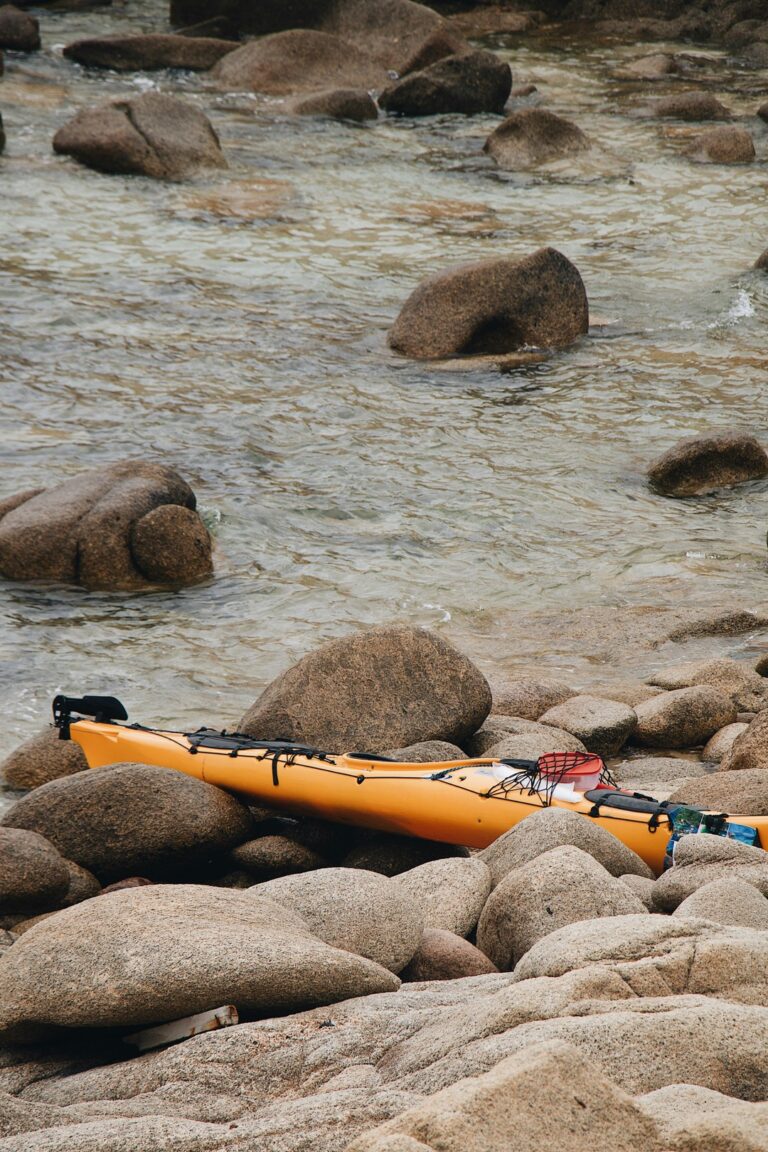
10 Essential Items for Your Full-Day Kayak Tour
Prepare for your next adventure with our checklist of 10 essential items for your full-day kayak tour. Pack smart, stay safe, and read the full guide here today.
The morning sun reflects off a glassy bay, and ahead lies a full day of untouched shoreline waiting to be explored. Undertaking an all-day kayak tour offers unparalleled access to remote waters, but miles from the launch point, help is far away and the elements are in control. Equipping a kayak with the correct gear is the difference between a triumphant journey and a dangerous, uncomfortable ordeal.
Disclosure: As an Amazon Associate, this site earns from qualifying purchases. Thank you!
How to Plan and Pack for a Full Day on the Water
Paddling for eight hours or more requires a strategic approach to route planning and boat weight distribution. A typical recreational paddler covers two to three miles per hour, meaning a full-day trip will easily span 12 to 18 miles. Always plot a route with designated rest stops, check local tide charts, and consult a detailed marine weather forecast before leaving the shore.
When packing the kayak, place heavy items low and centered in the hull to preserve the kayak’s center of gravity. Store water bladders, heavy food containers, and spare gear inside the bulkheads near the cockpit. Lightweight, bulky items like dry clothes or sleeping pads belong in the extreme bow or stern.
Accessibility is key when organizing gear on deck. Keep navigation tools, hydration, and safety equipment like the bilge pump within arm’s reach of the cockpit seat. Anything strapped to the deck should be secured with tight bungee cords or heavy-duty lashing to prevent loss in choppy conditions.
Kayak Paddle – Werner Camano Straight Shaft
A paddle is the literal transmission of a kayak, converting muscular energy into forward momentum thousands of times per day. A heavy, poorly balanced paddle strains the shoulders and drains energy long before the return journey begins. Choosing a reliable, lightweight paddle is the single best investment a touring kayaker can make for long-distance comfort.
The Werner Camano Straight Shaft is the industry benchmark for low-angle paddling, which is the most efficient stroke for long, relaxed days on the water. Featuring mid-sized fiberglass blades and a carbon-blend shaft, this paddle minimizes swing weight while offering a stiff, flutter-free stroke. The patented Smart View adjustable ferrule system allows for precise feathering adjustments in simple, crisp steps.
- Blade Material: Fiberglass
- Shaft Type: Carbon/fiberglass blend, straight, two-piece
- Weight: 27.5 ounces (780 grams)
- Best For: Low-angle touring, calm coastal bays, and slow-moving rivers
Before purchasing, measure your torso and boat width, as recreational kayaks wider than 26 inches typically require a longer paddle (230cm to 240cm). Always rinse the adjustable ferrule with fresh water after paddling in saltwater or sandy environments to prevent the joint from binding.
This paddle is perfect for recreational kayakers seeking all-day endurance without shoulder fatigue. It is not designed for aggressive whitewater or paddlers who prefer a high-angle, racing-style stroke.
PFD Life Jacket – Astral V-Eight Life Jacket
A personal flotation device (PFD) is useless if it is too hot or uncomfortable to wear all day long. Standard life jackets ride up against high kayak seat backs and trap body heat, leading to chafing and discomfort. A specialized paddling PFD keeps you safe while allowing a full range of motion for thousands of paddle strokes.
The Astral V-Eight Life Jacket solves the heat problem with its innovative AresTect air-flow architecture, which channels air through the jacket to keep the torso cool. It features a high-back design that clears the tall seats found on most recreational and fishing kayaks. Built with heavy-duty 400-denier ripstop nylon, this PFD provides high buoyancy without feeling bulky.
- Certification: USCG Type III
- Shell Fabric: 400D ripstop nylon
- Ventilation: AresTect mesh back and front panels
- Best For: Warm-weather touring, sit-on-top kayaking, and high-back kayak seats
Ensure the side adjustment straps are tightened properly so the jacket does not slide up to the chin when floating in the water. Hang-dry the PFD in a shaded, well-ventilated area after every trip, and never store it while damp to prevent mildew.
This life jacket is ideal for warm-weather kayakers who prioritize ventilation and compatibility with high-back seats. It is less suitable for cold-water expeditions where a low-profile, full-coverage rescue PFD is required.
Dry Bag – Sea to Summit Big River Dry Bag
Water always finds a way into kayak hatches, whether through leaky gaskets, condensation, or a sudden capsize. Essential items like dry clothes, electronics, and vehicle keys must be shielded in a reliable dry bag. Trusting cheap, thin dry sacks to protect expensive gear on open water is a recipe for disaster.
The Sea to Summit Big River Dry Bag is engineered from super-tough 420-denier nylon fabric with a TPU laminate to withstand serious abuse. Its heavy-duty lash loops allow secure anchoring to kayak decks, while the white interior laminate makes finding small items inside the bag easy. The roll-top hypalon closure prevents water intrusion even under brief submersion.
- Material: 420D nylon with TPU laminate
- Sizes Available: 5L to 65L (13L and 20L are best for kayak hatches)
- Waterproof Rating: IPX6 (heavy spray and brief immersion)
- Best For: Securing critical gear inside hatches or lashed to the deck
To ensure a watertight seal, roll the top collar down at least three full times before clipping the buckle. When packing, avoid placing sharp metal objects directly against the bag walls without protective wrapping.
This dry bag is built for paddlers who navigate rugged coastlines, shallow rocky rivers, or wet conditions where gear takes a beating. It is not designed for prolonged, deep underwater submersion or diving.
Kayak Bilge Pump – NRS Hand Bilge Pump
Even the most stable kayaks can take on water from breaking waves, heavy rain, or an accidental capsize. A cockpit filled with water ruins the boat’s stability, making it nearly impossible to paddle or steer. A high-volume hand bilge pump is the fastest way to empty a flooded cockpit and regain control.
The NRS Hand Bilge Pump can extract up to eight gallons of water per minute, making quick work of a flooded cockpit. It features a bright, high-density foam flotation collar that keeps the pump afloat if dropped over the side. The internal stainless steel screws resist corrosion, ensuring the pump operates smoothly season after season.
- Pumping Capacity: 8 gallons per minute (30 liters)
- Material: Impact-resistant plastic with stainless steel hardware
- Length: 21 inches
- Best For: Sit-in recreational and touring kayaks
Keep the pump secured under the deck bungees directly in front of the cockpit for instant access. Periodically disassemble the pump to flush out sand, gravel, or organic debris that can clog the internal valves.
This safety tool is mandatory for any sit-in kayak paddler venturing onto open water. It is not necessary for sit-on-top kayakers, as those boats feature self-draining scupper holes.
Portable Soft Cooler – YETI Hopper Flip 12
A full day on the water requires fresh, energy-dense food and cold hydration to prevent dehydration and fatigue. Standard soft coolers quickly leak when tipped sideways or fail to keep ice frozen under direct, unshaded sunlight. A premium, watertight cooler keeps supplies fresh and secures them against the harsh marine environment.
The YETI Hopper Flip 12 features a HydroLok Zipper that is completely leakproof, ensuring that river water stays out and melted ice stays in, even if the cooler flips. The DryHide shell resists punctures, UV damage, and mildew, making it tough enough to handle abrasive kayak hulls. ColdCell rubber foam insulation provides superior thermal retention compared to budget soft coolers.
- Capacity: 12 cans (using a 2:1 ice-to-can ratio)
- Material: DryHide shell with TPU coating
- Closure: 100% waterproof HydroLok zipper
- Best For: Storing lunch and cold drinks on the rear deck or tank well
Maximize cooling performance by pre-chilling the cooler with a sacrificial ice bag overnight before packing fresh food. Use reusable ice packs to save space and reduce the amount of loose, sloshing water inside the cooler.
This cooler is built for paddlers who demand ice-cold drinks and secure food storage on long, hot summer tours. The premium price tag may be excessive for casual paddlers who only take short trips and stick to dry snacks.
Handheld GPS – Garmin GPSMAP 67 Handheld
Smartphones are useful, but they suffer from poor battery life, delicate screens, and unreliable signal strength in remote waterways. When fog rolls in or wind pushes you off course, a dedicated navigation tool is crucial. A rugged handheld GPS keeps you on track, records your route, and provides emergency navigation.
The Garmin GPSMAP 67 Handheld features multi-band GNSS technology for highly accurate positioning even in deep canyons or under heavy tree canopy. Preloaded with TopoActive maps, it displays elevation profiles, shorelines, and key geographic features clearly on its 3-inch color display. The internal lithium-ion battery lasts up to 180 hours in standard tracking mode, far outlasting any smartphone.
- Screen Size: 3 inches (transflective color)
- Battery Life: Up to 180 hours in default mode
- Water Rating: IPX7 (withstands accidental immersion)
- Best For: Coastal touring, expansive lake navigation, and remote river trips
Always secure the GPS to your PFD or kayak deck using a floating lanyard to prevent it from sinking if dropped. Take the time to practice basic waypoint navigation and map downloading at home before heading out on the water.
This unit is the gold standard for serious touring kayakers who explore unfamiliar or complex coastal waters. It is unnecessary for paddlers sticking to small, simple recreational lakes where the launch point is always in sight.
Sun Shirt – Patagonia Capilene Cool Daily
Sunscreen washes away with sweat and water splashes, leaving skin vulnerable to intense UV rays and water reflection. A high-performance sun shirt provides continuous, reliable UV protection without the greasy mess of lotion. Long-term comfort on the water depends heavily on lightweight, quick-drying apparel.
The Patagonia Capilene Cool Daily offers lightweight sun protection that dries in minutes. Made from recycled polyester fabric, it stretches with every paddle stroke and features HeiQ Pure odor control to keep smells at bay. The fabric wicks moisture away from the skin, keeping the body cool even when wearing a tight PFD.
- Fabric: 100% recycled polyester jersey
- Sun Protection: 50+ UPF (solids and prints)
- Treatment: HeiQ Pure odor control and MiDori bioSoft wicking finish
- Best For: Long hours under direct sunlight on flat or open water
Opt for lighter colors like white, light grey, or light blue to reflect solar heat more effectively. Avoid washing this technical fabric with fabric softeners, as they clog the fibers and reduce moisture-wicking efficiency.
This shirt is an essential layer for any warm-weather paddler looking to protect their skin from sunburn. It does not provide thermal insulation, making it unsuitable as a primary layer for cold-water, winter paddling.
First Aid Kit – Adventure Medical Kits Marine 100
Minor injuries like blisters from paddling, cuts from barnacles, or bee stings can quickly ruin a full-day tour. Accessing a dry, well-stocked first aid kit allows you to treat these issues immediately before they become serious infections. Standard household first aid kits are not built to survive the wet, humid environment of a kayak.
The Adventure Medical Kits Marine 100 features a DryFlex waterproof inner bag that keeps medical supplies perfectly dry in wet conditions. The kit is specifically stocked for marine environments, containing treatments for severe bleeding, wound care, blisters, and motion sickness. The layout is organized by category, making it easy to find what you need during a stressful moment.
- Waterproof Rating: 100% waterproof DryFlex inner bags
- Group Size: 1 to 2 people
- Dimensions: 7.5 x 5.5 x 2.5 inches
- Best For: Day trips and weekend tours on coastal or inland waters
Inspect the kit at the beginning of every paddling season to replace expired medications and replenish used bandages. Store the kit in an easily accessible dry hatch, rather than buried deep at the bottom of the hull.
This kit is a smart, compact safety net for recreational kayakers wanting peace of mind on day trips. It is not designed for large groups or remote wilderness expeditions lasting several days.
Water Filter – Grayl GeoPress Purifier
Carrying enough fresh water for a full day of heavy physical activity under the sun adds significant weight to a kayak. A portable water filter allows you to replenish your hydration supply from natural freshwater sources along your route. This keeps the kayak lighter and eliminates the risk of running out of clean drinking water.
The Grayl GeoPress Purifier provides clean drinking water in just eight seconds through a simple press-and-drink system. It removes 99.99% of viruses, bacteria, and protozoa, while filtering out microplastics, sediment, and heavy metals. The rugged, slip-resistant bottle fits easily into standard kayak cup holders or deck bags.
- Purification Speed: 8 seconds per 24 ounces (710 ml)
- Cartridge Lifespan: 350 presses (approx. 250 liters)
- Protection: Viruses, bacteria, protozoa, heavy metals, microplastics
- Best For: Fresh-water river and lake tours with accessible shorelines
This purifier is designed for freshwater sources only and cannot remove salt from ocean water. Store the filter cartridge dry when returning from a trip to prevent mold growth inside the purification media.
This purifier is perfect for fresh-water touring kayakers who want to travel light without carrying gallons of water. It is useless for coastal ocean paddlers, who must pack all their fresh drinking water in advance.
Paddle Float – NRS Inflatable Paddle Float
Capsizing in deep water is a serious challenge, especially when paddling solo without anyone to help stabilize the kayak. Re-entering a wet kayak from the water requires leverage, which is hard to find on a slippery, unstable hull. A paddle float converts your kayak paddle into a temporary outrigger, providing the stability needed to climb back in.
The NRS Inflatable Paddle Float uses a dual-chamber design that offers reliable buoyancy even if one chamber is accidentally punctured. Constructed with a rugged nylon outer shell, it features quick-release buckles that secure easily to any standard paddle blade. The high-visibility color scheme ensures you remain visible to rescue boats or passing vessels during an emergency.
- Chamber Design: Dual-chamber inflatable with independent valves
- Material: 400D urethane-coated nylon shell
- Attachment: Heavy-duty webbing straps with quick-release buckles
- Best For: Sit-in touring kayakers paddling solo in open water
This safety device is only useful if the self-rescue technique has been practiced beforehand. Take the time to practice inflating, securing, and climbing onto the kayak in a calm, shallow pool or bay before heading out.
This item is an essential safety tool for solo sit-in kayakers exploring open lakes or coastal waters. It is unnecessary for sit-on-top kayakers, who do not need an outrigger to scramble back onto their open deck.
Essential Safety Checks Before Pushing Off the Shore
Before the kayak touches the water, perform a thorough physical inspection of the vessel and gear. Verify that the kayak’s drain plug is tightly screwed in, as a forgotten plug will slowly flood the hull. Check hatch covers to ensure they are sealed tightly, and inspect the rudder or skeg system for smooth, unrestricted operation.
Communication is your lifeline if conditions deteriorate or an emergency arises. Leave a detailed float plan with a family member or friend on land, detailing the route, launch point, expected return time, and boat description. Ensure mobile phones are fully charged and secured in waterproof cases, or carry a fully charged marine VHF radio.
Lastly, perform a personal fit check on your life jacket and deck gear before pushing off. The PFD should be snug enough that pulling up on the shoulder straps does not cause the jacket to slide past the ears. Ensure rescue tools like the paddle float and bilge pump are easily accessible from the cockpit seat while afloat.
A successful full-day kayak tour relies on preparation, respect for the elements, and the right gear. Investing in high-quality equipment ensures that minor setbacks remain minor inconveniences rather than safety emergencies. Pack smart, check the weather, and enjoy every stroke of your journey across the water.