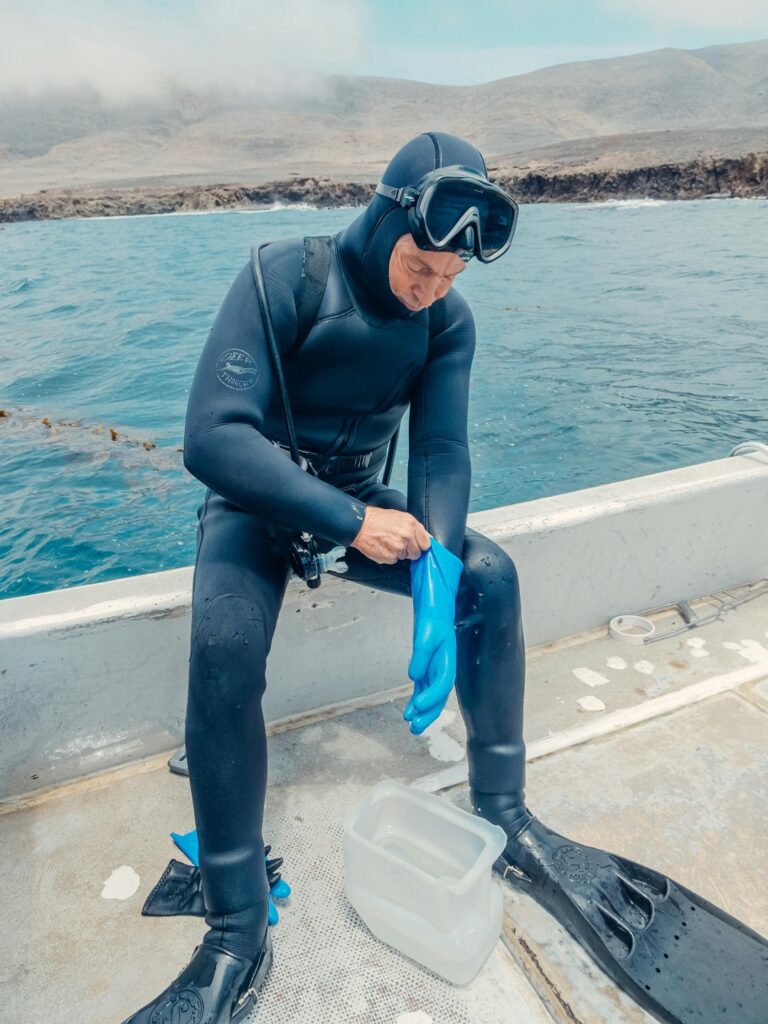
9 Essential Clothing Items for Late Autumn Paddling
Stay warm and dry on the water this season. Explore our 9 essential clothing items for late autumn paddling and prepare for your next adventure with confidence.
The autumn air is crisp, the lakes are glass-calm, and the summer crowds have finally gone home. While late-season paddling offers unmatched serenity, the dropping water temperatures introduce a quiet, unforgiving danger to the unprepared. Equipping yourself with the right cold-weather gear is not just a matter of comfort; it is a critical safety strategy that keeps you warm, dry, and responsive in the event of an unexpected swim.
Disclosure: As an Amazon Associate, this site earns from qualifying purchases. Thank you!
Understanding the Golden Rules of Cold Water Layering
The core philosophy of cold-water paddling is to dress for the water temperature, not the air temperature. A mild 60°F autumn day can feel inviting, but immersion in 50°F water can cause immediate cold shock and loss of motor control within minutes. Effective layering ensures that your body heat is trapped while moisture is moved away from your skin.
A proper cold-weather paddling system relies on three distinct layers. The base layer wicks sweat to prevent post-exertion shivering, the insulating mid-layer traps warm air close to your body, and the outer shell seals out wind, spray, and immersion water.
Cotton must be avoided at all costs because it absorbs water, holds it against the skin, and actively drains body heat. Stick to high-performance synthetics like polyester, nylon, or natural merino wool, which retain their insulating properties even when damp.
Thermal Base Layer – Under Armour ColdGear Crew
The base layer is your first line of defense against hypothermia, sitting directly against your skin to manage moisture. If sweat pools on your skin during a vigorous paddle, it will cool rapidly the moment you stop moving. The Under Armour ColdGear Crew serves as an exceptional engine for this moisture-wicking process.
This top features a dual-layer fabric with an ultra-warm, brushed interior that traps heat, paired with a slick, fast-drying exterior. This smooth outer face is crucial because it allows your mid-layer to glide over it without binding or restricting your paddle stroke.
- Material: 87% Polyester / 13% Elastane blend
- Fit: Ultra-tight, second-skin compression
- Key Feature: Four-way stretch construction for unrestricted shoulder mobility
When purchasing, ensure you select a snug fit; any loose fabric will allow cold air pockets to form and reduce the wicking efficiency. Note that compression gear can feel restrictive at first, but it is necessary to maximize thermal performance under a dry suit. This piece is perfect for high-energy paddlers but might feel too tight for those who prefer a looser, relaxed cut.
Mid-Layer Fleece – Patagonia R1 Air Crew
Once moisture is pushed away from your skin, the mid-layer takes over to trap body heat. The Patagonia R1 Air Crew is a technical fleece engineered specifically for high-exertion activities in cold environments. It prevents the cold draft of the outer shell from reaching your core.
What sets the R1 Air apart is its unique hollow-core yarn woven in a distinct zig-zag pattern. This structure creates micro-pockets that trap warm air exceptionally well while allowing excess heat and moisture to vent during hard paddling.
- Fabric: 100% recycled polyester jacquard fleece
- Weight: Light and highly packable
- Design: Off-shoulder seams to prevent chafing under PFD straps
Be aware that this fleece is highly breathable, meaning wind will cut right through it if worn without an outer shell. It is designed to work in tandem with a windproof jacket or dry suit, not as a standalone outer layer on windy days. This item is a stellar investment for dedicated touring kayakers, though casual recreational paddlers might find standard microfleece to be a more budget-friendly alternative.
Dry Suit – Kokatat Gore-Tex Pro Odyssey Dry Suit
For true late autumn paddling, a dry suit is the ultimate piece of safety equipment. The Kokatat Gore-Tex Pro Odyssey Dry Suit provides a completely waterproof seal around your entire body, ensuring you stay dry even during prolonged immersion.
Constructed with rugged Gore-Tex Pro laminate, this suit offers unmatched breathability while keeping out every drop of water. It features integrated Gore-Tex socks, a relief zipper for convenience, and a removable hood to shield you from freezing rain and wind.
- Material: 3-layer Gore-Tex Pro fabric
- Zippers: Durable nylon waterproof front-entry and relief zippers
- Gaskets: Tough latex neck and wrist gaskets with neoprene over-cuffs
The primary consideration here is the high financial investment and the maintenance required for the latex gaskets, which must be treated with UV protectants to prevent cracking. Getting into and out of a dry suit also has a slight learning curve. This suit is absolutely essential for open-water sea kayakers and whitewater paddlers, but it is likely overkill for calm, shallow pond paddling close to shore.
Paddling Jacket – NRS Riptide Splash Jacket
On days when the water is cold but the risk of immersion is low, a full dry suit can feel restrictive and excessively hot. The NRS Riptide Splash Jacket offers an excellent middle ground, delivering robust protection against wind, waves, and paddle splash.
Built from breathable Hyprotex 2.5 fabric, this splash jacket features an articulated design that moves naturally with your paddling motion. Neoprene wrist closures and an adjustable urethane neck closure let you vent heat when working hard while sealing tight when the spray starts flying.
- Fabric: 40-denier Hyprotex™ 2.5
- Pockets: Dual sleeve pockets for small essentials
- Waist System: Double-tunnel waist to integrate with a spray skirt
Remember that this is a splash jacket, not a dry top; it will not keep you dry during a swim or roll because the neck is not latex. It requires a compatible spray skirt to create a dry seal at the cockpit. This jacket is perfect for coastal touring and flatwater kayakers looking for adaptable wind protection, but not for those running heavy whitewater.
Paddling PFD – Astral BlueJacket Life Jacket
A life jacket is mandatory, but cold-weather paddling requires a PFD designed to accommodate the bulk of multiple warm layers. The Astral BlueJacket Life Jacket offers a low-profile, high-mobility design that won’t ride up or restrict your stroke when worn over a dry suit or thick fleece.
This PFD features a unique FoamTect architecture that allows the front panel to move independently from your torso. The side-entry design makes it easy to slip on over bulky clothing, and the multiple adjustment points let you customize the fit quickly.
- Flotation: PVC-free Gaia and PE foam
- Shell: 200 x 400 Denier Ripstop Nylon
- Storage: Large zippered clamshell front pocket with internal organization
When fitting this PFD, always adjust the side straps while wearing your full late-autumn layering system to ensure it doesn’t restrict your breathing. The pocket is highly functional but can tempt you to overload it, which might interfere with self-rescue re-entry. This is a top-tier choice for sea kayakers and river tourers, but casual recreational paddlers might find the technical features more than they need.
Neoprene Booties – NRS Boundary Wetshoes
Wet feet will ruin an autumn paddle faster than almost anything else. The NRS Boundary Wetshoes are designed to keep your feet completely dry and warm during cold-water launches, muddy portages, and damp deck transits.
Featuring a 5mm neoprene upper with taped seams, these boots offer exceptional insulation. The rugged, high-traction sole protects your feet from sharp rocks, while the secure ladder-buckle strap across the top ensures the boot stays on your foot in deep mud.
- Height: 15 inches for high water protection
- Insole: 7mm neoprene insole for cushioning and warmth
- Seal: GlideSkin™ cuff to restrict water entry at the top
Sizing can be tricky; if you plan to wear thick wool socks or a dry suit with integrated fabric booties inside these wetshoes, you will need to size up by one or two full sizes. The high-top design can also feel bulky inside tight, low-profile kayak cockpits. These are ideal for canoeists and kayak tourers who frequently launch in shallow, cold water, but less suitable for tight-fitting whitewater playboats.
Paddling Gloves – Glacier Glove Perfect Curve
Your hands are constantly exposed to wind and cold paddle splash, making them highly susceptible to numbing cold. The Glacier Glove Perfect Curve provides the thermal protection needed to maintain a secure grip and control your paddle in frigid conditions.
These gloves are constructed from 2mm fleece-lined neoprene and feature a pre-curved finger design that matches the natural resting state of your hand. This pre-curve significantly reduces the hand fatigue associated with gripping a paddle shaft through thick neoprene.
- Seams: Blind-stitched and glued to be 100% waterproof
- Palm: Textured pattern provides excellent grip on wet carbon or fiberglass shafts
- Interior: Fleece lining for immediate warmth
Because these gloves are completely waterproof, any sweat generated inside will stay there, which can lead to chilly hands once you stop paddling. They also reduce finger dexterity, making tasks like opening a zipper or tying a knot difficult without removing them. They are perfect for cold-wind days on open water but less ideal for anglers who require precise finger mobility.
Thermal Hat – NRS Mystery Neoprene Helmet Liner
Significant body heat is lost through the head, especially when exposed to cold winds or spray. The NRS Mystery Neoprene Helmet Liner is a low-profile, highly insulating skull cap designed to fit comfortably under a paddling helmet or to be worn alone.
Built with 1mm neoprene infused with titanium laminate, this liner reflects your body heat back to your head. The raw-skin interior grips your skin or hair to prevent the hat from shifting or sliding off during active movement.
- Material: 1mm Mystery neoprene with GlideSkin™ interior
- Seams: Flat-lock stitched for a comfortable, flush fit
- Coverage: Full ear coverage to block freezing winds
The tight, skull-hugging fit can muffle sound slightly, which is something to keep in mind when paddling in groups where verbal communication is critical. It is also designed to be snug, so those with larger head sizes should measure carefully before buying. This liner is a must-have for whitewater paddlers and coastal kayakers facing active surf, but might feel too restrictive for calm flatwater canoeists.
Waterproof Socks – Showers Pass Crosspoint Socks
If your footwear choice does not keep water out entirely, a pair of waterproof socks is your best backup plan. The Showers Pass Crosspoint Socks act as a dependable, breathable barrier that keeps your feet dry even if your shoes get waterlogged.
These socks utilize a three-layer construction featuring a wear-resistant knit exterior, a waterproof Artex membrane, and a comfortable antibacterial knit lining. They look and feel like a heavy-duty athletic sock but perform like a dry suit gasket.
- Membrane: Artex waterproof, breathable membrane
- Interior: 81% Coolmax polyester blend for moisture control
- Fit: Ergonomic toe and heel pockets to prevent bunching
Because they are thicker than standard socks, you must ensure your paddling shoes have enough interior volume to accommodate them without pinching your toes, which can restrict blood flow and cause cold feet. They also require gentle washing and air-drying to protect the internal membrane. These socks are perfect for paddlers wearing low-cut booties or splash shoes, but redundant if you are already wearing a dry suit with integrated dry socks.
How to Apply the 120-Degree Rule on Autumn Water
Safety on autumn water is governed by the 120-Degree Rule, a simple mathematical guideline used by water recreation specialists to assess cold-water risk. To apply it, add the air temperature to the water temperature; if the combined total is below 120 degrees Fahrenheit, you must dress for immersion.
For example, a sunny autumn day with an air temperature of 60°F and a water temperature of 50°F equals 110 degrees, placing you squarely in the danger zone. Even though the air feels comfortable, falling into 50°F water without thermal protection can trigger cold shock, characterized by gasp reflex, hyperventilation, and rapid muscle failure.
Never assume that staying close to shore or being a strong swimmer eliminates this risk. Cold shock can incapacitate a swimmer in less than a minute, long before hypothermia even sets in. Treating the 120-degree rule as an absolute boundary ensures that you are always prepared for the worst-case scenario.
Washing and Storing Cold-Weather Gear After the Paddle
The longevity and performance of your cold-weather paddling gear depend heavily on how you treat it after getting off the water. Saltwater, silt, and sweat will degrade waterproof membranes, latex gaskets, and neoprene over time if left untreated.
Always rinse your gear thoroughly with clean, fresh water inside and out after every trip. Hang your dry suit, splash jacket, and booties to dry in a well-ventilated area away from direct sunlight, as UV rays are highly destructive to latex gaskets and technical fabrics.
Apply a zipper lubricant to plastic and metal zippers periodically to prevent corrosion and ensure smooth operation. For latex gaskets, apply a thin coat of aerospace-grade UV protectant to keep them supple and prevent dry rotting. Store your dry suit hung loosely on a wide, padded hanger with the zippers open to preserve the integrity of the seals.
With the right layers, a reliable dry suit, and a solid understanding of cold-water safety rules, late autumn can quickly become your favorite paddling season. Investing in high-quality gear transforms a risky cold-weather excursion into a safe, comfortable, and breathtakingly beautiful adventure on the water. Make your gear checklist, respect the water temperatures, and enjoy the quiet solace of the autumn waterways.