
10 Essential Gear Items for Safe Solo Kayaking
Prepare for your solo kayak trip on a large lake with these 10 essential safety gear items. Read our expert guide now to ensure you stay secure on the water.
Paddling alone across a massive lake offers an unmatched sense of freedom, but the open water can turn hostile in a matter of minutes. When there is no paddling partner to help rescue you or call for aid, your self-reliance depends entirely on the gear strapped to your deck. Equipping your kayak with the right safety essentials ensures a sudden change in wind or an unexpected capsize remains a manageable story rather than a life-threatening emergency.
Disclosure: As an Amazon Associate, this site earns from qualifying purchases. Thank you!
Why Large Lakes Require Specialized Safety Gear
Large lakes behave more like inland seas than quiet backyard ponds. Sudden wind shifts can whip up dangerous chop in minutes, while fetch—the distance wind travels over open water—creates waves large enough to swamp a recreational kayak. When paddling solo, a simple mistake like a capsize becomes a critical scenario because there is no secondary boat to assist with a rescue.
Distance from shore also complicates rescue efforts, as cold water temperatures can quickly induce hypothermia long before help arrives. Without specialized safety gear designed to aid in self-rescue and communication, a solo paddler is entirely at the mercy of shifting currents and weather fronts. Preparing for these environments requires transitioning from basic paddling equipment to specialized marine-grade safety tools.
Kayak Life Jacket – NRS Chinook Fishing PFD
A life jacket is the single most critical piece of safety gear on any water body, but on a large lake, it must do more than just float your head. It needs to remain comfortable during hours of high-angle paddling while keeping essential rescue tools within arm’s reach. A poorly fitted vest that rides up or chafes will tempt paddlers to take it off—a fatal mistake when solo.
The NRS Chinook Fishing PFD stands out because of its high-back design, which fits comfortably over the tall seats found in modern touring and sit-on-top kayaks. Built with 400-denier ripstop nylon, this Type III PFD features plush flotation foam that conforms to the torso without restricting arm movement. Its massive front pockets act as a wearable safety station, allowing immediate access to a knife, whistle, or radio.
- PlushFIT™ foam flotation with a high-back design
- Seven front pockets, multiple attachment loops, and a rod holder
- Sizes: XS/M (30″-42″ chest), L/XL (42″-52″ chest), XL/XXL (50″-58″ chest)
- US Coast Guard Type III certification
Paddlers must ensure they adjust the shoulder and side straps properly while wearing their typical paddling layers to prevent the vest from riding up during a swim. While marketed as a fishing PFD, the storage utility and comfort make it an exceptional safety vest for recreational and touring solo paddlers alike. This vest is perfect for those who want their emergency gear attached directly to their body, though minimalists might find the front pockets bulkier than standard low-profile touring PFDs.
Kayak Paddle – Werner Camano Fiberglass Paddle
Your paddle is your engine, your rudder, and your lifeline back to shore. On a large lake where headwinds can rise suddenly, a heavy, flexible paddle will quickly exhaust your muscles, leaving you stranded far from the launch site. A reliable paddle must balance lightweight construction with enough structural rigidity to push through heavy chop.
The Werner Camano Fiberglass Paddle is the gold standard for low-angle paddling, which is the most efficient stroke for covering long distances on open water. It features mid-sized fiberglass blades that provide a smooth, flutter-free stroke, reducing joint fatigue over hours of continuous paddling. The carbon-blend shaft is incredibly strong yet lightweight, utilizing the Smart View Adjustable Ferrule system for elegant, solid feathering adjustments.
- Fiberglass laminate blades and a carbon-blend shaft
- Adjustable ferrule system with 15-degree increments
- Available in straight or ergonomic neutral bent shafts
- Weight: 27.25 ounces (straight shaft, 220cm)
When buying a paddle, matching the length to both your height and the width of your kayak is crucial; a paddle that is too short will force you to hit the gunwales, while one that is too long causes unnecessary leverage fatigue. Regular maintenance is simple but vital: always flush the ferrule joint with fresh water after use to prevent sand and salt from jamming the connection. This paddle is ideal for solo touring kayakers looking for a dependable, fatigue-reducing paddle, though high-angle, aggressive paddlers may prefer a wider blade profile.
Bilge Pump – Seattle Sports Paddlers Bilge Pump
A swamped cockpit is incredibly heavy, highly unstable, and virtually impossible to paddle back to safety. A manual bilge pump allows you to evacuate water quickly from inside a sit-in kayak or storage hatch without needing to land the boat on shore. In a self-rescue situation, pumping out the water is the only way to regain the stability required to climb back in and stay afloat.
The Seattle Sports Paddlers Bilge Pump is a highly efficient manual pump designed specifically for quick water removal. It features a high-visibility neon foam sleeve that provides positive flotation, ensuring that if you drop it overboard during a chaotic rescue, it will float on the surface. The custom-molded handle is easy to grip even with wet hands or heavy neoprene gloves, and the internal stainless steel rod prevents corrosion.
- High-draw capacity: pumps up to 8 gallons per minute
- Bright yellow, high-impact plastic construction with a protective foam collar
- Length: 21 inches
- Optional hose attachment compatibility for directing water over the gunwale
To get the most out of this pump, practice using it while sitting in your kayak in a controlled environment to understand the physical effort required. It is also important to tether the pump to your deck lines so it does not wash away during a capsize. This pump is an absolute necessity for anyone paddling a sit-in kayak, though owners of self-draining sit-on-top kayaks will have less use for it unless they need to clear flooded dry hatches.
Satellite Communicator – Garmin inReach Mini 2
Cell phones lose reception quickly when you venture far from shore or paddle in remote, cliff-lined lake basins. If an emergency occurs out of cell range, a satellite communicator is your only reliable link to search and rescue teams. It provides two-way messaging and real-time tracking, allowing loved ones to monitor your progress and know exactly where to send help.
The Garmin inReach Mini 2 is a palm-sized satellite transceiver that uses the global Iridium satellite network for 100% coverage across the globe. Despite its compact footprint, it features a dedicated, protected SOS button that alerts emergency response coordination centers instantly. The device boasts an impressive battery life of up to 14 days in standard tracking mode, and its IPX7 waterproof rating ensures it can handle direct splashing and brief submersion.
- Two-way text messaging and location sharing
- TracBack® routing to guide you back to your starting point
- Weight: 3.5 ounces
- Requires an active satellite subscription plan
Users must keep in mind that the inReach requires a clear view of the sky to transmit messages quickly, so mounting it on your PFD shoulder strap is much more effective than leaving it buried in a gear bag. Additionally, you must factor the ongoing cost of a monthly or annual subscription plan into your budget. This device is essential for solo paddlers crossing vast lakes with unreliable cellular coverage, whereas paddlers sticking to small, heavily developed municipal lakes might find the subscription cost unnecessary.
Marine VHF Radio – Standard Horizon HX890
When paddling near active shipping lanes or motorized recreational traffic, immediate communication with nearby vessels can prevent catastrophic collisions. A marine VHF radio allows you to monitor weather channels for sudden storm alerts and broadcast distress calls directly to the Coast Guard or local lake patrols. It operates on line-of-sight frequencies, providing instantaneous, real-time communication that satellite messengers cannot match.
The Standard Horizon HX890 is a rugged, floating VHF radio equipped with a built-in WAAS GPS receiver for Class-H DSC (Digital Selective Calling) operation. If you press the distress button, the radio automatically transmits your exact GPS coordinates along with a digital distress call to all DSC-equipped vessels in range. It also features a bright, easy-to-read screen, active noise-canceling technology for clear transmissions over wind noise, and a water-activated strobe light that flashes automatically when submerged.
- 6W transmit power output (selectable to 2W or 1W)
- IPX8 waterproof rating (submersible to 4.9 feet for 30 minutes)
- Integrated FM broadcast receiver and NOAA weather alerts
- Floats face-up with a water-activated strobe
Operating a VHF radio requires learning basic channel protocols, such as using Channel 16 strictly for emergency distress and hailing. It is critical to secure the radio directly to your life jacket so it remains with you if you are separated from your kayak. This radio is a must-have for paddlers on large, busy lakes with commercial shipping or active patrol fleets, but may be overkill for secluded, non-motorized mountain lakes.
Paddle Float – NRS Inflatable Paddle Float
Climbing back into a kayak from deep water without assistance is incredibly difficult, as the boat tends to flip over the moment you apply weight to the side. A paddle float solves this problem by turning your paddle into a temporary outrigger, providing the lateral stability needed to hoist yourself back onto the deck. Without this tool, a solo paddler who capsizes in open water faces a high risk of exhausting themselves trying to re-enter a rolling boat.
The NRS Inflatable Paddle Float features a dual-chamber design that offers maximum buoyancy and a critical layer of safety if one chamber is punctured during a rescue. Constructed from 70-denier nylon, it features heavy-duty twist valves for rapid inflation, even when your fingers are cold. The secure sleeve slips easily over any standard paddle blade, and the quick-release buckle secures the float firmly to the shaft.
- Dual-chamber design for safety redundancy
- High-visibility yellow fabric with reflective piping
- Compact, roll-up design that mounts easily on the deck
- Secure webbing strap with a quick-release buckle
A paddle float is only useful if you know how to use it, meaning solo paddlers must practice the wet-entry and paddle-float rescue techniques in safe, shallow waters before heading out. Over time, the valves should be checked for air tightness and the fabric rinsed with fresh water to prevent degradation from sun and grit. This float is a non-negotiable safety tool for sit-in kayak paddlers, though it is less critical for sit-on-top kayakers who use different re-entry methods.
Waterproof Dry Bag – Sea to Summit Big River
Cold weather, unexpected rain, or a sudden capsize can quickly soak your dry clothes, electronics, and emergency gear, leading to hypothermia or equipment failure. A high-quality dry bag keeps your essential gear completely dry, organized, and secure within your kayak hatches or lashed to the deck. It serves as your primary defense against water damage, ensuring your survival gear remains functional when you need it most.
The Sea to Summit Big River dry bag is engineered for rugged outdoor use, featuring 420-denier waterproof nylon that resists abrasions, tears, and punctures. Unlike flimsy lightweight dry sacks, this heavy-duty bag is built to handle the rough-and-tumble environment of kayak hatches and rocky shorelines. The roll-top closure features a non-wicking strip to prevent water from seeping in, while multiple lash loops allow you to secure it firmly to your kayak’s deck rigging.
- 420D nylon fabric with a white interior lining for better visibility
- Hypalon lash loops for secure mounting
- Double-stitched, reinforced, tape-sealed seams
- Available in sizes ranging from 5L to 65L
When packing a dry bag, always roll the top closure down at least three times to ensure a watertight seal, and avoid overfilling the bag so the roll remains secure. It is also wise to squeeze out excess air before sealing to save valuable hatch space. This heavy-duty bag is perfect for paddlers carrying expensive electronics, warm layers, or camping gear, though minimalist day-trippers might find lighter, less durable dry sacks sufficient for basic items.
First Aid Kit – Adventure Medical Kits Ultralight
Minor injuries like blisters, paddle chafing, or small cuts can quickly become infected when exposed to lake water, while more serious injuries like deep cuts or sprains can halt your paddling progress entirely. Having a dedicated medical kit on board allows you to manage injuries immediately without needing to abort your trip. On a solo journey, a self-treated injury is often the difference between paddling back to the launch or needing to call for an emergency evacuation.
The Adventure Medical Kits Ultralight / Watertight .7 is designed specifically for multi-sport enthusiasts who need to keep weight down without sacrificing medical capability. The inner contents are packaged in a fully waterproof, resealable DryFlex bag, which is then protected by a rugged silnylon outer carrier. This dual-layer waterproofing ensures that your bandages, medications, and sterile wipes stay bone-dry even if the kit sits in a wet kayak bilge.
- DryFlex® inner waterproof bag and outer nylon bag
- Includes bandage materials, blister treatments, medications, and wound closure strips
- Weight: 8 ounces
- Designed for 1 to 2 people on trips lasting up to four days
Before launching, take the time to open the kit and familiarize yourself with the location of all items, replacing any expired medications or adhesive bandages annually. It is also highly recommended to add any personal prescription medications or specific allergy treatments to this kit before setting out. This kit is ideal for solo paddlers who prioritize lightweight, waterproof medical prep, but those embarking on multi-week expeditions may want to supplement it with additional trauma supplies.
Deck Compass – Seattle Sports Sea-Dog Compass
A sudden fog bank or heavy rainstorm can roll across a large lake in minutes, dropping visibility to near zero and making it impossible to see the shoreline. In these conditions, GPS devices can fail, run out of battery, or lose satellite signal, leaving you completely disoriented on open water. A marine deck compass provides a reliable, non-electronic navigation backup that allows you to maintain a straight heading back to safety.
The Seattle Sports Sea-Dog Compass is a low-profile, surface-mount compass designed to strap directly to your kayak’s deck lines for hands-free navigation. It features a high-visibility dial with clear cardinal points and quick-reading lubber lines that make it easy to track your heading while paddling through rough water. The durable plastic housing is shock-resistant and UV-protected, ensuring it withstands the harsh sun and constant splashing common on large lakes.
- Adjustable mounting straps for easy attachment to deck rigging
- Large, easy-to-read dial with luminous markings for low-light use
- Liquid-damped card for stable readings in choppy conditions
- No drilling required for installation
When mounting the deck compass, ensure it is positioned directly in your line of sight but far enough away from metal objects like hatch rims, knives, or radios, which can cause magnetic interference and throw off the readings. Practice taking a bearing of your launch point before heading out so you know exactly which direction to paddle if visibility drops. This compass is an invaluable safety asset for open-water touring kayakers, but recreational paddlers who stick to narrow, visible shorelines may find it unnecessary.
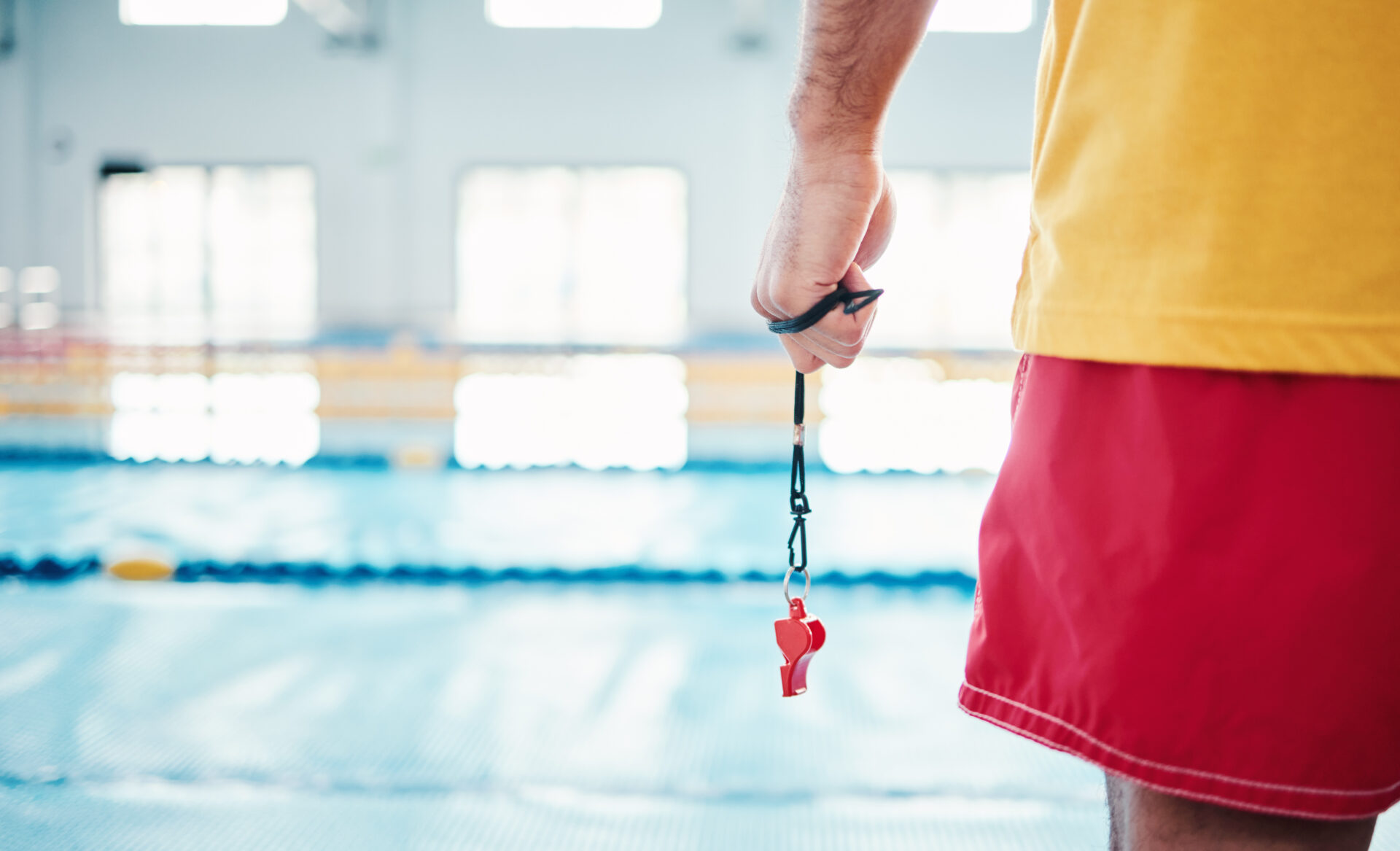
Safety Whistle – Fox 40 Classic Pealess Whistle
In an emergency, yelling for help is quickly drowned out by the roar of the wind, the crash of waves, or the drone of motorboat engines. A high-decibel safety whistle provides a piercing, long-range audio signal that alerts nearby boaters or shore-based rescuers to your location. Because it requires minimal lung effort compared to shouting, it remains effective even if you are exhausted, injured, or struggling in cold water.
The Fox 40 Classic Pealess Whistle is the industry standard for search and rescue operations worldwide due to its fail-safe design. Unlike traditional whistles that use a small cork pea inside, the pealess design cannot freeze, clog with water, or jam with sand, ensuring it functions flawlessly in any wet environment. It emits a piercing 115-decibel sound that easily cuts through ambient wind, engine noise, and wave crash over distances of up to a mile.
- Pealess design prevents clogging, freezing, or jamming
- Sound power: 115 dB
- Built from durable, high-impact ABS plastic
- Includes a secure lanyard and split ring for PFD attachment
For maximum safety, always attach the whistle directly to the zipper pull or shoulder D-ring of your life jacket using a short lanyard so it is instantly accessible without looking. Avoid storing it in a zippered pocket where it could be difficult to retrieve while swimming or cold. This inexpensive, life-saving tool is an absolute requirement for every single paddler on any water body, with zero exceptions.
How to File a Reliable Float Plan Before Launching
Even with the finest gear, a solo kayaking trip on a large lake carries inherent risks that make a float plan your ultimate safety net. A float plan is a written document detailing your itinerary, gear, and emergency contact information, left with a trusted person on shore. If you do not return by the designated time, this document tells rescue coordinators exactly where to look, significantly reducing response times.
A comprehensive float plan should outline your planned route, expected launch and return times, the color and model of your kayak, and the safety gear you have on board. It must also include the contact information of local search and rescue agencies or county sheriffs who manage the water body you are paddling. Crucially, the plan must include a hard trigger time—the exact hour your emergency contact should alert authorities if you have not checked in.
Never launch without confirming that your designated contact understands their role and has a copy of the plan easily accessible. Once you return safely, your very first action must be to check in with them to close the loop and prevent a false rescue mobilization. This simple habit costs nothing, takes less than five minutes, and remains the single most effective way to ensure a solo paddler is rescued if things go wrong.
Conclusion
Equipping yourself with reliable safety gear and a solid plan transforms a high-risk solo lake crossing into a secure, rewarding adventure. Open water demands respect, and investing in high-quality communication, navigation, and self-rescue tools ensures you are prepared for whatever the lake throws your way. Pack smart, dress for the water temperature, and paddle with the confidence that comes from being fully prepared.

