9 Cold-Weather Boating Essentials for Lake Families
Prepare your lake family for chilly days on the water. Discover these 9 cold-weather boating essentials to ensure safety and comfort. Read our full guide today.
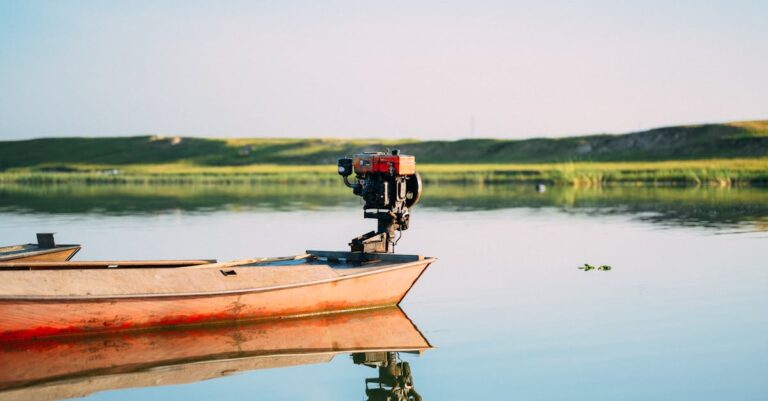
Late-season lake outings offer some of the calmest waters and most beautiful, crowd-free views of the entire year. However, autumn and winter boating require a major shift in preparation, as dropping water temperatures drastically escalate safety risks. Equipping a family boat with the right cold-weather gear is the difference between an unforgettable late-season cruise and a dangerous case of hypothermia.
Disclosure: As an Amazon Associate, this site earns from qualifying purchases. Thank you!
Staying Warm and Safe During Late-Season Lake Outings
When summer crowds pack up, the lake takes on a quiet, glass-like beauty that is incredibly peaceful. But late-season boating carries a hidden danger: cold water drains body heat up to 25 times faster than cold air. If someone falls overboard in 50-degree water, gasping from cold shock can lead to immediate drowning before physical rescue is even possible.
Safe autumn and winter boating relies on a strategy of redundant protection. Warmth is no longer just about comfort; it is a core safety requirement that keeps reflexes sharp and minds focused. By pairing protective apparel with active heating elements and reliable communication gear, recreational lake families can confidently extend their boating season well into the frostier months.
Marine Heater – Mr. Heater Portable Buddy MH9BX
Open boats, pontoon decks, and cockpit enclosures turn into iceboxes once the autumn wind kicks up. A portable radiant heater provides immediate, localized warmth, keeping passengers from shivering and losing manual dexterity while rigging fishing lines or docking.
The Mr. Heater Portable Buddy MH9BX is a reliable choice for recreational boaters because it delivers 4,000 to 9,000 BTUs of clean radiant heat without requiring electrical hookups. It runs on standard one-pound propane cylinders, features a fold-down handle for easy stowing, and utilizes an accidental tip-over safety shut-off along with a low-oxygen depletion sensor (ODS).
While highly reliable, this heater must only be used in well-ventilated areas, such as open bowriders or pontoon decks with open enclosures, to prevent carbon monoxide buildup. This unit is perfect for families who want to warm up cold fingers between activities, but it is not suitable for sealed cabin spaces without adequate ventilation.
Float Coat – Mustang Survival Classic Bomber Jacket
When the water temperature drops below 60 degrees, wearing a standard life jacket over a bulky winter coat is uncomfortable and often restrictive. A float coat solves this by combining US Coast Guard-approved flotation with the thermal insulation of a heavy-duty winter jacket.
The Mustang Survival Classic Bomber Jacket is built with AirForce flotation foam, which provides both 15.5 pounds of buoyancy and a high level of thermal protection against hypothermia. The rugged nylon shell resists abrasion, while the neoprene wrist cuffs block icy water from rushing up the sleeves when reaching into the livewell.
Users should note that float coats are bulkier than standard jackets and require proper sizing to ensure the internal waist belt fits snugly enough to prevent riding up in the water. This is an essential investment for the boat driver or anyone handling dock lines, though casual passengers who plan to stay inside a fully enclosed cabin may prefer standard layering.
Dry Suit – Kokatat Hydrus 3.0 Meridian Dry Suit
If your late-season boating involves paddling, sailing, or active water sports where immersion is a guarantee, a dry suit is your ultimate line of defense. Unlike a wetsuit, which traps a thin layer of water, a dry suit keeps you completely dry, allowing you to wear warm fleece layers underneath.
The Kokatat Hydrus 3.0 Meridian Dry Suit features a highly breathable, three-layer waterproof fabric that prevents sweat buildup while sealing out external water. Its latex neck and wrist gaskets are exceptionally durable, and the reinforced seat and knees hold up against the friction of sitting on fiberglass boat decks or kayak seats.
A dry suit requires regular maintenance, including lubricating the heavy-duty zippers and treating the latex gaskets with protectant to prevent cracking. This premium gear is a must-have for active paddlers and cold-water sailors, but it is likely overkill for families who stay exclusively inside a large, heated cabin cruiser.
Vacuum Thermos – Stanley Classic Legendary Bottle
Staying hydrated on cold days is notoriously difficult because cold water loses its appeal when temperatures plummet. Bringing along hot soup, cider, or coffee keeps your core temperature elevated from the inside out and boosts passenger morale on long runs back to the boat ramp.
The Stanley Classic Legendary Bottle features double-wall vacuum insulation that keeps liquids hot for up to 40 hours, meaning your beverage will stay steaming even in freezing ambient temperatures. Its 18/8 stainless steel construction is naturally rust-proof and easily survives being bounced around on a turbulent boat floor.
The insulated lid doubles as an 8-ounce cup, reducing the amount of extra gear you need to pack. However, its 1.5-quart size is heavy when fully loaded, making it best suited for secure storage in a console compartment rather than a lightweight gear bag. It is a mandatory addition for any family outing where hot comfort food is needed.
Outdoor Blanket – YETI Lowlands Multi-Use Blanket
Standard household blankets quickly become damp, heavy, and useless when exposed to lake spray and damp boat vinyl. A specialized outdoor blanket provides windproof, water-resistant insulation to keep passengers cozy during chilly sunset cruises.
The YETI Lowlands Multi-Use Blanket features a padded, insulated interior paired with a waterproof utility layer on the bottom that repels dampness from wet boat seats or morning dew. The top layer is incredibly soft and repels dirt, pet hair, and debris with a simple shake.
At over six pounds, this blanket is too heavy for hiking, but its weight is actually an asset on a moving boat because it will not easily blow away in the wind. This is a premium comfort item designed for families who refuse to let cold vinyl seats cut their boating season short.
Hand Warmer – Ocoopa Rechargeable Hand Warmer
Once hands go numb, executing basic safety tasks like tying dock lines, starting an outboard engine, or operating a marine radio becomes nearly impossible. Hand warmers offer instant thermal relief, restoring the dexterity needed to handle critical tasks on the water.
The Ocoopa Rechargeable Hand Warmer provides up to 15 hours of continuous heat, running circles around disposable chemical packs that often fail in damp environments. Its ergonomic design fits comfortably inside gloved hands, and the adjustable heat settings allow you to customize the temperature up to 131 degrees Fahrenheit.
This device doubles as a backup power bank to charge your cell phone, which is a massive safety plus in cold weather when phone batteries drain rapidly. It requires charging before you hit the water, making it a perfect fit for prepared boaters who appreciate multi-functional electronic safety gear.
Marine Radio – Standard Horizon HX890 Handheld VHF
In freezing water, rescue response times must be measured in minutes, not hours, and relying solely on cell phones is a dangerous gamble in areas with spotty lake coverage. A dedicated marine VHF radio connects you instantly to emergency services and nearby vessels who can assist long before local authorities arrive.
The Standard Horizon HX890 Handheld VHF features built-in GPS and Digital Selective Calling (DSC), allowing you to send an automated distress signal with your exact coordinates at the push of a button. It is fully waterproof, floats face-up, and activates a water-triggered strobe light so you can locate it easily in the dark.
To use the DSC features to their full potential, you must register for a free Maritime Mobile Service Identity (MMSI) number online. This radio is an indispensable safety tool for any boat operator heading out on large, deep-water lakes where help may be miles away.
Thermal Socks – Darn Tough Boot Full Cushion Socks
Cold feet are more than an annoyance; they can restrict your mobility and make moving around a slippery deck hazardous. Cotton socks trap sweat against the skin, leading to freezing feet, whereas specialized wool socks wick moisture away to keep feet dry and insulated.
The Darn Tough Boot Full Cushion Socks are knit with a high density of Merino wool, which naturally regulates temperature and keeps warming even if your boots get splashed. The full-density cushioning throughout the entire sock provides extra insulation from cold fiberglass decks while preventing boot rub during active movement.
Because these socks are thick, you may need to loosen your boat shoes or boots slightly to maintain healthy circulation. They are an affordable, high-return upgrade for every family member on board, though individuals with wool sensitivities may need to look for synthetic alternatives.
Dry Bag – Sea to Summit Big River Dry Bag
If a passenger gets wet on a cold day, having a dry change of clothes is a literal lifesaver, but damp lake air can quickly ruin spare clothes left in standard boat compartments. A heavy-duty dry bag guarantees that thermal layers, towels, and electronics remain bone-dry until they are needed.
The Sea to Summit Big River Dry Bag is built from 420-denier waterproof nylon, making it incredibly puncture-resistant and tough enough to withstand rough handling against aluminum gunwales or non-skid floors. Its roll-top closure creates a watertight seal, while the heavy-duty lash loops allow you to secure it firmly to a pontoon rail or kayak deck.
To achieve a proper waterproof seal, the roll-top must be folded down at least three times, which slightly reduces the usable volume of the bag. This is a crucial piece of gear for storing emergency layers on open utility boats, though it may be less urgent for large cabin cruisers with climate-controlled storage.
How to Dress in Layers for Cold-Weather Boating
Staying warm on the water requires a dynamic three-layer system that works together to manage sweat and seal in body heat. The base layer must be synthetic or Merino wool to wick moisture away from the skin; cotton should be avoided completely because it holds moisture and accelerates cooling. Over this goes the mid-layer, such as fleece or synthetic down, which traps warm air close to your body.
The outer layer serves as your shield against wind and spray, so it must be completely windproof and waterproof. It is crucial to choose outerwear with adjustable wrists and ankles to lock out icy drafts that can destroy your microclimate. By utilizing this three-layer approach, you can easily adapt to changing lake winds by adding or removing layers as the day progresses.
Crucial Safety Gear Checklists for Freezing Water
Before launching into near-freezing water, your safety pre-flight checklist must shift. Life jackets should be worn at all times by everyone on board, as cold shock can incapacitate even the strongest swimmers instantly. Ensure your boat’s bilge pump is fully operational and that your drain plug is securely installed, as freezing water can quickly turn a minor leak into a major emergency.
Keep a dedicated “cold-water emergency box” readily accessible, containing dry clothes, space blankets, fire-starting materials, and high-calorie snacks to combat sudden hypothermia. Additionally, always file a float plan with a family member or friend on land, detailing your exact route and expected return time. With fewer boats on the water to offer aid, self-reliance is your most critical asset.
With the right cold-weather gear, late-season lake boating can easily become your family’s favorite time of the year. By prioritizing thermal protection, reliable communication, and smart layering, you can explore quiet waters safely and comfortably. Pack up, prepare your boat, and enjoy the pristine beauty of the lake long after the summer crowds have gone.