8 Essential First Aid And Safety Gear For River Tubing Trips
Stay safe on the water with these 8 essential first aid and safety gear items for river tubing trips. Prepare for your next adventure and pack your kit today.
Watching a lazy river drift by on a warm summer afternoon makes river tubing look like the ultimate low-effort relaxation. However, moving water is inherently unpredictable, and a gentle float can quickly turn into a gear-soaking, tube-popping struggle against hidden logs or sudden rapids. Equipping yourself with specialized safety gear transforms a potentially hazardous afternoon into a secure, worry-free run down the river.
Disclosure: As an Amazon Associate, this site earns from qualifying purchases. Thank you!
Why River Tubing Demands Specialized Safety Gear
River tubing is often misjudged as a zero-risk pool activity transported to nature. Unlike swimming pools, natural riverways feature dynamic hazards like sweeping currents, strainers (fallen trees that let water through but trap objects), and sharp submerged rocks. Standard pool floats will shred on the first gravel bar, and general outdoor gear quickly succumbs to water damage if not properly rated for wet environments.
When things go sideways on a river, help is rarely immediate. Tubers often find themselves miles from the nearest road access, meaning self-rescue and immediate first aid are the only viable options. Having the right safety gear secured directly to the tube ensures that minor mishaps, like a scraped knee or a flipped tube, remain minor inconveniences rather than medical emergencies.
Waterproof First Aid Kit – Adventure Medical Kits .7
A reliable medical kit on the water is useless if it turns into a soggy, moldy mess after the first splash. Minor cuts from river rocks, fishing hooks, or scraping branches need immediate sterilization to prevent infection from freshwater bacteria. A specialized waterproof kit keeps sterile supplies dry, organized, and ready for deployment in damp environments.
The Adventure Medical Kits Ultralight/Watertight .7 is an excellent choice for river tubers due to its dual-stage waterproofing system. It features a rugged outer high-visibility bag and an inner proprietary DryFlex waterproof inner bag that keeps contents dry even if submerged. It contains essential supplies like wound closure strips, sterile dressings, and blister treatments without adding bulk to your tube.
- Weight: 8 ounces
- Dimensions: 7.5″ x 10″ x 2″
- Best for: 1–2 people on single-day trips
- Key Supplies: Antiseptic wipes, ibuprofen, butterfly closures, duct tape, and cohesive bandages
Tubers must remember to restock used items immediately after returning home, as a single open seal can compromise the dry-bag integrity during the next trip. This kit is perfect for solo floaters and small groups who need a compact, highly packable medical solution that fits inside a dry bag or clips to a D-ring. It is not designed for large group excursions or multi-day wilderness expeditions that require advanced airway or trauma management gear.
Personal Flotation Device – Onyx MoveVent Dynamic Vest
Even strong swimmers can be easily overpowered by river currents, undertows, or sudden drop-offs. A personal flotation device (PFD) keeps your head above water if you flip off your tube, especially in deep pools or turbulent rapids. Wearing a PFD is the single most effective way to prevent drowning during a river trip.
The Onyx MoveVent Dynamic Paddle Sports Vest stands out because it solves the comfort issues that make people want to ditch their life jackets. Its sculpted foam design conforms to the body, while the mesh lower back accommodates the high backrests of modern river tubes without pushing the vest up over your chin. The heavy-duty 200-denier nylon construction resists punctures from low-hanging branches and scraping rocks.
- USCG Rating: Type III PFD
- Sizes: XS/SM, M/L, XL/2XL
- Material: 200-Denier Nylon and breathable mesh
- Ventilation: Bubble system vents on the back to keep you cool
Make sure to adjust the side belts while seated in the tube to ensure a snug fit that won’t ride up when floating in the water. This PFD is ideal for active tubers who want maximum mobility and breathability on hot summer days. It is not suitable for high-speed watersports or small children who require a Type II PFD with active heads-up flotation support.
Waterproof Dry Bag – Earth Pak Original Dry Bag
Phones, car keys, wallets, and extra dry clothes will not survive a day on the river without heavy-duty protection. A dry bag acts as a secure vault, keeping moisture completely away from your valuables while providing a convenient point to tether gear to your tube. If your tube flips, a properly sealed dry bag also acts as a flotation device for your essential items.
The Earth Pak Original Dry Bag is built from commercial-grade 500D PVC that withstands dragging over gravel bars and scraping against branches. Its classic roll-top closure creates an airtight seal, and the included heavy-duty shoulder strap makes it easy to carry during portages around low-head dams. The bag also features a thermo-welded seam design that prevents leaks along the high-stress edges.
- Capacity Options: 10L, 20L, 30L, 40L, and 55L
- Waterproof Rating: IPX8 waterproof phone case included
- Attachment: Single D-ring for easy clipping
- Strap Type: Single strap for 10L/20L, backpack-style dual straps for 30L+
To achieve a true waterproof seal, the top must be rolled down tightly at least three to four times before buckling. This dry bag is an essential buy for anyone carrying electronics, lunch, or spare dry layers on a day trip. It is not meant for prolonged underwater submersion, so delicate electronics should still be double-bagged inside.
Water Shoes – Astral Loyak Outdoor Water Shoes
Entering and exiting a river requires walking over slippery, algae-covered rocks, muddy banks, and potentially sharp debris like broken glass or rusty fishing lures. Bare feet or flimsy flip-flops are recipes for deep cuts or sprained ankles that will ruin a trip instantly. Dedicated water shoes provide the grip and foot protection needed to navigate tough riverbeds safely.
The Astral Loyak Outdoor Water Shoes look like casual sneakers but perform like technical river gear. They feature a high-performance G.15 Rubber outsole that provides exceptional grip on wet, slimy rocks without marking boat decks. The low-profile design fits easily into tight tube footwells, and the hydrophobic canvas uppers shed water rapidly to prevent heavy, waterlogged feet.
- Weight: 5.6 oz per shoe
- Outsole: Flex-Grip G.15 high-friction rubber
- Drainage: Built-in flush holes at toe and heel
- Uppers: Hydrophobic canvas with stretch mesh tongue
These shoes fit true to size, but those with wider feet should consider sizing up to prevent rubbing when wet sand inevitably gets inside. This footwear is perfect for tubers who need a versatile shoe that transitions seamlessly from scrambling over wet river rocks to walking around town after the float. It is not recommended for cold-water winter tubing where thick neoprene booties are required for thermal protection.
Emergency Whistle – Storm Safety Whistle
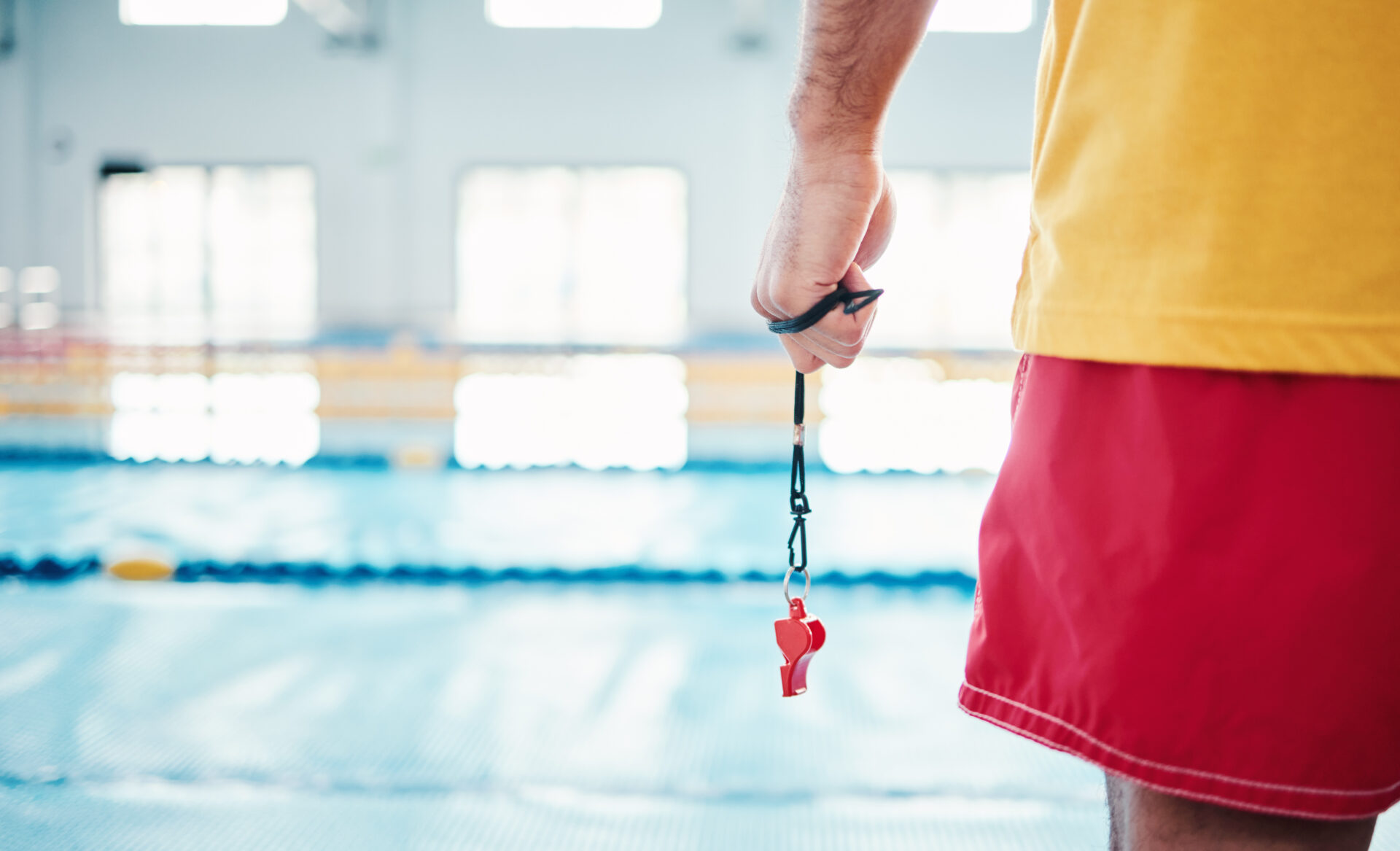
Rivers are surprisingly loud environments, with rushing water, wind, and distant rapids easily drowning out the human voice. If a tuber gets separated from the group or pinned against an obstacle, shouting for help is rarely effective over the roar of the water. A high-decibel emergency whistle is the simplest and most reliable way to signal for assistance over long distances.
The Storm Safety Whistle is widely recognized as one of the loudest whistles on the market, capable of being heard through brush, helmets, and over a mile away. It features a unique, patented harmonica-style chamber that allows it to be blown even when completely submerged under water. The impact-resistant thermoplastic housing ensures it won’t crack if slammed against a rock or stepped on during a hectic exit.
- Decibel Rating: Up to 120 decibels
- Usability: Works underwater and in extreme weather
- Attachment: Split ring for lanyard or PFD attachment
- Design: Double-chambered thermoplastic
Users must be careful not to blow this whistle directly next to someone’s ear, as the sheer volume can cause immediate hearing damage. This whistle is a non-negotiable safety item for every tuber, paddler, and boater on moving water. It is not suitable for those looking for a quiet, low-profile whistle for casual dog training or indoor sports.
Rescue Throw Bag – NRS Standard Rescue Throw Bag
When a fellow tuber gets separated from their tube and struggles in a strong current, swimming out to save them puts both people in extreme danger. A rescue throw bag allows a shore-bound or tube-bound rescuer to safely deliver a high-strength rescue line to a swimmer from a distance. It is the primary tool for executing swiftwater rescues without entering the hazard zone.
The NRS Standard Rescue Throw Bag features a durable Cordura bag that holds 75 feet of highly visible polypropylene rope. The bag has internal flotation, keeping it on the water’s surface so the swimmer can easily locate and grab it during a high-stress situation. A mesh panel on the bag allows for rapid draining and fast drying, preventing mildew and rope degradation between trips.
- Rope Length: 75 feet of 3/8″ polypropylene
- Tensile Strength: 1,900 lbs load capacity
- Visibility: Bright orange bag with reflective striping
- Rope Type: Floating polypropylene
Throwing a rescue bag requires practice; tubers should practice underhand throws in a park before heading out on the water to ensure accuracy. This throw bag is an essential tool for the designated safety leader of any tubing group tackling rivers with Class II rapids or higher. It is not necessary for slow-moving, shallow floatways where water depths rarely exceed knee height.
River Knife – Gerber River Shorty Blunt Tip Knife
Ropes, anchor lines, and tangled fishing line can quickly turn into deadly entanglement hazards in a swift river current. If a tube gets snagged on debris or a tuber becomes tangled in a line, a sharp knife is the only tool that can free them in seconds. A dedicated river knife must be easily accessible, highly secure in its sheath, and safe to use around inflatable tubes.
The Gerber River Shorty features a blunt tip design that prevents accidental punctures of your inflatable tube or your own skin during a tense rescue. Its 3-inch baked green corrosion-resistant blade has both fine and serrated edges, allowing it to cut through thick nylon webbing and slick polypropylene rope effortlessly. The glass-filled nylon sheath mounts directly to a PFD lash tab, ensuring the knife is always within arm’s reach.
- Blade Length: 3.0 inches
- Steel Type: 420HC stainless steel with excellent rust resistance
- Handle: Lightweight molded grip with finger grooves
- Sheath: Quick-release molded plastic with lash-tab clip
The knife must be rinsed with fresh water and completely dried after exposure to silt-laden river water to keep the locking mechanism smooth. This knife is designed specifically for river runners who wear a PFD with a lash tab and need a reliable utility blade. It is not suitable for camp kitchen duties or heavy wood carving due to its blunt tip and specialized serrated blade geometry.
Water-Resistant Sunscreen – Thinksport SPF 50+
Sunlight reflects off the water’s surface, doubling your UV exposure during a long, slow float down the river. A severe sunburn is not just uncomfortable; it can cause dehydration, heat exhaustion, and long-term skin damage during a multi-hour trip. A mineral-based, highly water-resistant sunscreen provides a physical barrier that stays active even when you are constantly getting splashed or swimming.
Thinksport SPF 50+ Sunscreen is a top-tier mineral sunscreen that relies on non-nano zinc oxide to block harmful UVA and UVB rays. Unlike chemical sunscreens that wash off easily and harm fragile freshwater ecosystems, this formula is highly biodegradable and reef-friendly. It boasts the highest level of water resistance allowed by the FDA, remaining active for up to 80 minutes in splashing water.
- Active Ingredient: 20% Zinc Oxide (non-nano)
- Water Resistance: 80 minutes of continuous water exposure
- Texture: Thick, non-greasy formula that absorbs cleanly
- Free Of: Parabens, phthalates, and chemical UV absorbers
Because it is a physical blocker, it must be rubbed in thoroughly to avoid a white cast, and it should be reapplied every two hours or after vigorous towel drying. This sunscreen is ideal for families and eco-conscious tubers who want maximum skin protection without introducing harsh chemicals into the river system. It is not for those who prefer quick-spray aerosol sunscreens that often wash away on contact with water.
How to Secure Safety Gear to Your River Tube
Simply bringing safety gear along is not enough; if your tube flips in a rapid, loose gear will quickly wash downstream. Every piece of equipment must be securely tethered to your tube using high-quality locking carabiners, heavy-duty utility straps, or integrated gear loops. Avoid using thin bungee cords, which can stretch, snap, or snag on low-hanging branches.
Position your gear strategically so that emergency items remain easily accessible without throwing off the balance of your tube. The dry bag and first aid kit should be clipped to the rear D-rings, while smaller items like the whistle and river knife must be mounted directly onto your PFD. Keep the rescue throw bag in an open, unzipped mesh pocket or secured at your feet where it can be grabbed and deployed in a single motion.
Identifying River Hazards Before You Launch
Safe river tubing begins long before your feet touch the water by thoroughly researching the specific stretch of river you plan to float. Check local water gauge heights and flow rates, as high water levels can create dangerous currents, while low levels lead to scraping on sharp rocks. Local park websites and paddling forums are invaluable resources for locating low-head dams, rapids, and known strainer locations.
Always plan your entry and exit points in advance, ensuring they are clearly marked and easy to navigate under pressure. Look out for river strainers—such as fallen trees, root balls, or bridge pilings—which can trap a tube against the force of the current. If you spot a hazard ahead that looks too challenging, do not hesitate to paddle to the shore and portage around it on foot.
Cleaning and Storing Water Gear After the Trip
River water is loaded with silt, algae, bacteria, and minerals that can degrade safety gear over time if left untreated. Upon returning home, rinse every piece of equipment—including PFDs, water shoes, knives, and dry bags—with clean, fresh tap water. Use a mild, biodegradable soap to scrub away stubborn river mud and organic matter that can cause foul odors.
Hang all gear to dry completely in a well-ventilated area out of direct sunlight, as UV rays can weaken fabrics and degrade rubber components over time. Store your dry bags unzipped and your PFDs on hangers in a cool, dry place to prevent mold and mildew growth. Regularly inspect the metal components on knives and carabiners, applying a light coat of marine-grade silicone spray to keep them working smoothly.
Conclusion
Safe river tubing is all about balancing relaxation with active preparation. By equipping yourself with specialized, high-performance gear and understanding the flow of the river, you ensure that every trip ends with good memories rather than a rescue call. Pack smart, secure your gear, and enjoy the water with confidence.