
9 Essential Safety Gear Items for Solo Paddleboarding on Open Lakes
Stay safe on your solo lake adventures with these 9 essential safety gear items for paddleboarding. Read our expert guide and prepare for your next trip today.
Standing alone on a vast lake with nothing but a paddle and a board is one of the most liberating experiences a water enthusiast can have. However, open lakes are deceptive environments where a calm, glassy surface can transform into a choppy, wind-whipped hazard in minutes. Equipping yourself with the right safety gear ensures that a sudden change in conditions remains a manageable adventure rather than a life-threatening emergency.
Disclosure: As an Amazon Associate, this site earns from qualifying purchases. Thank you!
Understanding the Unique Risks of Solo Lake Paddling
Lakes often project a false sense of security compared to the ocean, but they present highly specific dangers to solo paddleboarders. Because lakes lack tide cycles, paddlers often underestimate how quickly thermal winds, sudden squalls, and deep boat wakes can build. Without a paddling partner to assist you or keep eyes on your location, a simple fall into cold water can quickly separate you from your board and leave you stranded far from shore.
Hypothermia and physical exhaustion are silent threats on inland waters. Deep lakes remain surprisingly cold even during the heat of mid-summer, which can cause sudden cold shock if you plunge in unexpectedly. If an offshore wind picks up, paddling against a headwind back to your launch point can drain your energy reserves faster than you anticipate, leaving you stranded in open water.
Safety when solo paddling relies entirely on self-rescue capability and reliable communication. Since there is no backup paddler to retrieve a runaway board or call for help, your gear serves as your only lifeline. Every item on your board must be intentionally chosen, highly reliable, and easily accessible while floating in the water.
Life Jacket – Onyx MoveVent Dynamic Life Vest
A life jacket is the single most critical piece of safety gear, but it only works if you are actually wearing it. On a paddleboard, standard boating life jackets restrict your shoulder movement and chafe against your torso, leading many paddlers to strap them to the deck. This is a dangerous mistake, as a life vest strapped to your board is useless if a sudden fall separates you from your vessel.
The Onyx MoveVent Dynamic Life Vest solves this issue with its sculpted design and high-back construction. It features large, open armholes that allow a full paddling stroke without friction, and the lower back mesh accommodates high-back seats or clears your waistline while standing. The flotation foam is soft, contoured, and highly breathable, keeping you cool on hot mid-summer days.
- USCG Rating: Type III
- Material: 200 denier nylon outer shell
- Sizes: XS/SM, M/L, XL/2XL
- Key Feature: High-back mesh ventilation and expandable zippered pocket
When buying the MoveVent, pay close attention to the chest sizing chart rather than your standard t-shirt size to ensure a snug, non-ride-up fit. It includes a zippered pocket for small essentials and a heavy-duty lash tab for attaching a safety knife or light. This vest is perfect for active lake paddlers who prioritize mobility and ventilation, but it is not ideal for those who prefer the minimalist feel of inflatable belt packs.
Coiled Leash – Dakine Kainui Coiled 10-Foot Leash
Your paddleboard is your primary flotation device; if you fall off in a breeze, the board will quickly blow away faster than you can swim. A leash keeps you permanently connected to your board, transforming a potentially fatal swim into a simple climb back on deck. On flat water or open lakes, a coiled leash is mandatory to prevent the cord from dragging in the water and catching on weeds or lake debris.
The Dakine Kainui Coiled 10-Foot Leash is built with heavy-duty 5/16-inch (8mm) urethane cord that strikes the perfect balance between strength and recoil elasticity. The double-swivel design prevents the leash from tangling around your ankles, while the plush neoprene ankle cuff ensures all-day comfort without chafing. It stretches out when you fall but snaps back to keep the board close without causing a violent, dangerous rebound.
- Cord Diameter: 5/16-inch (8mm)
- Ankle Cuff: 1.5-inch molded neoprene
- Swivels: Marine-grade stainless steel
- Best Use: Flatwater, touring, and open-lake paddling
Regularly inspect the velcro closure and the swivel joints for sand or grit that can degrade the connection over time. To attach it, loop the rail saver through your board’s leash plug securely, ensuring the cord is short enough that the thick rail saver protects your board’s tail from damage. This leash is excellent for flatwater, touring, and open-lake solo paddlers, but it is not designed for fast-moving river paddling where a quick-release waist leash is required.
Waterproof Case – JOTO Universal Waterproof Pouch
A smartphone is your primary communication tool for checking weather updates, tracking your GPS location, or calling for assistance, but it is useless if it gets wet or sinks. A dedicated waterproof pouch keeps your phone dry, functional, and attached to your body. This ensures you can make emergency calls even while floating in deep water.
The JOTO Universal Waterproof Pouch offers absolute protection with a simple, secure snap-and-lock seal that keeps water out up to 100 feet deep. The clear windows on both sides allow full touch-screen functionality, letting you text, call, or use GPS tracking without removing the phone from the case. The included neck lanyard keeps your phone securely anchored to your body or life jacket.
- Waterproof Rating: IPX8 (up to 100 feet)
- Compatibility: Fits smartphones up to 7.0 inches diagonally
- Material: Premium TPU with dual-sided transparent windows
- Included Accessory: Adjustable neck lanyard
Always perform a simple paper towel test at home before your first use to ensure the seal has no manufacturing defects. Avoid stuffing keys or sharp items inside with your phone, as they can puncture the clear plastic window and ruin the waterproof barrier. This pouch is ideal for budget-conscious solo paddlers who want reliable protection for standard-sized phones, but it is not suitable for thick, ruggedized phone cases that exceed the maximum internal dimensions.
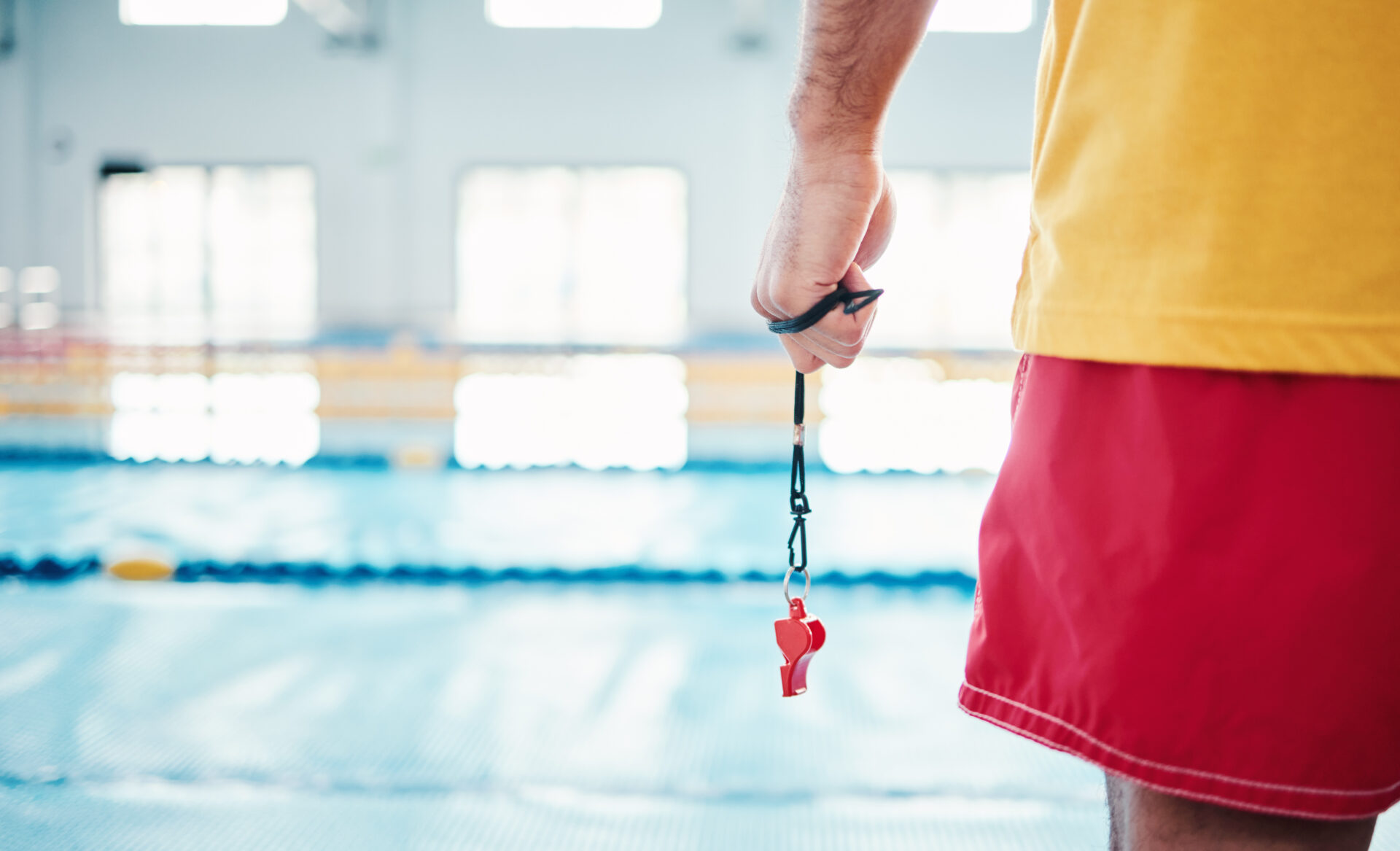
Safety Whistle – Storm All-Weather Safety Whistle
On open water, your voice carries poorly against the wind, and shouting will quickly exhaust you. A high-decibel safety whistle is the most effective way to alert passing boaters or shore-based rescuers to your location. This is especially critical in low-visibility situations like thick lake fog or heavy rain.
The Storm All-Weather Safety Whistle is widely recognized as one of the loudest whistles in the world, capable of being heard over a mile away on open water. It features a unique patented design that allows it to work even when completely submerged, purging itself of water instantly when blown. Its bright orange housing is easy to spot in an emergency, and the high-impact plastic construction withstands harsh sun and freshwater exposure.
- Decibel Output: Up to 120 dB
- Design: Pealess (won’t clog, freeze, or fail)
- Material: High-impact thermoplastic
- Attachment: Split ring and lanyard hole
Securely attach the whistle to your life jacket’s shoulder strap or zipper pull so it is always within reach of your mouth. Practice blowing it with a quick, sharp burst to familiarize yourself with its volume, but wear ear protection during testing to prevent hearing damage. This whistle is a must-have safety tool for every solo lake paddler, but it should not be used as a toy in crowded swimming zones where false alarms can disrupt local emergency services.
Locator Beacon – ACR ResQLink 400 Personal Beacon
When paddling on massive lakes with limited cell coverage, a standard mobile phone may fail to find a signal. A Personal Locator Beacon (PLB) is your ultimate safety insurance policy, sending a direct distress signal to search and rescue satellites. This pinpoints your exact coordinates anywhere on Earth, regardless of local cell towers.
The ACR ResQLink 400 Personal Beacon is a rugged, buoyant PLB that requires no paid subscription to operate. It utilizes GPS, Galileo, and Glonass receivers to transmit your location with extreme accuracy, while a built-in infrared strobe light helps search crews spot you in pitch darkness. The unit features a multi-function clip system, making it easy to secure directly to your life jacket straps.
- Battery Life: 5-year storage life, 24+ hours operational life
- Signal: 406 MHz satellite distress and 121.5 MHz homing signal
- Weight: 5.2 oz (148 g)
- Key Feature: No subscription required, built-in buoyancy
You must register the PLB with the NOAA (or your local national authority) upon purchase to ensure search and rescue teams have your emergency contact details. Remember that this is a life-saving device meant solely for true, life-threatening emergencies, not for minor inconveniences. This beacon is indispensable for solo paddlers exploring remote lakes or massive bodies of water like the Great Lakes, but it is unnecessary overkill for small, heavily patrolled state park lakes.
Hydration Pack – CamelBak Octane Dart Reservoir
Dehydration leads to cramping, confusion, and muscle fatigue, all of which are dangerous when you are the sole engine of your vessel. Bent over a paddle, reaching down to a water bottle on the deck can disrupt your balance, whereas a wearable hydration pack keeps fresh water easily accessible with a quick sip.
The CamelBak Octane Dart Reservoir features a minimalist, low-profile design that sits high on your back, preventing it from interfering with your life jacket or paddling motion. It holds 1.5 liters of water in a secure Crux reservoir, which delivers 20% more water per sip than standard valves. The front harness features zippered pockets for quick-access energy gels or keys, and the breathable mesh back panel minimizes sweating on hot days.
- Fluid Capacity: 1.5 Liters (50 oz)
- Cargo Capacity: 0.5 Liters
- Weight: 7 oz (empty)
- Material: 70D Nylon Ripstop
Always wash and dry the reservoir thoroughly after each paddle to prevent mold and mildew growth. Ensure the tube is routed over your shoulder and clipped into the harness magnet to keep it from swinging and hitting your face while you paddle. This pack is perfect for endurance paddlers and hot-weather solo boarders who want a lightweight, ergonomic way to stay hydrated, but it is not suited for multi-day touring trips that require carrying large amounts of gear.
Safety Strobe – ACR Firefly PRO Emergency Strobe
A sudden weather front can push you off course and delay your return until after sunset. If you are stranded or paddling in low-light conditions, motorized watercraft cannot see a low-profile paddleboarder without an active light source, creating a severe collision risk.
The ACR Firefly PRO Emergency Strobe is a Coast Guard-approved rescue light that emits an incredibly bright, 360-degree white flash visible for over three miles. With its high-intensity LED, it can run continuously for over 56 hours on a single set of AA batteries. Its waterproof, buoyant housing is built to take a beating, and it includes both a steady-on mode and an SOS strobe function.
- Light Output: 300 Lumens (peak)
- Battery Type: 2 AA Alkaline or Lithium
- Waterproof Rating: Submersible up to 33 feet (10 m)
- Run Time: 56+ hours (strobe), 28+ hours (continuous)
Always mount the strobe to the highest point of your life jacket or shoulder strap using the integrated lash loops. Check the battery charge before every solo launch, and store the unit with the batteries removed if you plan to store it for the winter. This safety light is an absolute necessity for solo paddlers who launch at dawn, paddle at dusk, or explore shipping channels on large lakes, but it is not intended to be used as a primary navigation headlight to illuminate your path.
Dry Bag – Sea to Summit Big River Heavy Duty Bag
Solo lake trips require carrying extra layers of dry clothing, food, and electronics that must remain dry to be useful. If your board flips, loose gear can sink or become waterlogged, leaving you cold and without dry supplies when you finally reach shore.
The Sea to Summit Big River Heavy Duty Bag is built from rugged, abrasion-resistant 420D nylon fabric that can handle being dragged across rocky lake shores and strapped tightly to deck bungees. The waterproof TPU lamination and roll-top closure keep your gear completely dry even during temporary submersion. It features heavy-duty lash loops that let you securely tether the bag to your board’s D-rings, ensuring it stays with your vessel in a capsize.
- Material: 420D Nylon with TPU laminate
- Base Type: Oval (resists rolling on deck)
- Sizes Available: 5L to 65L
- Waterproofness: Roll-top click closure with reinforced stitching
To achieve a reliable waterproof seal, roll the top collar down at least three full times before buckling it shut. Avoid overfilling the bag, as leaving some air space inside allows the bag to float if it accidentally falls overboard. This dry bag is ideal for wilderness paddlers who need a bombproof, highly secure storage solution for rough lake waters, but it is not suitable for paddlers looking for a lightweight, ultra-packable dry bag to fit inside tight dry hatches.
First Aid Kit – Adventure Medical Kits Ultralight .5
Scrapes from dock splinters, cuts from zebra mussels, and stings from lake insects can quickly ruin a solo paddle. A compact first aid kit allows you to treat minor injuries on the water before they become infected or affect your ability to paddle back safely.
The Adventure Medical Kits Ultralight .5 is designed specifically for fast-and-light solo outdoor adventures. It comes housed in a dual-stage waterproof system: an outer silnylon bag and an inner DryFlex waterproof bag that keeps your medical supplies bone-dry even in a downpour. The kit contains high-quality wound care supplies, blister prevention tools, and essential medications, all packed into a featherlight, palm-sized package.
- Weight: 3.68 oz (104 g)
- Dimensions: 6.5″ x 5″ x 1″
- Group Size/Duration: 1 person / 1-2 days
- Key Feature: Double waterproof construction (DryFlex)
Before your first launch, open the kit to familiarize yourself with its contents and add any personal medications or extra antiseptic wipes you may need. Replace any expired medications or used bandages annually to ensure the kit remains fully stocked and functional. This kit is the perfect safety addition for solo paddlers who want a lightweight, waterproof first aid solution that fits easily into a dry bag or PFD pocket, but it is not designed to treat severe trauma or manage emergencies for large groups.
How to Read Lake Wind and Weather Before Launching
Unlike oceans with predictable tides, lakes are heavily influenced by local topography, creating microclimates that can catch a solo paddler off guard. Before you load your board, check dedicated wind forecasting apps rather than standard weather reports, paying close attention to gust speeds and wind direction. A gentle 5 mph breeze at the launch site can easily escalate into a grueling 15 mph headwind on the open water.
Always identify whether the wind is blowing onshore (toward the land) or offshore (away from the land). An offshore wind is particularly deceptive because the water near the shore looks calm and inviting, but as you paddle out, the wind will push you away from safety, making the return trip incredibly difficult. As a general rule for solo paddling, always start your journey by paddling into the wind, so that you have the wind at your back to assist you when you are tired on the return leg.
Keep a close eye on the sky while on the water. Rapidly dropping temperatures, a sudden shift in wind direction, or towering cumulus clouds are clear indicators of an approaching storm front. If you notice whitecaps forming on the open lake, it is time to head to the nearest shoreline immediately, as waves can quickly swamp a paddleboard and make standing nearly impossible.
Caring for Your Safety Gear After a Long Lake Paddle
Although freshwater is less corrosive than saltwater, lake water contains organic matter, algae, and microscopic organisms that can degrade your gear if left unchecked. After every paddle, rinse your life jacket, leash, and dry bags with clean, fresh tap water to remove any film or residue. This simple step prevents the growth of mold and mildew, which can weaken fabric fibers and create unpleasant odors.
Hang your life jacket and dry bags to dry in a shaded, well-ventilated area away from direct sunlight, as UV rays can degrade synthetic fabrics and fade safety colors over time. Avoid storing your safety gear in hot car trunks or damp gear bins while still wet, as this promotes rot and can ruin the adhesive seals on waterproof items like phone cases and first aid kits.
Periodically inspect your mechanical gear to ensure it remains in top working order. Rinse the swivel joints of your coiled leash and apply a drop of silicone lubricant if they feel stiff, and check the batteries in your safety strobe and locator beacon. Taking a few minutes to care for your gear after each trip ensures that your safety equipment will function flawlessly when you need it most.
Conclusion
Equipping yourself with the right safety gear transforms solo lake paddleboarding from a risky gamble into a safe, deeply rewarding passion. By investing in high-quality equipment and understanding how to read the water, you can explore the tranquil beauty of open lakes with complete confidence. Stay safe, respect the water, and enjoy the solitude of the open lake.


