8 Essential Freediving Gear and Skin Protection Picks for Beginners
Gear up for your first underwater adventure with our 8 essential freediving gear and skin protection picks. Read our expert guide and start diving safely today!
Floating at the surface, you take one last deep breath and let the quiet of the ocean envelope you as you begin your descent. For a beginning freediver, those first few vertical feet beneath the waves represent a massive shift in environment, pressure, and physical sensation. Having the correct gear on your body transforms what could be a stressful struggle into a calm, controlled, and deeply rewarding underwater flight.
Disclosure: As an Amazon Associate, this site earns from qualifying purchases. Thank you!
Why Proper Gear Matters for Your First Deep Breath
Freediving is entirely different from snorkeling or scuba diving because your supply of air is limited to what your lungs can hold. Every movement you make under the water consumes precious oxygen, meaning efficiency is the difference between a relaxing dive and a panicked ascent. The right gear acts as an extension of your body, minimizing drag and maximizing the return on every single kick.
When you are learning to suppress the urge to breathe, you cannot afford to waste energy fighting ill-fitting equipment. Standard recreational snorkeling gear is often too bulky, trapping unnecessary air or slipping out of position when you face downward. Investing in dedicated, streamlined gear ensures that your focus remains entirely on relaxation and equalization rather than gear adjustments.
Understanding the Unique Demands of Freediving
At depth, water pressure increases rapidly, compressing any air pockets trapped inside your equipment. This pressure affects your lungs, your ears, and even the airspace inside your mask, requiring specialized gear designed to handle compression. Freediving equipment focuses on minimizing air volume and maximizing streamlining to combat these forces.
Water also absorbs body heat 25 times faster than air, making thermal protection essential even in seemingly warm tropical waters. Shivering destroys your breath-hold capability by burning oxygen at an accelerated rate. By choosing gear designed specifically for the physics of breath-hold diving, you protect your body from the cold and ensure smooth pressure equalization as you descend.
Low-Volume Mask – Cressi Nano Freediving Mask
A mask provides the air pocket that allows your eyes to focus underwater, but that same air pocket must be equalized as you dive deeper. Standard scuba masks hold a large volume of air, requiring you to exhale valuable breath through your nose just to keep the mask from squeezing your face. A dedicated low-volume mask reduces this airspace to the bare minimum, saving your breath for the dive itself.
The Cressi Nano Freediving Mask excels in this category due to its ultra-low internal volume and hydrodynamic, compact shape. Its skirt is made of high-grade hypoallergenic silicone that molds tightly to various face shapes, preventing leaks while minimizing drag. The dual-tempered glass lenses are positioned incredibly close to the eyes, which dramatically improves your peripheral vision despite the small frame size.
Before buying, understand that low-volume masks sit much closer to the face than standard masks, meaning the frame may press against the bridge of some noses. Try the mask on dry first, inhaling slightly through your nose without the strap to check for a natural, airtight seal.
- Lenses: Dual tempered glass
- Skirt Material: Hypoallergenic liquid silicone
- Best For: Divers with narrow to medium faces seeking minimal equalization effort
- Not Ideal For: Divers with very wide faces or prominent brow ridges
This mask is the perfect match for the beginner who wants to focus on mastering equalization without wasting air. It is not suitable for casual surface snorkelers who prefer a wide, panoramic view and do not plan on diving below the surface.
Simple J-Style Snorkel – Omer Zoom Snorkel
A snorkel allows you to breathe comfortably while floating face-down on the surface, preparing your mind and body for the next dive. While scuba snorkelers love purge valves and splash guards, freedivers need the exact opposite. Any extra valves, clips, or corrugated tubes create massive drag, catch on kelp, and trap air bubbles that can scare away marine life.
The Omer Zoom Snorkel embraces a minimalist J-style design that keeps things completely functional and streamlined. The tube is constructed from flexible, durable polycarbonate that bends when colliding with rocks or reef, preventing the mask from being pulled off your face. Its ergonomic silicone mouthpiece sits naturally in the jaw, reducing fatigue during long surface recovery intervals.
This snorkel does not feature dry-top valves, meaning it will fill with water when you submerge. Beginners must learn to spit the snorkel out of their mouth before descending and clear it with a sharp puff of air upon surfacing.
- Tube Type: Semi-flexible J-bend
- Mouthpiece: Hypoallergenic liquid silicone
- Best For: Purists prioritizing low drag and secure mask attachment
- Not Ideal For: Casual snorkelers who panic when water enters the tube
Choose this snorkel if you want a reliable, uncluttered tool that disappears from your awareness during a dive. Avoid it if you lack the confidence to clear a flooded snorkel manually when you return to the surface.
Long Blade Fins – Mares Razor Pro Freediving Fins
Standard swim fins do not provide the leverage needed to push your body vertically through the dense water column. Freediving fins feature exceptionally long, flexible blades that act as giant springs, storing energy during the kick and releasing it at the tip. This allows you to cover more distance with fewer kicks, keeping your heart rate low and conserving oxygen.
The Mares Razor Pro Freediving Fins are the industry benchmark for entry-level performance and durability. Featuring a high-quality technopolymer blade, they offer a forgiving flex pattern that protects untrained calf muscles from cramping while providing excellent thrust. The foot pocket is highly regarded for its comfortable, dual-thickness rubber composition that wraps securely around the heel.
Sizing long fins can be tricky because they are designed to be worn with thin neoprene socks to prevent blisters. It is wise to size up slightly if you plan to wear 3mm or thicker socks for thermal protection.
- Blade Material: High-performance technopolymer
- Foot Pocket: Dual-density rubber, interchangeable blades
- Best For: Beginners building leg strength and technique
- Not Ideal For: Tight luggage travel or shallow rocky entries
These fins are perfect for the new diver who wants maximum propulsion without spending a fortune on delicate carbon fiber. They are not recommended for those who only dive in shallow, rocky tidal pools where the long blades will constantly scrape the bottom.
Neoprene Wetsuit – Cressi Apnea 3.5mm Wetsuit
A wetsuit does more than keep you warm; it protects your skin from stinging marine life, sharp rocks, and sunburn. Standard surfing suits do not cut it because their neoprene compresses easily at depth, losing both buoyancy and warmth. Freediving wetsuits utilize specialized, high-density neoprene that resists compression and fits like a second skin to prevent water movement.
The Cressi Apnea 3.5mm Wetsuit is a two-piece open-cell suit that offers unparalleled warmth and mobility for beginners. By eliminating zippers, it stops cold water from seeping inside, while the high-waist pants and hooded jacket design ensure total body coverage. The outer lining is durable nylon, while the inner open-cell neoprene grips the skin to minimize water circulation.
Open-cell neoprene requires a lubricant (like a mixture of water and baby shampoo) to put on; attempting to force it on dry will tear the delicate material. Careful rinsing and air-drying inside out are mandatory to keep the interior clean and odor-free.
- Thickness: 3.5mm (ideal for temperate to warm waters)
- Material: Open-cell interior, nylon exterior lining
- Best For: Maximum warmth, flexibility, and wind protection on the boat
- Not Ideal For: Quick, dry changes without lube or assistance
This suit is ideal for the dedicated beginner who wants to extend their dive sessions from thirty minutes to several hours. It is not suitable for casual beachgoers who want a quick, easy suit to slip into without using lubrication.
Rubber Weight Belt – Omer Marseillaise Weight Belt
Because neoprene is highly buoyant, you need lead weights to help you descend through the first ten to fifteen feet of water. However, as you dive, the water pressure compresses your wetsuit, causing your body to shrink slightly in volume and making a standard nylon belt slip up to your chest. A rubber belt stretches to accommodate this compression, staying firmly on your hips throughout the dive.
The Omer Marseillaise Weight Belt is crafted from heavy-duty, highly elastic rubber that clings to your wetsuit without slipping. It features a classic roller-buckle design that allows for instant, one-handed emergency release if you need to ditch your weights quickly. The flexible rubber also moves with your belly as you take deep diaphragmatic breaths on the surface, preventing restriction.
Threading weights onto a rubber belt requires patience, as the high-friction rubber resists the lead blocks. Use a small amount of soapy water to slide the weights into position, and ensure they are balanced evenly on your hips.
- Material: Heavy-duty vulcanized rubber
- Buckle: Marseillaise quick-release stainless steel roller
- Best For: Maintaining position during descent; safe, fast release
- Not Ideal For: Scuba divers who prefer pocketed weight systems
This belt is an absolute safety essential for any freediver using a wetsuit of any thickness. It is not designed for casual swimmers who are not wearing a wetsuit, as the weight is unnecessary and dangerous without natural neoprene buoyancy.
Dive Computer – Suunto D4i Novo Diving Watch
Monitoring your dive time, depth, and surface recovery intervals is critical for preventing decompression sickness and blackouts. Relying on guesswork underwater is dangerous, as your perception of time warps when you are relaxed. A dedicated dive computer tracks every second you spend submerged, providing real-world data to keep you within safe limits.
The Suunto D4i Novo Diving Watch features a dedicated freedive mode that tracks depth, dive duration, and surface recovery time with extreme accuracy. The lightweight, low-profile design fits comfortably on slim wrists and can double as a daily timepiece. Its clear, easy-to-read screen displays critical metrics in real-time, and the built-in alarms can be programmed to beep at specific depth intervals.
Setting up the watch requires reading the manual thoroughly to configure the surface-interval alarms correctly. Remember that a dive computer is a tool for tracking data, not a replacement for a trained dive buddy who keeps eyes on you.
- Modes: Free, Air, Nitrox, Gauge, Off
- Casing: Lightweight composite with silicone strap
- Best For: Tracking surface recovery times and depth progression
- Not Ideal For: Budgets looking for basic, single-function depth gauges
This computer is perfect for the serious beginner who wants to track their physiological recovery times scientifically. It is not necessary for someone who only swims in shallow pools or never dives past ten feet.
Mineral Sunscreen – Stream2Sea EcoSport Sunscreen SPF 30
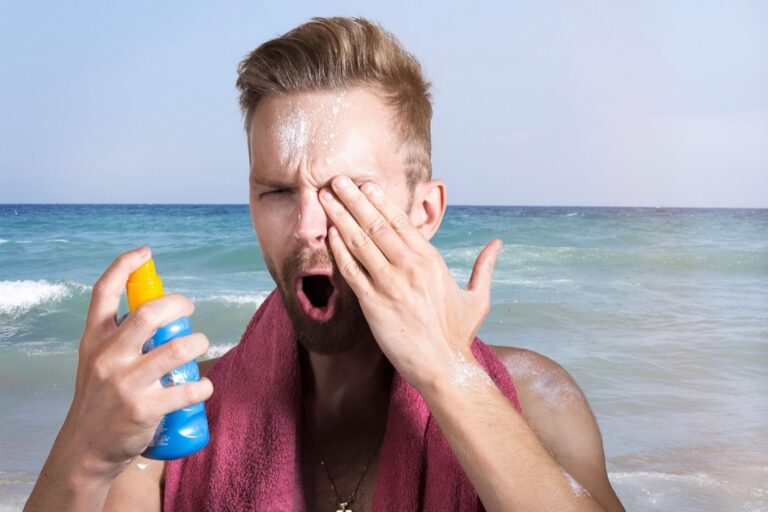
When freediving, you spend a massive amount of time floating face-down on the surface, exposing the back of your neck, ears, and legs to intense UV radiation. Chemical sunscreens contain ingredients like oxybenzone that wash off into the water, bleaching sensitive coral reefs and harming marine life. A reef-safe mineral sunscreen provides physical protection without damaging the aquatic environment you are exploring.
The Stream2Sea EcoSport Sunscreen SPF 30 is one of the few sunscreens rigorously tested and proven safe for both fresh and saltwater ecosystems. Its non-greasy, biodegradable formula uses non-nano zinc oxide to block both UVA and UVB rays effectively. It is highly water-resistant, staying on through long ocean sessions without stinging your eyes when you sweat or clear your mask.
Mineral sunscreens are thick and require you to rub them in thoroughly to avoid a white cast on your skin. Apply it at least 20 minutes before getting wet to allow the physical barrier to bond with your skin.
- Active Ingredient: 10% Non-nano zinc oxide
- Eco-Credentials: Protect Land + Sea certified, biodegradable
- Best For: Ocean divers wanting verified reef-safe sun protection
- Not Ideal For: Divers who demand invisible, instant-absorbing chemical sprays
This sunscreen is a must-have for any ecologically conscious diver who wants to protect their skin and the ocean simultaneously. It is not ideal for those who refuse to spend a little extra time rubbing in a physical mineral barrier.
UV Rash Guard – O’Neill Basic Skins Long Sleeve Crew
When diving in warm water where a 3mm neoprene suit is too hot, a high-quality rash guard is your primary defense against the sun and stinging jellyfish. Even on overcast days, water reflects UV rays, multiplying your exposure while you float at the surface. A long-sleeve rash guard eliminates the need to constantly reapply sunscreen over your entire upper body.
The O’Neill Basic Skins Long Sleeve Crew offers UPF 50+ sun protection wrapped in a highly durable, quick-drying polyester/spandex blend. The ergonomic, flatlock seams are strategically placed to prevent underarm chafing during continuous swimming. Its tight, performance fit hugs the torso to reduce drag, preventing the fabric from riding up or bagging in the water.
Rash guards are designed to fit skin-tight to minimize water drag; if you prefer a loose, casual fit for beachwear, size up once or twice. Wash it in fresh water after every session to preserve the elasticity of the spandex fibers.
- Material: 6-ounce polyester/spandex four-way stretch
- Sun Protection: UPF 50+ (blocks 98% of UV rays)
- Best For: Warm-water diving, layer protection, and wind shield on the boat
- Not Ideal For: Cold-water thermal insulation
This rash guard is an excellent choice for warm-water divers who want simple, reliable protection against UV rays and sea lice. It is not designed to replace a neoprene wetsuit in cooler waters where hypothermia is a risk.
How to Safely Weight Yourself for Neutral Buoyancy
Finding the correct amount of lead weight is one of the most critical safety steps in freediving. If you wear too much weight, you will struggle to return to the surface, especially during the final, most dangerous phase of the ascent. The golden rule of weighting is to ensure you are neutrally buoyant at 10 meters (33 feet) of depth.
To test this, enter the water with your buddy while wearing all your gear, including your wetsuit and weight belt. Float vertically in deep water without kicking, take a normal breath, and check where the water level rests on your face. You should float effortlessly at eye level; if you sink below the surface after a normal exhale, you are carrying too much weight.
Once in the water, perform a dive to ten meters, stop kicking, and observe your body. You should hover in place without sinking or floating upward. If you begin to sink rapidly at this depth, remove one to two pounds of lead and repeat the test until you achieve perfect neutral buoyancy.
How to Care for Your Freediving Gear After the Dive
Saltwater, chlorine, and UV rays are incredibly destructive to dive gear, breaking down rubber, fading silicone, and corroding metal components over time. Developing a strict post-dive maintenance routine is the easiest way to protect your investment and ensure your gear remains safe to use. Always rinse every piece of equipment thoroughly in clean, fresh water as soon as you exit the water.
Pay special attention to your mask, snorkel, and computer, soaking them in a tub of fresh water to dissolve salt crystals hiding in the crevices. Avoid drying your gear in direct sunlight, as UV rays accelerate the aging of silicone and degrade the flexibility of neoprene wetsuits. Instead, hang your wetsuit on a thick, padded hanger in a well-ventilated, shaded area inside out.
Store your long fins flat rather than standing them on their tips, which can permanently warp the plastic or carbon blades over time. Once completely dry, store all your gear in a cool, dry place away from direct heat sources or exhaust fumes, which can degrade rubber compounds.
Equipping yourself with the right gear is the first step toward unlocking the silent, weightless world of freediving. By prioritizing low-volume masks, streamlined accessories, and high-quality exposure protection, you lay the foundation for safe and comfortable progression. Respect your equipment, always dive with a certified buddy, and enjoy the quiet magic of the depths.