9 Essential Gear Picks for Shoulder Season Paddle Boarding
Stay warm and safe with our 9 essential gear picks for shoulder season paddle boarding. Upgrade your setup and extend your time on the water today. Read more here.
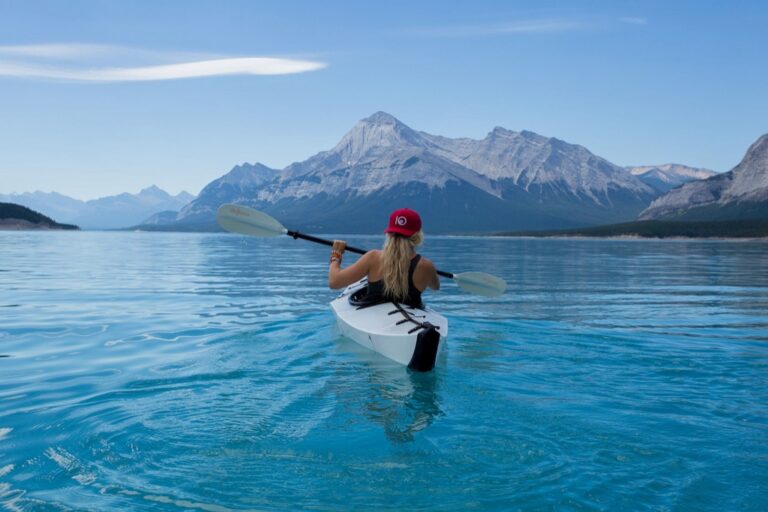
Autumn and spring bring glassy waters and crowd-free shores, making shoulder season paddle boarding incredibly appealing. However, these crisp days also bring a hidden danger: warm air temperatures that mask bone-chilling water underneath. Stepping onto a paddle board during these transitional months requires a deliberate shift in safety margins and equipment choice.
Disclosure: As an Amazon Associate, this site earns from qualifying purchases. Thank you!
Why Shoulder Season Paddling Demands Specialized Gear
Shoulder season paddling offers stunning, serene vistas, but it presents a unique thermodynamic challenge. While the afternoon sun might feel like late spring, the water temperature still clings to winter’s deep freeze. Falling into 50-degree water without thermal protection triggers an immediate cold-shock response, which can incapacitate even strong swimmers in minutes.
Normal summer wear like boardshorts and rash guards are dangerously inadequate when air and water temperatures plunge. Specialized gear bridges this safety gap by keeping paddlers warm, dry, and visible. Wind patterns also shift rapidly during these seasonal transitions, making self-rescue capability and reliable communication systems absolutely non-negotiable.
Dry Suit – Kokatat Hydrus Swift Entry Dry Suit
When paddling in cold water, immersion protection is the single most important safety decision. Unlike wet suits, which trap a thin layer of water warmed by the body, a dry suit keeps the paddler completely dry. This air barrier allows for custom layering underneath, ensuring warmth both during active paddling and in the event of an unexpected swim.
The Kokatat Hydrus Swift Entry Dry Suit stands out because it utilizes Hydrus 3L fabric, a highly breathable three-layer material that prevents sweat buildup while sealing out external moisture. The front-entry zipper design allows for self-donning without needing a partner to zip the suit shut. Built-in fabric socks keep feet dry, eliminating one of the most common cold-weather discomforts.
Before purchasing, note that latex neck and wrist gaskets require a snug fit to remain waterproof, which can feel restrictive at first. Gaskets can be carefully trimmed to fit, but over-trimming ruins the waterproof seal. This suit is ideal for dedicated paddlers navigating cold northern lakes or coastal estuaries, but it is likely overkill for those who only paddle in sheltered, shallow waters on mild spring afternoons.
- Fabric: Hydrus 3-layer breathable nylon
- Entry: Front zipper with a nylon drop seat or relief zipper option
- Best for: High-exposure cold water paddling
Neoprene Boots – NRS Boundary Wetshoe Boots
Launching a paddle board almost always requires stepping into shallow water, which is a miserable experience in cold weather without the right footwear. Standard water shoes leave feet wet and vulnerable to wind chill, rapidly draining body heat. Thick, waterproof boots protect feet during launches and provide insulation while standing on a cold board deck.
The NRS Boundary Wetshoe Boots are engineered specifically for cold, wet transitions. Constructed from 5mm neoprene with a fleece-like VaporLoft lining, these boots keep feet remarkably warm. The high-top design extends up the calf, while the durable, high-traction sole protects against sharp river rocks and slippery boat ramps.
Crucially, these boots feature fully taped and glued seams, meaning water stays out even when wading up to the calves. When sizing, buy one size larger if planning to wear them over the thick fabric socks of a dry suit. These boots are perfect for paddlers navigating muddy, rocky shores, but they might feel too bulky for those who prioritize a minimal, high-sensitivity board feel.
- Thickness: 5mm neoprene
- Shaft Height: Approx. 15 inches
- Sole: 2mm plastic shim with high-traction outsole
PFD Life Jacket – Astral BlueJacket Life Vest
A life jacket is mandatory gear, but cold-weather paddling demands a vest that accommodates bulky layers without restricting the paddling stroke. Cold water quickly zaps physical strength, making manual swimming incredibly difficult. A high-quality PFD keeps the torso insulated while providing the necessary buoyancy to keep the head above water during a fall.
The Astral BlueJacket Life Vest excels here by combining a low-profile, high-mobility design with serious rescue capability. Its two-panel construction allows the foam jacket to move dynamically with the torso, preventing the vest from riding up while paddling. The large front zippered pocket offers quick access to safety essentials like whistles or a rescue knife.
Keep in mind that adjusting this PFD requires tuning the side straps to fit snugly over a dry suit without pinching. The side-entry buckle system can take a few tries to master with cold fingers, so practice adjusting it before launching. This vest is ideal for touring and river paddlers who need maximum mobility, but it is not intended for high-speed motorized sports.
- Buoyancy: 15.5 lbs
- Shell Material: 200 x 400 Denier Ripstop Nylon
- Sizes: S/M, M/L, L/XL
Deck Bag – Sea to Summit TPU Guide Deck Bag
When paddling in the shoulder season, essential gear like a phone, dry gloves, and snacks must be easily reachable without destabilizing the board. Fumbling with a loose dry bag stowed under bungee cords increases the risk of capsizing. A dedicated deck bag mounts securely to the nose of the board, keeping safety gear dry and immediately accessible.
The Sea to Summit TPU Guide Deck Bag utilizes a sleek, low-profile design that minimizes wind resistance on choppy water. Built from tough, abrasion-resistant TPU, it features a roll-top closure that keeps water out even during heavy spray or wash. The clear TPU window on top allows the paddler to view maps or check navigation apps without exposing electronics to the elements.
Before purchasing, ensure the paddle board has integrated deck D-rings or robust bungee rigging to anchor the bag properly. This bag is an excellent fit for touring paddlers who need instant access to safety gear, but it may be unnecessarily complex for short, 20-minute flatwater paddles close to shore.
- Material: Waterproof, UV-resistant TPU
- Closure: Roll-top with side-release buckles
- Capacity: 2 Liters (ideal for small essentials)
Paddling Gloves – Glacier Glove Perfect Curve
Cold hands quickly lead to a loss of grip strength, making it difficult to hold the paddle or pull oneself back onto the board. Wind chill on wet hands can make a mild day feel freezing within minutes. Specialized paddling gloves provide windproof and waterproof insulation while maintaining the tactile feedback needed to control the paddle.
The Glacier Glove Perfect Curve gloves are designed with a natural, pre-curved shape that matches the hand’s resting position around a paddle shaft. Constructed from 2mm fleece-lined neoprene, they offer a high level of warmth without feeling stiff or bulky. The textured palm grip ensures a secure hold on carbon fiber or fiberglass paddle shafts, even when dripping wet.
Proper sizing is critical with these gloves; a tight fit restricts blood flow and actually makes hands colder, while an oversized glove allows water to pool inside. Keep in mind that while these gloves are highly water-resistant, they are not dry gloves, so some moisture will eventually seep in through the cuffs. They are a must-have for windy, sub-50-degree days, but can feel too warm and sweaty once temperatures climb past 60 degrees.
- Thickness: 2mm blind-stitched neoprene
- Lining: Fleece for added insulation
- Sizes: XS through XXL
SUP Leash – FCS Standard Coiled Board Leash
In cold water, a paddle board is the largest, most reliable life raft available. If a paddler falls off, even a light breeze can push a lightweight inflatable or hard board out of reach faster than anyone can swim. A high-quality leash acts as a literal lifeline, ensuring the board stays within arm’s reach during a fall.
The FCS Standard Coiled Board Leash is the industry benchmark because its coiled design keeps the cord on the deck, preventing it from dragging in the water or snagging weeds. Built with a 7mm high-strength polyurethane cord, it stretches predictably under tension without snapping. The padded neoprene ankle strap remains comfortable during long touring sessions and features a reliable, heavy-duty Velcro closure.
Understand the safety distinction before buying: a standard ankle leash is perfect for lakes, bays, and ocean swells, but is extremely dangerous in flowing rivers. For moving river water, a quick-release leash mounted to the PFD chest harness must be used instead to prevent entrapment. This FCS leash is the ideal choice for open-water safety, keeping the board close when every second in cold water counts.
- Cord Thickness: 7mm
- Type: Coiled (minimizes drag)
- Length options: 9ft and 10ft
Insulated Flask – Hydro Flask 32 oz Wide Mouth
Staying hydrated is often overlooked in cold weather because the body doesn’t signal thirst as clearly as it does in summer heat. However, breathing cold air dehydrates the lungs quickly, and drinking cold water lowers the core body temperature. Carrying a hot beverage like tea, broth, or warm water provides an instant internal heat boost when shivering starts.
The Hydro Flask 32 oz Wide Mouth uses double-wall vacuum insulation to keep liquids piping hot for up to 12 hours, long past the duration of a standard paddle. Its 18/8 pro-grade stainless steel construction can survive being dropped on gravel launches or rolling around the deck of a board. The wide-mouth design makes it easy to fill with hot liquids and clean afterward.
A full 32-ounce metal flask is relatively heavy, so it must be secured inside a deck bag or under tight bungee cords to prevent it from sliding off the board. Consider pairing it with a straw lid or sport cap for easier drinking on the water, as unscrewing a standard cap with thick gloves can be clumsy. This flask is a comforting companion for any autumn or early spring tour, but is less necessary for quick loops around a warm summer cove.
- Capacity: 32 oz (946 ml)
- Material: TempShield double-wall vacuum insulated stainless steel
- Compatible Lids: Flex Cap, Straw Lid, Chug Cap
VHF Marine Radio – Standard Horizon HX890
Cell phones are notoriously unreliable on the water; they lose battery quickly in cold temperatures, lack waterproof seals, and often lose reception in remote coastal areas. If a paddler gets swept offshore by a sudden wind shift, a marine radio is the only direct line of communication to rescue agencies. It allows a paddler to broadcast a distress signal that can be picked up by nearby vessels and the Coast Guard instantly.
The Standard Horizon HX890 is a premier choice for paddle boarders because it is fully waterproof, floats face-up, and features a water-activated strobe light for nighttime visibility. Crucially, it includes built-in GPS and Class H DSC capabilities, meaning pressing the emergency button automatically transmits distress coordinates to rescue operations. The large, backlit screen is easy to read even in direct glare or twilight conditions.
Users must register for a free MMSI number online to activate the DSC distress features before heading out on the water. While the radio is highly intuitive, practicing basic radio etiquette and understanding channel channels (like Channel 16 for emergencies) is required. This device is indispensable for coastal, estuary, and Great Lakes paddlers, but is unnecessary for small, inland state park lakes where help is always within shouting distance.
- Waterproof Rating: IPX8 (submersible to 1.5 meters for 30 minutes)
- Transmit Power: 6W / 2W / 1W options
- Features: Built-in FM receiver, waypoint navigation, MOB (Man Overboard) function
Dry Bag – Sea to Summit Big River Dry Bag
A successful self-rescue in cold water is only half the battle; once back on the board, wet clothes must be replaced immediately to prevent hypothermia. Carrying a spare fleece jacket, beanie, and dry socks is useless if they get soaked by spray or submersion. A heavy-duty dry bag keeps these critical backup layers bone-dry and ready for immediate deployment.
The Sea to Summit Big River Dry Bag is built from 420D ripstop nylon with a TPU lamination, making it far more abrasion-resistant than standard lightweight dry sacks. It features heavy-duty lash loops on the sides, allowing for secure strapping to the board’s deck bungees or D-rings. The roll-top closure uses a non-wicking strip, ensuring water cannot creep into the bag’s seal over time.
To guarantee a waterproof seal, the roll-top closure must be folded tightly at least three times before buckling. Do not overstuff the bag, as this prevents proper rolling and compromises the seal. This rugged dry bag is perfect for multi-hour tours and unpredictable weather, while a lighter, less durable bag is better suited for protected, warm-water excursions.
- Material: 420D nylon with TPU laminate
- Sizes: Available in 5L, 8L, 13L, 20L, 35L, and 65L
- Base: Oval shape to resist rolling on deck
How to Calculate the Cold Water 120-Degree Rule
One of the most dangerous mistakes a shoulder-season paddler can make is dressing purely for the air temperature. The 120-Degree Rule is a simple safety calculation used by paddlesports professionals to determine when thermal protection is mandatory. To find the sum, add the air temperature (Fahrenheit) to the water temperature (Fahrenheit).
If the combined total of the air and water temperatures is less than 120 degrees Fahrenheit, a wetsuit or drysuit must be worn. For example, a crisp 65-degree autumn day sounds comfortable, but if the water temperature is 50 degrees, the sum is 115 degrees. This scenario demands full thermal protection because a fall into the water could trigger cold-shock response.
Always calculate this rule using the temperature of the deepest part of the water body, not the warm, shallow shoreline. Keep in mind that wind speed can also accelerate heat loss via wind chill, so err on the side of caution when the calculation falls near the 120-degree threshold.
Caring for Cold-Weather Paddle Gear After the Session
Cold-weather gear is a significant financial investment, and its performance directly impacts personal safety. Proper post-paddle maintenance ensures that dry suits remain waterproof and zippers continue to glide smoothly season after season. Failing to clean gear properly leads to salt crystallization, mold growth, and deteriorated seals.
After every session, rinse all gear with fresh water, especially when paddling in saltwater or brackish environments. Pay close attention to the zippers on dry suits and PFDs, as salt and sand can corrode metal and plastic teeth. Apply a specialized zipper lubricant, like beeswax or paraffin, to keep them moving freely.
Dry suits should be hung to dry out of direct sunlight, as UV rays degrade latex gaskets and waterproof coatings. Store boots upside down on a boot dryer or in a well-ventilated area to prevent mildew from forming in the toe box. Finally, store the dry suit loosely folded or hung on a wide hanger with the zippers left open to relieve tension on the seals.
With the right gear and safety preparation, the shoulder season quickly becomes the most rewarding time of the year to be on the water. Investing in proper thermal protection and reliable safety equipment removes the anxiety of cold conditions, leaving only the quiet beauty of a crisp morning paddle. Gather the right gear, check the temperatures, and enjoy the peaceful solitude of the off-season.