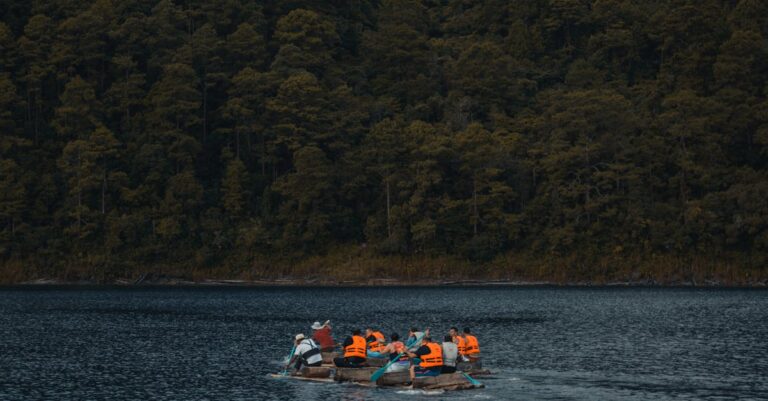
9 Essential Riverbank Lunch Gear Items for White Water Rafting Trips
Pack the perfect meal for your next adventure. Discover these 9 essential riverbank lunch gear items for white water rafting trips and upgrade your outdoor dining.
After hours of navigating technical rapids and fighting cold river currents, nothing restores a paddling crew quite like a solid meal on a sunny gravel bar. However, executing a seamless mid-river lunch requires specialized equipment that can survive violent flips, silty water, and relentless sun. Having the right kitchen and storage gear ensures that mealtime is an efficient, relaxing pitstop rather than a chaotic scramble through wet gear.
Disclosure: As an Amazon Associate, this site earns from qualifying purchases. Thank you!
Planning the Ultimate Mid-River Rafting Lunch
River lunch planning is an exercise in efficiency and caloric density. Paddlers burn a massive amount of energy steering rafts, bracing against waves, and swimming in cold water, meaning lunch must be satisfying and quick to prepare. The ideal menu minimizes actual cooking time on the bank—think pre-chopped ingredients, high-protein wraps, or quick-boil meals—so the group can maximize relaxation time before hitting the next rapid.
Preparation starts at home in the kitchen, not on the riverbank. Pre-slicing meats, pre-mixing sauces, and portioning ingredients into reusable, color-coded containers saves time and drastically reduces the amount of trash generated on the water. It also minimizes the time food sits out in the heat, reducing the risk of foodborne illness in remote wilderness areas where medical help is hours or days away.
How to Secure and Rig Your Lunch Gear on a Raft
Rigging a raft kitchen is a balance between absolute security and quick accessibility. If a raft flips in a Class IV rapid, every piece of kitchen gear must remain locked to the frame, yet the crew needs to access the lunch gear quickly without rigging down the entire boat. The golden rule of river rigging is to use high-quality cam straps—never bungee cords—to secure heavy items like coolers and dry boxes directly to the raft frame.
Position the heavy lunch cooler in a central bay to maintain the raft’s center of gravity and balance the boat. Keep the lunch dry bag strapped near the top of the gear pile or in an accessible drop bag where it can be unbuckled in seconds. Always use a backup safety line, often called a “flip line” or “leash,” on high-value items like stoves and water filters to ensure they stay attached to the boat even if a primary strap fails.
Dry Bag – NRS Bill’s Bag 110L Outfitter
A heavy-duty dry bag is the cornerstone of any river kitchen, acting as the main pantry for dry ingredients, plates, paper towels, and cooking utensils. Without a completely watertight seal, river splashes and rain will ruin bread, turn spices into paste, and rust metal gear. A high-capacity dry bag keeps these essentials organized and bone-dry throughout the wildest whitewater runs.
The NRS Bill’s Bag 110L Outfitter is the gold standard for river expeditions due to its rugged 21-ounce Tredown polyester construction and reinforced bottom. The fold-down StormStrip closure system creates a reliable watertight seal, while the adjustable backpack straps allow for hands-free carrying up steep, muddy riverbanks to the lunch spot.
- Capacity: 110 Liters (6,700 cubic inches)
- Material: 21 oz Tredown PVC/polyester
- Closure System: StormStrip roll-top
- Best For: Mid-to-large group gear storage and dry pantry use
Before packing, remember that a bag this large can easily swallow small items, so utilize color-coded stuff sacks inside to organize spices, utensils, and fuel canisters. This bag is perfect for multi-day rafters and group trip leaders who need to haul massive amounts of dry gear. It is not suitable for solo kayakers or packrafters, as the physical footprint is too large for small watercraft compartments.
Rotomolded Cooler – YETI Tundra 45 Hard Cooler
Cold cuts, fresh cheese, and crisp veggies make a river lunch truly spectacular, but they require a reliable, rugged cooler to survive the heat radiating off a raft. A flimsy department store cooler will crack under the pressure of strapped-down rigging, and its latch system will fail in rough water. A rotomolded cooler serves as a secure vault that keeps ice frozen for days while acting as an extra seat or casting platform on the boat.
The YETI Tundra 45 Hard Cooler excels in this role because of its permafrost insulation and fatwall design, which provide unmatched ice retention even in direct summer sun. Its rotomolded construction is virtually indestructible, meaning it can handle being strapped tightly to a metal raft frame without warping. The heavy-duty T-Rex lid latches stay securely closed during a flip, preventing your lunch from floating downriver.
- Internal Volume: 32.9 Liters (holds up to 28 cans with a 2:1 ice-to-can ratio)
- Weight: 23 lbs empty
- Dimensions: 25.5” x 16” x 15.5”
- Best For: Small-to-medium rafting groups and weekend trips
To get the best performance, users must pre-chill the cooler with sacrificial ice the night before packing and limit lid openings during the day. This cooler is the ideal size for weekend rafters looking for a dependable, bombproof cold-storage solution that fits neatly into standard 18-inch raft bays. It is not the right choice for budget-conscious paddlers or those who prioritize lightweight, soft-sided options over raw durability.
Roll-Up Camp Table – ALPS Mountaineering Table
Trying to slice tomatoes or make sandwiches on a sandy riverbank is a recipe for gritty, ruined food. An elevated, stable surface is essential for maintaining hygiene and preventing back strain while preparing meals. A collapsible camp table keeps food prep out of the dirt, provides a designated space for the stove, and creates a central gathering point for the crew.
The ALPS Mountaineering Table is a premier choice because of its sturdy, rust-resistant aluminum frame and roll-up top design that packs down into a compact carry bag. Unlike plastic folding tables, this aluminum surface can handle hot pots directly from the stove without melting. The table’s X-frame design provides excellent stability on uneven gravel bars and sandy beaches alike.
- Dimensions: 28″ x 43″ x 28″ (Regular size)
- Weight: 11.5 lbs
- Weight Capacity: 75 lbs
- Best For: Creating a clean food prep station on sandy beaches
Be aware that setting up this table on loose sand or sloped riverbanks requires a bit of foot-leveling to ensure it does not tip. The aluminum surface can also become quite hot to the touch if left under direct midday sun, so setting it up in the shade or throwing a light damp cloth over it is recommended. This table is perfect for rafters who refuse to compromise on kitchen hygiene, but it is unnecessary for minimalists who are content prepping food on top of their hard coolers.
Multi-Burner Camp Stove – Partner Steel 2-Burner
A hot lunch—like grilled fajitas, warm soup, or fresh coffee—can instantly boost morale on cold, rainy days on the water. Lightweight backpacking stoves are too unstable for large pans and easily blow out in the constant wind of a river canyon. A heavy-duty, multi-burner camp stove provides the cooking power, stability, and wind resistance needed to feed a hungry crew quickly.
The Partner Steel 2-Burner stove is legendary among river guides for its marine-grade aluminum construction and hand-welded durability. The recessed burners are deeply shielded from howling canyon winds, ensuring consistent heat delivery and efficient propane use. Because it is built from high-strength aluminum, it will not rust when exposed to constant river moisture and splashes.
- Burner Output: 10,000 BTUs per burner
- Material: 5052 Marine-grade aluminum
- Features: Individual burner controls, removable grill grate for cleaning
- Best For: Heavy-duty group cooking in windy canyon environments
This stove operates on bulk propane tanks, meaning users must carry a compatible hose and regulator, which adds to the overall cargo weight. It is a premium, high-cost investment built to last a lifetime of rugged river running. This stove is ideal for dedicated rafters and expedition leaders who frequently cook for groups, while it is excessive for casual day-trippers who stick to cold lunch wraps.
Group Cookset – GSI Outdoors Bugaboo Base Camper
Cooking for a group requires multiple pots and pans, but loose cookware rattling around in a dry bag is noisy, inefficient, and prone to damage. A dedicated, nesting cookset consolidates all necessary boiling and frying vessels into a single, compact package. This saves critical cargo space and ensures you have the right tool for everything from boiling pasta water to frying up riverside quesadillas.
The GSI Outdoors Bugaboo Base Camper is an exceptional pick because of its durable, non-stick Teflon coating and lightweight aluminum core that distributes heat evenly. The entire set nests beautifully inside a rugged stuff sack that doubles as a sink basin for washing dishes. The included strainers integrated into the pot lids make draining water safe and simple on uneven terrain.
- Included Items: 2 pots (2L and 3L), 1 frying pan (8″), 2 strainer lids, cutting board, stuff sack/sink
- Material: Non-stick coated aluminum
- Packed Dimensions: 9.1″ x 9.1″ x 5.4″
- Best For: Versatile, space-saving cooking for groups of 3 to 5 people
To preserve the lifespan of the non-stick surface, users must avoid metal utensils and stick to silicone, wood, or plastic spoons and spatulas. Additionally, the exterior paint can scorch over high-heat camp stoves, so maintaining moderate burner temperatures is recommended. This set is perfect for mid-sized private trips looking for a comprehensive, space-saving kitchen kit, but it is not built for massive commercial groups requiring industrial-sized stockpots.
Gravity Water Filter – Katadyn Gravity BeFree 10L
Staying hydrated is critical during a long day under the sun, but hauling gallons of heavy drinking water on a raft limits cargo capacity and slows the boat down. Filtering water directly from the river is the standard solution, but manual pump filters are exhausting and time-consuming when trying to hydrate a whole crew. A high-capacity gravity filter does the hard work for you, using natural gravity to deliver clean, potable water while the crew preps lunch.
The Katadyn Gravity BeFree 10L system stands out due to its rapid flow rate of up to 2 liters per minute and its simple, tool-free operation. The hollow fiber membrane effectively filters out bacteria, cysts, and sediment without requiring any manual pumping. The large 10-liter reservoir can be hung from a sturdy tree branch or a raft frame, providing a hands-free water station for the entire group.
- Capacity: 10 Liters
- Filter Type: 0.1-micron EZ-Clean Membrane
- Flow Rate: Up to 2L/min
- Best For: Large-volume gravity filtration for group hydration and dishwashing
Users must be aware that highly turbid, silty river water (common on rivers like the Colorado or Green) can clog the fine membrane quickly. To prolong filter life, allow silty water to settle in a bucket before filtering, and regularly swish the filter element in clean water to clear debris. This system is a must-have for group river trips and multi-day expeditions, but it is overkill for solo paddlers who are better served by a small, personal filter bottle.
Collapsible Camp Chair – Helinox Chair One XL
After hours of bracing against rapids and sitting on rigid raft frames, your back and legs need a proper rest during lunch. Sitting on wet rocks, sandy beaches, or damp logs quickly leads to discomfort and chills. A highly packable, supportive camp chair provides a comfortable place to relax and recharge without taking up valuable cargo space on the boat.
The Helinox Chair One XL is the ultimate riverbank companion because it combines a featherweight, compact design with an expanded frame for maximum comfort. Utilizing DAC aluminum alloy poles, this chair offers an incredibly high strength-to-weight ratio and can be assembled in seconds. The XL version provides extra width and depth, allowing paddlers wearing bulky life jackets or drysuits to sit comfortably.
- Weight Capacity: 320 lbs
- Packed Weight: 3 lbs 1 oz
- Packed Dimensions: 18.5″ x 4.5″ x 5″
- Best For: Maximum comfort and back support in a highly packable design
The primary challenge with lightweight chairs on riverbanks is that the narrow feet can sink easily into soft sand or mud. To prevent this, users should pair the chair with a ground sheet accessory or slip tennis balls over the feet to distribute the weight. This chair is perfect for rafters who prioritize comfort and space-saving design, while it may be a luxury stretch for budget-focused paddlers who don’t mind sitting directly on their cooler lids.
Biodegradable Soap – Campsuds Multi-Purpose Cleaner
Keeping hands and kitchen gear clean is the first line of defense against illness on the river. Standard dish soaps contain harsh chemicals and synthetic fragrances that damage fragile aquatic ecosystems and leave toxic residues in eddy lines. A highly concentrated, biodegradable soap ensures that dishes, cutting boards, and hands can be thoroughly sanitized without harming the local environment.
Campsuds Multi-Purpose Cleaner is the original and most trusted trail-and-river soap, featuring a highly concentrated, vegetable-based formula that works effectively in both hot and cold river water. Just a few drops are enough to cut through grease on a frying pan or wash a crew’s hands before lunch. The compact, leak-proof bottle fits easily into any kitchen dry bag or pocket without risking a messy spill.
- Formula: All-natural vegetable-based, biodegradable
- Sizes Available: 2 oz, 4 oz, 8 oz, 16 oz
- Recommended Use: Dishes, hands, clothing, hair
- Best For: Eco-friendly sanitation in wilderness river corridors
The most important consideration is that “biodegradable” does not mean safe to use directly in the river. To prevent harm to aquatic life, soap must always be used and disposed of at least 200 feet away from the water’s edge, allowing soil bacteria to break down the organic compounds. This soap is an absolute necessity for every responsible river runner, though those expecting heavy, synthetic lather may find the natural formula takes some getting used to.
Heavy-Duty Trash Bag – NRS Drag-Out Trash Bag
Every piece of packaging, food scrap, and wet waste generated at lunch must be packed out to preserve the pristine nature of wild river corridors. Standard household trash bags tear easily when stuffed with sharp cans or heavy food scraps, leading to messy spills inside the raft. A heavy-duty, waterproof trash container keeps garbage contained, prevents odors from attracting wildlife, and secures safely to the boat frame.
The NRS Drag-Out Trash Bag is designed specifically for the rigors of river travel, featuring a waterproof, TPU-coated nylon shell that resists tears and punctures. The roll-top closure system seals in unpleasant odors and prevents river water from seeping in and creating a toxic “trash soup” inside the bag. Built-in webbing loops make it incredibly easy to strap securely to the exterior of a raft frame for quick access.
- Material: TPU-coated nylon
- Closure: Roll-top with side-release buckles
- Attachment Options: Heavy-duty webbing loops
- Best For: Secure, puncture-resistant garbage containment on rafts
To make cleanout easier and extend the life of the bag, always line the interior with a heavy-duty contractor-grade plastic trash bag. This prevents food residue from sticking to the seams and simplifies disposal at the take-out ramp. This bag is an essential piece of gear for any overnight or day rafting group committed to stewardship, while it may be unnecessary for kayakers who use smaller, dedicated dry bags for trash.
Leave No Trace Tips for Riverbank Kitchen Cleanup
Operating a kitchen in a wild river corridor requires strict adherence to Leave No Trace principles to protect both the environment and future visitors. All food prep and consumption should take place below the high-water line on gravel bars or beaches where high water can wash away minor impacts. Never leave food scraps, micro-trash, or organic waste behind, as this attracts ants, rodents, and bears, creating safety hazards for the next group.
Managing graywater is one of the most critical aspects of river stewardship. On highly regulated rivers, rules often require packing out all liquid kitchen waste, while on others, graywater must be strained through a fine mesh to remove food particles before being broadcast over the river current. Never dump grease or food-laden water directly onto dry sand, as it degrades the soil and habituates wildlife to human food.
Finally, establish a dedicated hygiene station away from the kitchen area. Encourage everyone to wash their hands with biodegradable soap and clean water before touching food or clean dishes. By keeping a clean kitchen and leaving the riverbank exactly as it was found, paddlers preserve the wild character of these incredible waterways for generations to come.
Conclusion
Equipping a raft with the right riverbank kitchen gear turns a standard midday break into a high-energy, comfortable feast that prepares the crew for the rapids ahead. Investing in durable, water-ready gear ensures that meals are prepared hygienically and packed out responsibly, keeping both the crew and the river healthy. Pack smart, rig securely, and enjoy the perfect riverbank lunch on your next whitewater adventure.