8 Essential Gear Picks for Long Days on a Personal Watercraft
Maximize your comfort and safety on the water with these 8 essential gear picks for long days on a personal watercraft. Read our expert guide and gear up today.
There is nothing quite like the freedom of launching a personal watercraft (PWC) early in the morning with a full tank of fuel and an open horizon ahead. However, a dream day on the water can quickly devolve into a stressful ordeal if you find yourself miles from the boat ramp without the right support gear. Equipping a jet ski for a grueling, all-day tour requires a careful balance of safety, utility, and space-saving design to ensure every mile is as comfortable as it is secure.
Disclosure: As an Amazon Associate, this site earns from qualifying purchases. Thank you!
Preparing Your PWC for a Full Day on the Water
Long-range PWC touring demands more than just launching and squeezing the throttle. Before loading a single piece of gear, the watercraft itself must be thoroughly inspected to handle hours of continuous operation under varying water conditions. Check the engine compartment for any signs of fluid leaks, loose hose clamps, or accumulated water that could indicate a failing hull seal.
Fuel management is the most critical element of planning a full day out on the lake or coastal bay. The standard rule of thumb for marine travel is the rule of thirds: use one-third of the fuel to get to the destination, one-third to get back, and keep one-third in reserve for emergencies or unexpected headwinds.
Finally, test the battery charge and ensure the drain plugs are firmly tightened before backing down the ramp. Taking ten minutes on land to verify these baseline mechanical elements prevents the sinking feeling of a dead engine ten miles from civilization.
Life Jacket – Onyx MoveVent Dynamic Paddle Vest
A personal flotation device (PFD) is the single most important safety item on any watercraft, but a standard life jacket can cause severe chafing during hours of active riding. The Onyx MoveVent Dynamic Paddle Vest solves this comfort issue with its high-back design and massive ventilation panels. Standard PFDs tend to ride up when you sit down on a jet ski, pushing against the back of your neck. This vest avoids that problem with its sculpted foam panels and high-cut back mesh that comfortably clears the PWC seat backrest.
- U.S. Coast Guard Approved Type III PFD
- Heavy-duty 200-denier nylon outer shell
- Expandable zippered pocket with mesh drainage
- SOLAS-grade reflective material for high visibility
Because this vest is designed for high mobility, riders must ensure they adjust the side straps tightly to prevent the vest from shifting during high-speed water impacts. It does not feature the heavy neoprene padding of dedicated speed-rated racing vests, meaning it is optimized for touring and recreational cruising rather than high-speed closed-course racing.
This vest is ideal for recreational PWC touring enthusiasts who value breathability and freedom of movement during long hot days. It is not recommended for high-performance racers or riders who frequently push speeds past 65 mph, where a dedicated impact-rated PFD is required.
PWC Anchor – Cooper Anchor 1K Nylon Sand Anchor
Keeping a PWC secure when stopping at a sandbar or beach is essential, but heavy steel anchors are a liability inside a PWC storage tub because they can crack plastic liners during rough rides. The Cooper Anchor 1K Nylon Sand Anchor weighs only 2.2 pounds but provides holding power that rivals metal anchors multiple times its weight. Constructed from reinforced nylon, it features a specialized design that digs deep into mud, sand, or gravel without the need for a heavy chain leader.
- Weight: 2.2 lbs (1 kg)
- Material: High-impact, UV-resistant reinforced nylon
- Holding power: Suitable for boats and PWCs up to 20 feet
- No sharp edges to damage the watercraft hull
To achieve maximum holding power, riders must use the correct scope—the ratio of anchor line length to water depth. For this lightweight anchor to dig in properly, aim for a 5:1 ratio of line to depth, especially in tidal areas or windy conditions.
This anchor is perfect for PWC riders who frequent sandbars, secluded coves, and shallow beaches and need a lightweight, hull-safe anchoring solution. It is not suitable for deep-water anchoring or extremely rocky riverbeds where a heavy fluke or claw anchor is mandatory to grab ledge rock.
Dry Bag – Sea to Summit Big River Dry Bag
PWC storage hatches are rarely 100% waterproof, especially when crashing through heavy chop or taking bow spray. The Sea to Summit Big River Dry Bag features 420-denier waterproof fabric and heavily reinforced welded seams that withstand the constant friction of riding inside a fiberglass bow locker. Multiple heavy-duty lash loops allow you to secure the bag directly to the PWC deck or seat handles if your interior storage is already full.
- Material: 420D TPU-laminated nylon
- Sizes: Available from 5-liter up to 65-liter capacities
- Closure: Roll-top waterproof seal with repair buckle
- Base: Oval shape to prevent rolling inside storage hatches
To ensure a completely watertight seal, the roll-top must be folded down tightly at least three times before buckling. When packing, place soft clothing items against the outer walls of the bag to act as a buffer for any hard, sharp objects stored inside.
This dry bag is a must-have for long-distance adventure riders carrying cameras, dry clothes, or camping gear in variable conditions. It is not necessary for casual riders who only carry a smartphone, which can be housed in a smaller, simple dry pouch.
Handheld VHF Radio – Standard Horizon HX210
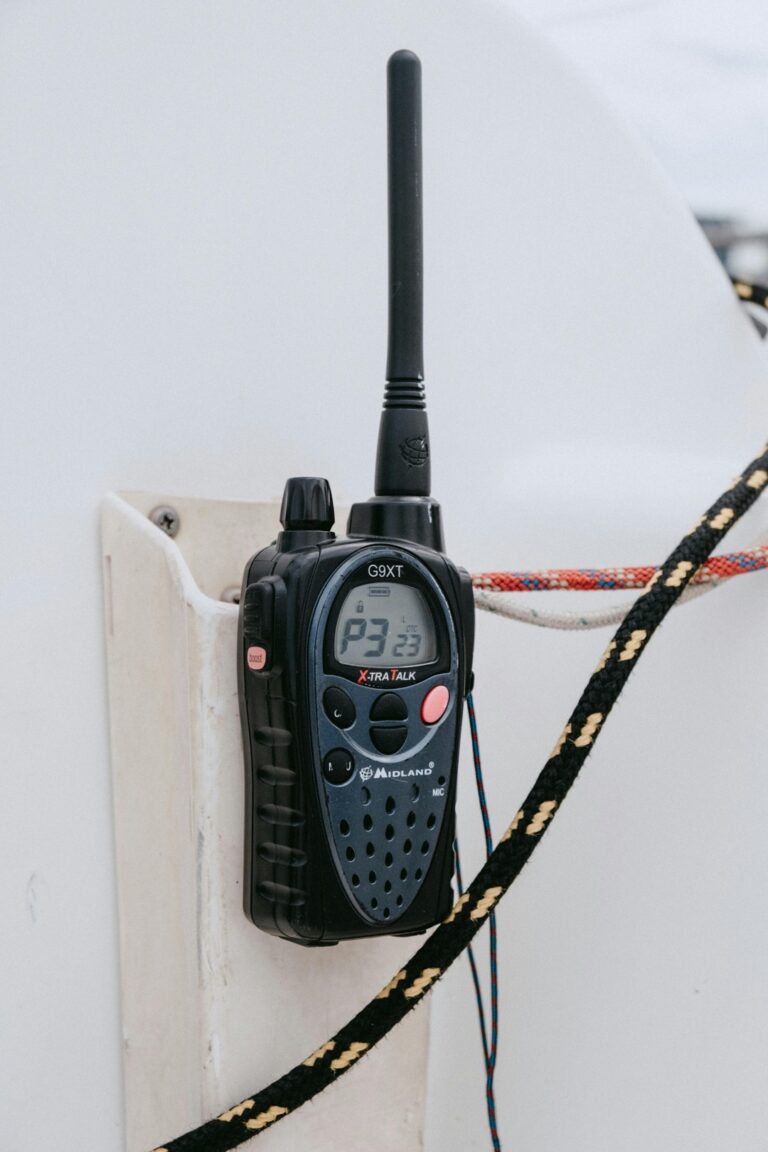
Cell phones are notoriously unreliable on the open water and easily ruined by moisture, making a dedicated marine radio a critical safety lifeline. The Standard Horizon HX210 is a compact, IPX8 waterproof handheld radio that actually floats face-up if dropped overboard. It features a bright, water-activated strobe light that makes it easy to locate in the dark during an emergency.
- Transmit Power: Selectable 6W, 2.5W, or 1W output
- Waterproof Rating: IPX8 (submersible up to 4.9 feet for 30 minutes)
- FM radio receiver band included
- High-resolution dot matrix LCD display
Users should familiarize themselves with basic marine radio protocols, such as using Channel 16 strictly for emergencies and hailing. The battery life is excellent, but it is wise to charge the unit fully the night before every major excursion.
This radio is essential gear for anyone riding in coastal bays, large lakes, or intercoastal waterways where commercial vessel traffic exists. It is less critical for small, land-locked recreational lakes where visual signaling or cell coverage is continuous.
Marine Cooler – AO Coolers Carbon Series Stow-N-Go
Rigid plastic coolers do not fit well in the irregular storage compartments of most PWCs, and strapping them to the rear deck can compromise stability. The AO Coolers Carbon Series Stow-N-Go features a low-profile, flexible design specifically shaped to slide into tight spaces like PWC bow hatches or footwells. Its carbon-fiber look vinyl outer shell is highly resistant to tears, UV rays, and salt water, while the high-density closed-cell foam insulation keeps ice frozen for up to 24 hours.
- Capacity: Holds 38 cans plus 14 pounds of ice
- Exterior: Heavy-duty carbon-fiber pattern vinyl
- Dimensions: Low-profile 8.5-inch height to fit shallow compartments
- Leak-proof TPU inner liner
To maximize ice retention, pre-chill the cooler with a sacrificial bag of ice the night before packing it with cold drinks. Avoid storing sharp-edged metal containers or fishing knives directly inside the cooler to prevent puncturing the inner liner.
This cooler is perfect for day-tripping PWC riders who want cold refreshments without dedicating their entire rear deck to a bulky hard-sided cooler. It is not the right choice for multi-day camping trips where a commercial-grade rotomolded cooler is required to keep items cold for days.
GPS Chartplotter – Garmin GPSMAP 79s Handheld
Getting disoriented in a maze of mangrove channels, tidal creeks, or open lake bays can turn a fun day into a dangerous situation. The Garmin GPSMAP 79s Handheld is a rugged, floating marine GPS unit that features a sunlight-readable color screen and supports detailed marine charts. Unlike a smartphone, its physical buttons are easy to operate with wet hands or gloves, and it relies on dual satellite constellations (GPS and GLONASS) for rapid lock-on in remote areas.
- Display: 3-inch transreflective color screen
- Waterproof rating: IPX7 and built to float
- Memory: 8 GB internal storage with microSD card slot
- Battery life: Up to 19 hours in GPS mode on two AA batteries
While the device comes with a worldwide basemap, riders planning to navigate complex channels should invest in regional BlueChart g3 coastal or LakeVü inland maps. Always carry a spare set of AA batteries in your dry bag to ensure you never lose navigation capabilities.
This handheld GPS is a vital tool for long-distance touring riders exploring coastal areas, large rivers, or vast lake systems. It is unnecessary for casual riders who stay within visual range of their launch ramp or navigate small, well-marked lakes.
Marine First Aid Kit – Adventure Medical Kits Marine 100
Standard household first aid kits use cardboard boxes and non-waterproof bags that quickly turn into soggy, useless mush when exposed to marine environments. The Adventure Medical Kits Marine 100 is specifically packaged in a fully waterproof, roll-top dry bag that protects the medical supplies inside. It is stocked with high-quality supplies selected specifically for marine environments, including treatment for jellyfish stings, sunburn, and motion sickness.
- Packaging: Waterproof DryFlex bag
- Contents: Professional-grade bandages, wound care, medications, and tools
- Size: Compact 7″ x 10″ footprint, ideal for small gear lockers
- Covers a group of 1 to 2 people for multiple days
Open the kit at the start of every season to check expiration dates on medications and replace any items used during previous trips. Keep the kit stored in an easily accessible location, rather than buried deep at the bottom of a packed bow hatch.
This kit is highly recommended for any PWC owner who ventures away from urban areas or travels with passengers. It is not intended for trauma-level off-shore emergencies, which require a much larger and more complex professional marine medical kit.
Bungee Dock Line – Airhead PWC Bungee Dockline
Traditional dock ropes have no elasticity, meaning the constant wash from passing boats can jerk a light PWC violently against the dock, damaging the rub rail. The Airhead PWC Bungee Dockline features an internal elastic cord encased in a durable poly-webbing sleeve that absorbs the shock of waves and tides. It includes sliding foam floats that prevent the line from sinking if dropped and protect the PWC’s hull from chaffing against rough wooden pilings.
- Length: 4 feet, stretches comfortably to 5.5 feet
- Strength: Rated for boats and PWCs up to 4,000 lbs
- Material: High-tensile poly-webbing with inner rubber bungee
- Dual foam bumpers to prevent watercraft scratching
Because these lines stretch, they should only be used for temporary docking while grabbing lunch or fueling up, not for overnight mooring. Always adjust the sliding foam sleeves to align with the point where the rope is most likely to rub against the dock edge.
This bungee line is an essential accessory for any recreational PWC rider who makes frequent stops at public docks or waterfront restaurants. It is not designed for permanent dock slip mooring or heavy, high-current river docking.
How to Pack Your PWC to Maintain Perfect Balance
Unlike large boats, personal watercraft are highly sensitive to weight distribution, and packing them incorrectly can severely affect handling and fuel efficiency. A bow-heavy jet ski tends to plow through water, reducing top speed and causing the nose to dig dangerously into chop. Conversely, overloading the rear deck creates bow rise, making the ride unstable and reducing steering control.
Place the heaviest items—such as the anchor, tool kits, and dense marine coolers—as low and as close to the center of gravity as possible. This usually means securing heavy gear at the bottom of the main bow hatch or low in the footwell storage pockets if designed for cargo. Lighter items, like dry bags containing extra apparel, life jackets, or first aid kits, can occupy the higher, forwardmost areas of the hatch.
Ensure that all gear is tightly secured with tie-down straps or cargo nets rather than left loose to slide around inside the compartments. Loose gear shifting during a sharp turn can cause a sudden, unexpected lean that can throw off your balance and potentially capsize the watercraft.
Essential Saltwater Care for Jet Ski Accessories
Saltwater is the ultimate enemy of marine gear, causing rapid corrosion, crystallized salt deposits, and stuck zippers in a matter of days. Even accessories labeled “marine-grade” require active maintenance to survive the harsh coastal environment. After every saltwater excursion, every piece of gear—from the anchor to the dry bag—must undergo a thorough freshwater rinse.
Pay special attention to zippers on life jackets, gear bags, and first aid kits, as salt crystals will quickly bind the teeth and render them useless. Use a mild, biodegradable marine soap to dissolve stubborn salt crusts, and apply a light coating of silicone spray zipper lubricant to all metal and plastic slides.
Allow all soft goods, including the Onyx PFD and Sea to Summit dry bag, to air dry completely in a shaded, well-ventilated area before storing them away. Storing damp gear in a closed PWC hatch is a recipe for mold, mildew, and permanent fabric degradation.
Final Safety Checks Before Leaving the Boat Ramp
The excitement of getting on the water can lead even seasoned riders to overlook basic safety protocols at the boat ramp. Before backing the trailer into the water, run through a quick, systematic checklist to ensure nothing critical is forgotten. Double-check that the hull drain plugs are screwed in tightly—forgetting this simple step is the leading cause of PWC sinkings.
Attach the safety lanyard to your life jacket before starting the engine, and verify that the emergency engine shut-off switch functions correctly. Check that you have your registration papers, boating license, and a working whistle or air horn on board to comply with local marine law enforcement regulations.
Take a final look at the local marine weather forecast and radar on your smartphone to ensure no sudden storm fronts are approaching. Confirming these details takes less than three minutes but guarantees that a day of adventure doesn’t turn into a rescue operation.
Conclusion
Long days on a personal watercraft offer unmatched thrills, but they require preparation, respect for the elements, and the right gear. By equipping your PWC with reliable, specialized tools, you ensure every trip is safe, comfortable, and memorable. Pack smart, ride defensively, and enjoy the water with the peace of mind that comes from being fully prepared.