10 Essential Emergency Gear Items for Paddleboard Touring
Prepare for your next adventure with these 10 essential emergency gear items for paddleboard touring. Pack smart and stay safe on the water—read our guide now.
Setting off on a multi-day paddleboard tour offers an unmatched connection to the water, but miles of open coastline can turn unforgiving in an instant. When wind, waves, or exhaustion disrupt a crossing, self-reliance becomes the only safety net available. Having the right emergency gear packed on the deck ensures a minor setback remains a manageable adventure rather than a rescue headline.
Disclosure: As an Amazon Associate, this site earns from qualifying purchases. Thank you!
Why Safety Gear Matters for Paddleboard Touring
Paddleboard touring pushes boundaries far beyond the casual shoreline float, often placing paddlers in deep, exposed water miles from help. Unlike kayakers who sit low in a stable cockpit, SUP tourers stand fully exposed to wind, chop, and sudden weather shifts. A single misstep can separate a paddler from their board, leaving them vulnerable to cold water, heavy currents, and maritime traffic.
Proper safety gear transforms a paddleboard from a simple recreational toy into a seaworthy touring vessel. If a sudden squall hits or gear fails, self-rescue equipment provides the immediate means to stabilize, signal, and recover. Preparing for the worst-case scenario is not paranoia; it is the fundamental baseline of responsible coastal and flatwater cruising.
Life Jacket – Onyx M-24 Manual Inflatable Belt Pack
A personal flotation device (PFD) is non-negotiable on open water, but traditional bulky life jackets can restrict the high-cadence shoulder motion required during long-distance paddling. A belt-pack PFD sits comfortably on the waist, staying out of the way of the paddle stroke while remaining instantly accessible in an emergency. It provides peace of mind without the chafing or heat buildup of a standard foam vest.
The Onyx M-24 Manual Inflatable Belt Pack is the premier choice for touring paddlers due to its low-profile design and reliable manual deployment. It features a heavy-duty nylon protective cover and provides 22.5 pounds of buoyancy when inflated via the CO2 cylinder. The pull-to-inflate handle is easy to locate in a panic, and the oral inflation tube serves as a reliable backup.
- Provides 22.5 lbs of buoyancy
- 1-inch buckle and adjustable body belt
- Approved for users 16 years and older (over 80 lbs)
- U.S. Coast Guard Approved Type V PFD
This belt pack requires manual activation, meaning the user must pull the cord and slip the inflated bladder over their head. It is not suitable for weak swimmers, children, or white-water environments where immediate unconsciousness is a risk. For competent, long-distance touring paddlers who prioritize unrestricted motion, this is the ultimate compromise between safety and comfort.
SUP Leash – FCS Essential Series Coiled Leash
In a spill, wind can blow a lightweight paddleboard away faster than anyone can swim, making the leash the single most critical link to survival. A coiled leash is mandatory for touring because it keeps the cord on the deck, preventing it from dragging in the water and snagging on submerged debris. It keeps the ultimate flotation device—the board itself—within arm’s reach at all times.
The FCS Essential Series Coiled Leash stands out for its high-grade polyurethane cord and incredibly comfortable ankle cuff. The 7mm coiled cord is engineered to absorb high-impact stretches without losing its original shape or elasticity. Marine-grade stainless steel swivels at both ends prevent the leash from tangling around the feet, which is a major distraction during heavy paddling.
- 7mm coiled cord thickness
- Engineered polyurethane construction
- Over-molded horn and padded ankle cuff
- Double stainless steel swivels
Paddlers must regularly inspect the velcro closure and swivels for salt buildup and rinse them with fresh water after every outing. This ankle leash is perfect for open ocean, lakes, and bays, but it should never be used in swift-water rivers. For river touring, a quick-release leash attached to the waist or PFD is required to prevent entrapment under currents.
VHF Marine Radio – Standard Horizon HX890
When paddling beyond cell phone tower range, a handheld VHF radio is the only reliable lifeline to summon professional help or communicate with passing vessels. It allows direct contact with the Coast Guard on Channel 16 and provides real-time NOAA weather alerts to help anticipate approaching storms. Relying solely on a smartphone in a waterproof pouch is a dangerous gamble in remote coastal waters.
The Standard Horizon HX890 is a powerhouse of safety, featuring a built-in GPS receiver and Digital Selective Calling (DSC) capabilities. In an emergency, pressing the dedicated distress button automatically transmits the exact coordinates to search-and-rescue teams. The unit is fully waterproof, floats face-up, and triggers a water-activated strobe light to assist rescuers in low-light conditions.
- 6W transmit power
- IPX8 waterproof rating (submersible to 1.5 meters for 30 minutes)
- Built-in 66-channel WAAS GPS receiver
- Group monitor and DSC calling features
Users must register for a free MMSI number to fully activate the DSC distress features before hitting the water. The radio requires occasional battery maintenance and a solid understanding of basic marine radio etiquette and channel usage. This is an essential investment for solo touring paddlers and coastal explorers crossing busy shipping lanes.
Emergency Whistle – Storm All-Weather Safety Whistle
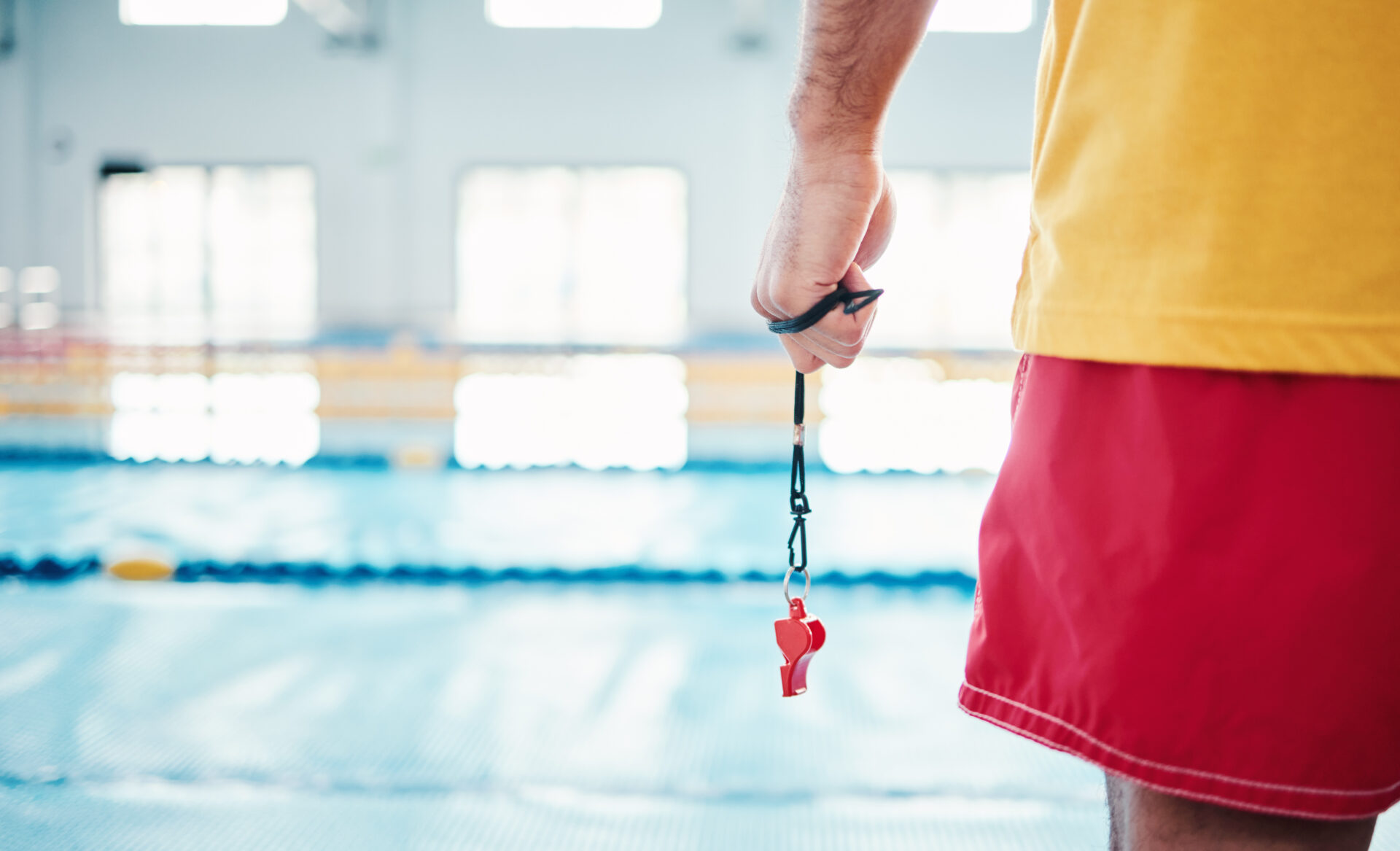
Human voices carry poorly over water, especially when competing with the roar of wind, breaking waves, or boat engines. A marine-grade safety whistle provides a high-pitched, penetrating blast that can be heard over long distances to alert nearby boaters or search parties. It is a legal Coast Guard requirement for almost all paddlecraft and takes up virtually zero space.
The Storm All-Weather Safety Whistle is widely recognized as the loudest whistle on the market, capable of producing a 120-decibel blast. Its unique dual-chamber design allows it to be blown even when completely submerged, quickly purging water as air passes through. The high-impact thermoplastic housing resists sun degradation and harsh saltwater environments without losing its volume.
- Produces up to 120 decibels of sound
- Works underwater and in extreme weather
- High-impact, non-corrosive plastic construction
- Includes a lanyard attachment point
This whistle is incredibly loud and can cause temporary hearing discomfort if blown in confined spaces, so it should be used with care. It should be clipped directly to the PFD shoulder strap, not tucked away inside a dry bag where it cannot be reached in an emergency. This cheap, indestructible lifesaver belongs on the gear list of every single paddleboarder, from beginners to expedition veterans.
First Aid Kit – Adventure Medical Kits Ultralight .7
Minor injuries like blisters, oyster shell cuts, or sunburn can quickly ruin a touring trip if left untreated, while major lacerations require immediate stabilization. A marine-friendly first aid kit provides the sterile supplies needed to clean wounds, stop bleeding, and manage pain while on the water. On a paddleboard, this kit must be compact, lightweight, and absolutely waterproof.
The Adventure Medical Kits Ultralight .7 is tailor-made for paddle sports, packaged in a dual-stage waterproof system. The inner contents are sealed in a 100% waterproof DryFlex bag, which is then housed inside a durable, high-visibility outer ripstop sleeve. It contains a professional selection of bandages, medications, antiseptic wipes, and blister treatments without adding unnecessary weight to the deck rigging.
- Weight: 8 ounces
- Watertight DryFlex inner bag
- Includes trauma supplies, medications, and blister care
- Designed for 1 to 2 people on multi-day trips
While the kit is highly weather-resistant, users should periodically check the expiration dates of medications and replace used items immediately. It does not contain advanced medical gear like splints or tourniquets, which some wilderness explorers may want to add separately. It is the perfect, ready-to-go baseline kit for weekend tourers and day-trippers alike.
Throw Bag – NRS Standard Rescue Throw Bag
When a paddling companion gets separated from their board in a strong current or heavy chop, swimming to retrieve them can exhaust both parties. A throw bag allows a rescuer on a stable platform to quickly deploy a high-visibility line to the swimmer from a safe distance. This tool keeps the rescuer out of danger while providing a fast, reliable extraction method.
The NRS Standard Rescue Throw Bag features a durable Cordura bag packed with 75 feet of high-strength polypropylene rope. The rope floats on the water’s surface for maximum visibility and is rated for a 1,900-pound tensile strength, making it robust enough for heavy water rescues. Mesh panels on the bag allow for quick drying, while the barrel-lock drawstring closure ensures smooth rope deployment every time.
- 75 feet of 3/8-inch floating polypropylene rope
- 1,900-pound tensile strength
- High-visibility Cordura bag with reflective tape
- Quick-drying mesh side panels
Throwing a rope accurately in high winds requires practice, meaning buyers should spend time training with the bag on dry land before relying on it. It requires careful repacking—never coiled, but stuffed back into the bag—to ensure it deploys without tangling when thrown. This is an indispensable tool for group touring, especially in tidal zones, inlets, and fast-flowing rivers.
Bilge Pump – Seattle Sports Seaquator Bilge Pump
While solid paddleboards do not hold water, modern touring often involves hollow displacement hulls or inflatable boards with deep deck recesses that can swamp in heavy seas. If a gear-laden deck wells up with water, the extra weight ruins stability and makes paddling nearly impossible. A manual bilge pump quickly evacuates water from hatches, dry wells, or gear compartments to restore buoyancy.
The Seattle Sports Seaquator Bilge Pump is a highly efficient, hand-operated pump wrapped in a high-visibility foam collar that keeps it afloat if dropped overboard. The heavy-duty plastic shaft resists corrosion from saltwater, and the ergonomic handle ensures comfortable, rapid pumping during high-stress moments. Its compact size allows it to slide easily under deck bungees for instant access.
- High-flow manual pumping action
- Full flotation foam sleeve
- Corrosion-proof plastic construction
- Length: 21 inches
This pump is designed for clearing moderate amounts of water; it is not a substitute for a self-bailing cockpit or proper hatch covers. Users must periodically flush the pump with fresh water to remove sand and grit that can score the internal seals. It is a highly recommended accessory for touring paddlers using hybrid boards, hard shells with storage hatches, or heavily loaded expedition setups.
Rescue Light – ACR Firefly PRO Water-Activated Strobe
Getting caught on the water after sunset is a serious hazard, as low-lying paddleboards are virtually invisible to larger motorized vessels. A bright, flashing rescue light is crucial for marking a paddler’s position during night crossings, foggy conditions, or search-and-rescue operations. It provides a visual beacon that can be spotted from miles away by helicopters and boats.
The ACR Firefly PRO Water-Activated Strobe is a military-grade rescue light that produces an ultra-bright, 360-degree flashing strobe visible for over three miles. It features dual activation methods, allowing it to turn on automatically upon contact with water or via a manual slide switch. Powered by two AA batteries, it boasts a continuous operating life of over 56 hours, far outlasting standard emergency lights.
- Light output: over 268 lumens
- Visible for up to 3.2 miles
- Water-activated and manual modes
- Requires 2 AA alkaline or lithium batteries
Lithium batteries are highly recommended for this unit to prevent corrosion and ensure reliable operation in cold water. The strobe is designed for emergency signaling and is too bright for general navigation or deck lighting, as it will destroy night vision. This is a critical safety item for offshore paddlers, early morning commuters, and multi-day expedition tourers.
Rescue Knife – NRS Co-Pilot Titanium Knife
Entanglement in fishing line, anchor ropes, or a tangled leash is a silent and deadly threat on the water, especially in moving currents. A dedicated rescue knife allows a paddler to quickly slice through rope or webbing with one hand if they become pinned or dragged under. It must be corrosion-resistant, easily accessible, and designed specifically for marine environments.
The NRS Co-Pilot Titanium Knife is the ultimate marine rescue blade, featuring a titanium alloy blade that is completely rustproof and incredibly sharp. It features both a smooth edge for slicing and a serrated edge for sawing through thick ropes, along with a blunt safety tip to prevent accidental punctures of the paddler or inflatable board. The squeeze-lock sheath clips securely to a PFD lash tab, releasing only when the handle is squeezed.
- Rustproof titanium alloy blade
- Blunt tip doubles as a flathead screwdriver
- Serrated and smooth cutting edges
- Quick-release squeeze-lock sheath
The titanium blade holds an edge exceptionally well but can be difficult to resharpen once it eventually dulls. Because of its specialized blunt tip, it is not meant to be a general-use camp knife or utility tool. This is a premium safety asset for any serious touring paddler who navigates around busy marinas, fishing zones, or swift currents.
Dry Bag – Sea to Summit Big River Dry Bag
Emergency gear like extra clothing, matches, and communication devices are useless if they get soaked by spray or submersion. A rugged, dependable dry bag acts as the vault for vital survival gear, protecting it from moisture while keeping it organized on the deck. It also traps air, providing extra buoyancy to the board’s gear load if things go sideways.
The Sea to Summit Big River Dry Bag is engineered for high-abrasion paddle sports, constructed from super-tough 420D ripstop nylon. The TPU roll-top closure and fully taped seams ensure a watertight seal that handles rough waves and temporary submersions with ease. It features multiple heavy-duty lash loops, making it incredibly easy to secure tightly to a paddleboard’s deck rigging.
- 420D TPU-coated waterproof fabric
- Hypalon roll-top closure and lash loops
- White interior coating for better visibility of gear
- Available in sizes from 5L to 65L
Roll-top dry bags must be rolled at least three times to guarantee a waterproof seal, and they are not rated for prolonged underwater submersion. Avoid overstuffing the bag, which can strain the seams and compromise the roll top’s water integrity. This heavy-duty bag is perfect for expedition paddlers who demand gear protection that can survive scrapes against rocks and sand.
How to Inspect and Store Your Emergency SUP Gear
Investing in top-tier safety gear is only half the battle; keeping it in working order is what saves lives when things go wrong. Saltwater, UV rays, and residual moisture are constant threats that degrade synthetic webbing, corrode metal components, and rot seals over time. A strict post-trip maintenance routine is essential to ensure every piece of emergency equipment functions flawlessly on demand.
After every outing on the water, thoroughly rinse all gear in clean, fresh water to wash away salt, sand, and silt. Pay close attention to zippers, buckle mechanisms, and the moving parts of the bilge pump and rescue knife sheath. Allow all items to air dry completely in a shaded, well-ventilated area, as storing gear while damp invites mold, mildew, and premature material breakdown.
Store safety gear in a cool, dry place away from direct sunlight and extreme temperature fluctuations, which can weaken adhesives and degrade plastics. Perform a comprehensive gear inspection at the start of each paddling season and before any multi-day tour. Check the inflation cylinders on PFDs, test VHF radio battery health, inspect leash cords for micro-tears, and replace expired items in the first aid kit.
Embarking on a paddleboard touring adventure requires a mindset of self-reliance and meticulous preparation. By packing these ten essential emergency tools, paddlers can confidently face changing weather and unexpected water conditions. Safe paddling is successful paddling, ensuring every journey ends with stories of adventure rather than narrow escapes.