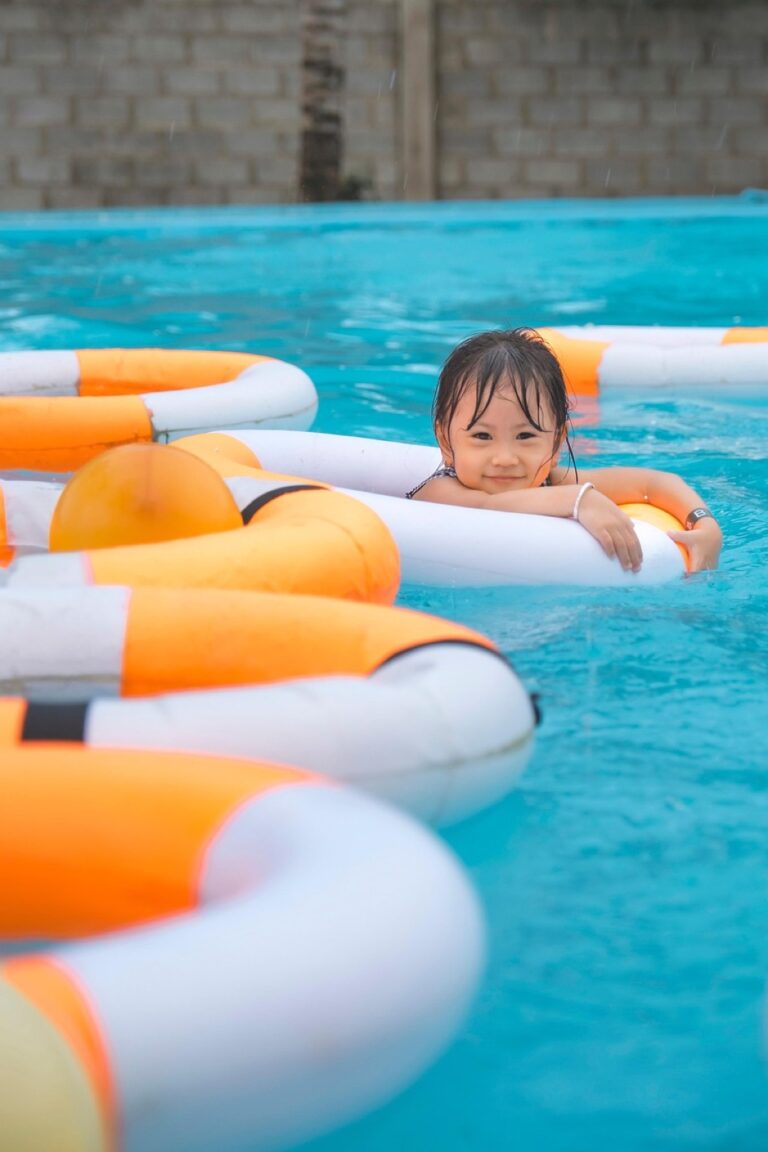
8 Essential Gear Picks for Bringing a Baby on a Pontoon Boat
Plan a safe, fun day on the water with our top 8 essential gear picks for bringing a baby on a pontoon boat. Read our expert guide and get ready for your trip.
Taking a pontoon boat out on a calm lake is one of the best ways to share your love of the water with the newest member of your family. However, the open water presents unique challenges when it comes to sun exposure, heat management, and safety for an infant. Having the right marine-ready gear on board ensures a relaxing, worry-free day for both the baby and the crew.
Disclosure: As an Amazon Associate, this site earns from qualifying purchases. Thank you!
Essential Safety Rules for Boating With an Infant
Before launching the pontoon, understanding basic marine safety for infants is non-negotiable. The golden rule of boating with a baby is that the infant must wear a properly fitted, US Coast Guard-approved Type II life jacket at all times while on the dock or deck. Never compromise on this rule, even if the boat is anchored or idling in a quiet, shallow cove.
A common and dangerous mistake is strapping an infant into a car seat while on board. If the vessel capsizes or takes on water, a heavy car seat will sink rapidly, trapping the child underwater. Instead, designate one adult whose sole responsibility is holding or closely supervising the baby at all times, independent of the captain operating the boat.
Keep cruises short and stick to fair-weather days with calm water. High winds, choppy swells, and sudden temperature shifts can quickly distress an infant and make emergency maneuvers much more difficult. Plan your route with easy exit points in mind so you can return to the marina quickly if the baby gets fussy or overheated.
Infant Life Jacket – Mustang Survival Lil’ Legends PFD
A life jacket is the single most critical piece of safety gear you will bring on board. Infant personal flotation devices (PFDs) are engineered differently than adult vests, specifically designed to flip an unconscious infant face-up in the water. Without a specialized infant PFD, standard vests will ride up, rendering them useless and dangerous.
The Mustang Survival Lil’ Legends PFD stands out because of its advanced collar shape and cooling properties. It features a segmented head pillow that cradles the baby’s head comfortably without forcing it forward, which is a common complaint with cheaper jackets. The heavy-duty haul handle at the collar allows for an immediate, secure grip if you need to lift the infant quickly.
- User Weight: Under 30 lbs (Infant size)
- Approval: USCG Type II
- Material: Engineered foam with cooling mesh back
Fits are tight by design, and there is a learning curve to adjusting the straps. The adjustable crotch strap must be securely fastened to prevent the baby from slipping out of the jacket. It is wise to test this PFD in a pool or shallow water before your first boat trip so the infant can get used to the buoyant sensation without panic.
This PFD is ideal for parents prioritizing top-tier marine safety and comfort for babies under 30 pounds. It is not suitable for older toddlers who have outgrown the weight limit, nor is it meant for casual pool swimming where a Type III vest might offer more mobility.
Portable Playard – Regalo My Play 6-Panel Playard
Pontoon boats are famous for their spacious decks, but they also present hazards like low gates, heavy latches, and hot vinyl seats. A portable playard provides a designated, secure zone where a crawling baby can play or nap safely while the boat is anchored. It keeps the child contained and away from steering consoles, rigging, or tripping hazards.
The Regalo My Play 6-Panel Playard is an exceptional choice for a pontoon deck due to its heavy-duty steel frame and all-mesh walls. The mesh allows the lake breeze to flow through easily, preventing heat build-up inside the play space. Its compact fold design means it takes up minimal space in your under-seat storage compartments when not in use.
- Dimensions: 48 inches wide, 26 inches tall
- Fold Type: One-step fold and go
- Material: Washable nylon and breathable mesh
When setting this up, ensure the playard is placed on a flat, shaded section of the deck, away from the engine compartment or fuel vents. You may want to place a thick towel or a marine-grade mat underneath the playard floor, as the bottom nylon layer is thin and can absorb heat from the hot aluminum deck below.
This gear is perfect for parents with older infants who are sitting up or crawling and need a safe containment zone. It is not ideal for small, non-mobile newborns who are better off being held, nor is it stable enough to be used while the boat is underway at cruising speeds.
Portable Fan – SkyGenius Battery Operated Clip-On Fan
When the wind dies down on a hot summer afternoon, a shaded pontoon boat can quickly turn into a sweatbox. Infants cannot regulate their body temperature as effectively as adults, making active airflow a health necessity. A reliable portable fan keeps a steady breeze moving over the baby, preventing heat rash and heat exhaustion.
The SkyGenius Battery Operated Clip-On Fan is the go-to marine companion because of its heavy-duty spring clip and stepless speed adjustment. You can clip it securely to the bimini frame, playard, or stroller handle without worrying about engine vibrations shaking it loose. The fan head rotates a full 360 degrees, allowing you to direct the airflow precisely where the baby is resting.
- Power Source: Rechargeable battery (USB charging)
- Run Time: 2.5 to 6 hours depending on speed
- Rotation: 360-degree vertical and horizontal rotation
Keep in mind that high-speed settings will drain the rechargeable battery in under three hours. Always carry a portable power bank on board to top off the charge via the USB port during longer day trips. Additionally, keep the fan blades clean of salt spray or freshwater residue to prevent the motor from seizing over time.
This fan is a must-have for anyone boating in humid, high-temperature climates. It is less necessary for cool-weather spring cruising, though the gentle white noise of the motor can still help soothe a sleeping baby.
Baby Ear Muffs – Baby Banz Infant Hearing Protection
Outboard engines, rushing wind, and passing personal watercraft can generate noise levels well above what an infant’s sensitive ears can safely handle. Prolonged exposure to engine drone can cause fatigue and irritability, ruining an otherwise pleasant boat trip. Hearing protection dampens these harsh frequencies, allowing the baby to rest comfortably even while cruising.
Baby Banz Infant Hearing Protection features a class-leading NRR 31dB rating to effectively block harmful engine roar and wind noise. Instead of a hard plastic band that can press painfully against a baby’s soft skull, these earmuffs use a soft, adjustable elastic headband. This design distributes pressure evenly, preventing red marks and keeping the cups securely over the ears.
- Noise Reduction Rating (NRR): 31dB
- Age Range: 0 to 2+ years
- Material: Soft leather-like cups and elastic headband
Some babies will resist having anything placed on their heads, so it is crucial to desensitize them at home first. Put the earmuffs on during quiet times indoors so they associate them with comfort rather than sudden outdoor noise. Ensure the cups seal completely around the ears without catching hair or pinching the skin.
This gear is essential for boats with louder two-stroke outboards or for families who cruise busy, high-traffic waterways. It is less critical on whisper-quiet electric pontoon boats, though still highly recommended for wind protection.
Pop-Up Sun Tent – Pacific Play Tents Lil Nursery
While a pontoon’s bimini top offers great shade, UV rays reflect off the water surface and can still cause sunburn under the canopy. A dedicated sun tent provides a complete 360-degree barrier against both direct and reflected sunlight. It also doubles as a quiet, darkened sanctuary for naps, away from the distractions of the boat’s activity.
The Pacific Play Tents Lil Nursery stands out with its certified UPF 50+ sun protection and ventilated mesh side panels. This combination ensures the interior remains cool and breezy while keeping harsh rays out. Its instant pop-up design means you do not have to struggle with tent poles on a moving deck.
- Sun Protection: UPF 50+
- Dimensions: 36 x 36 x 36 inches
- Fold Style: Twist and fold pop-up
The biggest challenge with pop-up tents on a boat is the wind. A light gust can blow a lightweight tent off the deck, so you must secure it. Use the included weight bags (filled with water bottles or anchor rope) or tie it securely to a cleat or seat pedestal using bungee cords.
This tent is perfect for infants who need a dark, cool space to nap on long day trips. It is not suitable for high-speed cruising, as it must be folded down before the boat gets on plane to prevent it from blowing away.
Waterproof Wet Bag – Itzy Ritzy Travel Wet Bag
Boating is inherently wet, and things get messy quickly when an infant is involved. From blowouts to sodden swim diapers, you need a reliable way to isolate wet, soiled items from your dry gear. A premium wet bag prevents odors and moisture from seeping into the pontoon’s storage lockers or diaper bags.
The Itzy Ritzy Travel Wet Bag features a waterproof polyurethane laminate (PUL) lining with sealed seams to lock in moisture and odors. The heavy-duty zipper closure is far more reliable than drawstring or snap closures, which can leak if the bag is tossed around in a storage locker. The durable cotton exterior holds up well against rough marine environments and frequent washings.
- Size: 11 x 14 inches
- Material: 100% cotton exterior, PUL waterproof lining
- Closure: Heavy-duty zipper
While highly water-resistant, wet bags are not dry bags. Do not submerge the bag in water or expect it to protect electronics if dropped overboard, as water can still seep through the zipper teeth. Wash the bag inside out after every trip to prevent mildew growth from trapped moisture.
This is an essential organization tool for any parent bringing a baby on a boat or to the beach. It is not designed to replace a heavy-duty, submersible dry bag for protecting cameras or cell phones from heavy spray.
Inflatable Baby Pool – Intex Sunset Glow Baby Pool
Taking a baby into open, deep water can be stressful and dangerous due to cold currents, boat traffic, and sudden depth changes. An inflatable baby pool placed right on the deck of your pontoon lets the baby safely splash and cool off in controlled, shallow water. It brings the fun of the lake onto the safety of the carpeted deck.
The Intex Sunset Glow Baby Pool is ideal for pontoon decks due to its compact 34-inch diameter and inflatable bubble floor. This soft floor cushions the baby against the hard fiberglass or aluminum deck underneath. The triple-ring inflatable walls are sturdy enough to support a leaning baby without collapsing or spilling water everywhere.
- Dimensions: 34 x 10 inches inflated
- Capacity: 15 gallons of water
- Floor: Soft, inflatable bubble floor
Fill the pool with just an inch or two of lake water using a clean bucket, and let the sun warm it up for a few minutes before letting the baby play. Never leave the baby unattended in the pool for even a second, as babies can drown in less than an inch of water. Dump the water before getting underway, as a filled pool adds shifting weight to the deck.
This is a brilliant solution for crawling or sitting babies who want to splash but are too small for lake swimming. It is not suitable for larger toddlers who require more room, nor should it be used while the boat is in motion.
Baby Sunscreen – Thinkbaby Safe Sunscreen SPF 50+
An infant’s skin is incredibly thin and lacks the melanin needed to protect itself from intense marine UV rays. Sunburns at a young age are painful and dangerous, making high-quality sun protection a top priority on the water. A physical, mineral-based barrier is highly recommended over chemical sunscreens, which can irritate sensitive skin.
Thinkbaby Safe Sunscreen SPF 50+ is the gold standard for marine environments because of its 20% non-nano zinc oxide formula. It provides immediate, physical defense against both UVA and UVB rays without absorbing into the baby’s bloodstream. The formula is highly water-resistant for up to 80 minutes, making it resilient against sweat, splashing, and pool time.
- Active Ingredient: 20% Non-Nano Zinc Oxide
- Sun Protection: SPF 50+ Broad Spectrum
- Water Resistance: 80 minutes
Mineral sunscreen is thick and takes a bit of effort to rub in completely. Apply it at least 15 minutes before boarding the boat so it has time to set before exposure to wind and water. Be aware that it will leave a slight white cast on the skin, which is actually helpful for identifying spots you might have missed.
This sunscreen is perfect for babies six months and older, as well as adults with sensitive skin. It is not recommended for infants under six months of age; pediatricians advise keeping newborns completely shaded and out of direct sunlight instead.
How to Keep Your Baby Cool and Hydrated on the Water
Managing heat on a pontoon boat requires proactive planning. Babies cannot sweat as efficiently as adults, which makes them highly susceptible to heat exhaustion. Keep a close eye on behavioral cues—irritability, extreme sleepiness, or a flushed face are early warning signs that the baby needs to cool down immediately.
Shade is your best defense against heat build-up. Keep the boat’s bimini top fully deployed and arrange your gear so the baby stays in the shade throughout the day. If the ambient temperature is high, frequently mist the baby with cool water from a spray bottle or use a damp, cool washcloth on their neck, underarms, and feet.
Hydration is equally critical. For breastfed or formula-fed infants, offer extra feedings more frequently than you would on land. If the baby is over six months old, small sips of cool water from a sippy cup can help maintain hydration levels. Keep all bottles and baby food stored in a well-insulated, ice-filled marine cooler to prevent spoilage in the midday heat.
Safe Docking and Anchoring Practices with an Infant
Docking and anchoring are the most physically demanding parts of any pontoon trip, requiring the crew’s full attention. During these maneuvers, the risk of sudden boat movement, line tension, or collisions increases significantly. To keep the baby safe, establish a strict “hands-off” protocol for the infant’s primary caregiver.
Before approaching a dock or tossing the anchor, secure the baby safely in their portable playard or have the designated caregiver hold them securely in a seated position away from the gunwales. Never attempt to tie off dock lines or adjust fenders while holding a baby. One sudden bump against the slip could throw both the adult and the child off balance.
When anchoring, choose a quiet, protected cove away from high-speed boat traffic and heavy wakes. Drop the anchor smoothly and ensure it is fully set before letting the baby roam the deck. A rocking boat from passing wakes can easily knock a crawling baby over, so always keep the boat positioned to take waves bow-first to minimize side-to-side rolling.
Cleaning and Storing Baby Boat Gear After Your Trip
Marine environments are tough on gear, exposing everything to damp conditions, salt, lake grime, and UV rays. To prevent mold, mildew, and structural degradation, thorough cleaning after each outing is essential. Never pack up damp baby gear and leave it in dock boxes or boat lockers, as mold can develop in less than 24 hours.
Hose down all hard items like the playard frame, the clip-on fan (wiped down, not submerged), and the inflatable pool with fresh water to remove algae, sand, and lake odors. Wash fabrics, wet bags, and the PFD in mild, baby-safe detergent, then hang them to air-dry completely in a shaded, well-ventilated area. Avoid direct sunlight for drying, as prolonged UV exposure can break down the flotation foam and nylon fabrics over time.
Store all cleaned and dried gear in a cool, dry place away from pests and extreme temperature swings. Before your next launch, inspect straps, buckles, and seams on safety gear like the Mustang PFD to ensure everything remains in pristine, working order. Proper maintenance ensures your gear stays safe, hygienic, and ready for your next family cruise.
Conclusion
With the right safety protocols and specialized gear, taking your baby on a pontoon boat can be a seamless and highly rewarding experience. Investing in reliable equipment protects your little one from the elements while giving you the peace of mind to enjoy the water. Pack smart, stay vigilant, and make memories that will last a lifetime.