
8 Essential Rapid Water Safety Gear Items for River Rafting Trips
Prepare for your next adventure with these 8 essential rapid water safety gear items for river rafting trips. Pack these must-have supplies and stay safe today.
The roar of a Class III rapid echoing off canyon walls is an exhilarating sound, but it is also a stark reminder of the river’s raw, unpredictable power. When a raft hits a hidden boulder and flips, the difference between an exciting story and a life-threatening emergency comes down to the gear strapped to your body and your boat. Equipping yourself with the right whitewater safety equipment ensures you can handle the sudden chaos of swiftwater rescues with confidence.
Disclosure: As an Amazon Associate, this site earns from qualifying purchases. Thank you!
Understanding the Risks of Whitewater River Rafting
Rivers are dynamic, living environments where conditions change by the hour. Unlike flat water, whitewater features relentless currents, hydraulics, and hidden hazards like foot traps and strainers (downed trees that let water pass through but trap bodies). A swim in rapid water is not a gentle float; it is a high-impact, fast-moving event where a paddler must actively navigate obstacles while fighting to keep their airway clear.
Getting thrown from a raft exposes you to extreme physical forces and cold-water shock, which can instantly sap your swimming strength. Pinning scenarios—where a raft or a person is trapped against a rock by thousands of pounds of water pressure—require specialized knowledge and heavy-duty extraction tools to resolve. Understanding these risks is not about fearing the river, but about respecting its force and preparing for the worst-case scenarios with a serious safety mindset.
Rescue Life Jacket – Astral Greenjacket PFD
A standard life jacket keeps you afloat, but a rescue-class Personal Flotation Device (PFD) is designed to save lives in active swiftwater rescue scenarios. These jackets feature a quick-release harness system that allows a rescuer to tether themselves to a rope and swim out to a trapped paddler, with the ability to escape the rope instantly if things go wrong. Without this dynamic release mechanism, wearing a tethered life jacket in moving water is incredibly dangerous.
The Astral Greenjacket PFD stands as the industry benchmark for river guides and serious whitewater enthusiasts. Built with a freestyle tectonic platform, the jacket moves dynamically with your torso, preventing it from riding up when you swim. Its rugged 500-denier Cordura shell resists tears against sharp river rocks, and the large clamshell pocket on the front keeps rescue essentials like carabiners and webbings organized and accessible.
- Flotation Rating: 16.5 lbs of Gaia foam
- Sizing Options: S/M (31–37″), M/L (38–44″), L/XL (45–51″)
- Key Feature: Quick-release rescue harness with split-D ring
Before buying, understand that this is a Type V rescue PFD, which requires professional swiftwater rescue training to use the harness safely. If you do not know how to rig a live-bait rescue or release the harness under load, this extra utility can become a hazard. This jacket is perfect for intermediate to advanced paddlers and river guides, while casual flatwater floaters should opt for a simpler, less bulky Type III PFD.
Whitewater Helmet – Sweet Protection Strutter
Rocks are the single greatest threat to your head during a swiftwater swim. A whitewater helmet must protect against violent, multi-directional impacts while staying securely positioned on your head even under the pressure of rushing water. Unlike bike or skateboard helmets, water helmets are designed to shed water quickly and resist degrading from constant UV and moisture exposure.
The Sweet Protection Strutter is a legendary piece of river armor, offering a low-profile, baseball-cap style design that blocks sun glare while providing elite protection. Its shell is constructed from Carbon Fiber Reinforced Polymer (CRP), delivering an incredible strength-to-weight ratio that absorbs heavy impacts without adding neck strain. The internal Labyrinth Fit System allows for micro-adjustments to ensure the helmet does not slip backward during a high-speed swim.
- Shell Material: Carbon Fiber Reinforced Polymer (CRP)
- Safety Certifications: CE EN 1385 (Whitewater Standard)
- Weight: 400 grams (Size M/L)
While the rigid baseball bill is excellent for sun protection and keeping water out of your eyes, it can catch the current if you swim face-first down a rapid, pulling the helmet back if the chin strap is loose. Ensure you spend time adjusting the rear dial and chin straps for a snug, immovable fit. This helmet is ideal for kayakers and raft captains who need high-impact protection and glare reduction, but may not be the best fit for those with very round heads, as the shell shape is oval-dominant.
Rescue Throw Bag – NRS Standard Rescue Throw Bag
When someone washes out of a raft, a throw bag is your primary tool for reaching them from a distance. It consists of a rope stuffed inside a bag that unravels as you throw it, allowing a shore-based rescuer to pull a swimming paddler to safety. It is the most frequently used rescue tool on the river and must be highly visible, fast-drying, and easy to pack.
The NRS Standard Rescue Throw Bag is the standard for river rescue due to its simplicity and rugged construction. Packed with 70 feet of 3/8-inch polypropylene rope, it provides a 1,900-pound tensile strength rating while remaining highly buoyant so it floats on the river surface. The bag itself is made of tough Cordura with mesh panels for rapid drainage, and features a bright orange color scheme for high visibility in turbulent foam.
- Rope Length: 70 feet
- Rope Diameter: 3/8 inch
- Tensile Strength: 1,900 lbs
Throwing a bag accurately requires practice; it is not a gear item you can buy and leave in the bottom of your raft without training. The poly rope is designed for swimmer recovery and is not rated for vertical climbing or heavy mechanical advantage pinning systems. This throw bag belongs in the hands of every rafter and kayaker on the river, but should be paired with regular backyard throwing practice to build muscle memory.
River Rescue Knife – Gerber Gear River Shorty
Moving water and ropes are a deadly combination. If a throw line or rigging rope wraps around a limb or traps a paddler underwater, you need a specialized river knife to cut through thick cordage instantly. A river knife must be easily accessible with one hand, secure in its sheath during a swim, and designed with safety features that prevent you from accidentally puncturing your raft or yourself in chaotic water.
The Gerber Gear River Shorty is engineered specifically for these high-stress situations. It features a blunt tip to prevent accidental punctures to inflatable rafts or your own dry suit, while the fully serrated 3-inch blade slices through heavy-duty utility webbing and poly ropes with a single stroke. The quick-release sheath mounts directly to your PFD lash tab, locking the knife securely in place until you squeeze the release buttons.
- Blade Steel: Polished high-carbon stainless steel
- Blade Length: 3.0 inches
- Overall Length: 6.75 inches
Because river knives are constantly exposed to moisture, the high-carbon steel blade requires regular rinsing with fresh water and occasional oiling to prevent rust, especially after use in brackish water. This knife is an absolute necessity for anyone wearing a rescue PFD or handling throw ropes on a raft. It is not designed as a campsite utility knife, so do not use it to chop wood or prep food, as you need to keep that serrated edge razor-sharp for emergencies.
Safety Whistle – Fox 40 Classic Eclipse Whistle
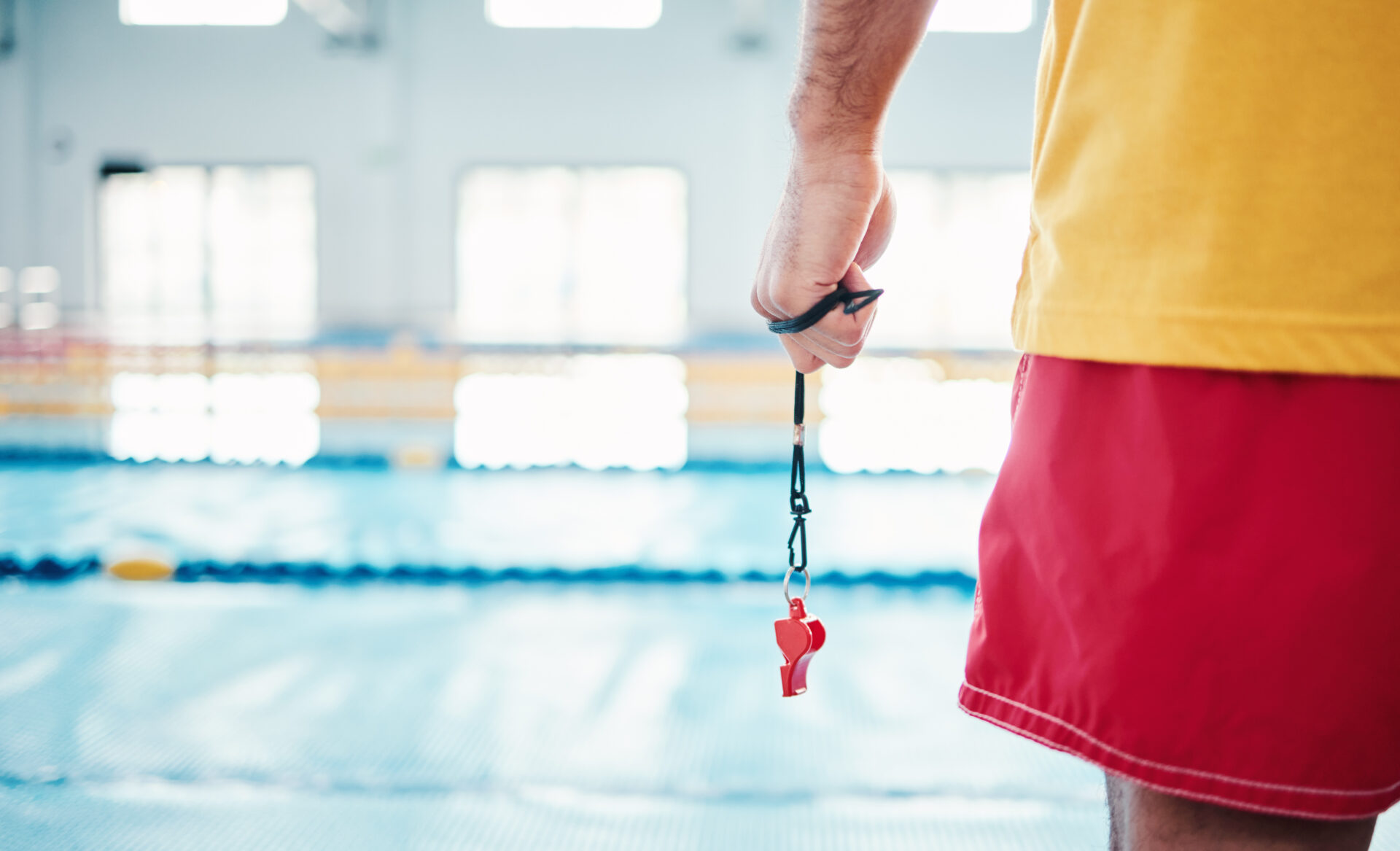
The roar of whitewater easily drowns out human voices, making vocal communication useless over the distance of a rapid. A high-decibel safety whistle is the primary tool for signaling emergencies, directing rescue efforts, or warning other boats of hazards ahead. It must work instantly when wet and produce a pitch sharp enough to cut through the heavy rumble of rushing water.
The Fox 40 Classic Eclipse Whistle is the industry standard for outdoor and water safety professionals. Utilizing a pealess design, it has no moving parts (like a cork pea) that can freeze, jam, or get stuck when submerged in water. It blasts out a piercing 115-decibel shrill that can be heard up to a mile away, and the ergonomic mouthpiece provides a secure grip when wet.
- Sound Output: 115 dB
- Design: Pealess 3-chamber system
- Material: Moisture-resistant ABS plastic
Always loop this whistle’s lanyard directly to your PFD shoulder strap or zipper pull so it is positioned right next to your mouth for hands-free access. Practice using three short blasts for emergencies and one blast to get attention so your group understands basic river signaling before launching. This is a low-cost, high-value safety item that every single person on a river trip must have attached to their PFD.
Waterproof First Aid Kit – AMK Ultralight .7
Medical emergencies on the river can range from simple sunburns and blistered hands to deep lacerations from sharp river rocks. Standard medical kits will quickly turn into a soggy, useless mess if exposed to the splash and spray of rapids. A dedicated river first aid kit must be packed in a fully waterproof system that protects bandages, medications, and wraps from moisture damage.
The Adventure Medical Kits (AMK) Ultralight .7 is the perfect medical companion for day-trip rafters and minimalist paddlers. Packed in a dual-protection system, the inner contents are housed in a 100% waterproof DryFlex bag, which is then protected by a rugged silnylon outer carrier. This kit is stocked with supplies tailored for outdoor injuries, including sterile gauze, wound closure strips, moleskin, and a variety of medications.
- Waterproof Rating: 100% waterproof DryFlex inner bags
- Weight: 8 ounces
- Group Size/Duration: 1–2 people for 1–4 days
While this kit is highly portable and incredibly waterproof, its compact size means it lacks advanced trauma gear like tourniquets or splints. For larger group rafting trips, you should supplement this kit with heavy-duty trauma supplies stored in a larger, hard-sided dry box. This kit is ideal for individual paddlers, kayakers, and small-raft captains who need a reliable, waterproof medical base.
Waterproof Dry Bag – Watershed Colorado Duffel
Keeping dry clothes, sleeping bags, food, and communication equipment dry is a matter of safety, not just comfort. Hypothermia is a real threat on any river trip, and having access to dry, warm layers after a cold swim can prevent a medical emergency. Standard roll-top dry bags can fail under the intense water pressure of a prolonged submersion or a pinned raft.
The Watershed Colorado Duffel is widely regarded as the ultimate dry storage bag by expedition rafters and military personnel. It utilizes a patented ZipDry seal—similar to a heavy-duty freezer bag closure but made of thick, rubberized polyurethane—that is completely airtight and watertight even under deep submersion. Constructed from Kevlar-reinforced polyurethane, this bag resists punctures, UV damage, and abrasion far better than standard PVC bags.
- Capacity: 75 Liters (4,500 cubic inches)
- Closure System: ZipDry airtight seal
- Material: Polyurethane-coated nylon
The ZipDry seal is incredibly secure, but it can be difficult to open and close when cold or brand new. Applying a light coat of 303 Aerospace Protectant to the seal tracks periodically keeps the closure supple and easy to operate. This large-capacity bag is perfect for multi-day raft trips where keeping gear dry is non-negotiable, but is overkill for short, casual flatwater floats.
Rescue Pulley – SMC Swiftwater Rescue Pulley
When a raft wraps around a rock, the immense force of the water makes it impossible to pull free by hand. You must build a mechanical advantage system (like a Z-drag) to multiply your pulling force and break the hydraulic seal holding the boat. A high-efficiency rescue pulley is the core component of this system, reducing friction on the rope so your effort translates into actual pulling power.
The SMC Swiftwater Rescue Pulley is designed specifically to withstand the harsh, muddy environments of river rescues. It features a sealed ball bearing mechanism that ensures smooth rotation even when clogged with river sand or grit. The swing-sided aluminum plates allow you to attach the pulley to any point along your rope line without needing to thread the rope through from the end, saving critical time in a pin scenario.
- Breaking Strength: 36 kN (approx. 8,000 lbs)
- Rope Compatibility: Up to 1/2-inch diameter
- Material: Anodized aluminum side plates
A pulley is useless on its own; to build a functional Z-drag system, you must pair it with static rescue ropes, carabiners, and prusik loops. It also requires specialized training to set up safely, as a poorly rigged mechanical advantage system can snap ropes under high tension, creating deadly projectiles. This tool is a mandatory addition to the safety kit of any raft captain or trip leader navigating Class III water and above.
How to Match Your Safety Gear to River Difficulty
River rapids are classified from Class I (easy, flat water with small ripples) to Class VI (extreme, life-threatening rapids). Your safety gear loadout must match the rating of the river you plan to run. On Class I and II waters, a standard Type III PFD and a basic dry bag for warm clothes are usually sufficient for a safe day on the water.
Once you step up to Class III and IV whitewater, the margins for error shrink dramatically. Here, a rescue PFD with a quick-release harness, a certified whitewater helmet, and a complete pin kit (including pulleys, carabiners, and static rope) become mandatory gear. If you are running complex, fast-moving rapids, every person in the boat needs a river knife and whistle mounted to their body, not buried in a gear bag.
Inspecting and Maintaining Whitewater Gear Annually
River gear lives a hard life, constantly exposed to abrasive sand, UV rays, chlorine, and moisture. To ensure your gear performs when lives are on the line, perform a thorough inspection at the start of every paddling season. Inspect your PFD for broken buckles, torn straps, and foam compression; if the foam feels thin or brittle, the jacket has lost its buoyancy and must be replaced.
Check your rescue ropes for fraying, core exposure, or stiff spots, which indicate structural damage from UV exposure or heavy loads. Pull your throw bags completely out, wash them with fresh water to remove sand grit, and repack them by stuffing (never coiling) the rope back into the bag. Finally, lubricate your dry bag seals, sharpen your rescue knife, and test your safety whistles to ensure they blow clear and loud.
Essential Safety Protocols Before Launching Your Raft
Having high-end safety gear is only half the battle; establishing clear protocols before pushing off the riverbank is what keeps a group unified and safe. Begin every trip with a thorough safety briefing that covers swimmer self-recovery, the use of throw bags, and basic paddle commands. Ensure everyone on the trip knows who is carrying the first aid kit and who has the pin kit to avoid confusion during an emergency.
Conduct a physical “buddy check” where paddlers inspect each other’s gear before stepping into the raft. Verify that life jackets are zipped, buckled, and pulled tight enough that they cannot be lifted past the ears, and check that helmets are buckled securely. Secure all heavy gear inside the raft using cam straps, ensuring there are no loose ropes or loops that could trap a paddler if the boat flips.
Conclusion
The river rewards preparation and punishes complacency. By investing in professional-grade safety gear and committing to regular training, you transform potential river disasters into manageable, safe adventures. Pack smart, respect the current, and enjoy the ride with the confidence that you are ready for whatever the river throws your way.

