6 Best Portable Stoves For Shore Cooking For Daily Trips
Elevate your outdoor dining with our expert review of the 6 best portable stoves for shore cooking. Find the perfect gear for your next daily trip and buy today.
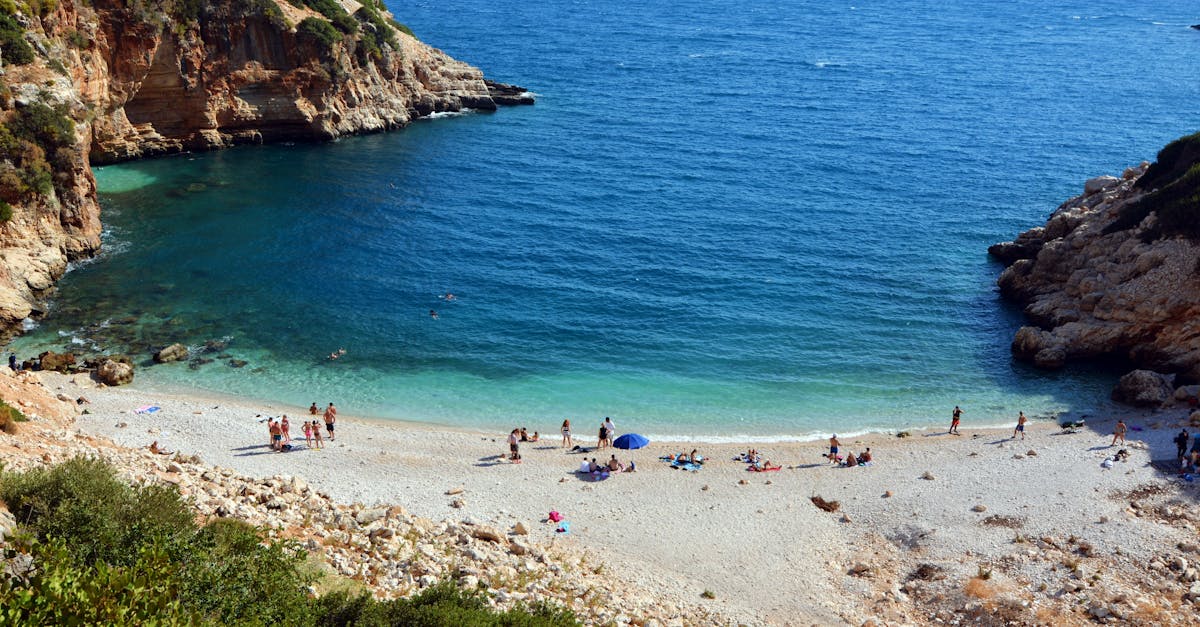
Nothing beats the satisfaction of a hot meal while watching the waves roll in after a long morning on the water. Proper gear transforms a simple shore stop from a frantic snack break into a genuine lakeside retreat. Selecting the right stove ensures that those precious calories are ready quickly, leaving more time for swimming, paddling, or simply enjoying the view.
Disclosure: As an Amazon Associate, this site earns from qualifying purchases. Thank you!
Jetboil MiniMo: Best All-in-One Cooking System
The Jetboil MiniMo shines for those who prioritize efficiency and a stable, low-profile design during shore stops. Its burner technology allows for incredible simmer control, which is a rare find in such a compact integrated system. If the goal is to boil water for dehydrated meals or coffee in record time while dealing with gusty shoreline winds, this is the gold standard.
Because the cup locks directly onto the burner, the risk of accidental tipping on uneven sand or rocky beaches is significantly reduced. The metal handles are well-insulated, making it easy to grab and move immediately after the flame cuts out. This stove is an excellent choice for solo paddlers or pairs who value speed and reliability over complex culinary capabilities.
MSR PocketRocket Deluxe: Best Ultralight Option
If weight and packability are the primary concerns for a shore trip, the MSR PocketRocket Deluxe is an unrivaled performer. It weighs almost nothing and folds into a footprint small enough to hide inside a standard camping mug. Despite its tiny size, the pressure regulator ensures consistent heat output even when fuel canisters run low or temperatures drop.
The wide burner head provides better heat distribution than traditional needle-flame stoves, reducing the likelihood of scorching the center of a pan. An integrated igniter removes the need to fumble with lighters, which is a massive advantage when hands are damp or cold. Hikers and kayakers who prioritize a lightweight kit will find this stove perfectly balances performance and minimalism.
Solo Stove Titan: Best for Wood-Burning Fans
The Solo Stove Titan is built for those who prefer the rugged simplicity of gathering fuel from the surroundings rather than hauling canisters. Its double-wall construction creates a secondary combustion that results in a surprisingly efficient, low-smoke burn. By using twigs and pinecones as fuel, the burden of packing heavy gas canisters disappears entirely.
However, this choice requires more patience and a dry environment to ensure fuel availability. It is best suited for trips where wood is abundant and the weather is reliably dry, as damp fuel will cause significant frustration. Choosing this stove means committing to the tactile, classic campfire experience without the environmental impact of discarded metal canisters.
Coleman Classic Propane Stove: Best for Groups
For those arriving by boat or car where gear weight is less of a concern, the Coleman Classic is the undisputed king of group cooking. Its dual-burner setup functions just like a home kitchen, allowing for the simultaneous preparation of a main course and a side dish. The built-in wind guards are highly effective at blocking coastal breezes, keeping the cooking surface hot and efficient.
This stove is heavy and bulky, making it unsuitable for long treks, but it excels at stable, stationary shore picnics. The wide cooking surface accommodates larger pans, which is ideal when feeding a hungry group of friends or family. For a stationary day at the beach where gourmet-style meals are the priority, nothing else matches its stability and capacity.
BioLite CampStove 2+: Best for Techy Campers
The BioLite CampStove 2+ offers a unique intersection of fire-starting and power generation. It uses a small fan to improve combustion efficiency while simultaneously converting heat energy into electricity to charge devices via a USB port. For those who need to keep phones or GPS units powered while away from the grid, this stove is an incredibly clever multi-tool.
It is best for people who enjoy managing a small fire and want to maximize the utility of their downtime. Note that it requires constant attention and regular feeding of small wood scraps to maintain both the flame and the charging power. If the idea of charging a phone while boiling water sounds like a dream, this is the perfect piece of hardware.
Gas ONE GS-1000: Best Budget Butane Stove
The Gas ONE GS-1000 is the quintessential choice for a casual day at the water when budget and ease of use are the primary drivers. It is simple to operate, features a reliable electronic ignition, and provides a wide, stable base that makes cooking with larger cookware straightforward. The butane canisters are affordable, widely available, and easy to swap out even for beginners.
While it lacks the wind resistance of more expensive, specialized systems, it is perfect for sheltered areas like picnic tables or calm beach coves. The carrying case keeps the unit protected and tidy during transit, which prevents it from picking up sand or debris. For those who want a reliable, no-frills setup for occasional shore outings, this stove is difficult to beat.
How to Choose the Right Stove for Your Trip
Selecting a stove requires evaluating the constraints of the specific outing, specifically focusing on group size and accessibility. If the destination requires a long hike, weight and packed volume take precedence over burner capacity. Conversely, boat-accessed sites allow for larger, more versatile setups that make cooking for a crowd much simpler.
- Portability: Consider how much space the stove takes in the pack or dry bag.
- Ease of Use: Think about whether a quick lunch or a complex dinner is the goal.
- Fuel Availability: Ensure the chosen fuel type is readily available at local retailers.
- Wind Conditions: Choose stoves with built-in wind protection for exposed beaches.
Fuel Canisters vs. Wood: Which Is Best for You?
Fuel canisters offer consistent performance in almost any weather condition, providing a predictable burn time and heat output. They are the standard for those who need a reliable, instant flame to minimize the time spent cooking. However, the requirement to pack out empty canisters and the ongoing cost of fuel are significant trade-offs to keep in mind.
Wood-burning stoves provide a distinct, traditional experience and eliminate the need for fuel storage. They are highly sustainable in the right conditions, yet they are entirely dependent on the availability of dry, natural fuel. Relying on wood during damp or rainy conditions can lead to cold meals, making it a riskier choice for less experienced cooks.
Shore Cooking Safety: Wind, Sand, and Fire Tips
Shore environments present unique hazards that differ significantly from inland camping. Always position the stove on a flat, stable surface like a flat rock or a specialized stove board to prevent it from sinking into soft sand. Strong winds often whip across open water, so using a separate wind screen or tucking the stove behind a natural barrier is essential for both efficiency and fire safety.
Never operate a stove directly on a picnic table without protection, as some surfaces can discolor or melt under intense heat. Always keep a bucket of water or sand nearby to extinguish the burner instantly in case of a flare-up. Safety on the shore is about mitigating the unpredictability of the wind and the instability of the terrain.
Leave No Trace: Packing Out Your Shore Kitchen
Protecting the environment is a core responsibility for anyone using coastal or riparian areas. If using a wood-burning stove, ensure all ashes are cold to the touch before disposing of them in a trash receptacle, never dumping them into the water or onto the sand. For canister stoves, always carry out every bit of gear, ensuring that empty canisters are recycled according to local regulations.
Avoid cleaning pots and pans directly in the water, as food particles can disrupt delicate aquatic ecosystems. Instead, move at least 200 feet away from the shoreline to dispose of gray water in a way that allows the ground to filter it. Maintaining these habits ensures that beautiful shore spots remain pristine for the next person who arrives looking for a peaceful meal.
Choosing the right cooking gear is the difference between a frustrating chore and a highlight of the trip. Match the stove to the environment and the group, prioritize safety, and respect the shore, and every day on the water becomes an opportunity for a memorable meal.