6 Best Drink Infusions For Post-Swim Hydration To Try
Rehydrate effectively after your laps with these 6 refreshing drink infusions. Discover the best natural blends to restore electrolytes and try them today!
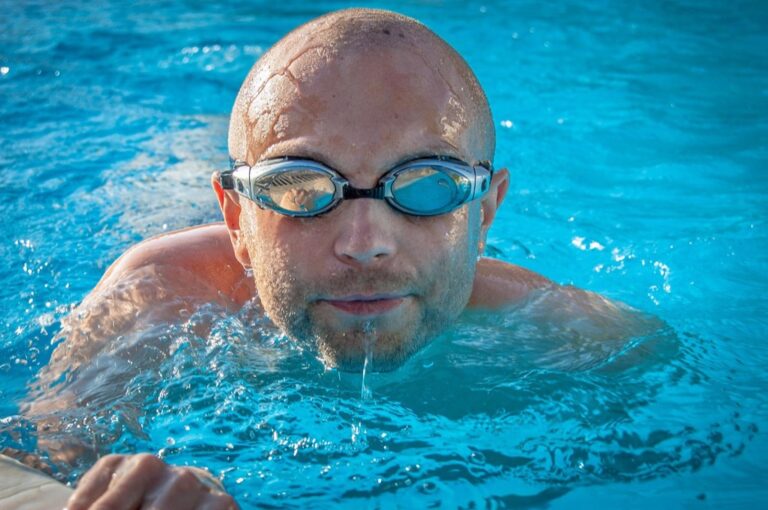
Exiting the pool or open water often leaves a lingering sense of dehydration, even if the body feels immersed in moisture. While plain water is the standard, flavor-infused hydration encourages higher intake and replaces lost electrolytes more effectively than standard tap water. Elevating post-swim recovery through natural ingredients transforms a mundane necessity into a sensory reward.
Disclosure: As an Amazon Associate, this site earns from qualifying purchases. Thank you!
Cucumber Mint: The Ultimate Cooling Refresher
Cucumber and mint are synonymous with immediate, crisp cooling. Swimming sessions in heated indoor pools or under the intense summer sun raise core temperatures, and this infusion works to counteract that heat from the inside out. The high water content in cucumbers, paired with the menthol properties of fresh mint, creates a drink that feels significantly more quenching than water alone.
For the best results, slice the cucumber into thin ribbons rather than thick rounds to maximize surface area. Add five to ten fresh mint leaves, slightly bruised to release their essential oils, and let the infusion steep for at least two hours. If seeking a sharper profile, add a squeeze of lime to brighten the flavor.
This combination is ideal for swimmers who struggle with the “blandness” of water and want a spa-like experience after a rigorous workout. It is non-citrus-heavy and unlikely to cause digestive discomfort for those with sensitive stomachs. For those who want a refreshing, subtle drink without any lingering sweetness, this is the definitive choice.
Lemon Ginger: Best for Soothing Muscles
Muscle fatigue is an unavoidable reality for those pushing laps or fighting currents. Lemon provides a gentle metabolic boost, while ginger acts as a potent anti-inflammatory agent. This infusion serves as a functional tonic that works systemically to reduce the soreness that follows an intense session in the water.
To prepare, use fresh ginger root sliced into matchsticks, as powder will create a chalky texture. Combine with thinly sliced organic lemons, ensuring the rind is washed thoroughly to prevent bitterness from leaching into the water. Allow this mixture to sit in the refrigerator for four to six hours to ensure the ginger heat balances the lemon acidity.
This infusion is best suited for high-intensity swimmers or those recovering from long-distance open water swims. It requires a bit more patience to get the ginger-to-lemon ratio correct, but the payoff is a drink that feels purposeful and restorative. If inflammation and recovery are the primary goals, this is the most effective, science-backed choice on the list.
Strawberry Basil: A Sweet & Herbal Delight
The marriage of sweet strawberries and savory basil offers a complex flavor profile that makes drinking water feel like a treat rather than a chore. Strawberries provide natural sugars that replenish glycogen stores slightly, while basil introduces an earthy depth. It is an excellent way to transition from a workout back into the rest of the day.
Quarter the strawberries to ensure the juice permeates the water quickly. Layer them with whole, rinsed basil leaves in a glass pitcher. Avoid crushing the basil too aggressively, as it can turn the infusion slightly bitter; gentle agitation is sufficient to release the fragrance.
This option is perfect for those who find fruit-only waters too sugary or one-dimensional. It feels sophisticated and is highly satisfying on warm, humid afternoons by the lake or pool deck. If the goal is hydration that doubles as a palatable, low-calorie alternative to sugary sports drinks, strawberry basil is a standout contender.
Watermelon Rosemary: Maximum Hydration Hero
Watermelon is perhaps the ultimate post-swim fruit, packed with water and essential minerals like potassium. When paired with the woody, piney scent of rosemary, the drink takes on a refined edge that elevates the sweetness of the fruit. It is highly effective for rapid rehydration after sweating in humid, chlorine-heavy environments.
Use cubed watermelon and a single sprig of fresh rosemary per liter of water. Because watermelon breaks down quickly, this infusion should be consumed within twelve to twenty-four hours to maintain optimal flavor. Using a slightly larger vessel helps the watermelon flavors disperse without overwhelming the subtlety of the herb.
This is the recommendation for endurance swimmers who lose significant sweat and need a boost in electrolytes. It isn’t for those who prefer delicate or purely fruity drinks, as the rosemary imparts a strong, distinct aroma. For anyone seeking a functional, performance-oriented infusion that tastes like peak summer, this is the best possible choice.
Orange Blueberry: The Antioxidant Powerhouse
Swimming in chlorinated water or UV-heavy sunlight creates oxidative stress on the body. This infusion combines the vitamin C of oranges with the antioxidants found in blueberries to help mitigate that stress. It is a vibrant, colorful drink that provides a mild energy lift without the need for caffeine.
Use organic oranges to ensure the peel—which contains many oils—can be used safely in the infusion. Slightly mash the blueberries with a fork before adding them to the water to allow their deep color and nutrients to release. Steep for three hours to allow the citrus zest to meld with the fruit notes.
This blend is ideal for recreational swimmers who prioritize long-term skin health and immune function. It provides a familiar, approachable flavor that appeals to almost everyone, making it the best choice for shared pitchers at a group swim or family day at the beach. If you want a crowd-pleasing, health-focused infusion that never fails, look no further.
Pineapple Coconut: Electrolyte-Rich Recovery
Pineapple contains bromelain, an enzyme known for aiding digestion and reducing inflammation, while coconut water provides a natural source of potassium and magnesium. Infusing water with these two elements creates a DIY electrolyte beverage that lacks the synthetic dyes and high-fructose corn syrup found in commercial products. It is essentially nature’s own recovery sports drink.
Use fresh pineapple chunks rather than canned, as the syrup in canned versions ruins the integrity of the infusion. Combine with high-quality, unsweetened coconut water or, for a subtler approach, infuse plain water with coconut meat strips. This blend is best enjoyed chilled, ideally within a few hours of preparation.
This is the definitive choice for athletes who need to replace electrolytes after a long, grueling swim. It is not for those who dislike the tropical profile or creamy undertones of coconut, but for anyone focused on muscle recovery and rapid absorption, it is unmatched. Choose this if performance recovery is the main objective.
Why Proper Hydration After Swimming Matters
The cooling effect of water masks the body’s natural sweat response, leading many swimmers to underestimate their fluid loss. Even in a pool, the body loses moisture through respiration and perspiration, especially in climate-controlled environments that dry out the skin and lungs. Ignoring this leads to premature fatigue and decreased cognitive performance throughout the day.
Electrolyte balance is just as critical as total fluid volume. Plain water can sometimes dilute the blood sodium levels if consumed in excessive quantities immediately after a workout, potentially leading to cramping. Infusions provide a small, natural boost of minerals that help the body retain fluid more effectively than plain water.
Choosing Fruits and Herbs for Your Infusions
Selecting the right produce is paramount for both safety and flavor. Always opt for organic, pesticide-free fruits whenever possible, as you are steeping the rinds and skins in your drinking water. Wash all produce thoroughly under running water to remove dirt, bacteria, or residual chemicals that could contaminate the infusion.
Herbs should be fresh, not dried, to avoid an unwanted “tea-like” bitterness. Soft herbs like mint and basil should be added toward the end of the infusion process if a milder taste is desired. For woody herbs like rosemary or thyme, an overnight soak in the refrigerator helps draw out the essential oils without overwhelming the palate.
Best Gear: Infuser Bottles vs. Pitchers
For individual use, an infuser water bottle with a dedicated central compartment is a wise investment. These bottles keep the fruit pulp contained, preventing it from clogging the drinking spout while you are on the go. High-quality stainless steel or BPA-free Tritan plastic bottles are recommended to ensure the infusion stays cold for the duration of your trip to the water.
If you are prepping for a family day or a group, a glass pitcher with a removable infuser rod is significantly more efficient. Glass is preferred because it does not hold onto odors or stains, ensuring your watermelon-rosemary doesn’t taste like last week’s lemon-ginger. A pitcher setup allows for larger batches and easier cleaning, making it the superior choice for home-base hydration.
Making Your Infusions: Prep & Safety Guide
Safety begins with temperature control. Always store your infusing water in the refrigerator, especially when using citrus or melon, which can ferment if left at room temperature for too long. If you plan to be out in the sun for an extended period, keep the infused bottle inside an insulated cooler bag with ice packs to maintain the integrity of the ingredients.
Discard any fruit or herbs after 24 hours of steeping. Prolonged immersion can cause produce to degrade and become a breeding ground for bacteria, particularly if the water has been sitting in a warm environment. When in doubt, refresh the ingredients rather than adding more water to an old batch; fresh produce is the foundation of a safe, effective recovery drink.
By moving beyond plain water, you give your body a significant advantage in recovering from the physical toll of a swim. These six infusions provide the necessary hydration and mineral support to keep you performing your best, whether you are a competitive athlete or a weekend water enthusiast. Start experimenting with these combinations today to discover which one best aids your post-water recovery.